AB 2253, authored by Assemblymember Tasha Boerner, would require companies to measure recycled-content inputs across entire production runs rather than relying on a single sample. The bill seeks to close a common greenwashing loophole and build on California's existing recycled-content rules for plastic beverage containers. AB 2253 passed the state Senate (28-10) and Assembly (42-20); Governor Gavin Newsom has until September 30 to sign it into law. The measure arrives amid related federal proposals and growing scrutiny of sustainability claims.
California's AB 2253 Aims to Close 'Recycled' Labeling Loopholes — What It Would Change
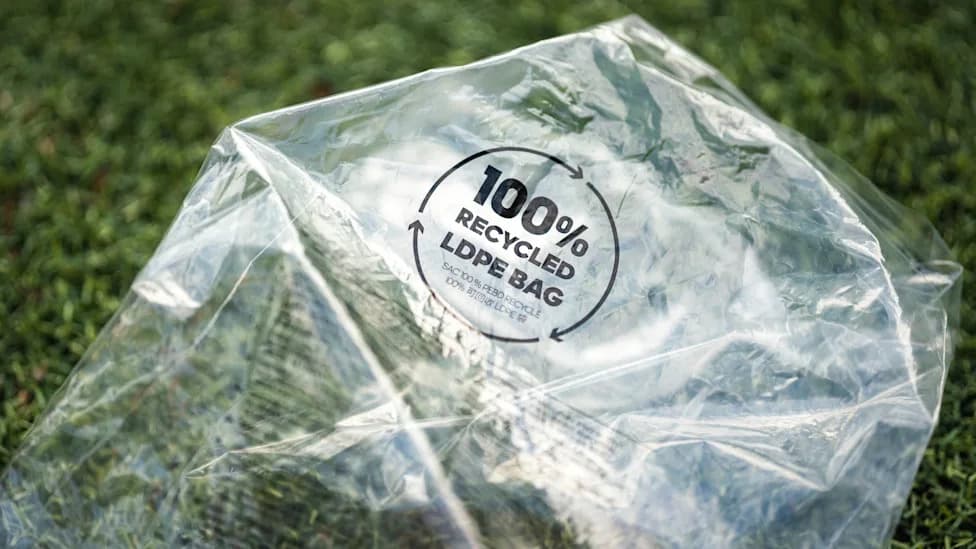
Photo Credit: iStock
A single "recycled" stamp can sway shoppers trying to cut waste, but California lawmakers want those claims to reflect reality. AB 2253, introduced by Assemblymember Tasha Boerner, would tighten rules on recycled-content claims so consumers can trust packaging labels.
What the Bill Would Require
Under AB 2253, companies could no longer substantiate a recycled-content claim with one favorable sample or batch. Instead, manufacturers would need to measure and report recycled inputs across an entire production run, not just a single lot, closing a common greenwashing loophole that can overstate how much recycled material is actually used (reporting by Packaging Dive).
Why This Matters
Packaging labels heavily influence purchasing decisions, particularly for shoppers trying to reduce waste, support better manufacturing, or avoid products that rely on virgin plastic. When "recycled" claims are vague or based on limited testing, consumers can pay a premium for packaging that doesn't deliver the expected environmental benefits. Measuring recycled content across full production runs would make claims more verifiable and help trustworthy brands stand out.
Pushback and Context
Packaging industry groups have pushed back, saying broader tracking and reporting requirements could be burdensome for manufacturers. Supporters argue AB 2253 builds on existing California policy — the state already requires minimum recycled-content levels in plastic beverage containers — and clarifies what credible packaging claims should mean.
Where the Bill Stands
AB 2253 has cleared both chambers of the California Legislature: it passed the Senate 28-10 and the Assembly 42-20, according to Packaging Dive. Governor Gavin Newsom has until September 30 to sign it into law.
National Context
The proposal arrives amid a broader national conversation about recycled-content labeling. Federal bills such as the Tracking Plastic Act, the Recycled Materials Attribution Act, and the Truth in Labeling Act have been introduced to increase transparency and standardization for sustainability claims. Investigations and state actions — including probes that found some retailers mislabeling packaging as recyclable and new state rules in places like Minnesota — are increasing pressure for enforceable standards.
Bottom Line
AB 2253 aims to make recycled-content labels harder to manipulate and easier for consumers to rely on by requiring measurement across full production runs. If enacted, it could narrow greenwashing opportunities and raise the bar for credible environmental claims on packaging.
Source: Reporting summarized from Packaging Dive and recent legislative records.
Help us improve.