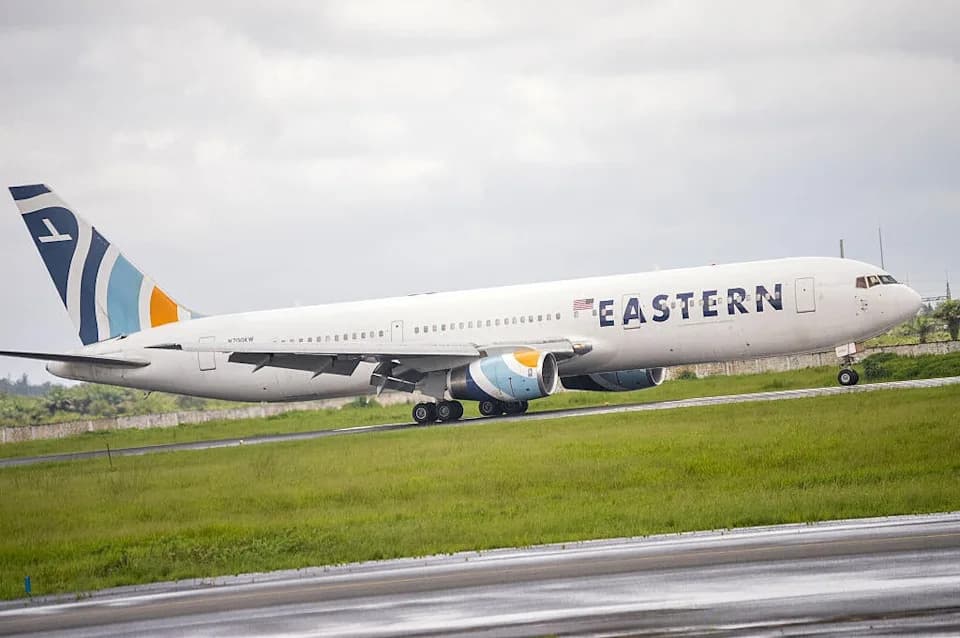
A group of 15 non‑Liberian deportees arrived in Liberia on Aug. 20 after U.S. immigration officials flew them to the West African country as part of so‑called third‑country removals. Many said they had previously won legal protections in U.S. immigration courts that barred return to their homelands, yet they were sent to Liberia without prior notice and with limited options. Liberia has agreed to take up to 1,200 deportees and allows freedom of movement, but recipients cite poverty, lack of work visas and cultural barriers and do not plan to stay permanently.
Sent to Liberia, Stranded in Limbo: ICE Deportees Say They Are 'On the Other Side of the World'
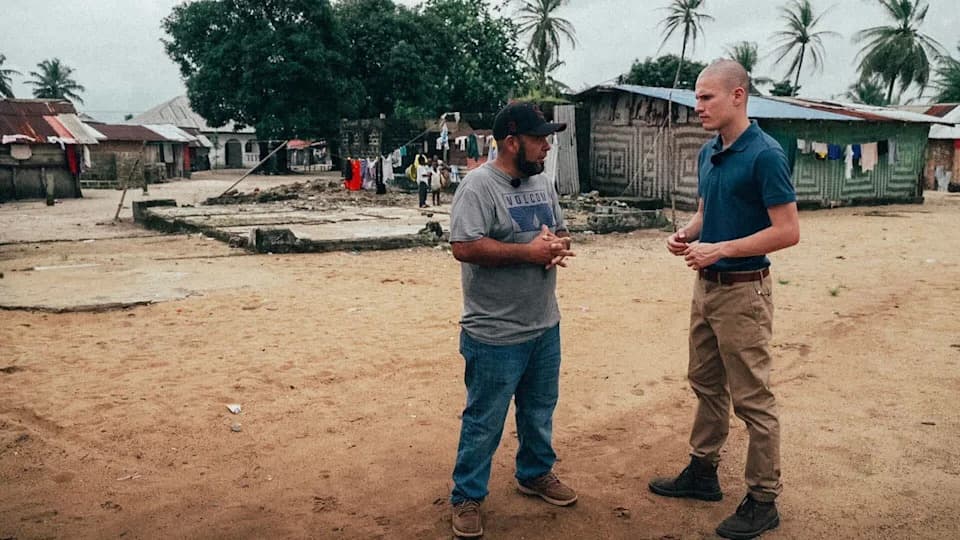
Honduran deportee Elvis Rodriguez Venturas speaks with CBS News' Camilo Montoya-Galvez. / Credit: CBS News
Monrovia, Liberia — A group of non‑Liberian migrants flown to Liberia by U.S. immigration authorities say they feel stranded, stateless and cut off from families they left behind in the United States. Placed in a three‑story hotel in a remote coastal area, many of the deportees say they were not notified they would be sent to Africa and had little chance to contest the move.
Deported to a Third Country
The 15 people on the Aug. 20 flight came from across Latin America — including Brazil, Colombia, Guatemala, Honduras and Venezuela — and from African nations such as Cameroon and Eritrea. Several told reporters they had previously won limited legal protections in U.S. immigration courts that barred direct removal to their home countries because of fears of persecution or torture, yet they were transported to Liberia, a country where most have no ties.
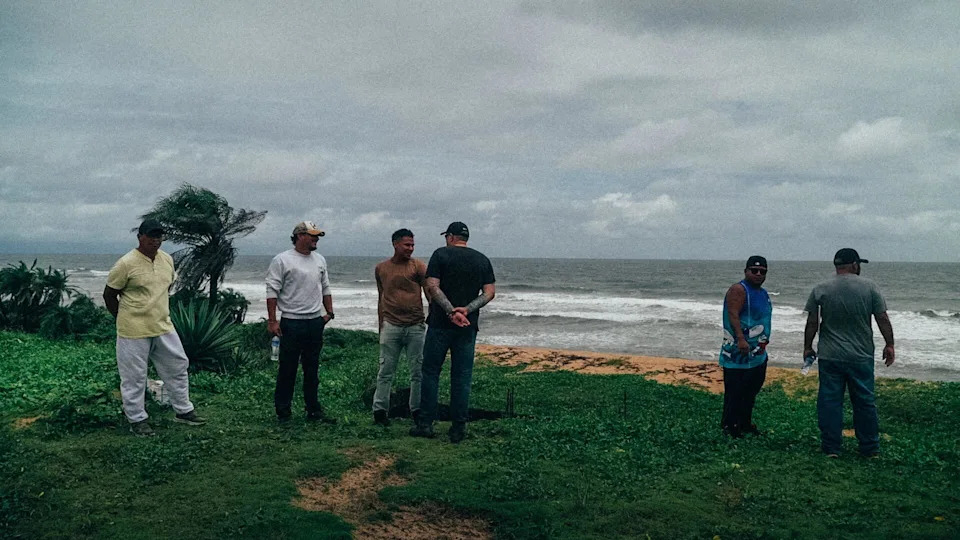
The six Latin American male deportees who agreed to talk with CBS News. / Credit: CBS News
Voices From the Hotel
"I'm concerned. I feel far away, on the other side of the world," Honduran native Elvis Rodriguez Venturas told CBS News. Rodriguez Venturas said two of his four children are U.S. citizens and his wife remains in Texas.
Brazilian Paola Ferreira Dos Santos, 21, said she only learned her destination when the deportation flight touched down in Monrovia: "I was the first to get off the plane, and they said, 'Welcome to Liberia. You're in Africa.'"
Legal and Diplomatic Context
U.S. officials say the deportation operation targets criminal offenders, but a review of passenger lists shows most of the people sent to Liberia had no criminal convictions beyond immigration violations such as unlawful entry. The Department of Homeland Security also said those in the U.S. unlawfully may choose to self‑deport and accept a $3,000 stipend the administration offered.
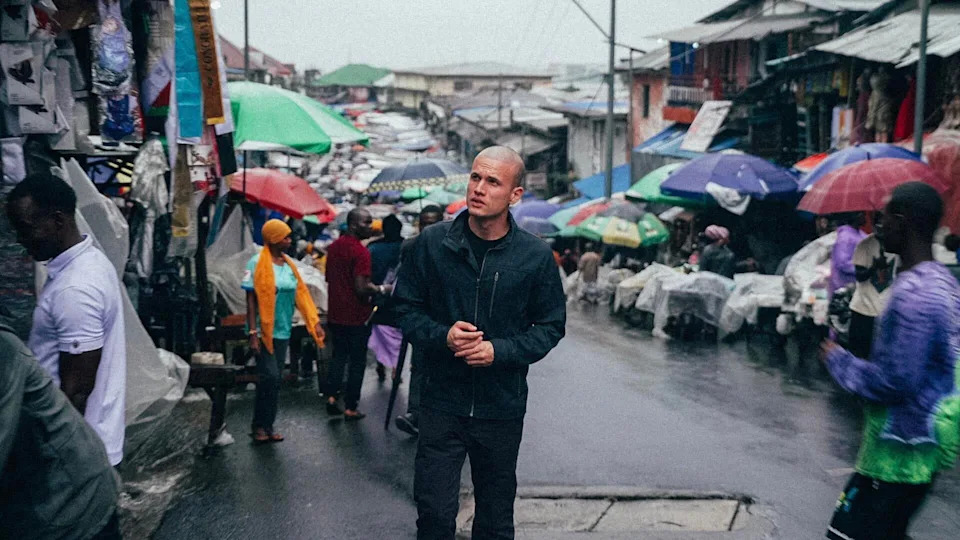
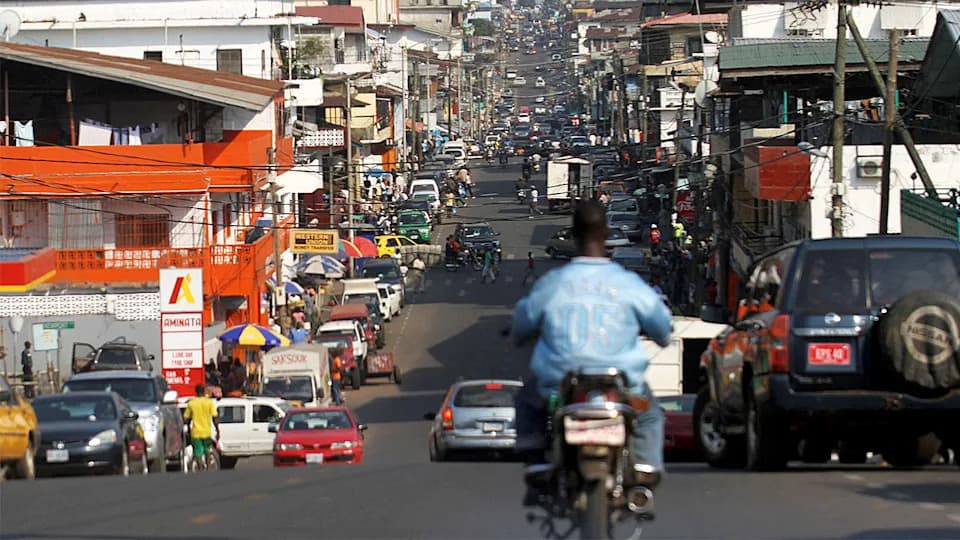
CBS News' Camilo Montoya-Galvez at the main market in Monrovia, Liberia. / Credit: CBS News
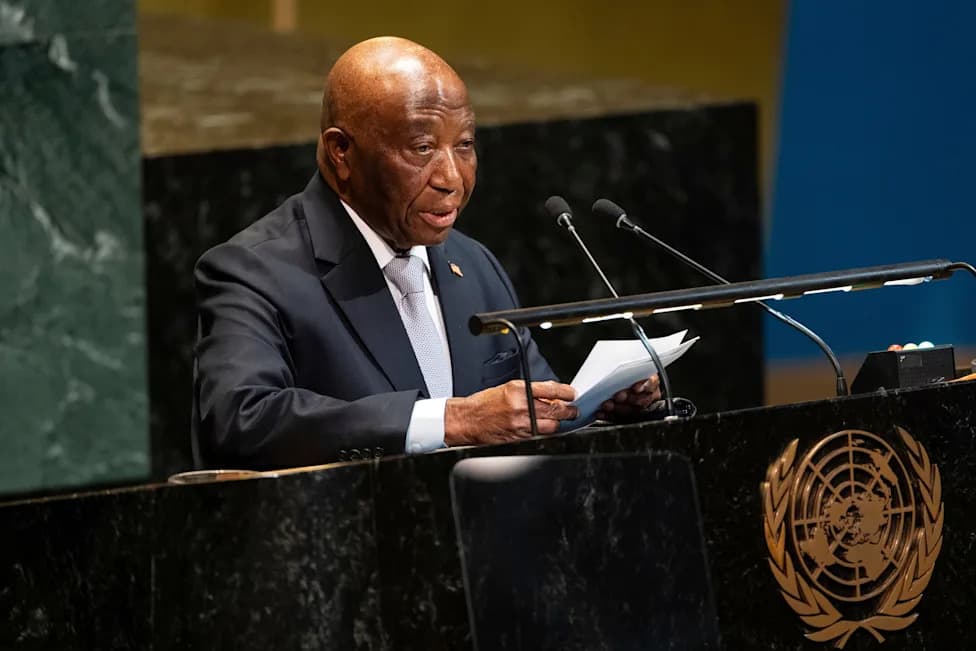
The State Department has declined to comment on the details of diplomatic arrangements that enable so‑called "third‑country" removals. More than 30 nations have agreed to accept deportees under similar arrangements, and Liberia announced it would accept up to 1,200 people under its agreement with the United States.
Local Conditions and Outlook
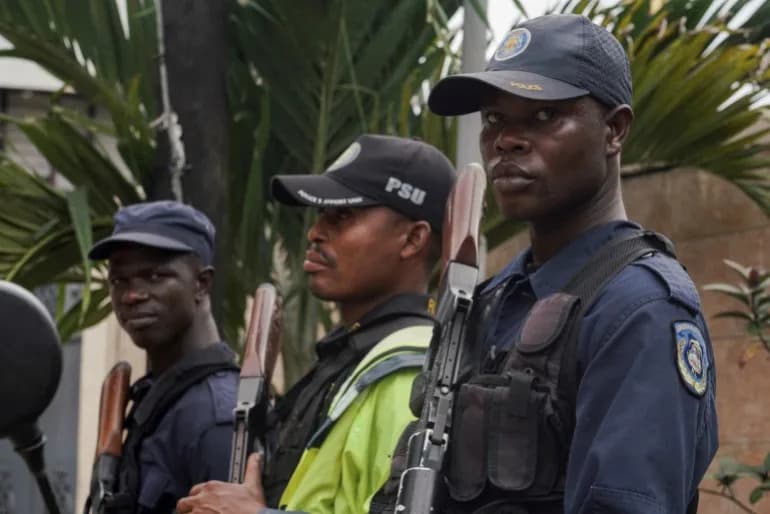
Liberia — a West African nation of just over 5 million people founded in the 19th century by freed American slaves — has not detained the deportees it received. Authorities have advised the group to remain close to their hotel for safety, and the International Organization for Migration (IOM) has provided basic supplies. Still, many deportees say they feel trapped: they lack work visas, face poverty, and do not see Liberia as a permanent home.
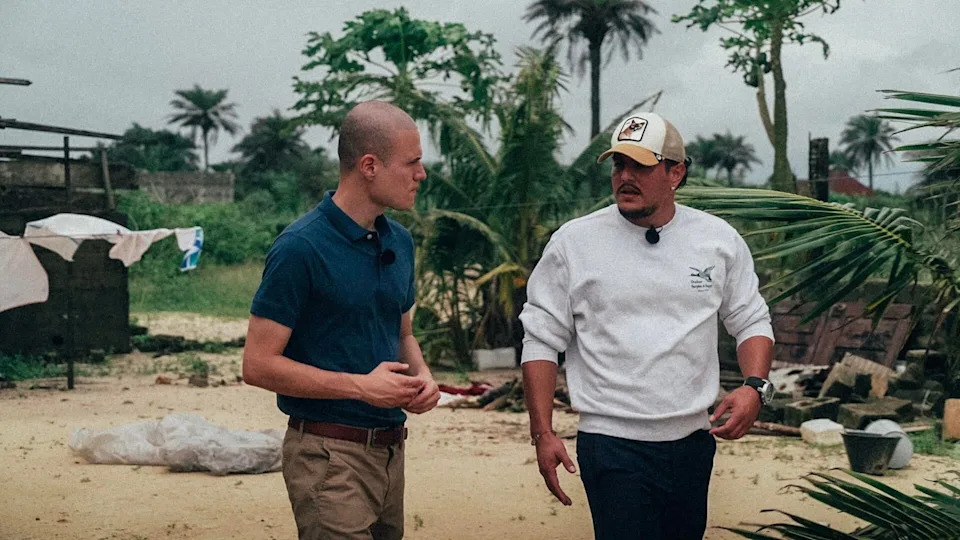
CBS News' Camilo Montoya-Galvez speaks with Venezuelan deportee Carlos Tellez Sanchez. / Credit: CBS News
Some hope another country will accept them; others contemplate risking return to their countries of origin despite potential danger. Venezuelan Carlos Tellez Sanchez, who had been working in the Dallas area, said returning to Venezuela "is not an option" because of safety concerns. Several deportees have spouses and U.S.‑born children still living in the United States.
Reporting contributions: Haitham Moussa, Jane Greely and Sam Brolan.
Help us improve.