A joint investigation finds the Trump administration deported more than 170 migrants since last year in cases that may have violated court orders and due‑process safeguards. Notable examples include Jose Ojeda Duarte, mistakenly sent to Venezuela after being detained in Chicago, and Any Lucia Lopez Belloza, who was flown to Honduras and has refused to return. Courts have ordered some returns, but many migrants decline to come back for fear of re‑detention. Lawyers and judges warn the removals reflect an aggressive enforcement posture described as "deport first, litigate later," while DHS insists it follows the law.
Report: 170+ Migrants Deported Despite Court Orders Amid Ramp-Up In Removals
Trump team has deported more than 170 migrants in violation of court orders: report
A recent investigation by Politico and reporting referenced by Reuters finds that the Trump administration has deported more than 170 migrants since last year in ways that appear to have violated court orders and legally mandated due‑process protections.
Several individual cases illustrate the problem. Jose Ojeda Duarte was picked up by ICE officers in Chicago during last fall's Operation Midway Blitz and told he was being taken to a court appearance tied to a pending asylum claim. Instead, he spent seven months in detention in Arizona and was ultimately deported to Venezuela — a removal officials later attributed to a "data quality issue." Ojeda has since been allowed to return to Chicago but says he struggles with anxiety and fears another detention.
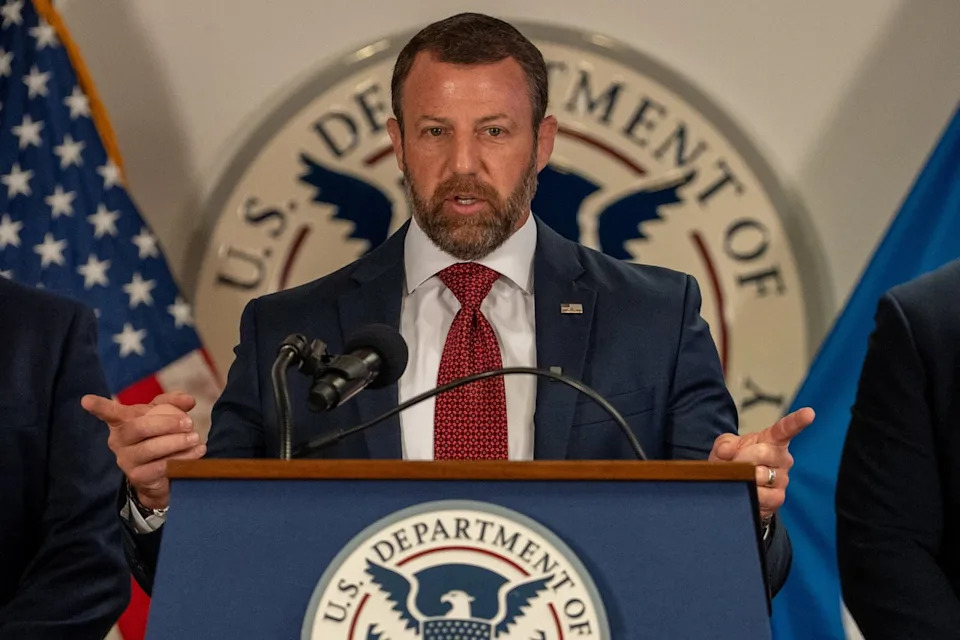
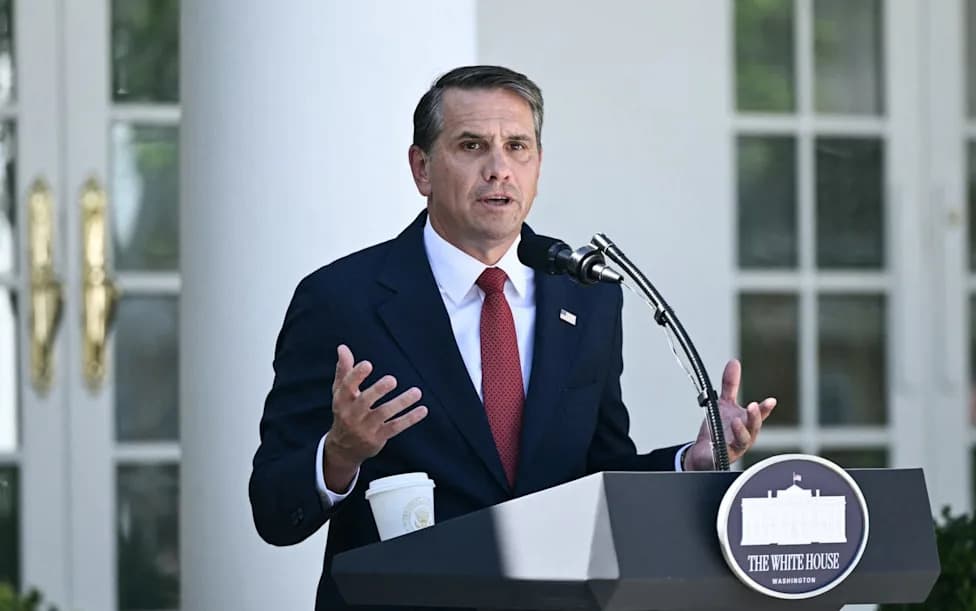
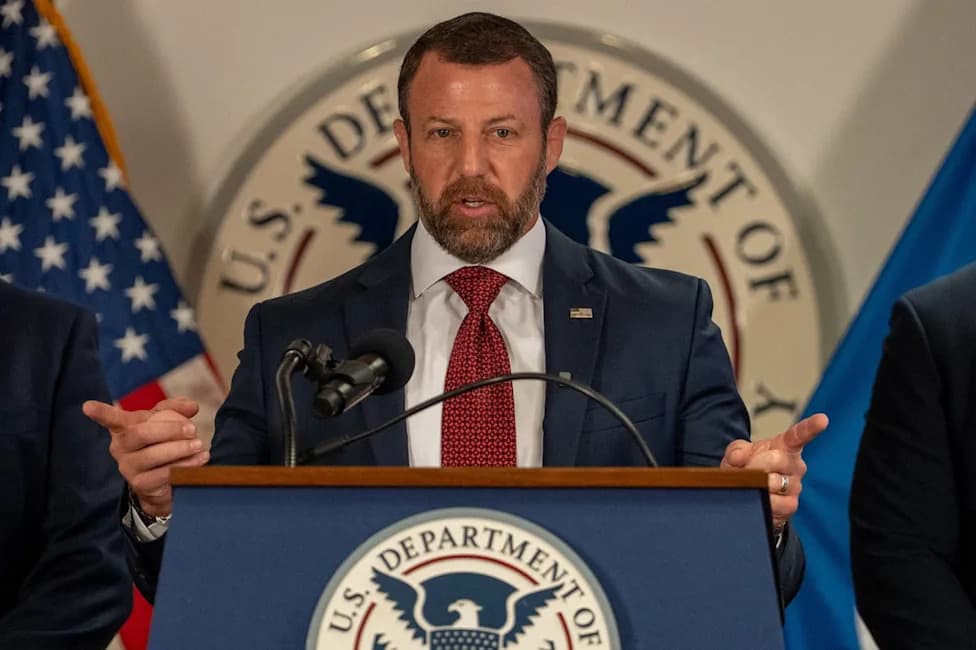
Homeland Security Secretary Markwayne Mullin's department has been accused of deporting more than 170 people in violation of court orders (Reuters)
College student Any Lucia Lopez Belloza was detained at a Massachusetts airport while traveling to a family Thanksgiving and was instead flown to Honduras, a country she had not visited since childhood. Although the administration later apologized for violating a court order in her case, she has declined offers to return to the United States out of fear of re‑detention.
Other high‑profile incidents include Kilmar Abrego Garcia, who was deported to El Salvador last year, and a woman deported to Nicaragua despite protections for survivors of domestic violence; federal courts have ordered returns in some of these cases. Lawyers representing victims say the mistakes reflect an administration eager to meet removal targets. As one attorney put it, "The machine is running at 110 percent," noting a sharp rise in illegal‑deportation cases since enforcement intensified.
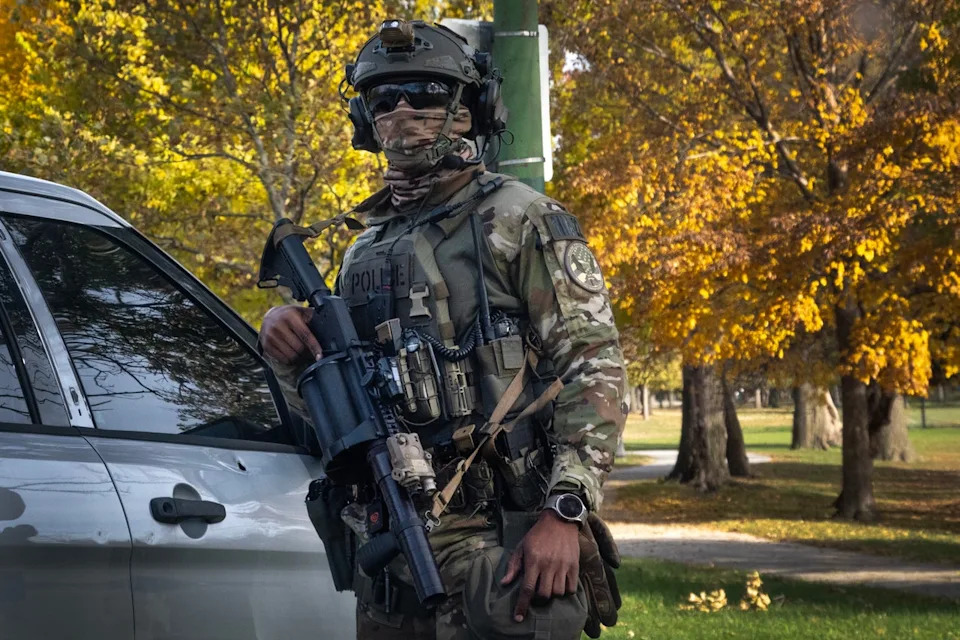
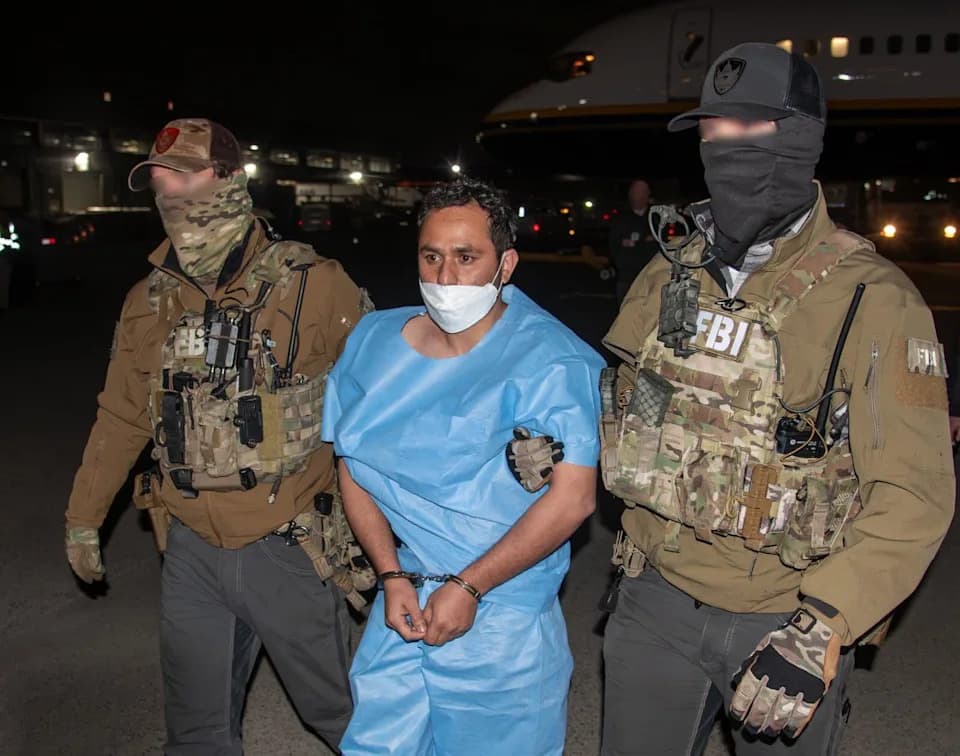
An ICE agent taking part in Operation Midway Blitz in Chicago last fall that saw thousadns of migrants deported (Getty)
DHS statement: "DHS complies with all court orders, even as radical NGOs shop for the most favorable forum and activist judges seek to thwart our work to fulfill the American people's mandate to detain and remove criminal illegal aliens. As our record in the U.S. Supreme Court demonstrates, the law is on our side. When issued a court order to return a removed alien to the United States, DHS takes every reasonable step to ensure that they are safely brought back for continued immigration proceedings and to guarantee public safety. We are a nation of laws, and we follow the law, even when activist judges warp it for political purposes. Enforcing immigration law is not optional and is essential to protecting America's national security, public safety, and economic strength. Operations are conducted lawfully within the authority granted to immigration officers under Title 8."
Judges have frequently responded to erroneous removals by ordering the government to "facilitate" the return of those removed in error. But courts' remediation efforts are complicated when migrants decline to come back because they fear further detention or persecution. Critics, including U.S. District Judge Jill Parrish of Utah, have accused the administration of adopting a "deport first, litigate later" approach.
Advocates and lawyers warn the pattern risks harming asylum seekers and other vulnerable people who may be eligible for protection, while officials argue the actions reflect lawful enforcement of immigration statutes. The Independent and other outlets have sought comment from ICE and other agencies as litigation and oversight continue.
Help us improve.