Social media posts claim a nationwide trucker strike will begin on Oct. 1 as diesel prices near $6.51 per gallon. There is little verifiable evidence of an organized, countrywide stoppage, though viral videos and posters have amplified frustration among owner-operators. Industry groups say online chatter is being monitored, but they note that fragmentation and low union density make a coordinated national strike difficult.
Oct. 1 Trucker-Strike Claims Go Viral As Diesel Tops $6.50 — What We Know
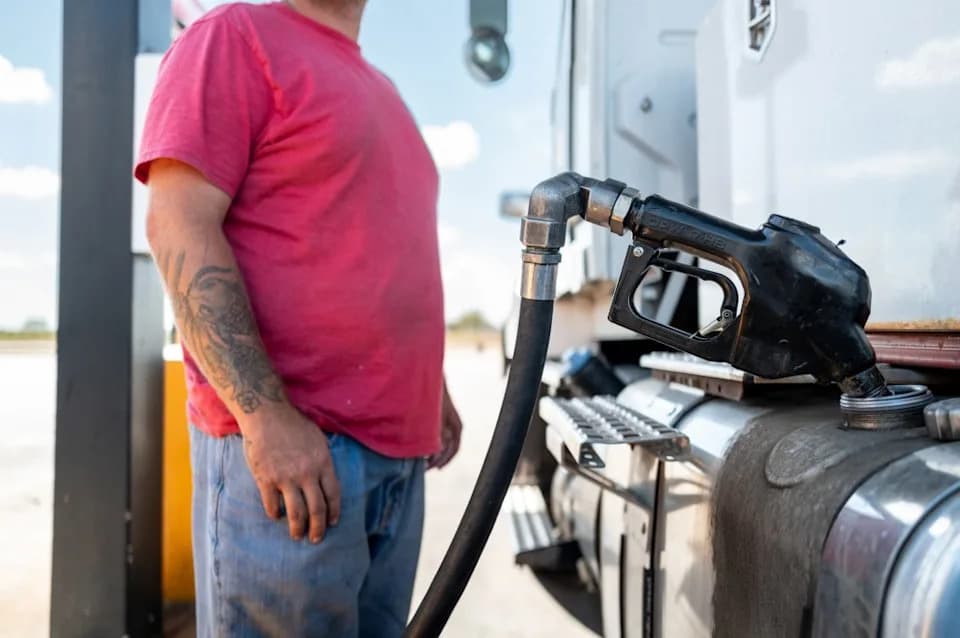
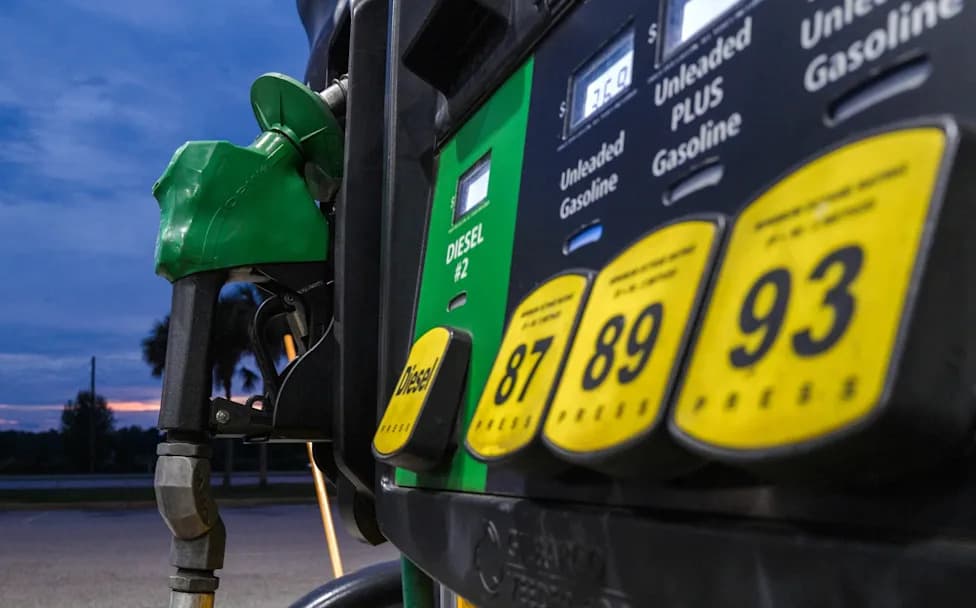
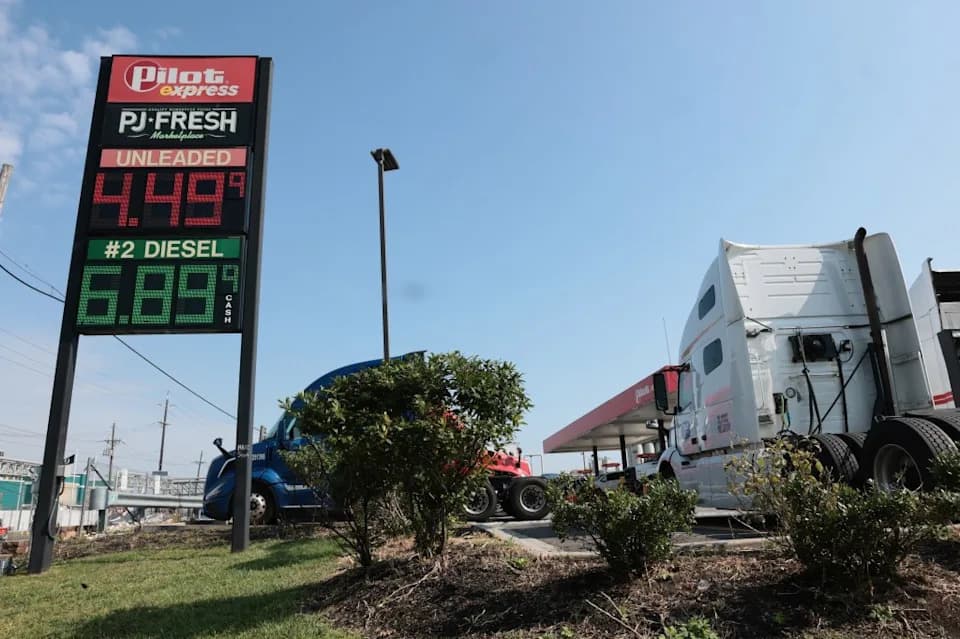
A person pumps diesel at a Pilot gas station on September 14, 2026, in Buda, Texas. Diesel prices are rising again, with the national average reaching $6.23 per gallon as of today.
Social media posts claim that U.S. truck drivers plan a nationwide strike on October 1 to protest soaring diesel prices. While the chatter has spread widely online, there is little verifiable evidence so far of an organized, countrywide stoppage.
Diesel Prices, Financial Pressure And The Spark For Rumors
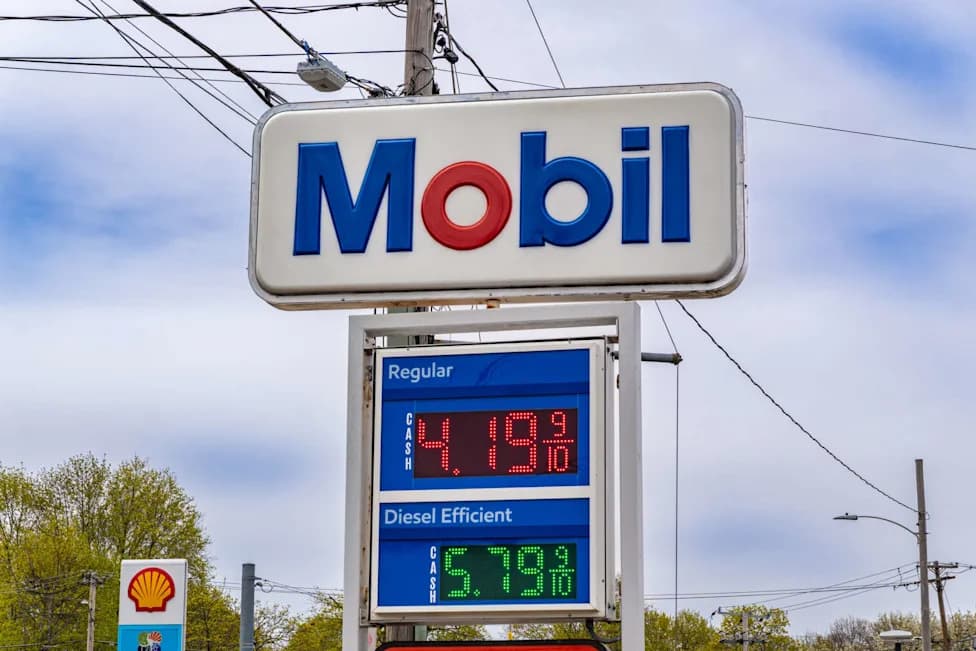
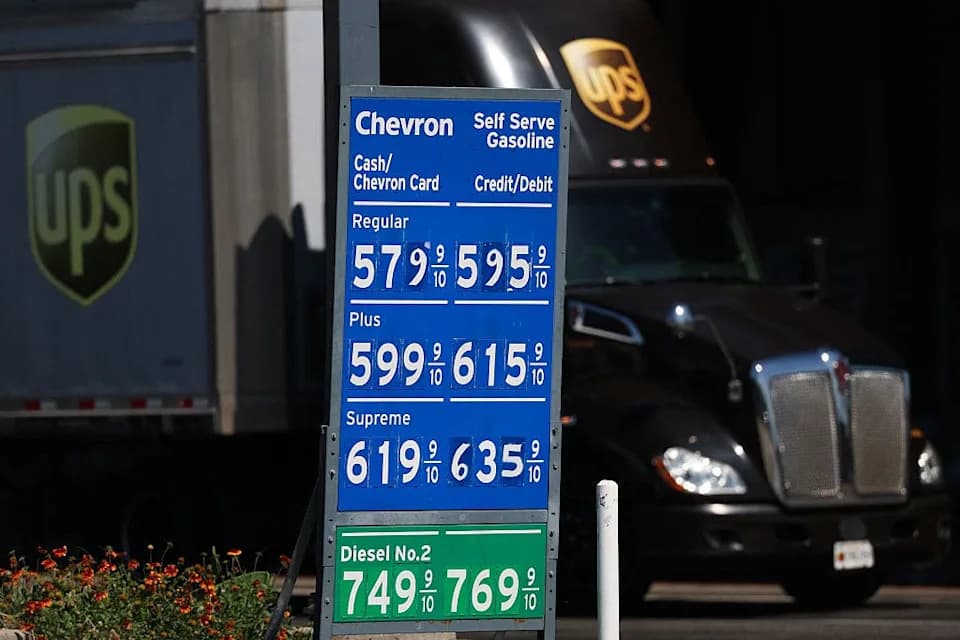
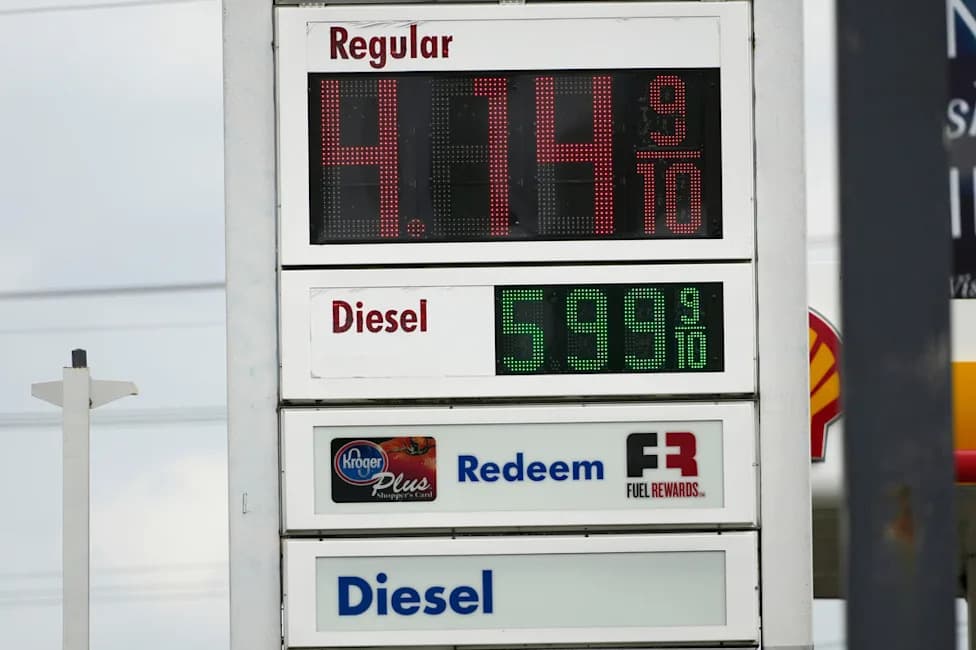
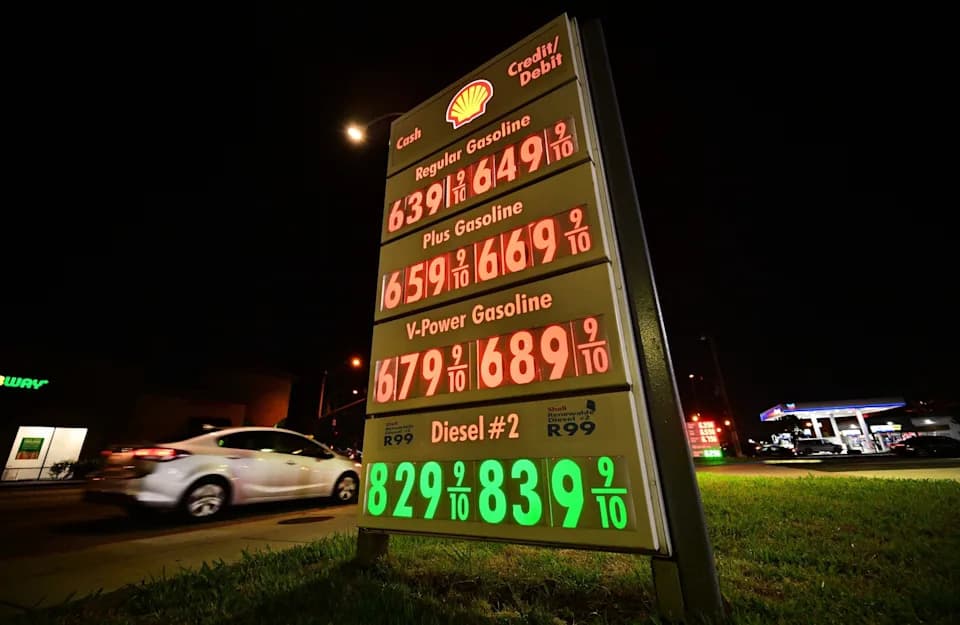
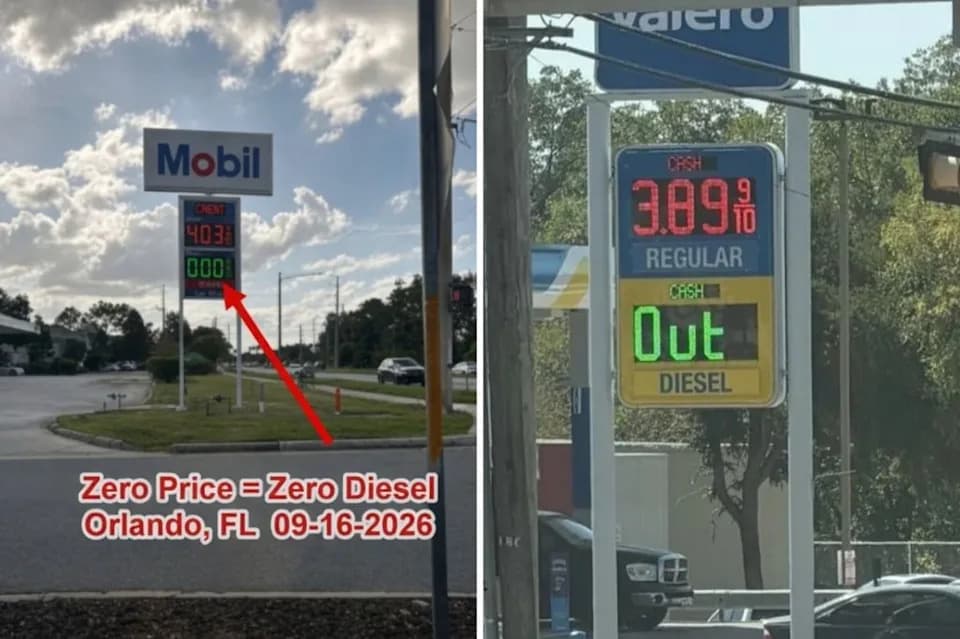
AAA data show national diesel averages near $6.51 per gallon, up sharply from roughly $5.58 a month earlier and well above last year’s average of about $3.70. Some outlets cited a slightly lower daily average (about $6.23) around the same reporting period. Analysts and industry sources link the latest spike largely to global supply disruptions tied to the conflict with Iran, which began after President Donald Trump’s actions in late February and has affected shipments through the Strait of Hormuz.
Who’s Saying What?
The Owner-Operator Independent Drivers Association (OOIDA) told Newsweek in an emailed statement that talk of a nationwide strike appears to be "limited to social media chatter" but that the group is monitoring developments. Newsweek also contacted the American Trucking Associations, the International Brotherhood of Teamsters, several industry and labor experts, and the U.S. Department of Transportation for comment.
Viral Clips, Posters And The Limits Of Verification
One widely circulated Instagram video from the account red_pill_patriot_1776 shows an unidentified man saying truckers were "done" and planning a strike until fuel costs fall; accompanying graphics called for action on October 1. Other clips — including posts on X (formerly Twitter) and compilations by outlets such as The Tennessee Holler — show men expressing frustration and appealing to President Trump to address diesel prices. Several of those videos have amassed hundreds of thousands of views, but Newsweek could not independently verify the identities of the people shown or confirm that all are truck drivers.
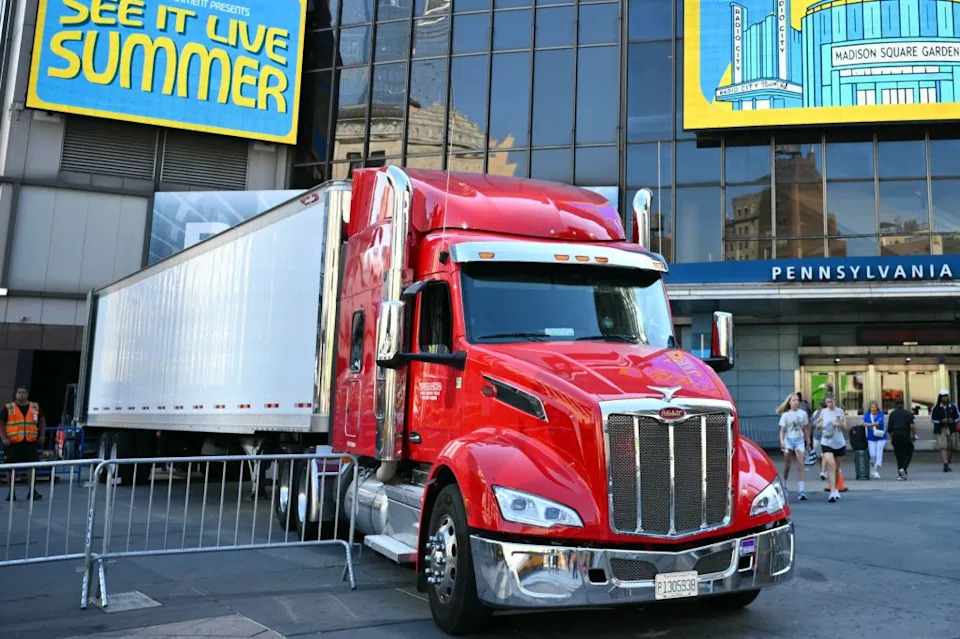
A semi-truck parked outside Madison Square Garden in July, 2026. A trucker strike over rising diesel prices has been proposed on social media.
"Small business truckers make up more than 90% of the trucking companies in America, and they are the first to feel it when prices jump," OOIDA said, adding that many owner-operators work "load-to-load" and "can't simply raise their rates when fuel spikes the way their larger competitors can."
Real Economic Strain — But Coordination Is Hard
Owner-operators and drivers interviewed by various outlets describe steep cost increases. One trucker told the pro-labor outlet More Perfect Union that with a 200-gallon tank at $6 per gallon, a single fill-up can cost about $1,200, squeezing already thin margins.
Still, experts note structural barriers to a unified, nationwide stoppage. The trucking industry is highly fragmented: the Teamsters once represented more than 60% of drivers in the 1970s but fell below 20% by 2001, according to labor scholar Michael Belzer. Deregulation and the growth of smaller, nonunion carriers reduced union density and centralized bargaining power. The American Trucking Associations reported in 2025 that more than 350,000 truckers work as independent contractors, making coordinated national action logistically difficult.
Historical Context
Large-scale trucker protests are not unprecedented: similar demonstrations occurred after the 1979 oil shock. But the industry’s current fragmentation, low unionization and the prevalence of owner-operators mean a repeat of that era’s nationwide, union-led action is less likely.
Bottom Line
At present, the October 1 strike claim remains largely unverified and appears to be driven by social media amplification. That amplification, however, can inspire real-world action — and many owner-operators are facing genuine financial pressure from record diesel prices. Observers will be watching for any local walkouts or organized efforts that move beyond online posts.
This article is based on reporting by Newsweek journalists, public statements from industry groups, interviews documented by independent outlets and data from AAA. Newsweek used its AI research assistant, Martyn, to help produce the story.
Help us improve.