While incarcerated in Texas, Kwaneta Harris realized in her late 40s that many baffling symptoms were linked to menopause. After dismissive medical care and long delays obtaining hormone replacement therapy, she began teaching other women in her facility using drawings, tips and makeshift materials. Harris now writes for national outlets, advises prison-focused programs and advocates for clearer policies, staff training and peer education to improve menopause care behind bars.
In Texas Prison, Kwaneta Harris Built a Menopause Support Network From Scraps
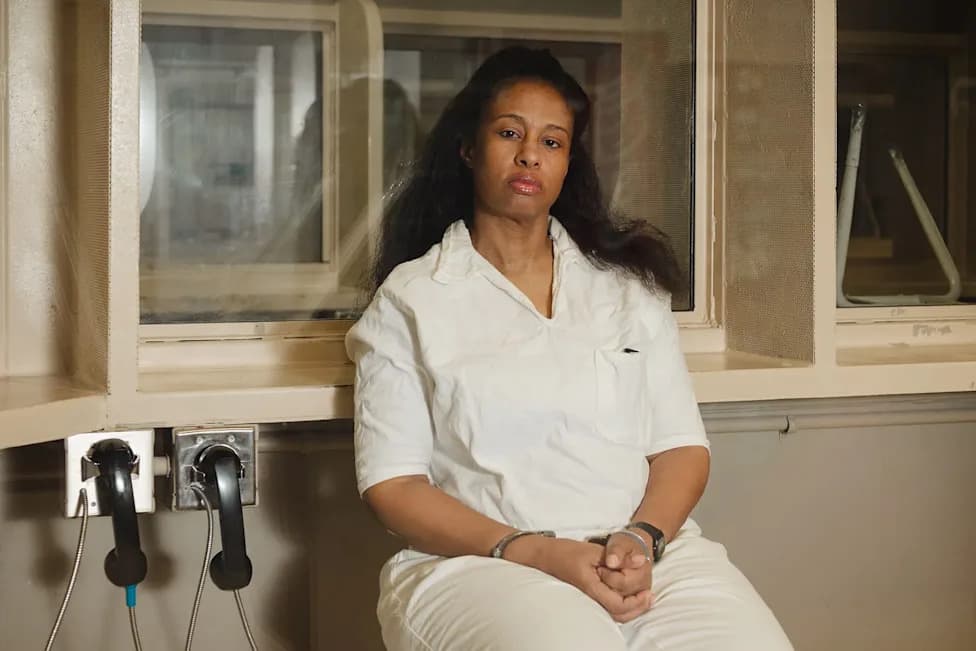
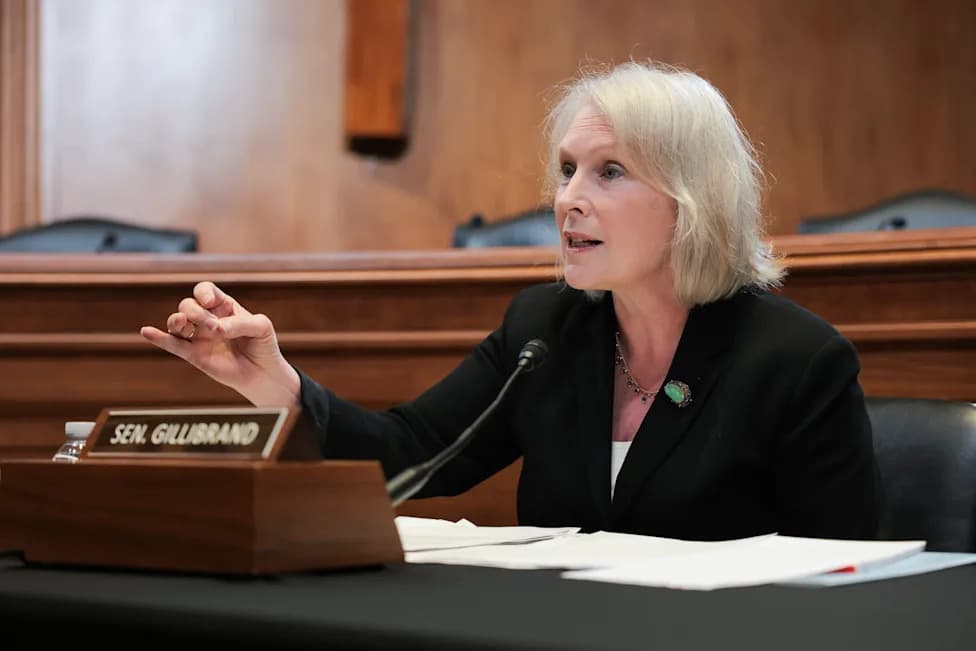
Since 2022, Harris has built community with women in her facility, written articles for national news outlets and advised organizations on bringing menopause education to prisons.(Ariana Gomez)
For years, Kwaneta Harris heard little about menopause — not in nursing school, not during a decade in health care, and not from older relatives. Her real education arrived in her late 40s while she was incarcerated in a Texas state prison, when a cascade of confusing symptoms — shoulder pain, memory lapses, heart palpitations, thinning hair and mood swings — upended her life.
From Confusion to Recognition
After repeated specialist visits that cost $13.55 each and often required an hours‑long bus trip to Galveston, Harris still lacked answers. She only began to connect the symptoms to menopause after hearing a neuroscientist on NPR explain that many menopausal changes (hot flashes, insomnia, memory problems, anxiety) originate in the brain as well as the body. "It was like clicking a puzzle again," she told The 19th. "It was so relieving because I really thought I was losing my mind."
Barriers In Prison Health Care
When Harris brought her concerns to prison medical staff, she says they were often dismissed and treated without urgency. It took two years of repeated requests for clinicians before she was prescribed Premarin, an estrogen-based hormone replacement therapy (HRT). Each refill became another battle; she reports waiting since 2024 for new HRT medication. Harris also described encountering gynecologists who were older men and uncomfortable discussing female anatomy, a dynamic she says undermined trust and access to care.
"This isn't something we have to suffer in silence about," Harris said, explaining why she began teaching other incarcerated people about menopause.
Peer Education: Lessons From Scraps Of Paper
Faced with limited institutional support, Harris and other women created informal educational networks. Using scraps of paper, drawings on walls, magazine clippings and a secretly circulated book, they exchanged practical advice: keep extra pads and tampons (hormonal changes can bring heavy bleeding and clots), use cold washcloths during hot flashes, and try grounding or visualization techniques to manage anxiety and insomnia. Harris sketched anatomical diagrams and created makeshift bookmarks to share symptoms and coping strategies — items that staff sometimes confiscated.
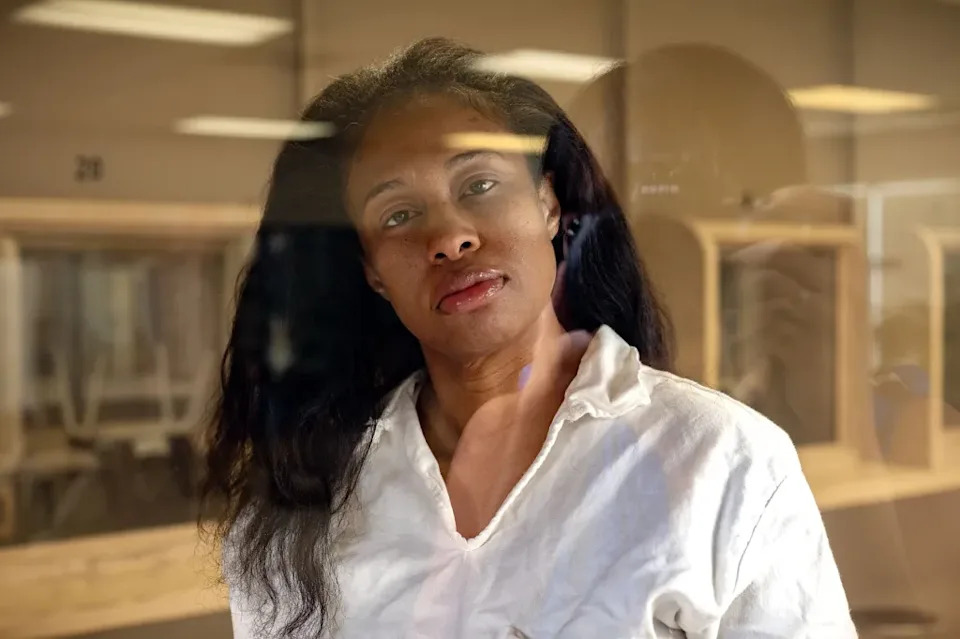
Harris said she had to push the prison medical staff for two years before she received a prescription for Premarin, an estrogen medication used to treat menopause symptoms. And each refill requires an additional fight.
Systemic Gaps And Advocacy
Harris’s experience reflects broader gaps in prison health policy. The Prison Policy Initiative reviewed publicly available policies from all 50 states and D.C. and found only five states include specific mentions of menopause in corrections health materials — and even those do not clearly define the medical care, education or resources provided. Meanwhile, the share of women over 50 in U.S. state and federal prisons rose from 8% in 2008 to 18% in 2023, intensifying the need for targeted services.
Outside the prison, Harris has amplified her work: she writes for national outlets, maintains a Substack, collaborated on a practical guide for incarcerated people with The Marshall Project, and serves on the advisory board of the Menopause Project. The Menopause Project, launched by Impact Justice, developed an accessible curriculum (pamphlets and videos), held town halls that reached more than 600 incarcerated women in two California facilities, and provided training to prison medical staff. Impact Justice is working to expand the program to other states, though Harris says progress in Texas has been slow; the guide she helped assemble has not yet been distributed inside her facility.
What Needs To Change
Experts note limited academic research on incarcerated women’s menopause experiences, and surveys suggest menopause education is not widely integrated into medical training — a 2022 survey of obstetrics and gynecology residency program directors found only 31% of respondents reported a menopause curriculum. Advocates call for clear correctional policies, staff training, routine screening, timely access to HRT and nonhormonal treatments, and support for peer‑led education so incarcerated people receive compassionate, informed care.
Harris remains clear about the goal: to replace silence and dismissal with knowledge, mutual support and better care. "We have to teach each other," she said. "There is nobody else to teach us."
Help us improve.