Erin Brockovich — the consumer and environmental campaigner whose investigation into chromium contamination in Hinkley, California, led to a landmark $333 million settlement and inspired the Oscar-winning film Erin Brockovich — is now focusing on the fast-growing network of artificial intelligence data centres across the United States.
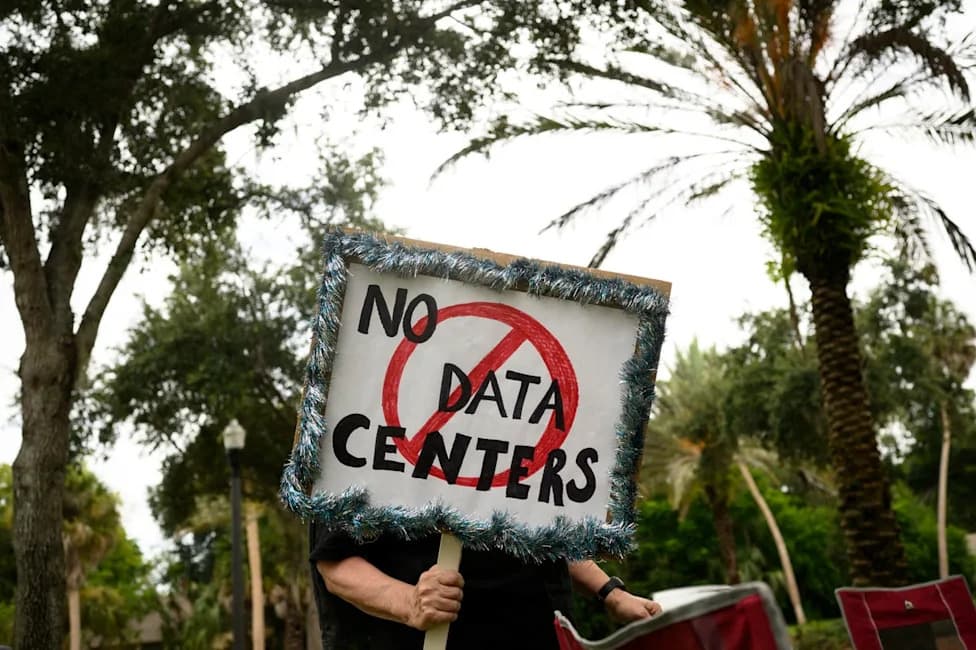
Brockovich has warned that the expansion of large-scale data facilities by tech giants such as Meta, Google and Microsoft is proceeding in a "rapid and opaque" manner, often with limited environmental review and little local input. Her concerns center on heavy demands these centres place on local resources, especially water, and on approvals that may bypass democratic oversight.
In April, she posted a call on her website asking anyone worried about a nearby AI data centre to get in touch. By May, 3,862 people had responded. Brockovich then compiled a public map highlighting significant AI data centres that are operational, under construction or proposed, together with locations flagged by residents.
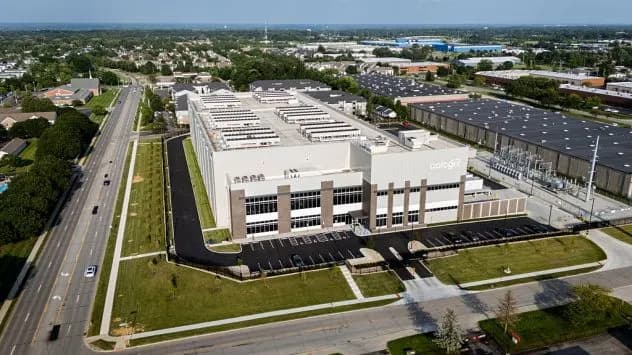
According to the map's data as of June, 33 centres were operational, 68 were under construction and 41 were proposed. In a notable development, Utah approved a centre in May described in coverage as roughly twice the size of Manhattan. Brockovich told The Guardian the expansion "feels like Hinkley on steroids." She argues that communities deserve thorough environmental assessments and meaningful consultation before major projects proceed.
"You're up against forces that have all the money and all the intelligence and all the bandwidth in the world," Brockovich said — but she also made clear she intends to press the issue and support affected communities.
Her public campaign calls for a case-by-case moratorium on new approvals until independent environmental and community impact studies are completed and made public. Brockovich is urging regulators, local officials and residents to demand transparency, better water-management plans and stronger community engagement from developers building AI infrastructure.
Why it matters: Even if these facilities promise economic gains, their scale and resource consumption can reshape local environments and services. Brockovich’s campaign aims to ensure that growth does not come at the cost of public health, local resources or democratic processes.
How to follow or contribute: Residents concerned about a local data centre can contact Brockovich through her website and consult the publicly shared map to see whether their community is listed.