Construction crews in Oceanside uncovered fossilized bones about 12–15 feet beneath the Santiago Formation that date to roughly 40–45 million years ago. Paleontologist Dr. Joseph El Adli says the remains may belong to either a brontothere ("thunder beast") or an amynodont ("swamp rhino"). The team spent more than seven days excavating the specimen from hardened rock and encased it in a plaster jacket for transport and lab conservation. After preparation, the fossils are expected to join a museum collection for further study and public display.
Remarkable Eocene Mammal Fossils Unearthed in Oceanside — Possible 'Thunder Beast' or 'Swamp Rhino'
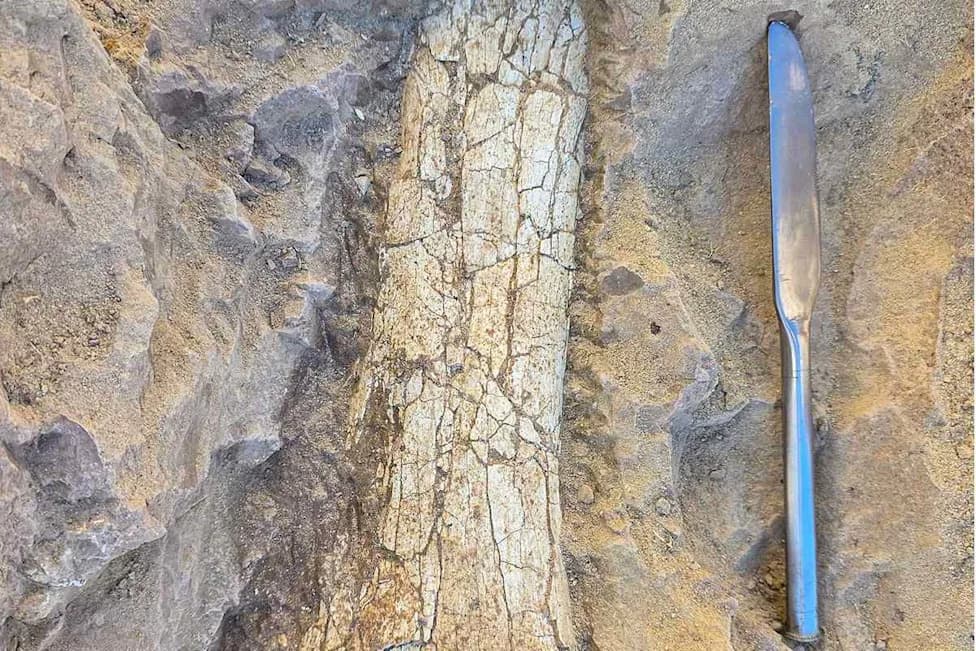
Fossil found at Oceanside construction siteCredit: City of Oceanside/Facebook
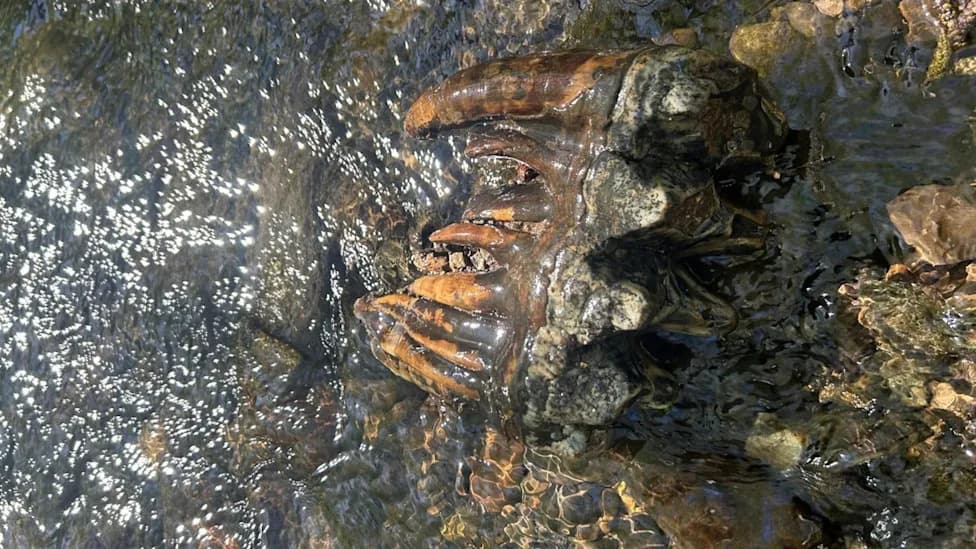
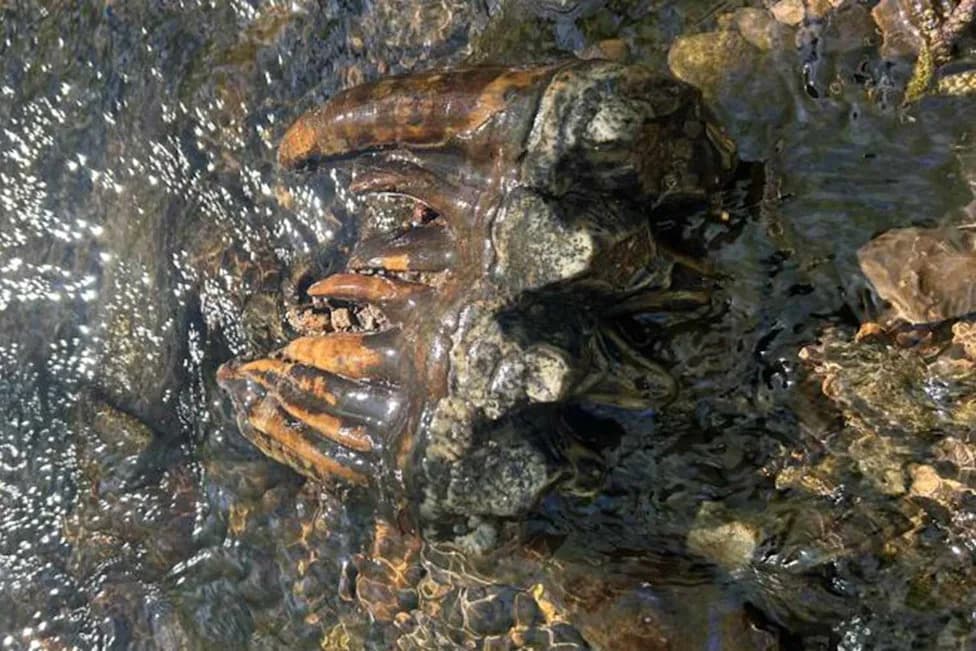
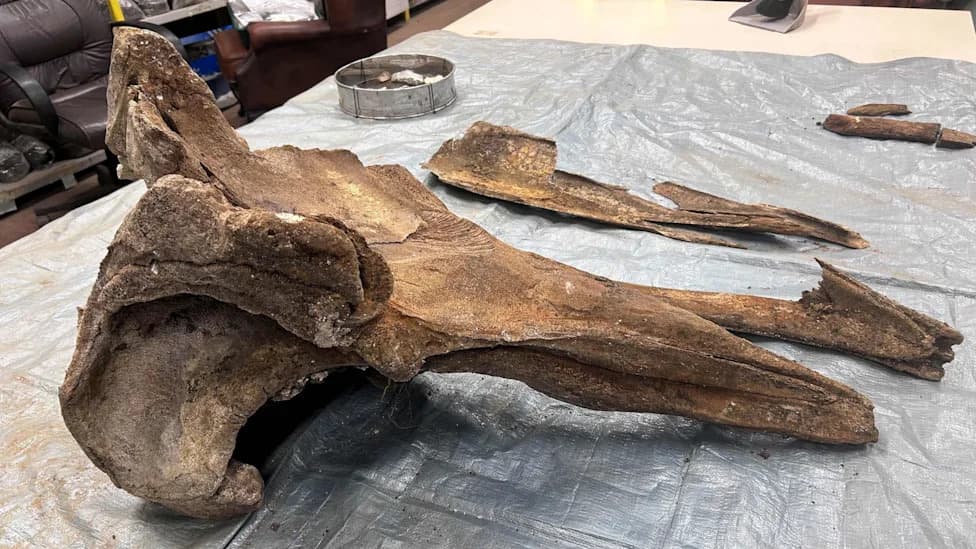
Construction work in Oceanside, California, revealed the fossilized remains of a large, hoofed mammal that lived during the Eocene Epoch roughly 40–45 million years ago. The specimen was discovered within the Santiago Formation, with elements located about 12 feet below the surface (some fragments were reported near 15 feet down).
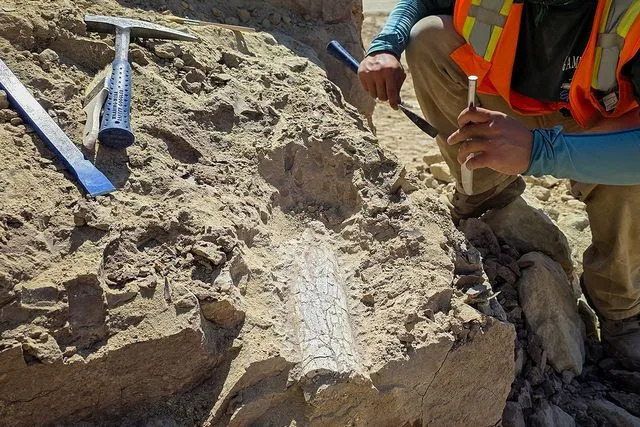
Fossils found at Oceanside construction siteCredit: City of Oceanside/Facebook
Field Identification: After an initial on-site assessment, paleontologist Dr. Joseph El Adli determined the bones most likely belong to one of two extinct groups: a brontothere (often called a "thunder beast") or an amynodont (commonly nicknamed a "swamp rhino").
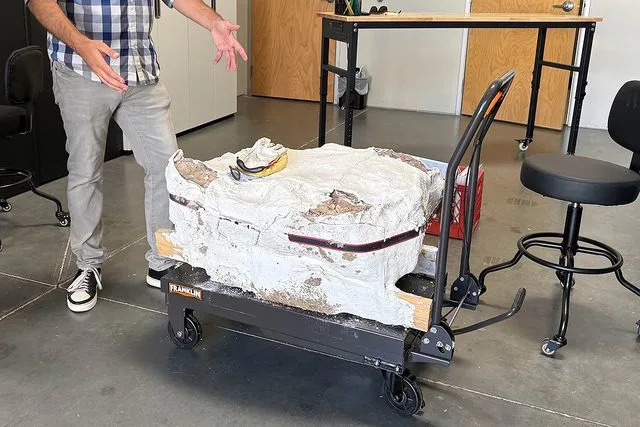
Fossils at Oceanside construction siteCredit: City of Oceanside/Facebook
What These Animals Were Like: Brontotheres were very large, terrestrial herbivores noted for their deep chests, pronounced shoulder humps and a distinctive Y-shaped bony horn on the nose. They browsed on soft leaves in forested habitats. Amynodonts were a different lineage of heavy-bodied herbivores with hornless faces, broad flattened skulls, tusk-like canines and short legs; some species are interpreted as semi-aquatic, spending much time in marshy or riparian environments.
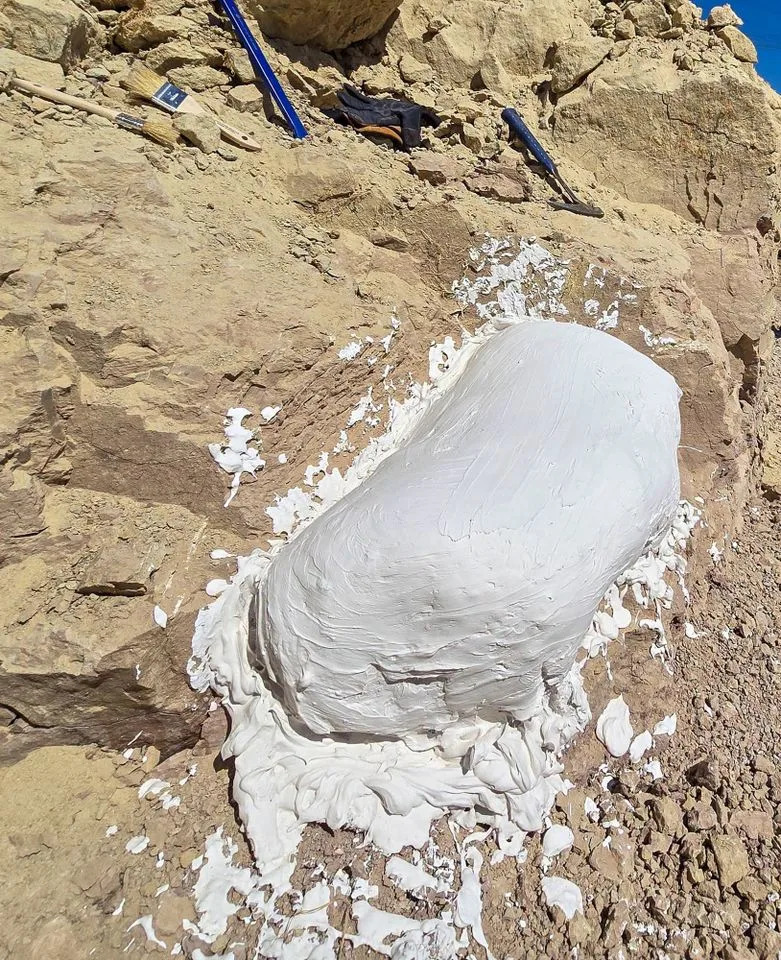
Fossils found at Oceanside construction siteCredit: City of Oceanside/Facebook
Excavation and Conservation: According to the City of Oceanside and local reporting, El Adli and his team spent more than seven days carefully exposing the fossil material from beneath several tons of hardened mudstone and sandstone. The exposed bones were stabilized in the field by encasing them in a plaster field jacket to protect them during transport to an off-site laboratory.
At the lab, technicians will remove the plaster jacket, consolidate fragile bone with museum-grade adhesives and complete preparation. Once fully stabilized, the specimens are expected to enter a museum collection for long-term preservation, scientific study and public display.
Significance: Finds like this illuminate regional ecosystems from the Eocene and help paleontologists refine our understanding of North American mammal evolution and habitat change tens of millions of years ago. The identification as either a brontothere or an amynodont will depend on further preparation and detailed study of the bones.
"I found this thing within five minutes of showing up," Dr. El Adli told The San Diego Union-Tribune, describing how he first noticed bone protruding from a side wall at the site.
Help us improve.