Researchers observed Mount Elgon cave elephants in western Kenya preparing targeted medicinal mixtures from at least 35 plant species and administering them—often mixed with breast milk—to calves. The BNITM-led study, published in Nature, is the first to document a non-human species preparing and giving medicines to conspecifics. The findings align with Indigenous traditional remedies, involve soils and clays as complementary resources, and underscore urgent conservation concerns as lab tests of the plants proceed.
Elephants Prepare and Administer Medicinal Mixtures to Their Young, Study Finds
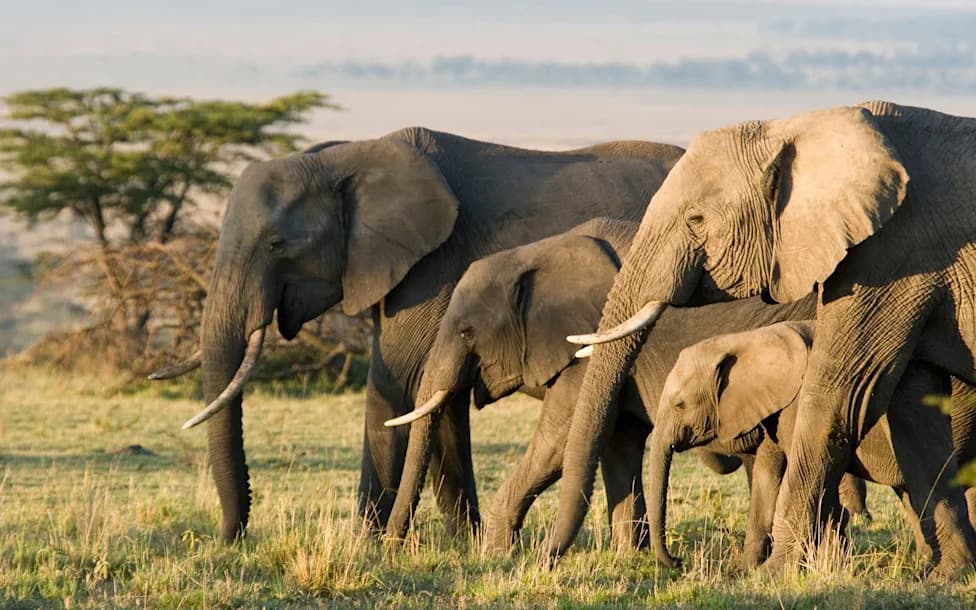
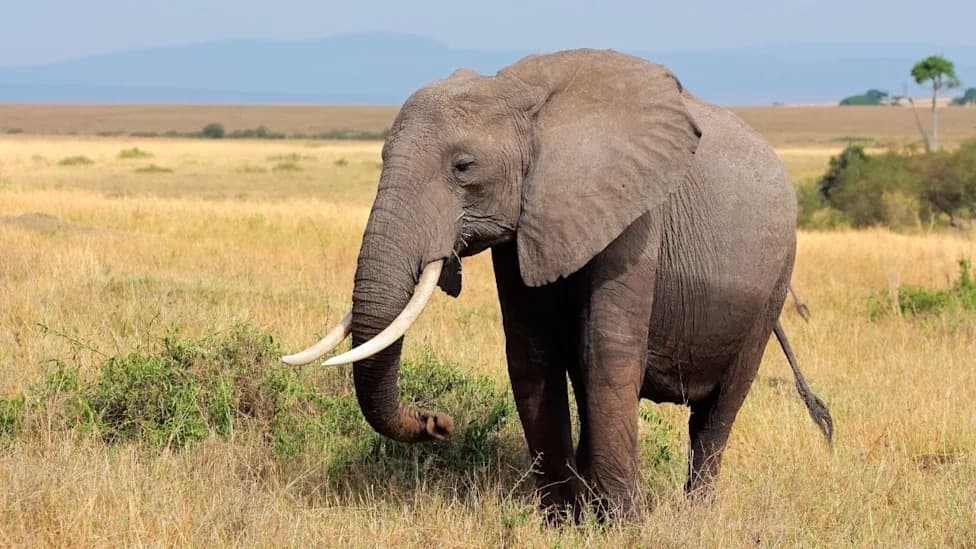
In some cases, mother elephants were seen to create a medicine by mixing specific roots and leaves with breast milk - Andrew Linscott/E+
New field research shows Mount Elgon elephants deliberately prepare targeted medicinal mixtures and give them to calves. Observers reported mothers chewing specific combinations of roots and leaves, then mixing the plant mash with breast milk before administering it to their young.
The study, led by researchers at the Bernard Nocht Institute for Tropical Medicine (BNITM) in Hamburg and published in Nature, documents for the first time a non-human species both preparing and administering medicinal preparations to other members of its group.
What Researchers Observed
Field reports from local scouts, National Park rangers and community elders working with the Mount Elgon Foundation identified at least 35 plant species the elephants use for therapeutic purposes. In several cases, visibly sick adults were seen seeking out particular plants, and mothers were observed creating plant mixtures that they then mixed with breast milk and offered to calves.
In addition to botanical remedies, the team recorded use of four types of soils, minerals or clays as part of the elephants' health-related foraging.
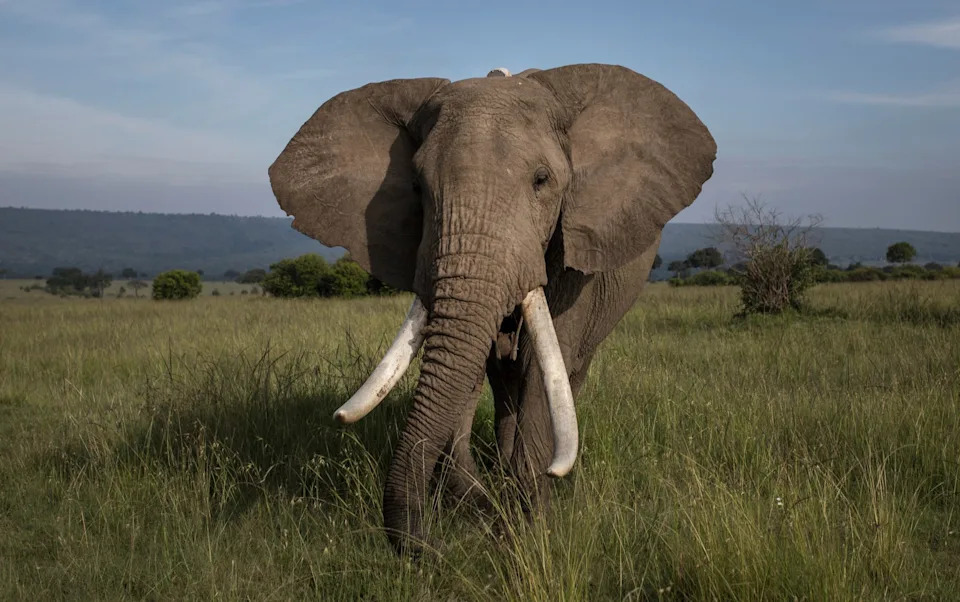
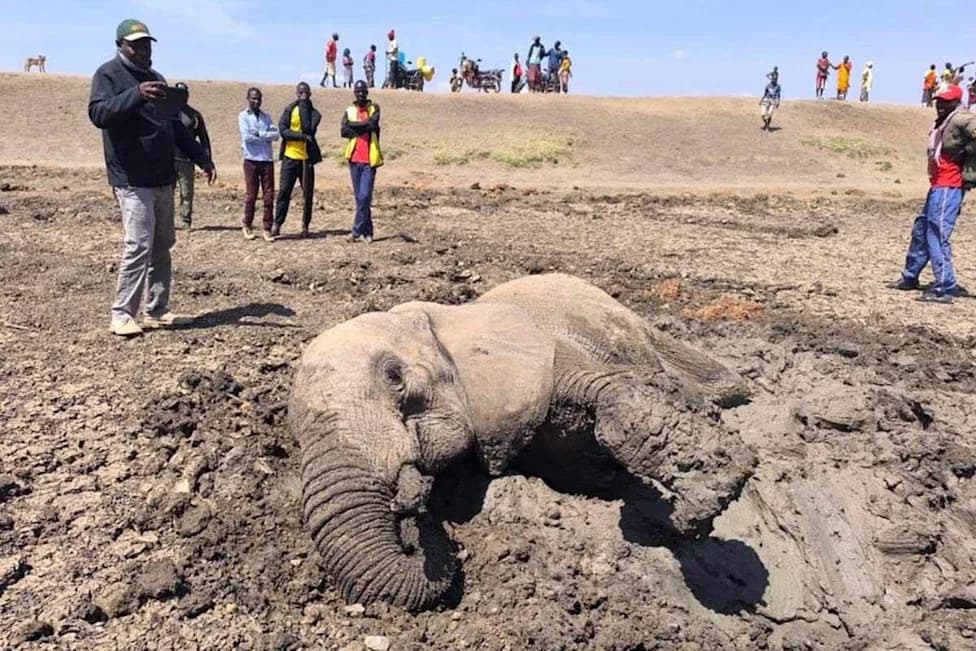
The findings reveal a level of sophisticated self-medication among animals not previously documented - Siegfried Modola/Getty Images
"These first-hand reports suggest elephants may intentionally seek out medicinal plants, indicating targeted rather than random foraging behaviour," the paper notes.
Context And Evidence
Many plant species reported in the study overlap with Indigenous traditional medicines and have documented antibacterial, anti-inflammatory or antiparasitic properties. The authors also reference earlier observations — for example, pregnant elephants eating Boraginaceae leaves to assist delivery, a practice mirrored by some local women — and a 2025 Gabon study that linked parasite burdens with targeted plant consumption among forest elephants.
Implications
The researchers suggest these behaviours indicate a more complex medicinal repertoire and sophisticated ecological knowledge than previously recognised. The findings raise conservation concerns: habitat loss could limit access to critical medicinal resources. Laboratory analyses are now under way to determine the plants' precise pharmacological properties.
Christopher Powles, Chair of the Mount Elgon Foundation, who helped identify the traditional knowledge documented in the study, commented that the results add to evidence of exceptional cultural behaviours among Mount Elgon's elephants and raise the possibility that medicinal knowledge is socially transmitted across generations.
Study lead: Dr Fabien Schultz (BNITM). Published in Nature. Field partners included local scouts, park rangers, community elders and the Mount Elgon Foundation.
Help us improve.