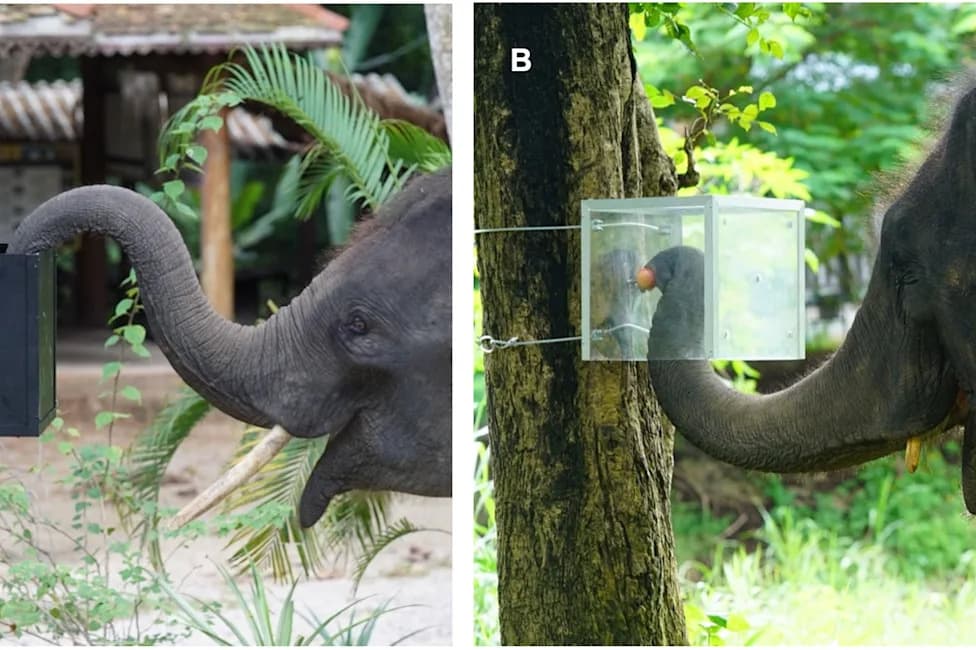
Researchers led by Joshua Plotnik tested 16 Asian elephants in Thailand using a transparent fruit box whose opening was rotated after the animals learned to retrieve food through a side access. Most elephants suppressed the learned, now-ineffective response and adapted to the new opening, demonstrating inhibitory control. Older elephants adjusted more slowly. Published in PLOS One, the study suggests these cognitive skills can help explain elephant behavior in changing, human-dominated environments and inform conservation strategies.
How a Rotated Fruit Box Revealed Asian Elephants’ Impressive Self-Control
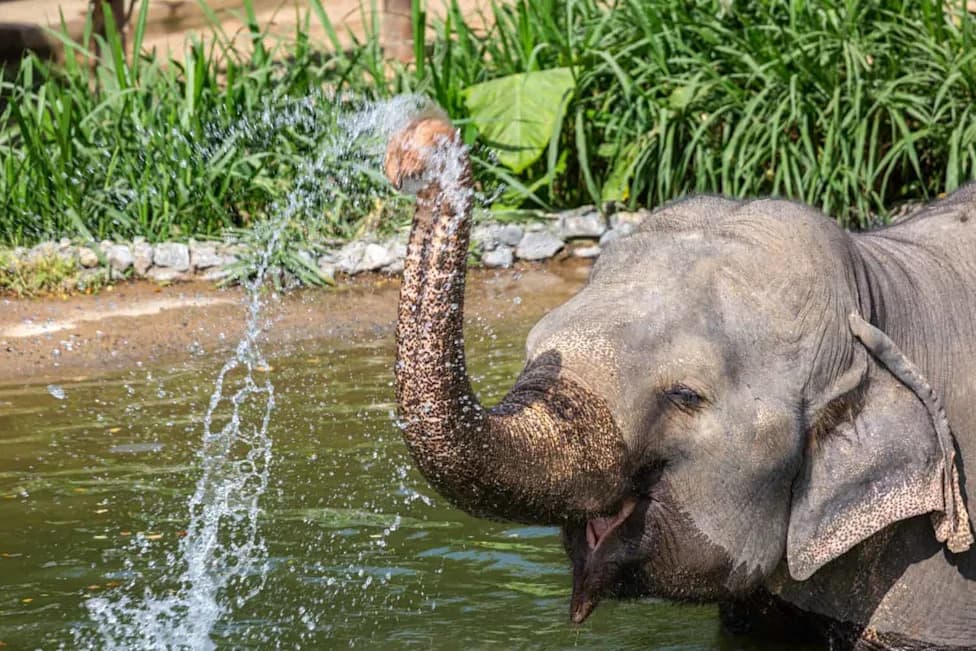
Elephant spraying water cooling off on a hot day, Image shows a rescued female Asian elephant at the elephant kingdom sanctuary using her trunk to cover herself in water to cool down on a hot day© JW.photography31/Shutterstock.com
Researchers from the CUNY Graduate Center and Hunter College have produced new experimental evidence that Asian elephants can suppress impulsive actions and revise behavior when circumstances change. The findings, led by elephant cognition researcher Joshua Plotnik and published in PLOS One, reveal a form of inhibitory control that may help explain how elephants navigate dynamic, human-dominated landscapes.
Study Design and Methods
Plotnik and colleagues tested 16 Asian elephants at the National Elephant Institute in Thailand using a transparent box that contained fruit. The box allowed the elephants to see and smell the reward but blocked direct access: the opening was positioned on the side. Over repeated trials the elephants learned to avoid reaching directly for the visible food and instead retrieve it through the side opening.
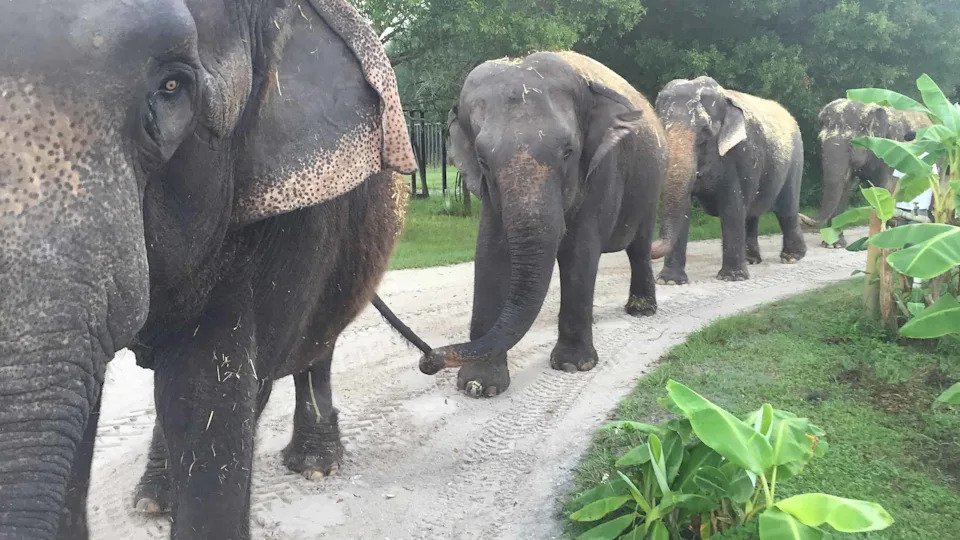
Asian elephants have the largest brains of any living land mammal, leading to profound displays of intelligence, compassion, and social cohesion.©ElephantErik/Shutterstock.com
What Changed — And What the Elephants Did
After the elephants learned the side-access technique, researchers rotated the box so the opening moved to a new position. At first, many elephants reached toward the previous opening out of habit. Most animals, however, quickly suppressed that impulse and redirected their actions to use the new opening to obtain the fruit. This shift demonstrates inhibitory control: withholding a previously successful but now ineffective response and selecting an alternative action.
Age Effects and Variability
The team observed age-related differences: older elephants generally took longer to adjust to the rotated opening. The authors note that this could reflect age-related changes in cognitive flexibility, stronger habit formation, or other factors, and that additional testing is needed to clarify the cause.
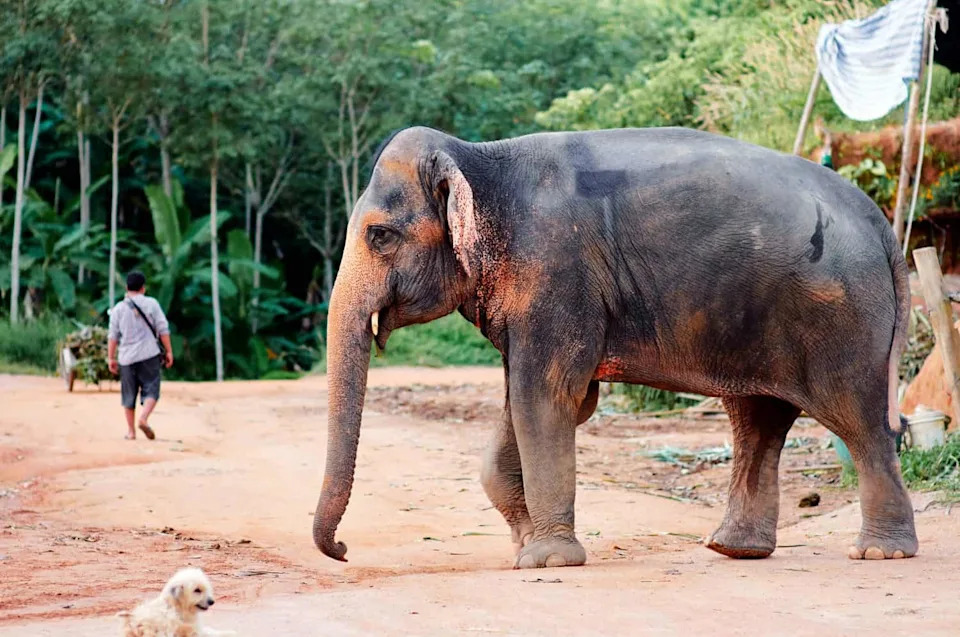
Research like this could help inform conservation strategies centered on reducing elephant-human conflict.©kudla/Shutterstock.com
“We found that, when elephants were faced with a situation in which they needed to suppress an impulsive behavior ... they were generally able to suppress the impulse,”
— coauthor Sydney Hopetold.
Implications for Conservation and Human–Elephant Coexistence
Understanding elephant decision-making and impulse control can improve predictions of how elephants respond to changing environments and human activities. The researchers suggest that knowledge of such cognitive capacities could inform strategies to reduce human–elephant conflict and design interventions that account for elephant behavior in human-dominated landscapes.
Conclusion
This study provides the first empirical evidence that Asian elephants can exercise inhibitory control in a task requiring suppression of a direct response in favor of an alternate approach. Combined with other evidence of elephant cognition—large brains, tool use, mirror self-recognition, and complex social behavior—these results reinforce the view that Asian elephants possess sophisticated cognitive and behavioral flexibility.
Help us improve.