The Sheldrick Wildlife Trust and the Kenya Wildlife Service rescued a young female elephant trapped overnight in fast‑drying mud near Mount Kenya. Vet Dr. Jeremiah Poghon opted not to sedate the exhausted animal; rescuers used ropes and a vehicle to haul her to safety. The elephant reunited with her herd muddy but unharmed. The incident underscores how shrinking water sources create deadly mud traps and highlights SWT's wider conservation work across Kenya.
Young Elephant Pulled From Fast-Drying Mud Near Mount Kenya — Rescuers Act Without Sedation
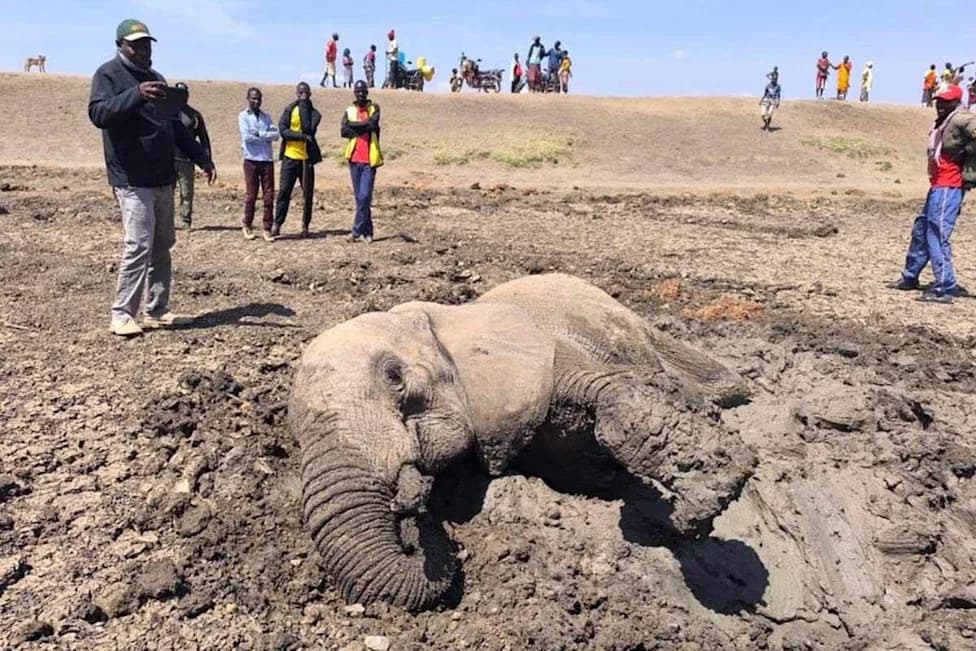
Sheldrick Wildlife Trust team members surrounding an elephant stuck in the mud, observing the situation as locals look on from afar.Credit: Sheldrick Wildlife Trust/Instagram
A young female African elephant was found exhausted after spending the night trapped in a shrinking waterpan beneath Mount Kenya. Responders from the Sheldrick Wildlife Trust (SWT) and the Kenya Wildlife Service Mount Kenya Mobile Vet Unit arrived to find the animal stuck in deep, quick-drying mud and severely weakened.
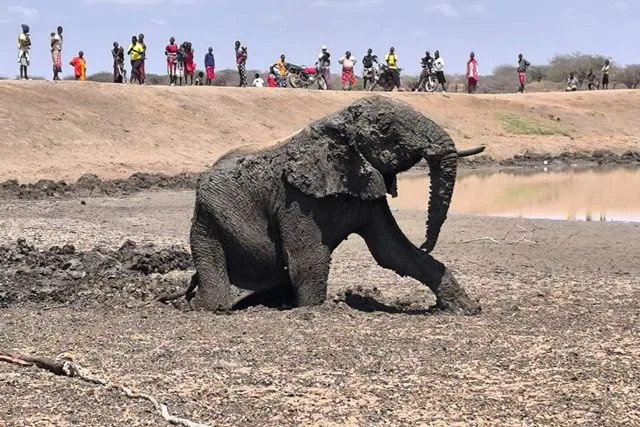
An elephant stuck in mud with people in the background watching its rescue efforts.Credit: Sheldrick Wildlife Trust/Instagram
Careful, Sedation-Free Rescue
Because the elephant was so depleted, the unit's veterinarian, Dr. Jeremiah Poghon, decided that sedation would be too risky. Instead, rescuers secured ropes around the animal and attached them to a vehicle, gently hauling her onto firmer ground while taking care not to cause additional strain. After the extraction, the elephant ran back to rejoin her herd—muddy but otherwise unharmed.
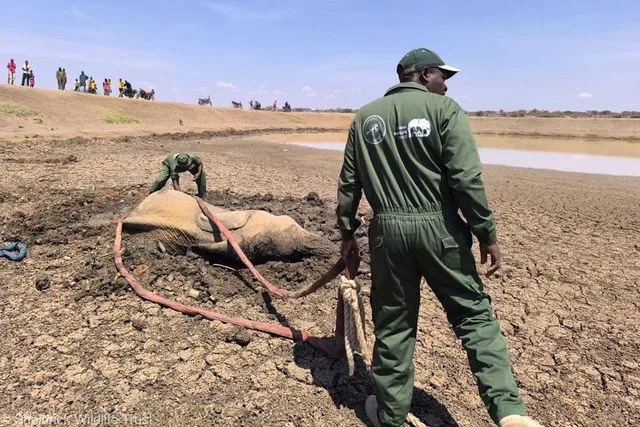
Rescue workers assisting an elephant stuck in mud near a waterhole.Credit: Sheldrick Wildlife Trust/Instagram
She ran off to reunite with her herd, muddy but otherwise unharmed.
Wider Context: Shrinking Water Sources and Rising Risk
The incident highlights a growing danger for wildlife: as watering holes and pans shrink, the mud around remaining water sources becomes deeper and more adhesive, creating traps that can immobilize animals. In remote areas, a trapped animal can quickly become vulnerable and may not survive long enough to be found without timely intervention. Climate variability and increased human demand for water are intensifying these hazards in parts of Africa.
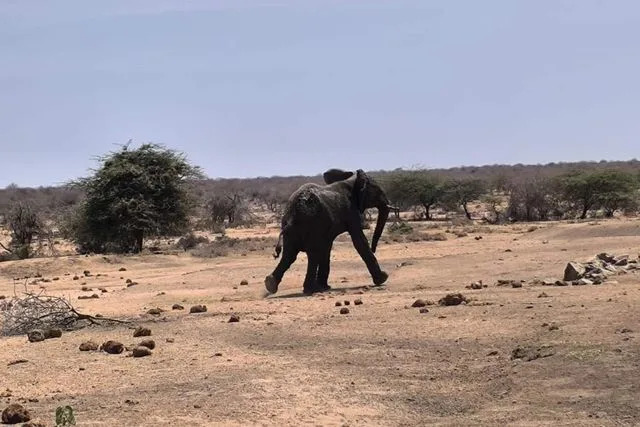
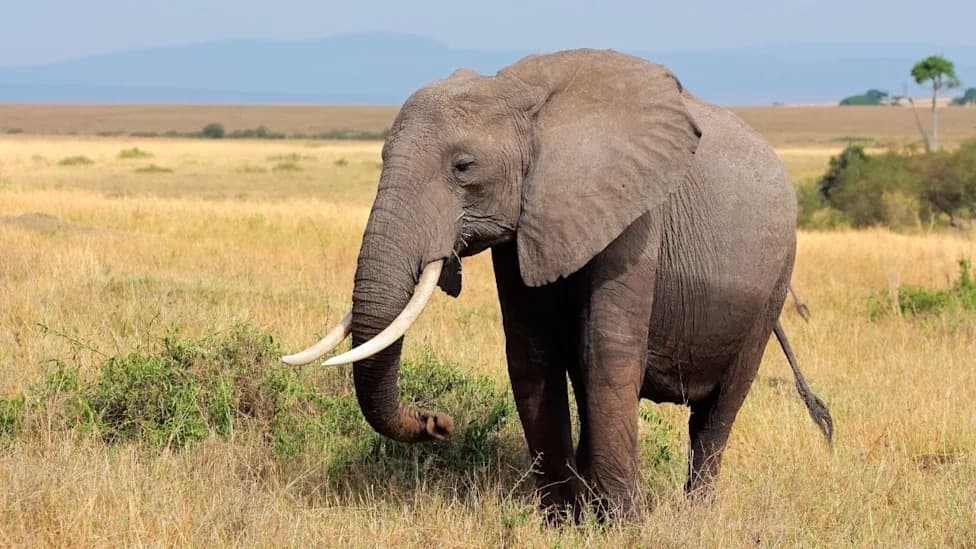
An elephant walking in a dry sparse landscape with scattered trees and bushes.Credit: Sheldrick Wildlife Trust/Instagram
Ongoing Conservation Work
The Mount Kenya waterpan rescue was one of several operations SWT teams were managing that day across Kenya. While the Mount Kenya unit freed the young elephant, other SWT crews were engaged in a major relocation in Tsavo, moving two fence‑breaking bull elephants to reduce human–wildlife conflict.
Why These Rescues Matter
Elephants are a keystone species: their movements disperse seeds, shape vegetation, and help maintain habitats used by many other animals. In Kenya, healthy elephant populations also support a tourism economy that provides jobs for guides, park staff, and local communities—so each successful rescue helps protect biodiversity and livelihoods.
Source: Sheldrick Wildlife Trust (shared on Instagram) and reporting by People.
Help us improve.