With six weeks until the midterms, an increasing number of Republican officials and candidates are distancing themselves from President Trump over the Iran war, rising gasoline prices and other controversial policies. A Sept. 15 House war powers resolution drew a record seven Republican votes alongside Democrats as concerns mount about open-ended military engagement and unclear objectives. Rising pump prices and disputes over tariffs and immigration have deepened intra-party tensions as vulnerable GOP candidates navigate the political fallout.
Republicans Break Ranks With Trump Over Iran War, Gas Prices and Unpopular Policies Ahead Of Midterms
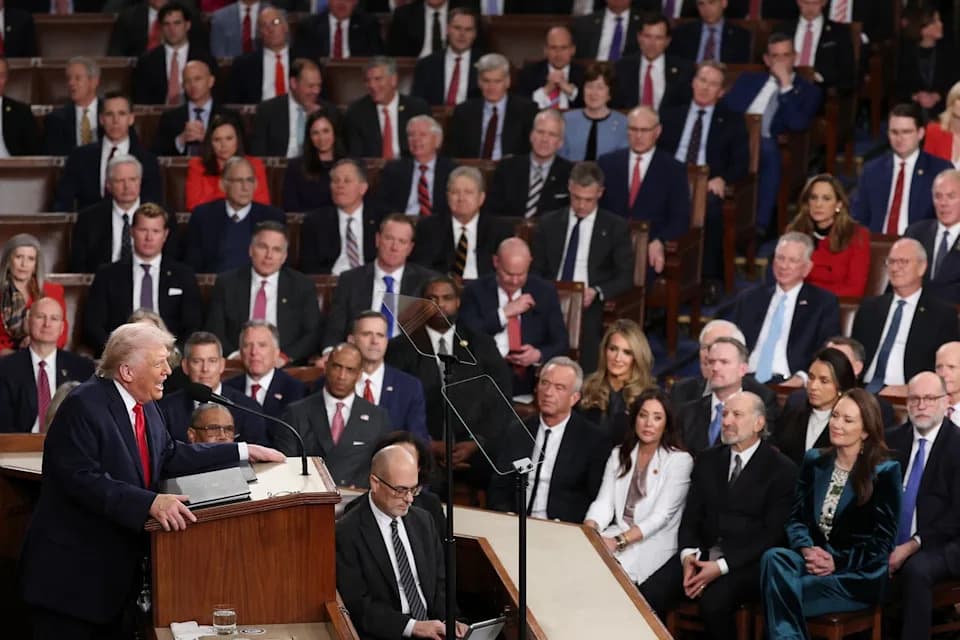
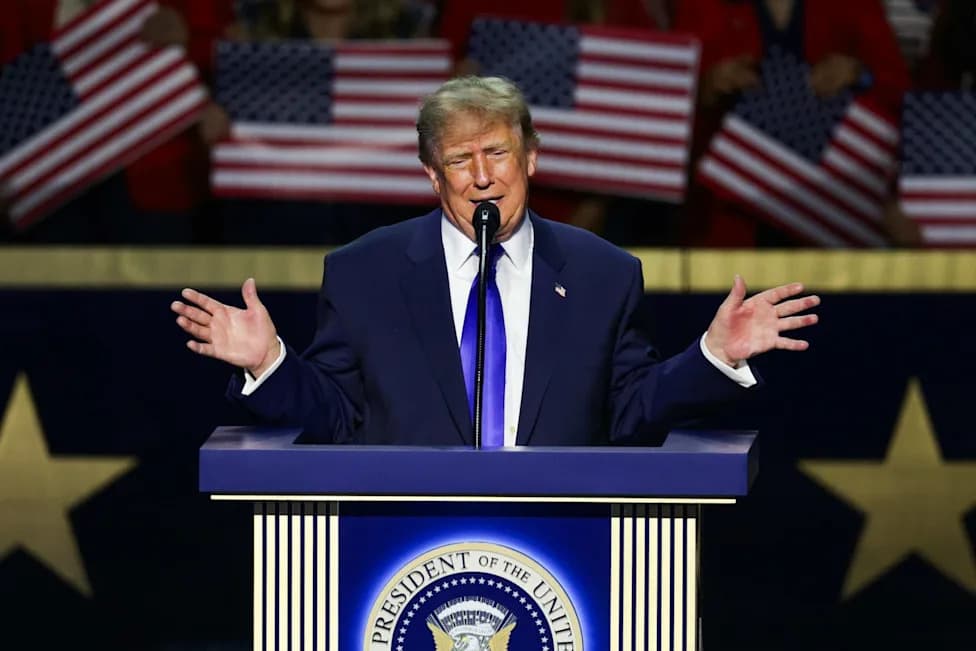
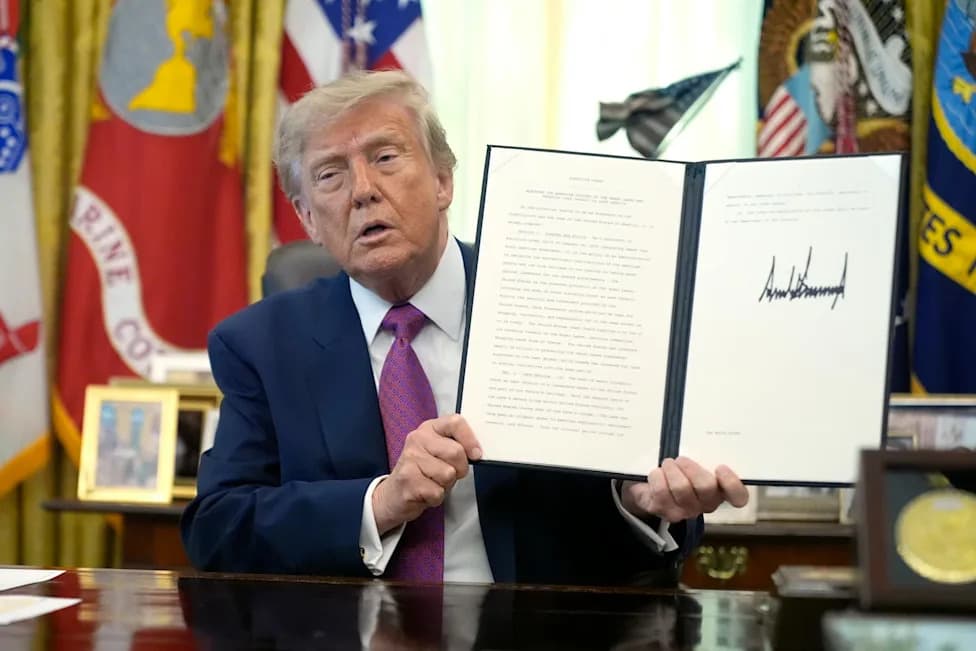
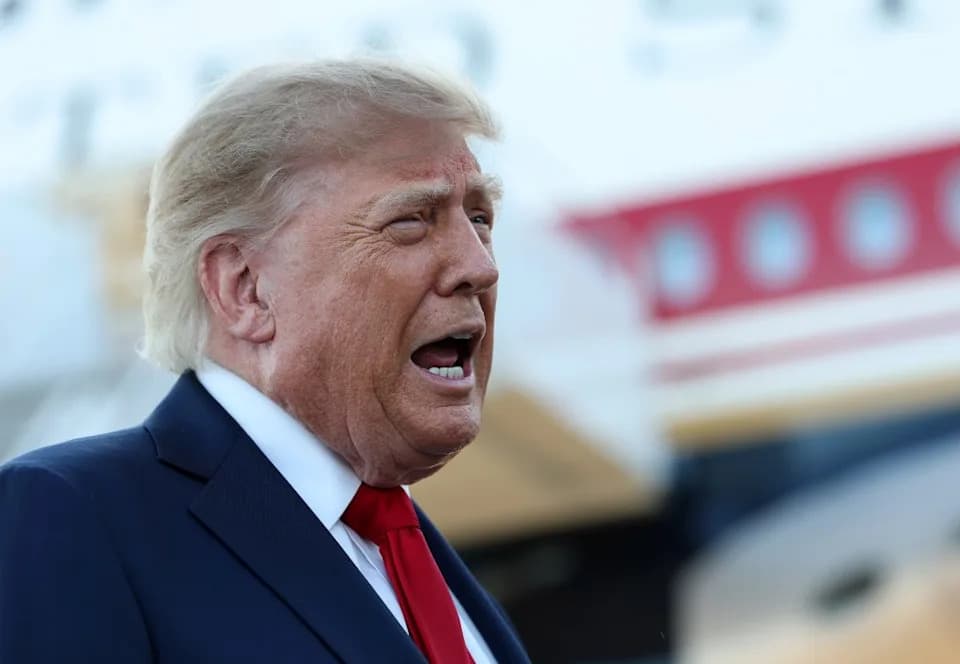
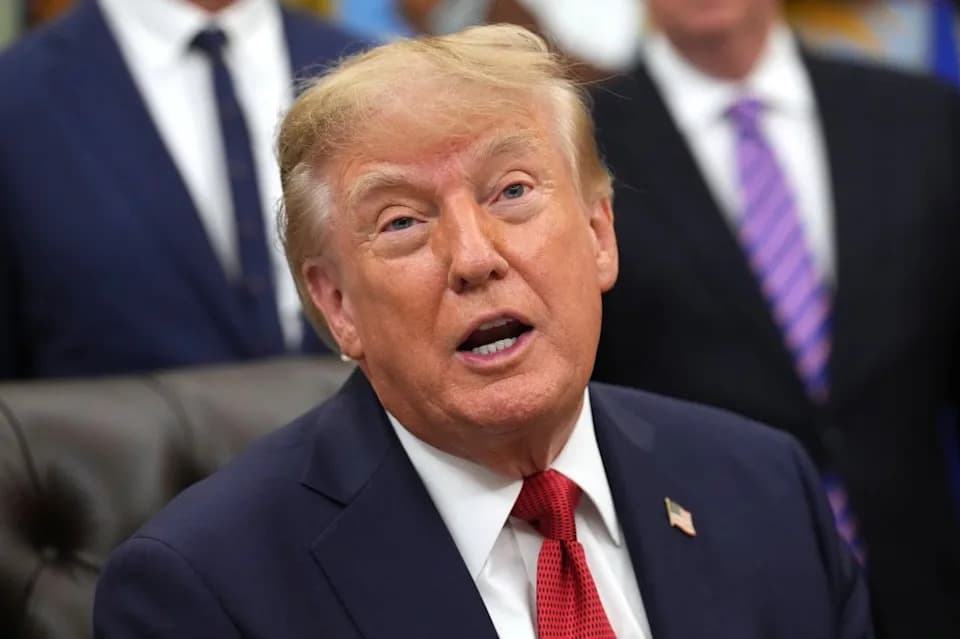
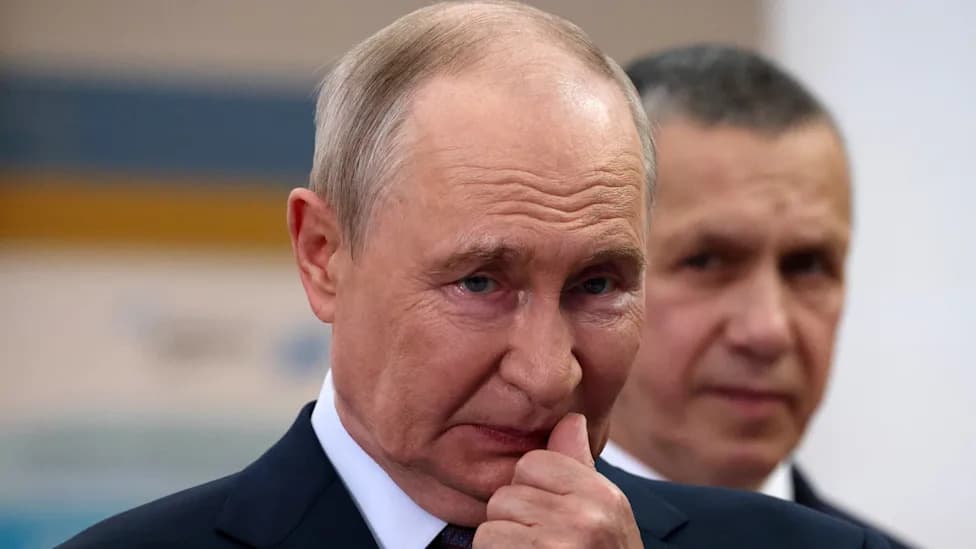
Several Republican officeholders and candidates have started to turn on Trump ahead of the midterm elections, breaking with him over the Iran war and his unpopular policies (Getty Images)
With the midterm elections barely six weeks away, a growing number of Republican officeholders and candidates are publicly distancing themselves from President Donald Trump — and in some cases openly opposing specific administration policies.
GOP Fractures Emerge
On the campaign trail and across social media, Republican figures have raised concerns about the handling of the war with Iran, surging gasoline prices, immigration enforcement and other measures that polls show are unpopular with many voters. A small group of lawmakers has gone further, voting to place formal limits on the president's authority.

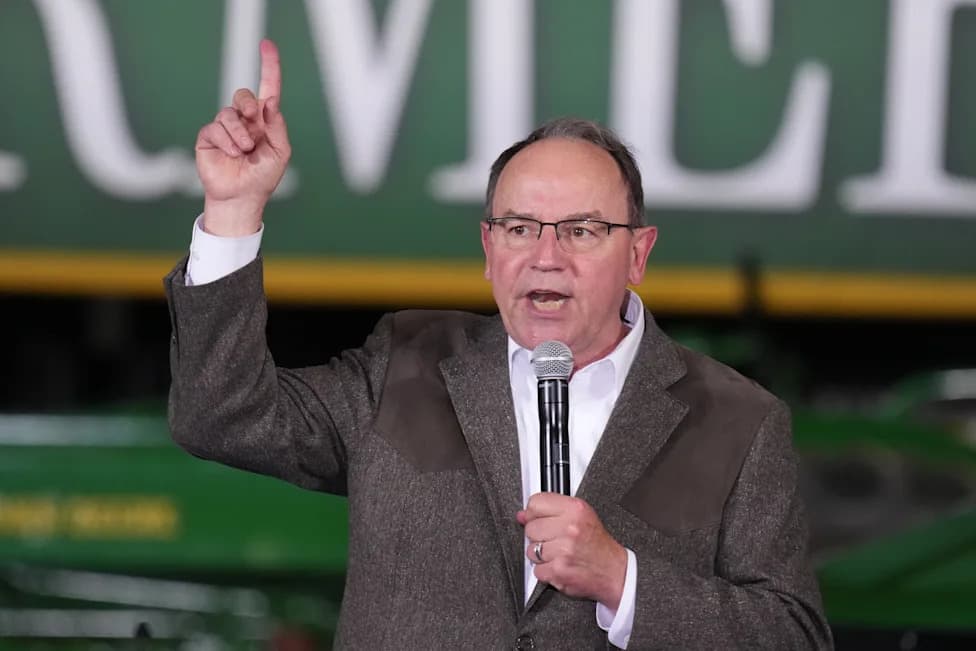
'Having deployed multiple times and flown over 700 combat hours in the Middle East, I will not support another open-ended war," Rep. Zach Nunn said (Getty)
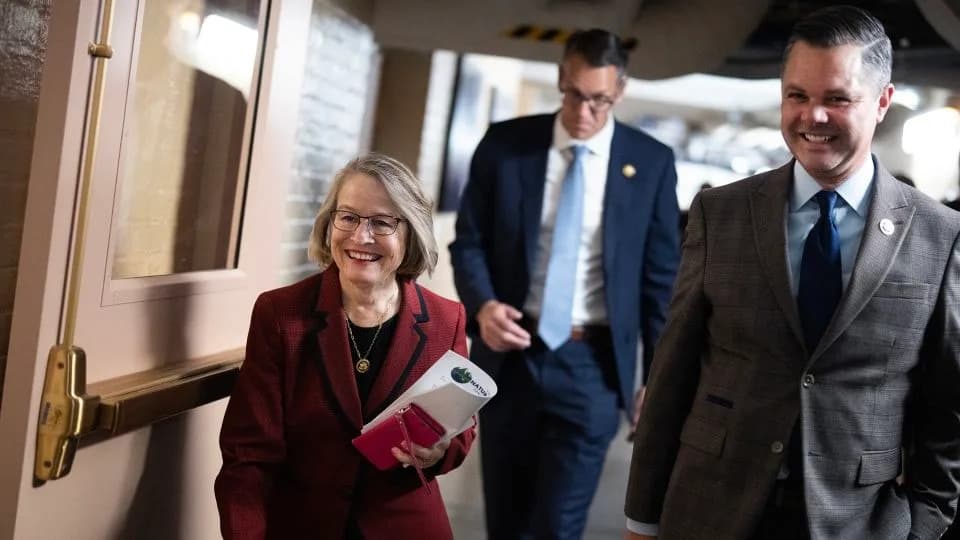
"I said it in March: the mission had to stay focused and limited, because Americans do not want another forever war," Iowa Rep. Mariannette Miller-Meeks said before voting to curb Trump's war powers in Iran. "I will not vote to keep our soldiers in an open-ended war, with Iowans paying too much at the pump."
The Iran Conflict And A House Vote
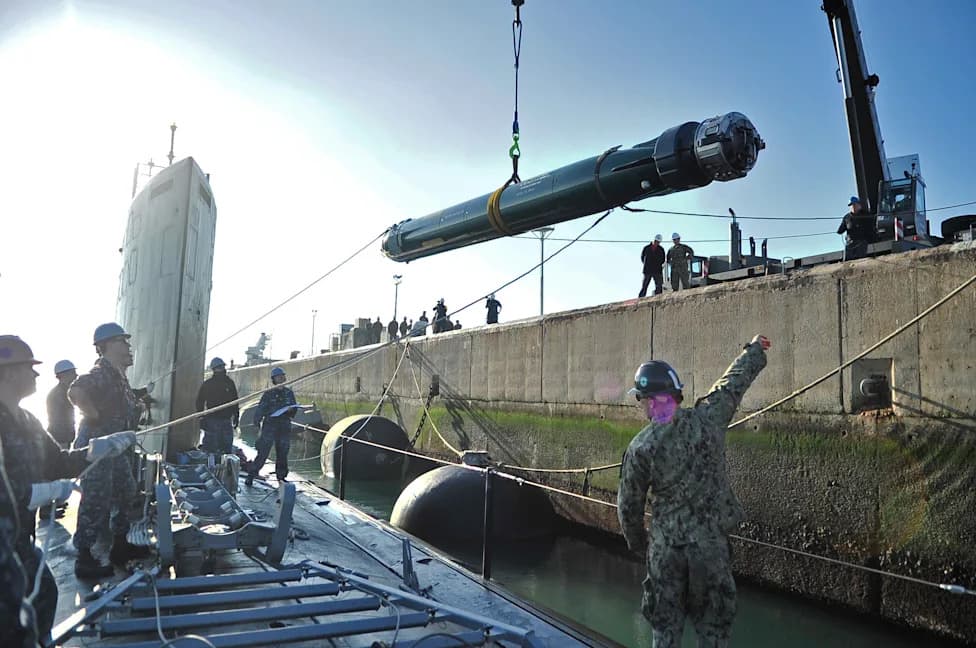
The conflict with Iran has stretched into its seventh month and, according to reporting, has resulted in the deaths of at least 18 U.S. service members and billions in costs. On Sept. 15, the House passed a war powers resolution intended to compel the administration to end hostilities absent new congressional authorization. The largely symbolic measure drew a record seven Republican votes in favor alongside Democrats, marking an unusual bipartisan rebuke.
Rep. Zach Nunn: "Iowa has already paid a devastating price, including two service members killed by an Iranian drone in Kuwait. Congress owes them, their families, and every American in uniform clear objectives and constitutional oversight. Having deployed multiple times and flown over 700 combat hours in the Middle East, I will not support another open-ended war."
Economic Consequences: Higher Pump Prices
The conflict has coincided with a sharp rise in U.S. gasoline prices. According to AAA, the national average for a gallon of regular gasoline was about $4.47 on a recent Tuesday — up from roughly $2.98 two days before the conflict began. President Trump has called the higher prices a "small price to pay" to blunt Iran, but many Republicans in vulnerable districts say rising fuel costs are a political and economic problem they cannot ignore.
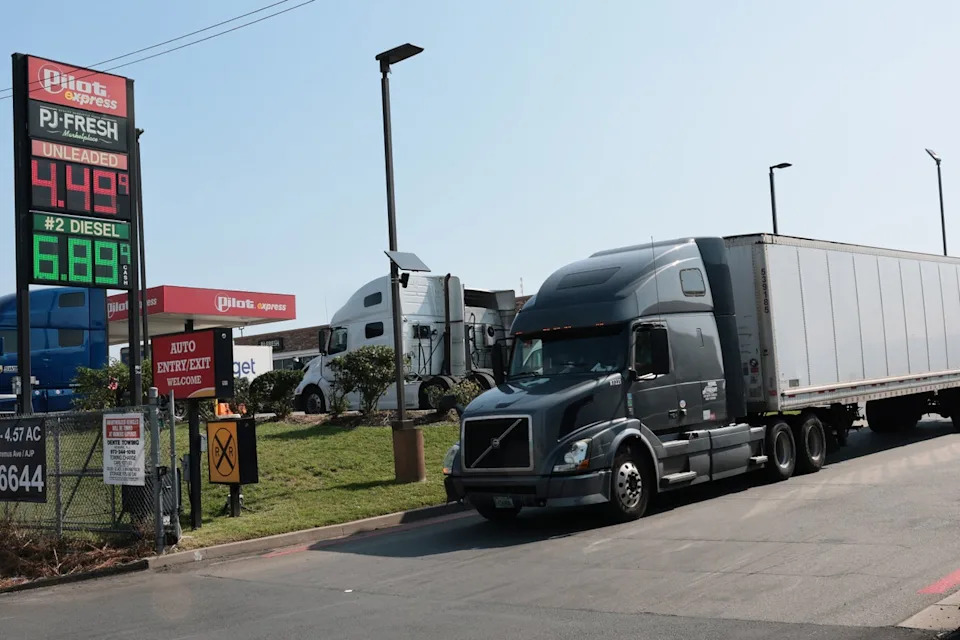
On Tuesday, the national average for a gallon of gasoline stood at $4.47, up from $2.98 two days before the conflict began, according to AAA (Getty)
Several GOP lawmakers have proposed measures to ease the burden at the pump. Iowa Rep. Ashley Hinson, running for the U.S. Senate, suggested a temporary ban on diesel exports. Maryland Rep. Andy Harris introduced legislation to suspend the federal gas tax. Other members have urged additional steps or criticized the administration's economic messaging.
Broader Policy Pushback
Beyond the war and fuel costs, a minority of Republicans have openly opposed other Trump policies. Earlier this year, some Republicans joined Democrats to revoke tariffs the president had placed on Canada, citing broad voter opposition to tariffs. Florida Rep. Maria Elvira Salazar released a campaign ad criticizing elements of the administration's immigration enforcement, saying some efforts had gone too far. And Utah Sen. John Curtis urged a subpoena for Donald Trump Jr. as part of inquiries into potential personal profit from family ties.
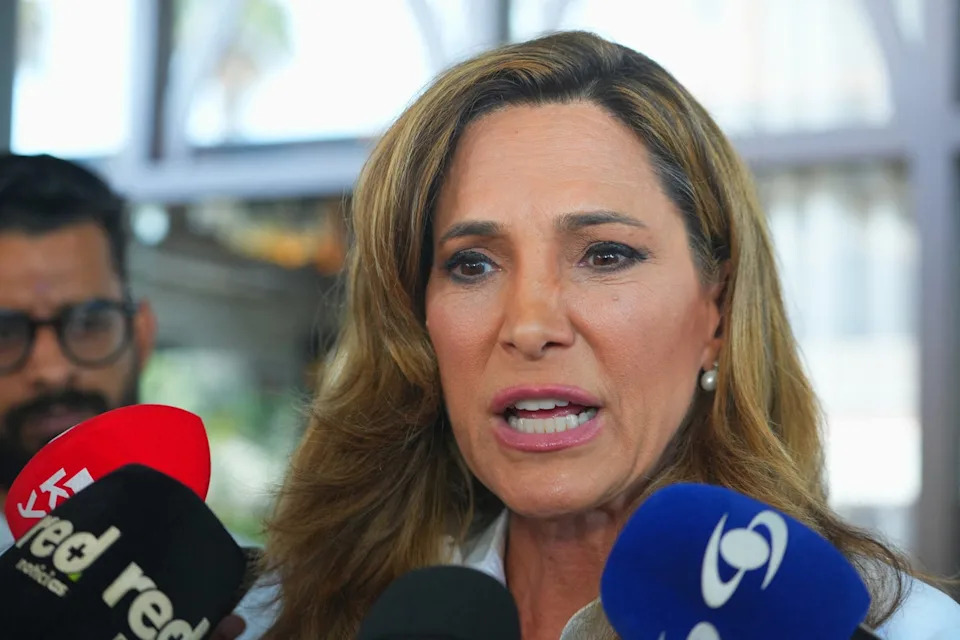
Rep. Maria Elvira Salazar, a Florida Republican, hammered President Donald Trump over his immigration crackdown in a scathing election ad earlier this month (AFP via Getty Images)
White House Response And Political Stakes
When asked for comment, White House spokesperson Davis Ingle defended the president's record, touting tax cuts, prescription drug reforms, border security actions, crime reductions, an energy boom and strong private-sector job growth. The administration also says Trump will campaign aggressively in the final weeks before the election.
The dissent highlights a broader tension inside the Republican Party: vulnerable incumbents and candidates in competitive districts are weighing the political risks of closely aligning with a polarizing president against the need to respond to constituent concerns on security, the economy and immigration.
What To Watch Next: Whether Trump campaigns in battleground districts, additional bipartisan votes to constrain the war effort, and whether proposals to lower fuel costs gain traction in Congress — all factors that could shape outcomes on Election Day.
Help us improve.