U.S. Ambassador to the U.N. Mike Waltz declined to give a timeline for ending the Iran war, which began Feb. 28 and has now stretched into its seventh month. A new NBC News poll found 62% of voters say the war has not been worth it and 57% would be less likely to support a candidate who backs it, heightening GOP concerns ahead of the midterms. Seven House Republicans joined Democrats in a symbolic vote to limit further military action without congressional approval, underscoring growing partisan and intra-party unease.
Waltz Refuses To Set End Date For Iran War As NBC Poll Shows Growing Voter Backlash
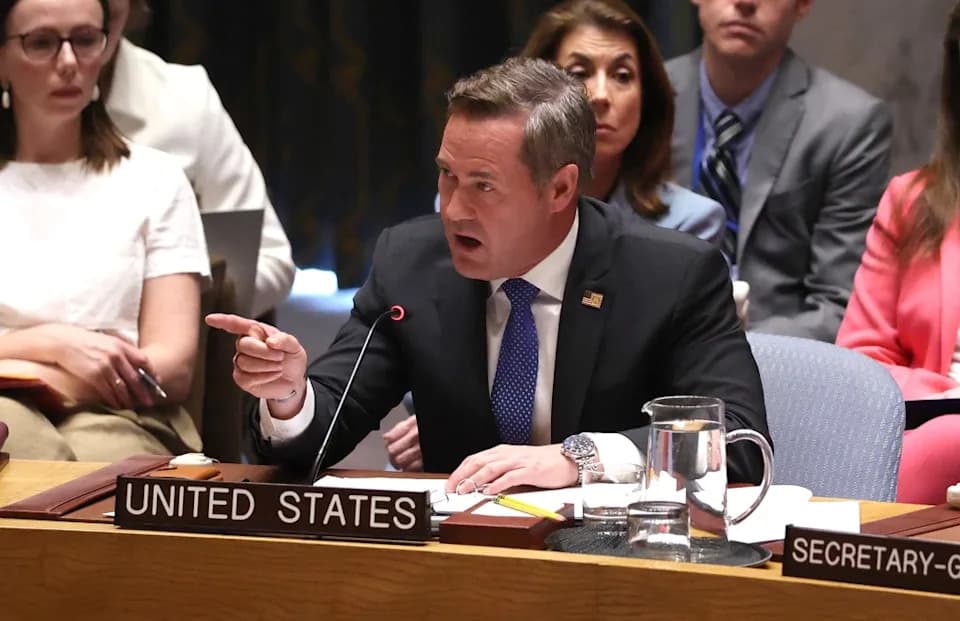
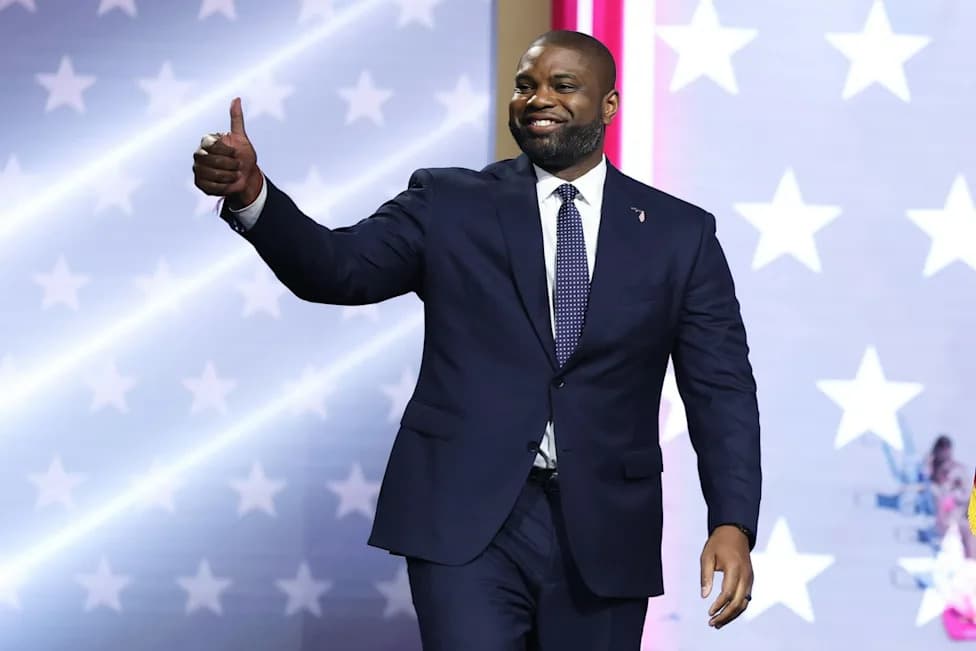
Mike Waltz speaks during a U.N. Security Council meeting on Iran and the Middle East in New York on April 7, 2026. Waltz said Sunday he would not put a timeline on ending the Iran war.
Mike Waltz, the U.S. ambassador to the United Nations, said Sunday he would not put a timeline on when the war with Iran might end, a conflict that began on Feb. 28 and has now stretched into its seventh month despite President Trump’s earlier prediction that it would be over within weeks.
Polls Point To Political Pain For Republicans
A new NBC News poll suggests the war has become a political liability for the GOP. Large shares of voters questioned the conflict’s value and indicated it could influence their choices at the ballot box.
- 62% of respondents said the Iran war has not been worth it.
- 57% said they would be less likely to support a candidate who backs the war, while 24% said they would be more likely to support such a candidate.
- Democrats held a slim 4-point advantage on which party voters trust more to handle the Iran conflict.
- President Trump’s approval rating stood at 41% with 56% disapproving; 55% said his policies have hurt the economy.
Growing Rift Inside Republican Ranks
Visible dissent has emerged among House Republicans: seven joined Democrats in a largely symbolic vote to restrict further military action in Iran absent congressional authorization. The defections underscored unease that an operation initially presented as short-term has evolved into a prolonged engagement.
"I will not support another open-ended war," Representative Zach Nunn wrote on X, citing multiple deployments and more than 700 combat hours in the Middle East.
Representative Mariannette Miller-Meeks said the President must "present a plan to Congress and the American people for how this ends" so troops can return home and consumer costs can come down.
Regional Escalation And Economic Consequences
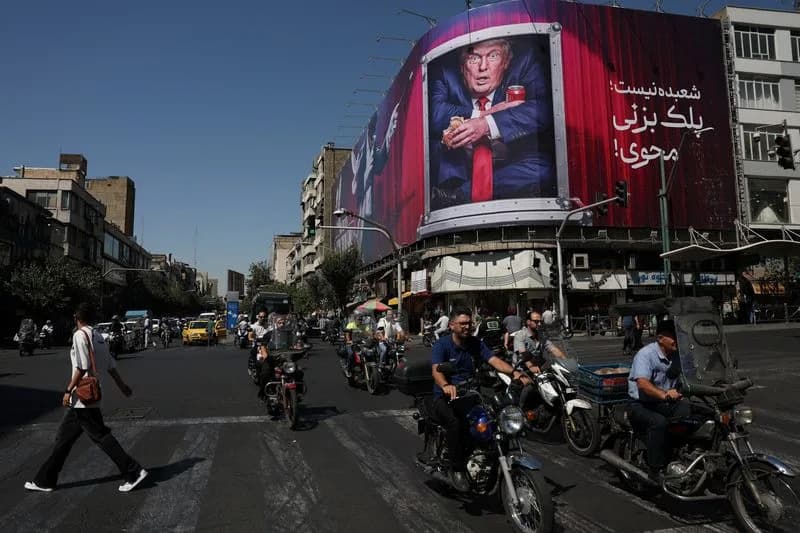
Regional tensions have intensified: Iran warned that any new U.S. attack would prompt sustained retaliation, and Iran-backed Houthi forces have stepped up strikes in Saudi Arabia and near the Bab al-Mandab shipping corridor. Reuters and other outlets report that disruptions in the Strait of Hormuz and Bab al-Mandab continue to create uncertainty for global energy markets, contributing to higher fuel costs that are politically sensitive in many competitive districts.
Administration Response And Outlook
On CNN’s State of the Union, Waltz declined to offer a timetable: "I wouldn't necessarily put a timeline on it," he said when asked whether senior White House officials privately expect a protracted conflict. Waltz defended the administration’s approach, arguing that economic pressure and a naval blockade were producing effects.
President Trump, meanwhile, has maintained a more optimistic public tone, saying recently: "That war is going to end very soon. Watch, you just watch."
The White House insists its strategy is working, but there is no diplomatic breakthrough yet and lawmakers on both sides are pressing for more clarity about how the conflict will conclude.
What this means: With the midterm elections approaching, Republicans face mounting pressure to explain the war’s objectives, timeline and economic costs to voters who increasingly view the conflict as a drain on household budgets and national focus.
Help us improve.