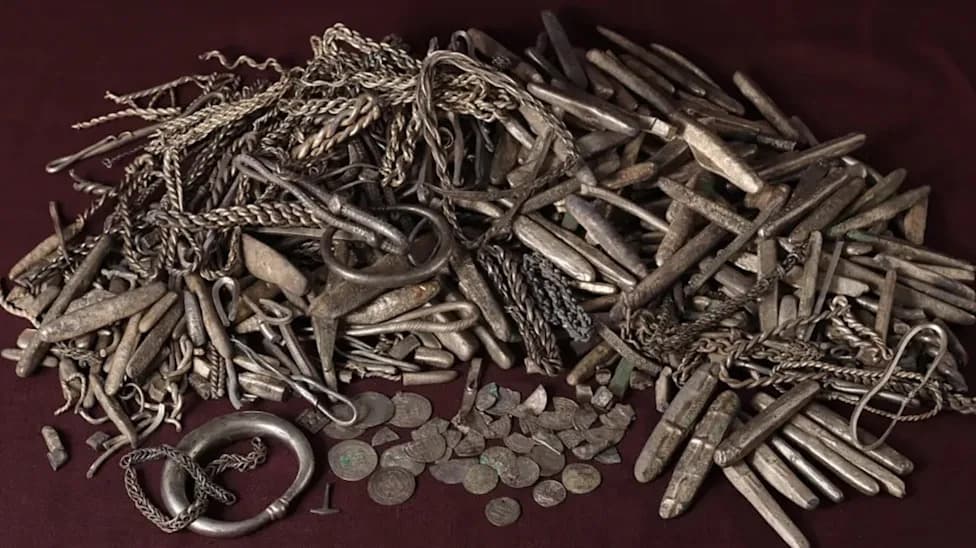
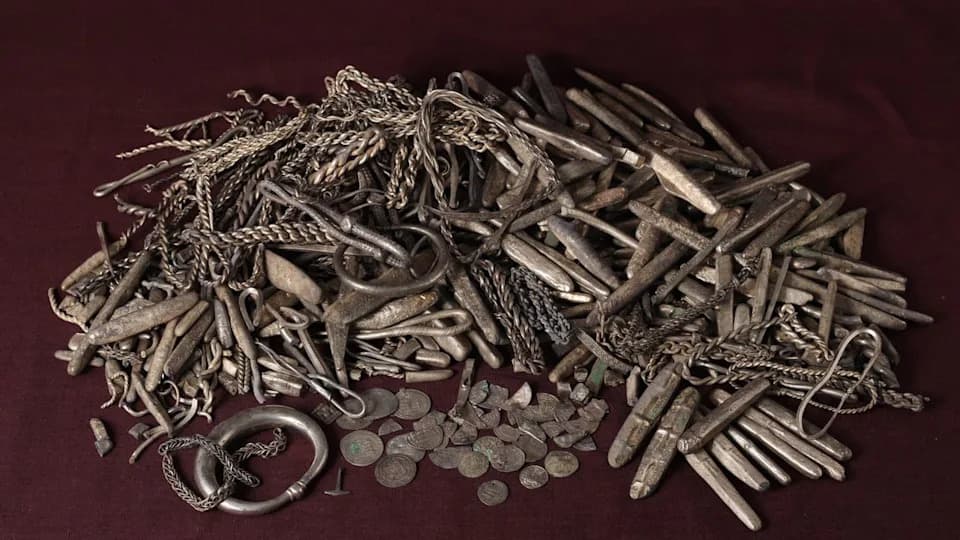
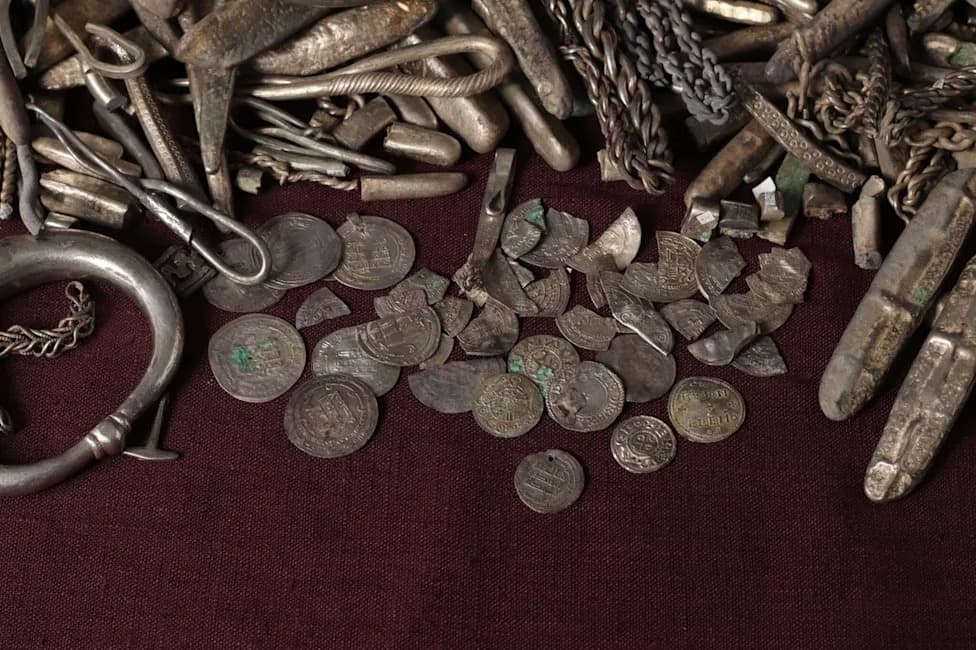
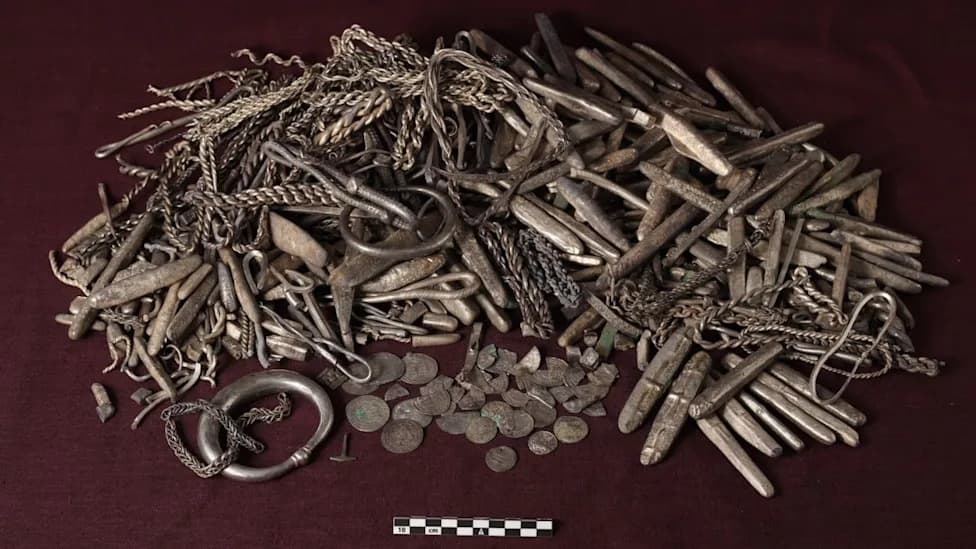
The 2019 gravel-plant discovery near Deinham, Austria, revealed 540 standardized bipyramidal iron bars—about one tonne of iron—the largest prehistoric assemblage of its kind in Europe. Researchers Peter Trebsche and Marion Berranger report in Antiquity that the bars are transport-ready semi-products, dated to at least 2,200 years ago, with some pieces possibly from the 4th century BCE. A shipwreck is the most likely explanation for their deposition, while ongoing metallurgical tests aim to identify the source regions. The find highlights expanded iron production and long-distance exchange in the Late Iron Age Danube region.
Rusty Treasure: Europe’s Largest Prehistoric Iron Cache — 540 Bars Found in Austria
(Master1305/iStock/Getty Images Plus)
In 2019, workers at a gravel-extraction site in Deinham, near the Danube in Austria, uncovered an extraordinary concentration of prehistoric iron bars embedded in underwater gravel. Archaeologists now report that this discovery — 540 bipyramidal iron bars or fragments weighing about one tonne in total — is the largest single assemblage of prehistoric iron semi-products ever found in Europe.
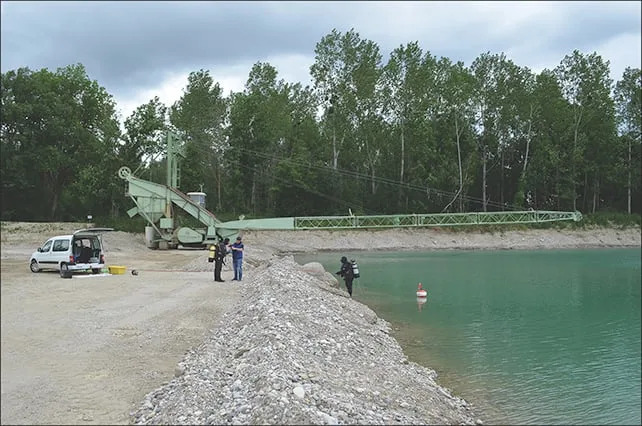
The gravel extraction plant where the haul was discovered. (Heinz Gruber/Bundesdenkmalamt)
Discovery and Description
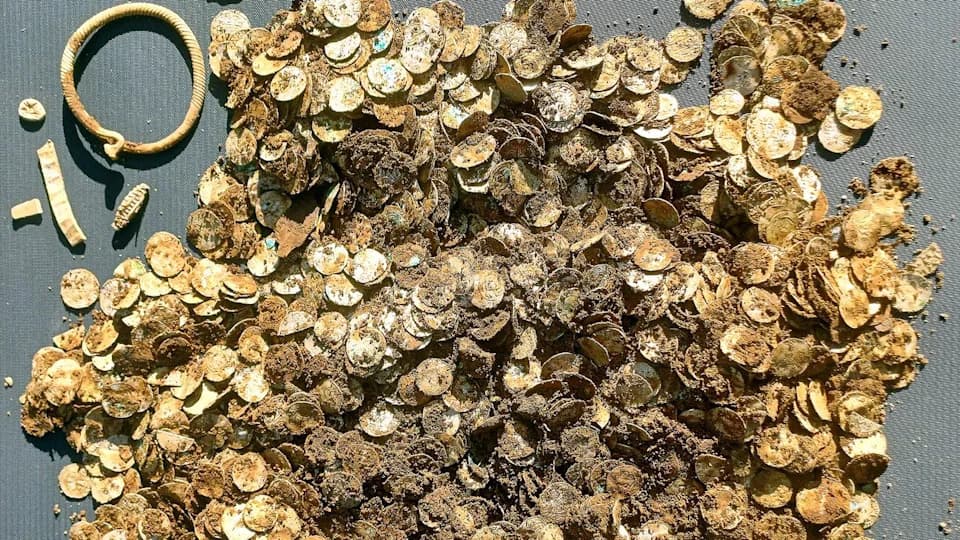
The bars average almost 30 cm (nearly 12 in) in length and are hammered into a consistent bipyramidal (pointed at both ends) shape. Rather than finished tools or weapons, the researchers identify them as standardised semi-products intended for transport and later reworking by smiths.
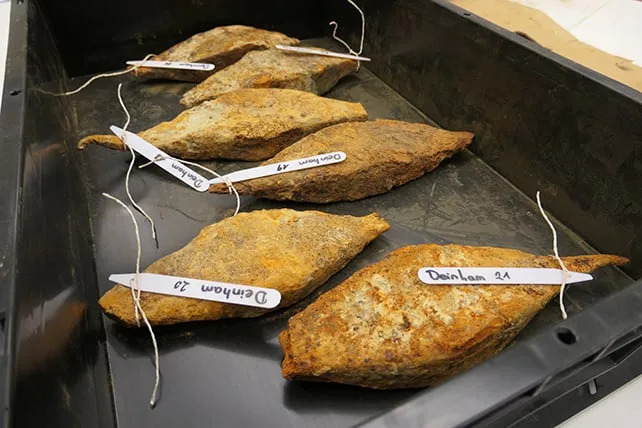
Some of the recovered iron bars. (Peter Trebsche)
Dating and Significance
Analyses reported by Peter Trebsche (University of Innsbruck) and Marion Berranger (Archaeomaterials Research Institute) in the journal Antiquity place the assemblage at a minimum age of about 2,200 years; some pieces may date back to the 4th century BCE. The total mass—roughly one tonne (≈2,280 lb)—could have produced an estimated ~500 swords or ~8,000 nails, underlining the economic and potential military importance of the cargo.
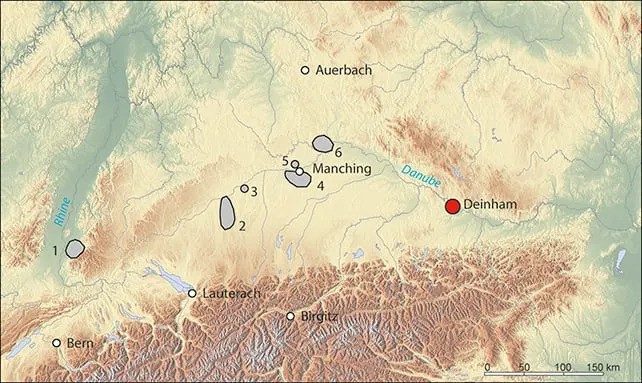
The iron could've come from several areas along the Danube. (Trebsche and Berranger,Antiquity, 2026)
“Even allowing for material losses during smithing, the iron from Deinham would have been sufficient to equip a sizeable group of warriors,”
How Did It Get There?
The most plausible explanation for the concentrated deposition on the riverbed is a shipwreck, although no vessel remains were preserved with the load. The assemblage shows little of the variety typical of ritual river deposits, and regional evidence for ritual metal offerings in the Eastern La Tène culture is limited, so the researchers consider ritual deposition unlikely.

Subscribe to ScienceAlert's free fact-checked newsletter
Provenance and Next Steps
Geochemical comparisons suggest the iron may have been smelted at one or several upstream production centres along the Danube, with likely source regions located up to roughly 220 km (137 miles) away. Ongoing metallurgical and isotopic analyses should help pinpoint mining districts and determine whether the bars derive from a single workshop or multiple sources.
Importance and Stewardship
The find provides rare, direct evidence of Late Iron Age production scale, standardisation, and long-distance exchange in the Danube region during the 3rd–2nd centuries BCE. Trebsche and colleagues also note the fortunate decision by the finders to report and donate the material to the Austrian monument authority and a state museum collection, preserving a unique resource for study.
Publication: Trebsche & Berranger, Antiquity.
Help us improve.