Bipartisan lawmakers plan to introduce a bill this week to create a federal film and television tax credit, a push that followed President Donald Trump's public endorsement. The proposal would provide a 20% base credit with an additional 5–10% available for productions that meet criteria such as filming in designated disaster or economic zones or qualifying as independent projects. Supporters say the federal credit would stack with state incentives to make U.S. locations more competitive and spur jobs and local spending; critics call it a handout to Hollywood. Because Congress is entering a recess, passage is most likely during the post-election lame-duck session.
Bipartisan Push To Establish Federal Film & TV Tax Credit — 20% Base, Stackable With State Incentives
Lawmakers Expected To Introduce Bill This Week For Federal Film And TV Incentive
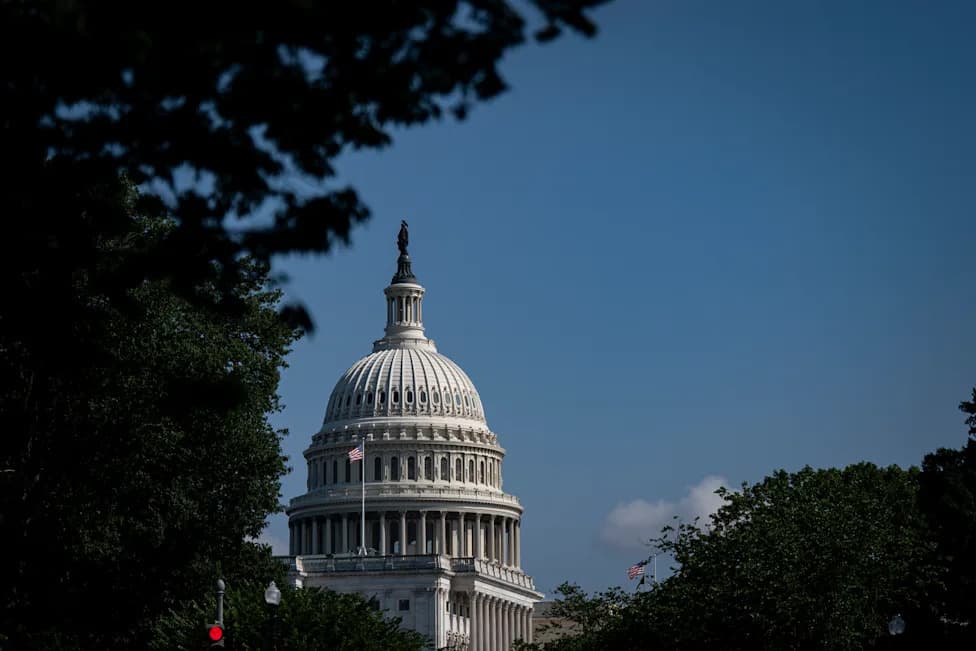
Lawmakers from both parties are preparing to introduce legislation as soon as Thursday to create a federal tax credit for film and television production, according to people familiar with the plans.
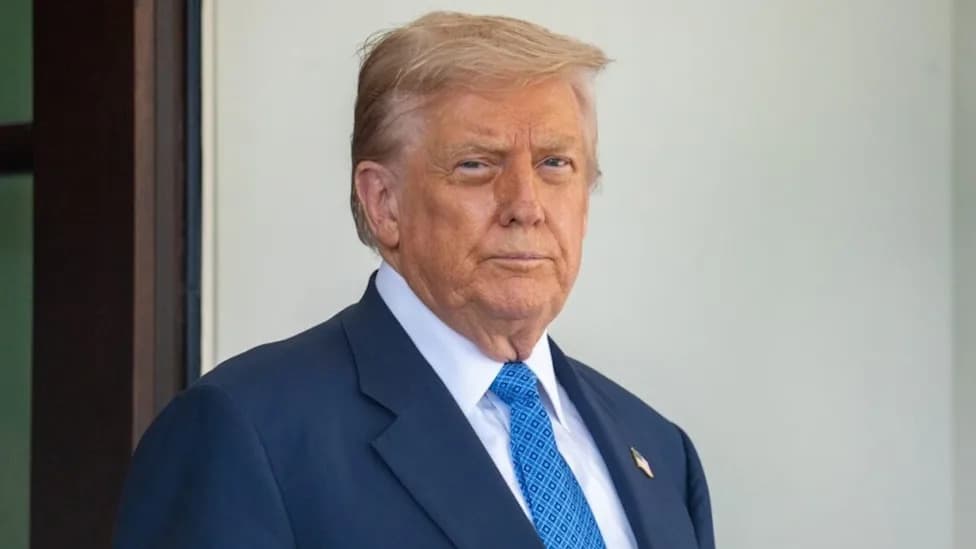
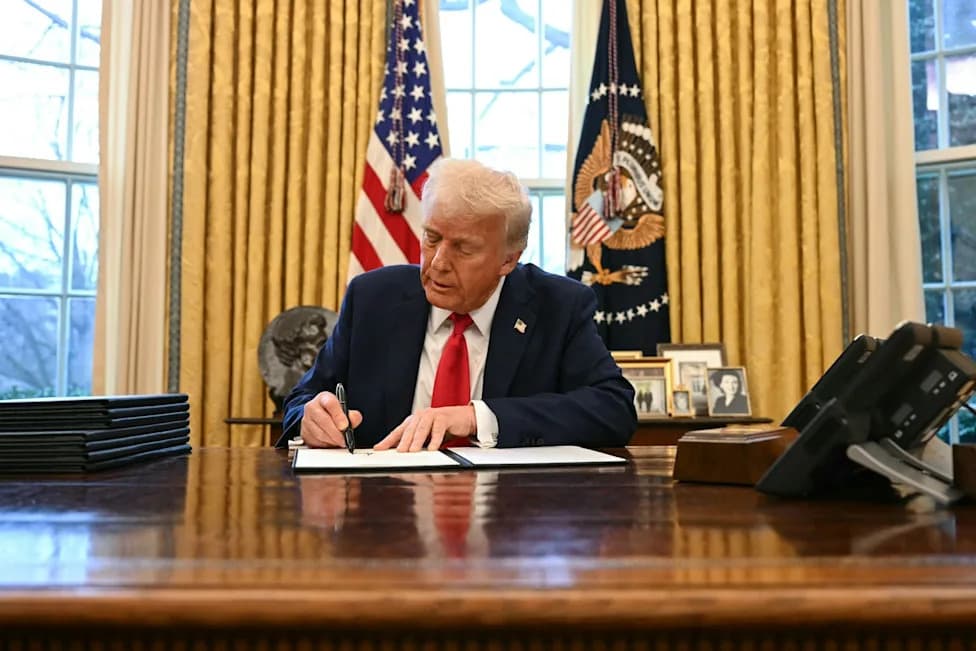
The proposal gained momentum after President Donald Trump publicly endorsed a federal production incentive as a way to bring projects back to the United States from abroad. Industry groups and labor representatives have been coordinating with lawmakers to shape the measure.
What the Proposal Would Do
Supporters say the bill would establish a 20% base federal tax credit for qualifying film and TV production. That base credit could be increased by an additional 5–10 percentage points for productions that meet specific criteria, such as filming in designated disaster or economic zones or qualifying as independent projects.
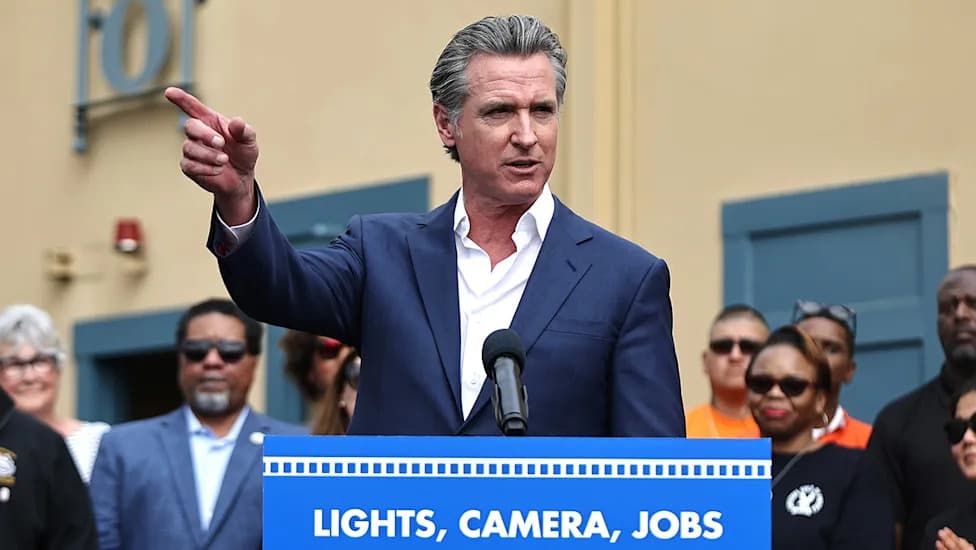
Senator Adam Schiff (D-CA), one of the bill's public advocates, has emphasized that the federal credit would be "stackable" with existing state incentives (California's program is often cited as an example). Advocates argue this combination would make U.S. locations more competitive with overseas alternatives and spur local spending and job growth.
Supporters, Opponents And Timeline
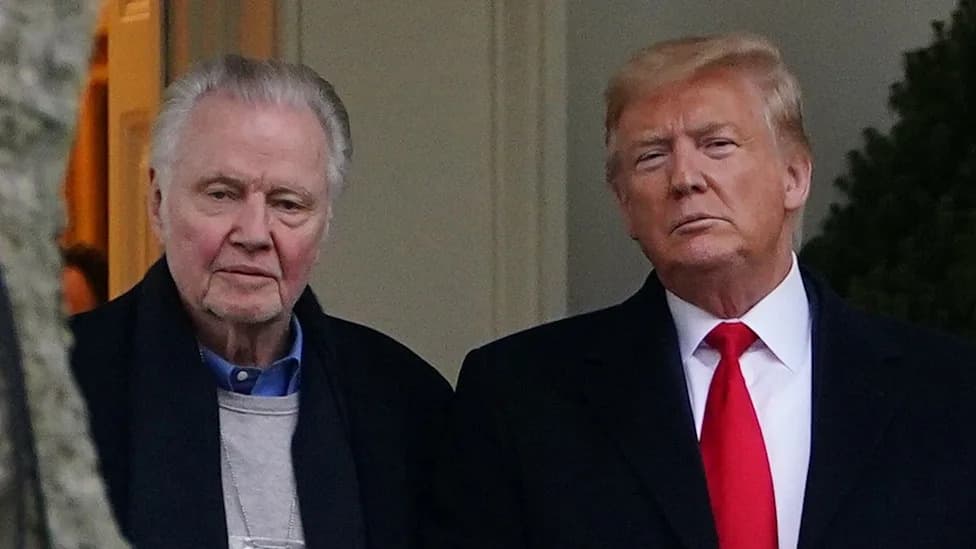
The Motion Picture Association recently hosted a call with industry and labor leaders that included Jon Voight, who is serving as the president's ambassador to Hollywood, as well as Representatives Laura Friedman (D-CA) and Brian Jack (R-GA). The bill is also expected to have backing from members of the House Ways & Means Committee. On the Senate side, notable backers include Senators Adam Schiff (D-CA) and Tim Scott (R-SC).
"These Hollywood stars are going to get paid wherever it's filmed... What it does matter to is a lot of the set designers, and the caterers, and the local dry cleaners and all of the others who are working just to try to provide a good living for their family," Schiff said in a recent video defending the proposal.
Critics have pushed back. The Wall Street Journal editorial board called a federal film and television credit a "handout" to Hollywood, arguing against federal subsidies for the industry. Supporters counter that the measure would deliver broader economic benefits to local businesses and workers—not just top talent.
Because the House recently recessed and the Senate is expected to do the same, sponsors acknowledge the earliest realistic window for passage is Congress's post-election "lame duck" session.
Jill Goldsmith contributed to this report.
Help us improve.