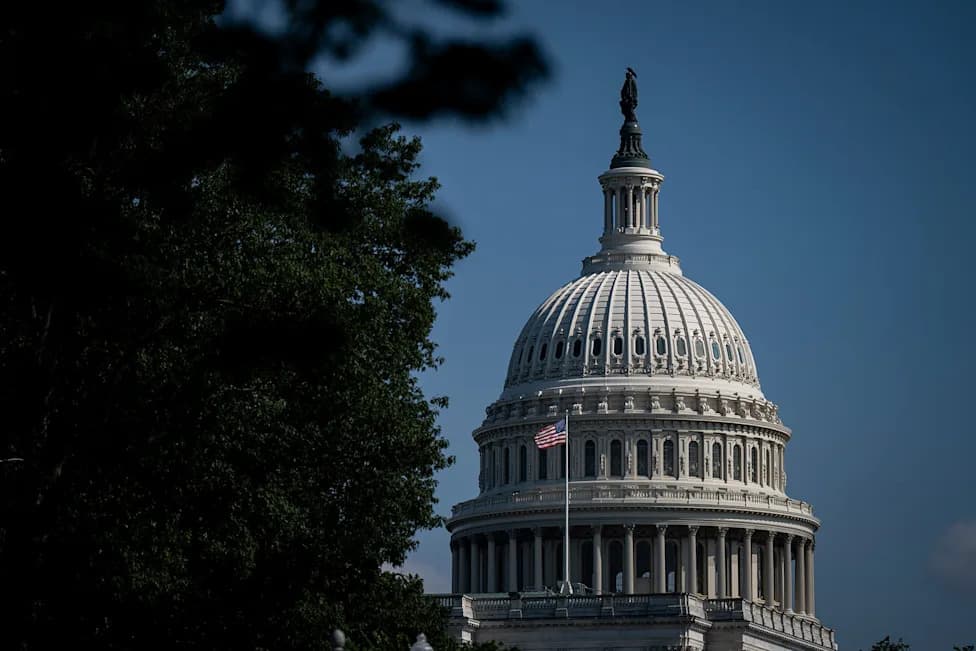
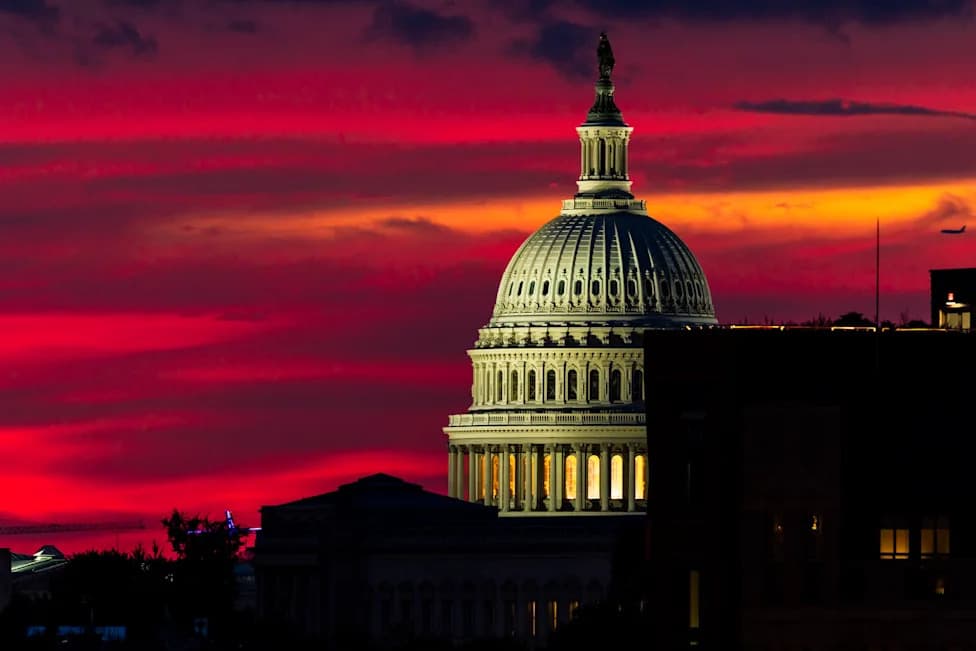
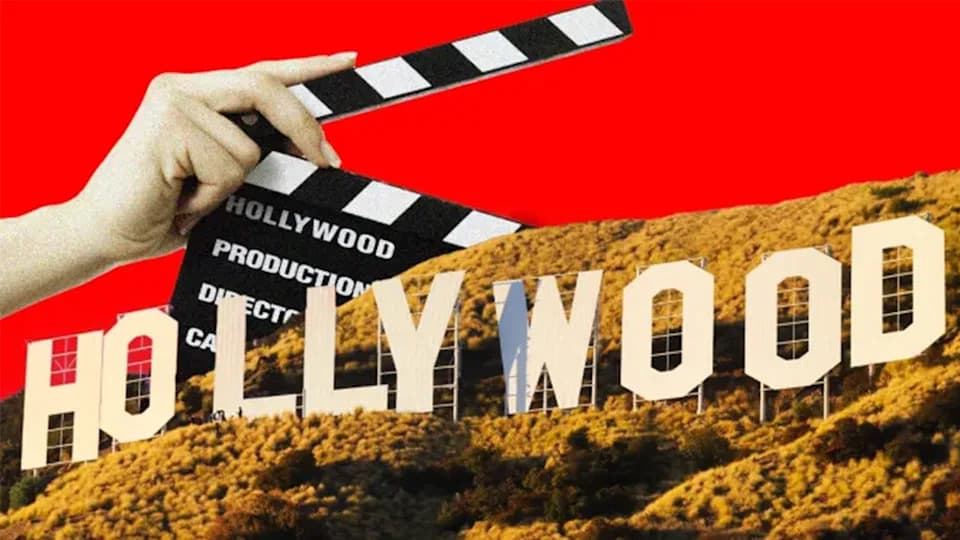
The U.S. House has launched the bipartisan Movies, Music, Entertainment & Sports (MoMEntS) Caucus, co-chaired by Reps. Sydney Kamlager-Dove, María Elvira Salazar and Troy Carter. The group will represent a wide range of creative sectors and advocate policies including a federal film and TV tax incentive to keep production and jobs in the U.S. It will also focus on innovation, competition and responsible platform practices while engaging industry leaders and lawmakers.
House Launches Bipartisan 'MoMEntS' Caucus to Champion Movies, Music, Entertainment and Sports
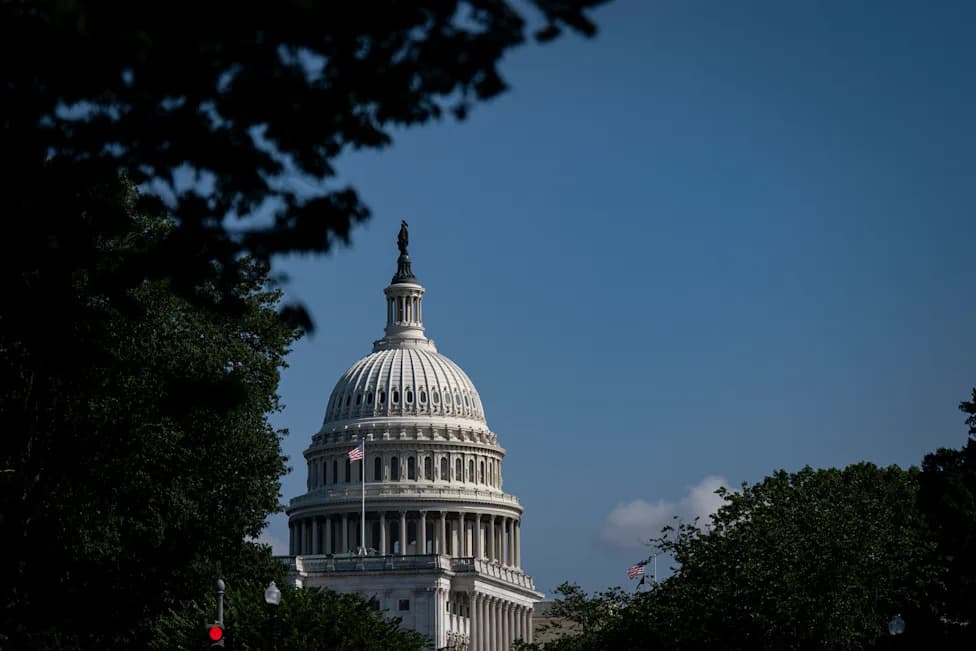
House Lawmakers Launch Movies, Music, Entertainment & Sports Caucus
A bipartisan group of U.S. House members has launched the Movies, Music, Entertainment & Sports (MoMEntS) Caucus to spotlight the economic and cultural importance of the creative industries and to advocate for policy solutions that support jobs, innovation and American competitiveness.
Leadership and Purpose
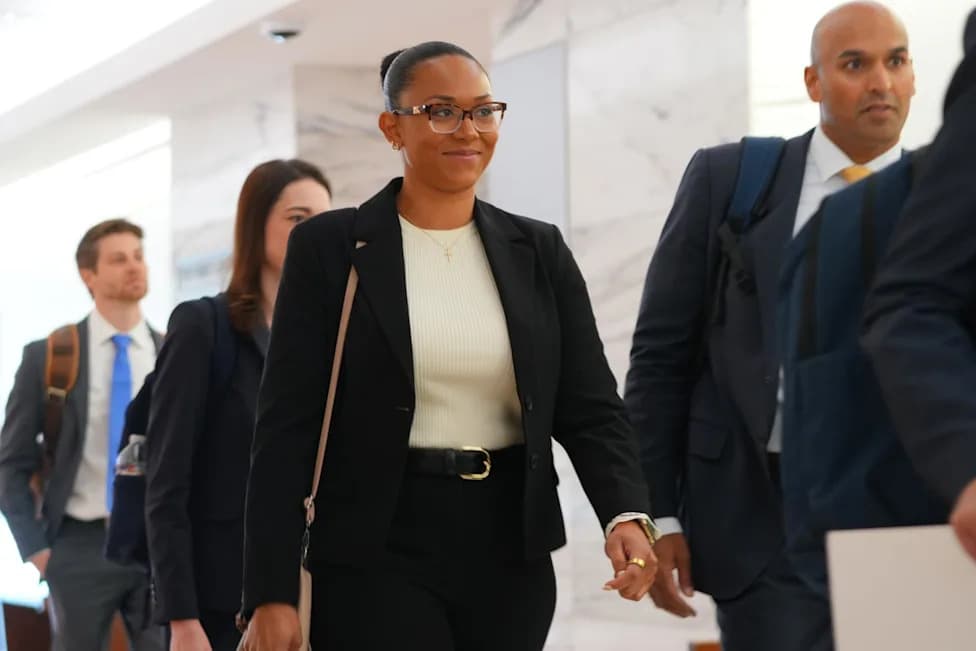
The caucus is being launched by Rep. Sydney Kamlager-Dove (D-CA), whose district covers Culver City, and will be co-chaired by Rep. María Elvira Salazar (R-FL) and Rep. Troy Carter (D-LA). Kamlager-Dove emphasized the scale of the industries the group aims to represent:
"America's creative and entertainment sectors are economic powerhouses, generating more than $1 trillion each year and supporting over five million good-paying jobs. Yet for far too long, Congress has failed to give these industries and the workers and creators who power them the attention and support they deserve."
Scope and Priorities
Organizers say the MoMEntS Caucus will have a broad mandate beyond film and television. Its remit includes broadcasting; music; sports and live entertainment; fashion and beauty; gaming, esports and interactive media; streaming and digital platforms; content creators and the influencer economy; literary and publishing sectors; and visual and performing arts.
The group intends to focus on a range of policy priorities including:
- Advocating for a federal film and television tax incentive to help retain production jobs in the U.S.
- Promoting innovation and competition across platforms and digital services
- Encouraging responsible platform practices that protect creators and consumers
- Supporting workforce development and talent pipelines for creative careers
Statements From Co-Chairs
Rep. María Elvira Salazar said the caucus "will bring lawmakers and creative industries together to better understand the challenges they face, protect creative rights, and keep American talent and innovation leading on the world stage." Rep. Troy Carter added the caucus "provides a critical opportunity for us to prioritize America's creative and entertainment industries, which contribute so much to our nation's history, economy, and culture."
Members and Industry Reaction
Other founding members include Rep. Joe Wilson (R-SC), Rep. André Carson (D-IN), Rep. Gilbert R. Cisneros Jr. (D-CA), Rep. Jared Moskowitz (D-FL) and Rep. Ted W. Lieu (D-CA). Industry leaders praised the move: Recording Academy President Harvey Mason Jr., TKO Group Chief Legal Officer Riché McKnight, Nicole Nason (head of public policy, TikTok USDS Joint Venture) and Kathryn Busby (head of original programming at Starz) were among those who welcomed the caucus.
Context And Related Efforts
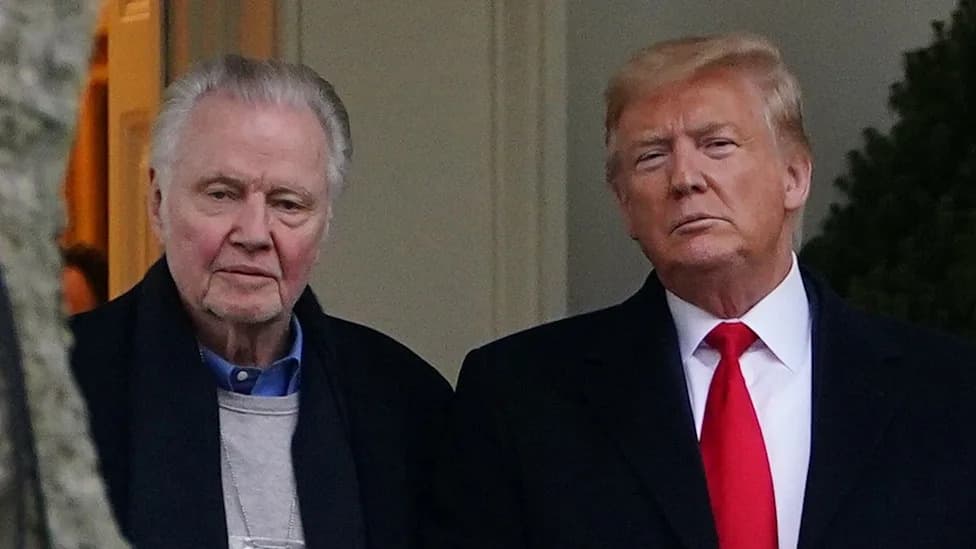
The caucus forms amid continued industry pressure to establish federal incentives for film and TV production to stem the flow of projects to other countries. On a recent press call, Rep. Laura Friedman (D-CA) and Rep. Brian Jack (R-GA) said legislation for a federal film incentive is being drafted, and President Donald Trump has publicly expressed support for such an incentive.
Congress also has a separate Creative Rights Caucus that focuses on copyright, First Amendment and intellectual property issues; that group is co-chaired in the House by Rep. Judy Chu (D-CA) and Rep. Laurel Lee (R-FL), and in the Senate by Sen. Thom Tillis (R-NC) and Sen. Mazie Hirono (D-HI).
What To Watch
Look for the MoMEntS Caucus to host briefings, build bipartisan legislative proposals on incentives and platform policy, and serve as a bridge between lawmakers and a wide range of creative-industry stakeholders.
Help us improve.