The push for a federal film and TV tax credit has advanced to drafted bill language, but negotiations remain ongoing between Congressional leaders and the White House, Senator Adam Schiff’s office says. The working plan includes a 20% base credit that could rise by 5–10% for rural shoots or projects that spread spending across states. Lawmakers are modeling parts of the measure on California’s $750 million program and hope to lure relocating productions back to the U.S. Key hurdles include review by the Joint Committee on Taxation and a crowded congressional calendar ahead of midterm campaigns.
Federal Film & TV Tax Credit Inches Forward: Schiff Says 20% Base Credit Drafted, White House In Talks
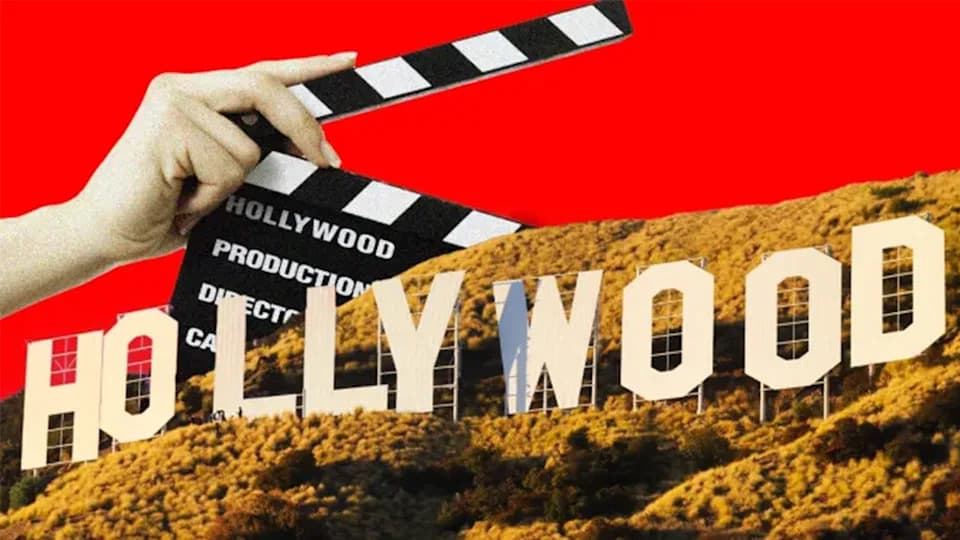
A federal tax incentive to revive U.S. film and television production is closer to reality but not yet finalized, Senator Adam Schiff's office told Deadline. Draft bill language exists and leaders in the Senate, the House and the White House are engaged in negotiations — but lawmakers caution that significant details and approvals remain.
What’s In The Draft
Sources familiar with the talks say the working proposal creates a 20% base federal tax credit for qualifying film and TV projects. That base credit could be increased by an additional 5–10% if productions film in designated rural areas or spread qualified spending across multiple states.
Who’s Leading The Push
Sen. Adam Schiff has spent the last two years building bipartisan support for the effort. In the House, Democrats Reps. Linda Sánchez and Laura Friedman are identified as key proponents. Republican members reportedly involved include Reps. Nathaniel Moran (R‑TX) and Brian Jack (R‑GA). The White House has participated in discussions, and President Trump has publicly backed the incentive effort.
Modeling After State Programs
Much of the draft language borrows from California’s incentive structure, which runs roughly $750 million per year. Proposals under consideration would, like California’s program, offer producers multiple mechanisms to redeem credits over time and create targeted bonuses to encourage relocation or expansion of shoots into underused states and rural communities.
Industry And Political Dynamics
Lawmakers and industry advocates want the program to spread benefits nationwide — protecting production hubs such as California and New York while also offering incentives to grow the industry in states like Texas and Georgia. Sources say some draft ideas echo input from industry executives, including suggestions reportedly raised by Paramount CEO David Ellison.
“Negotiations are ongoing,” a Schiff spokesperson said, noting talks intensified in recent days but are not complete.
Timing And Hurdles
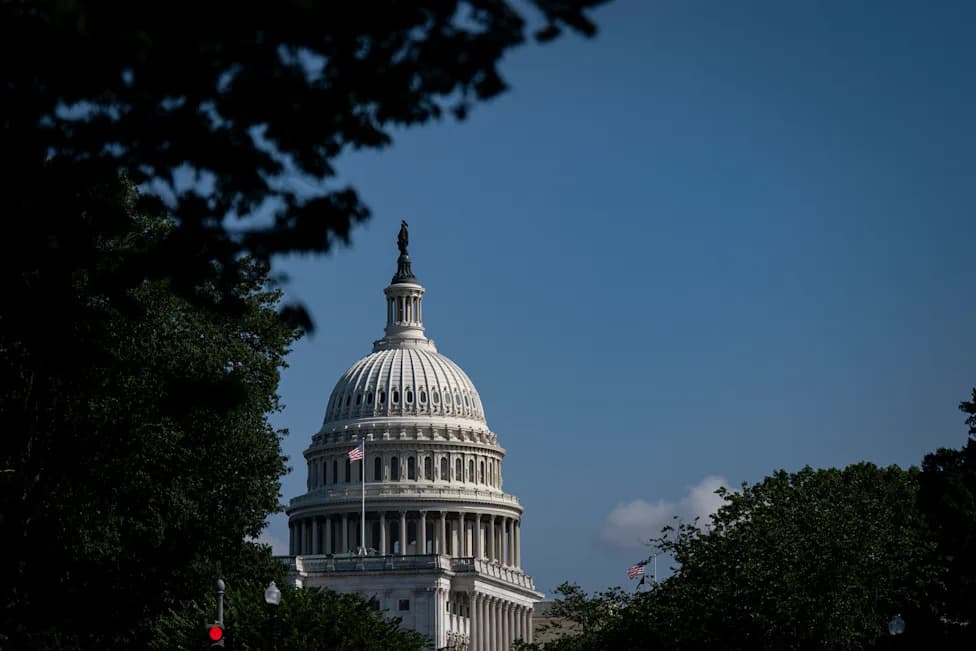
Even with bipartisan interest and high-level attention, procedural and political obstacles remain. The Joint Committee on Taxation — chaired by Sen. Mike Crapo (R‑ID) — must evaluate the budgetary impact of any federal tax-credit program, and the committee typically reviews proposals that exceed $2 million in projected costs. The proposed Motion Picture, Television, and Entertainment Revitalization Act would exceed that threshold by a large margin.
Congressional timing is tight: both chambers are preparing for the midterm campaign season and related events that will limit floor time and delay final negotiations. Political priorities differ by party and state, and proponents acknowledge the process may take time.
Bottom Line
The draft marks a significant step: a concrete proposal with a 20% base credit and potential rural/multi-state bonuses is on the table. But stakeholders should expect a continued, careful process — including cost review, political bargaining and calendar constraints — before any bill could reach the president’s desk.
Ted Johnson contributed to this report.
Help us improve.