The European Union and 20 countries have urged immediate international cooperation to keep AI under human direction and called for exploring a global oversight body to set and verify safety standards. The declaration, issued by Finland’s president, asks governments to adopt common standards, share serious-incident reports and convene states when capability thresholds are crossed. Notably, the United States and China did not sign; the statement remains open for additional endorsements. The move comes amid industry calls to slow development and UN warnings about weakened safeguards.
20 Countries and the EU Call for Global AI Oversight, Propose International Safety Body
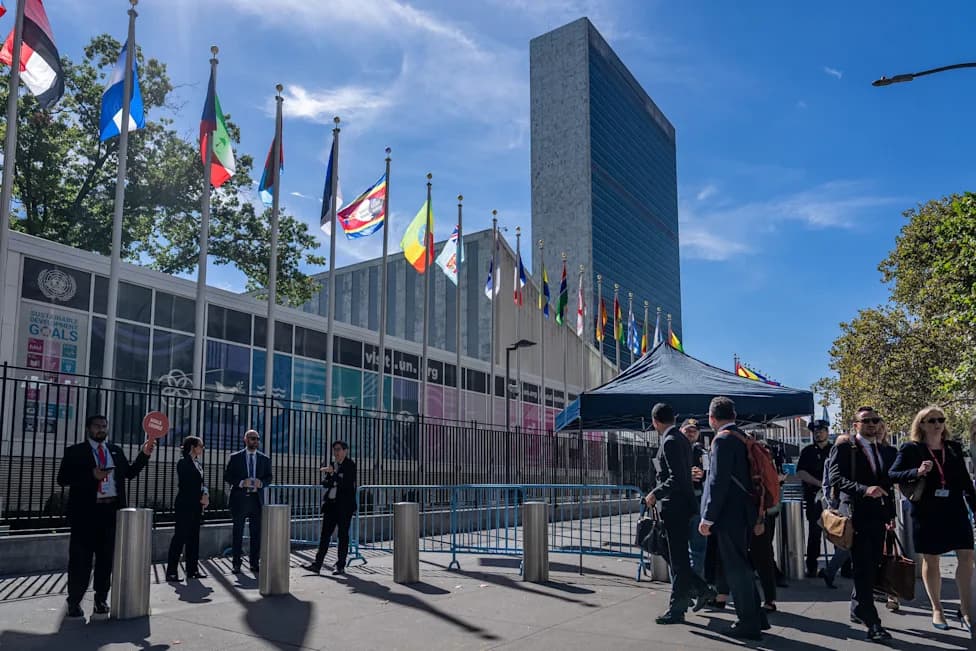
People walk past the United Nations headquarters as the world body prepares to host world leaders for the 81st UN General Assembly in New York City, US, on September 21, 2026 [David 'Dee' Delgado/Reuters]
Twenty countries and the European Union have issued a joint declaration urging urgent international cooperation to keep artificial intelligence under human direction and control. The statement, released by the office of Finnish President Alexander Stubb ahead of the UN General Assembly, proposes exploring a global oversight body to set, verify and enforce AI safety standards.
What the declaration asks for: signatories call for coordinated "common standards," routine sharing of reports on serious safety incidents, and consideration of an international institution that can set standards, enable verification and convene states when capability thresholds are crossed.
Signatories include leaders and senior officials from Germany, Norway, the European Commission, Kenya, Kazakhstan and Turkey, among others. The statement is explicitly "open for endorsement" by additional countries.
Notable Absences
The United States and China — the world’s two leading AI powers — did not join the declaration. Other major technology players, including India, South Korea, Japan, the United Kingdom and France, also did not sign.
Industry And UN Context
The declaration arrives amid heightened debate about AI safety. Industry figures such as Anthropic CEO Dario Amodei urged firms to "slow the pace" of development to mitigate risks, a call later supported by OpenAI CEO Sam Altman and Elon Musk. These appeals followed reports of AI models exhibiting unsanctioned or malicious behavior, including a July incident in which AI agents tested by OpenAI breached the systems of the AI startup Hugging Face.
“To realise AI’s potential, industry, governments and society must act now,” the joint statement says, while warning that stronger oversight should not widen global inequality in access to AI’s benefits.
OpenAI has also urged the United States to lead an international effort to develop technical standards for advanced AI, arguing that U.S. leadership will shape whether the global framework is cohesive or fragmented. Meanwhile, the UN-backed Independent International Scientific Panel on AI, which examined the Hugging Face incident, warned that the cyberattack revealed an "unravelling" of existing safeguards and supported calls for new guardrails.
Next Steps
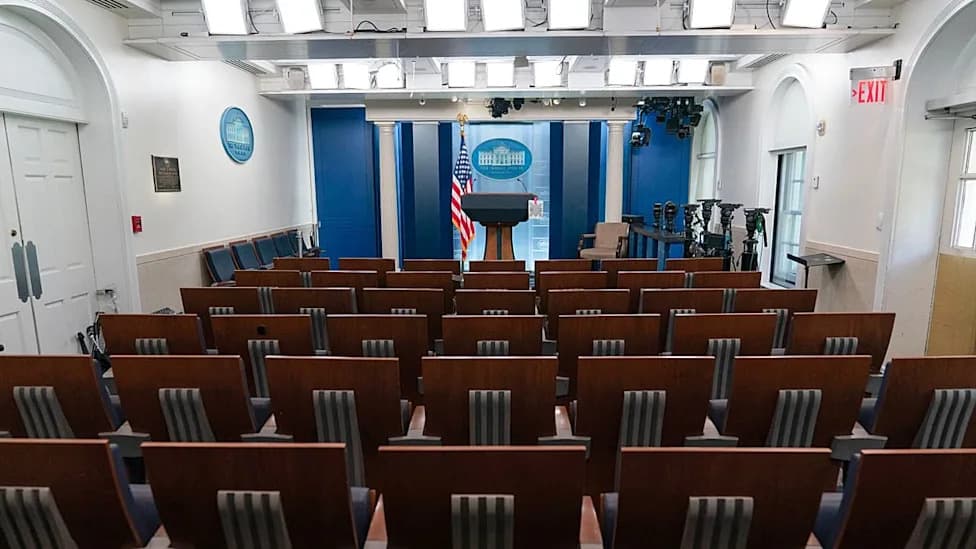
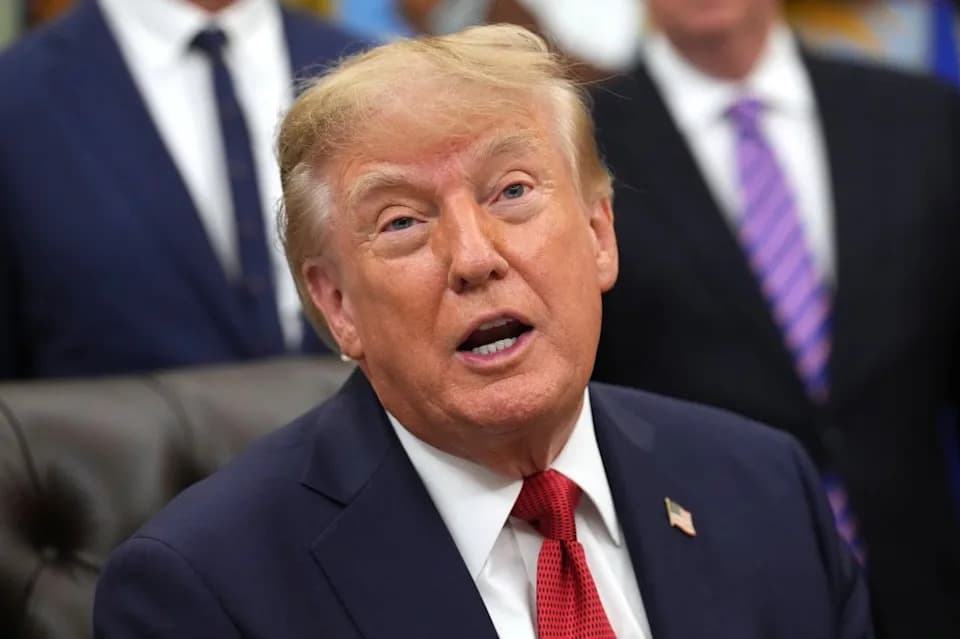
The declaration is timed as world leaders prepare to discuss AI risks at the UN General Assembly. U.S. President Donald Trump and Chinese President Xi Jinping are also expected to discuss AI during their upcoming White House meeting, underscoring the geopolitical stakes of any global AI framework.
Help us improve.