The UN General Assembly convenes in New York under the theme "Restoring trust, managing transformation." Outgoing Secretary‑General António Guterres delivers his final address amid a major focus on artificial intelligence and an active contest to succeed him. Expect high‑level side meetings (including Trump, Zelensky and Gulf leaders), diplomatic flashpoints over visas and delegations, and improved but still fragile UN finances following a large US dues payment.
What to Expect at This Year’s UN General Assembly — Guterres’ Farewell, AI on Center Stage, and High‑Stakes Side Meetings
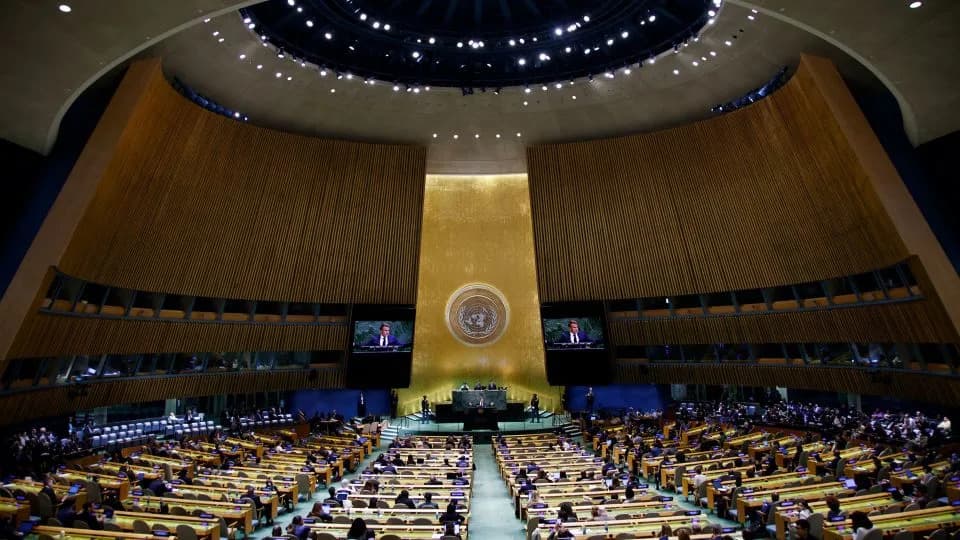
French President Emmanuel Macron speaks during the United Nations General Assembly at the UN headquarters in New York on September 23, 2025. - Leonardo Munoz/AFP/Getty Images
Officials say the United Nations’ famously temperamental escalator has been repaired in time for the annual gathering of diplomats and heads of state at UN headquarters in New York.
Outgoing UN Secretary‑General António Guterres made the remark at his final press briefing before the General Assembly, which will draw hundreds of delegations and dozens of leaders to the city. Guterres referenced last year’s incident when US President Donald Trump complained of “sabotage” after an escalator malfunctioned while he was en route to the General Assembly Hall.
Theme and Political Context
This year’s General Assembly theme — "Restoring trust, managing transformation: A United Nations that delivers for all" — frames a week dominated by competing priorities: leadership transition at the UN, urgent geopolitical crises, and growing attention to the risks and governance of artificial intelligence.
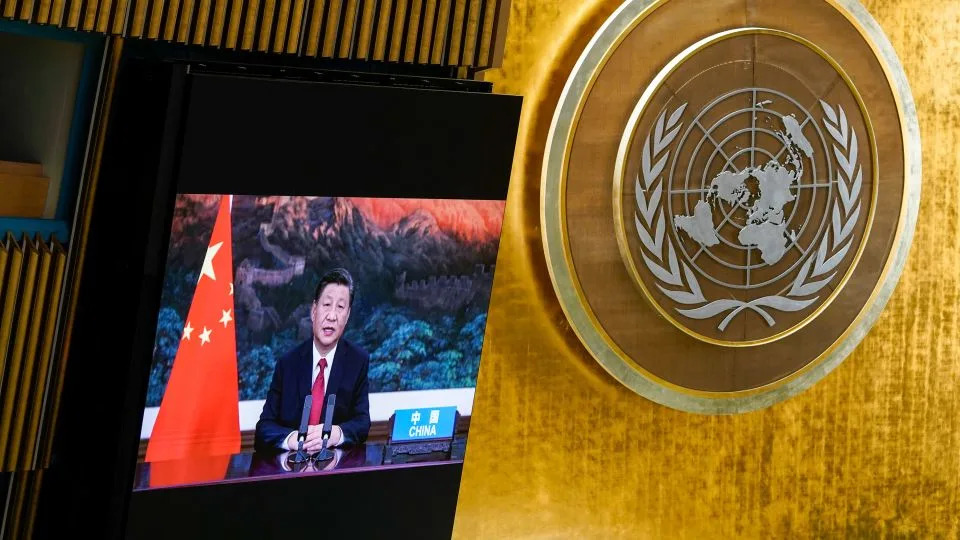
Chinese leader Xi Jinping is seen on a video screen as he addresses the 76th session of the United Nations General Assembly on September 21, 2021. The virtual address was the last time Xi spoke at the UN General Assembly. - Mary Altaffer/Pool/Getty Images
What To Watch on the Floor and Off the Floor
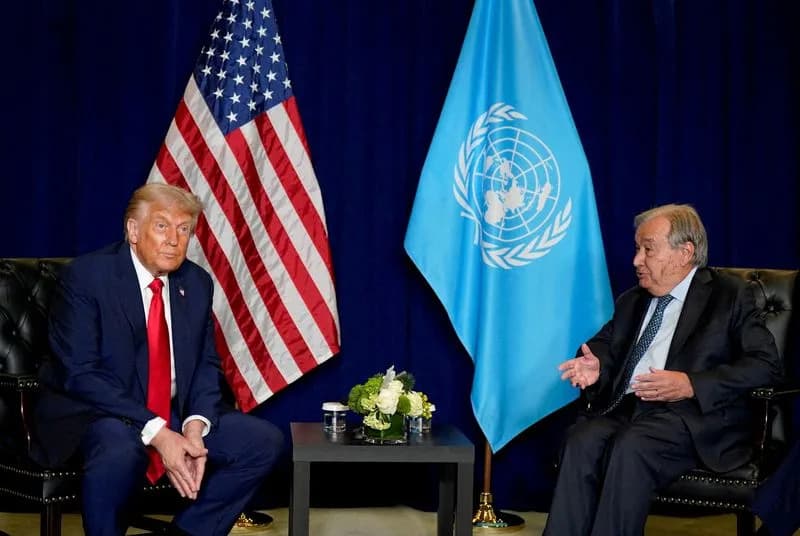
The UN’s high‑density gathering of leaders makes the Assembly a focal point for bilateral and multilateral diplomacy. Several high‑level side meetings are expected, including reported talks involving President Trump and Gulf leaders on the conflict with Iran, and a planned Trump–Zelensky meeting in New York.
Other scheduled and potential highlights include:
- France convening follow‑up talks on a two‑state solution for Israel and Palestine.
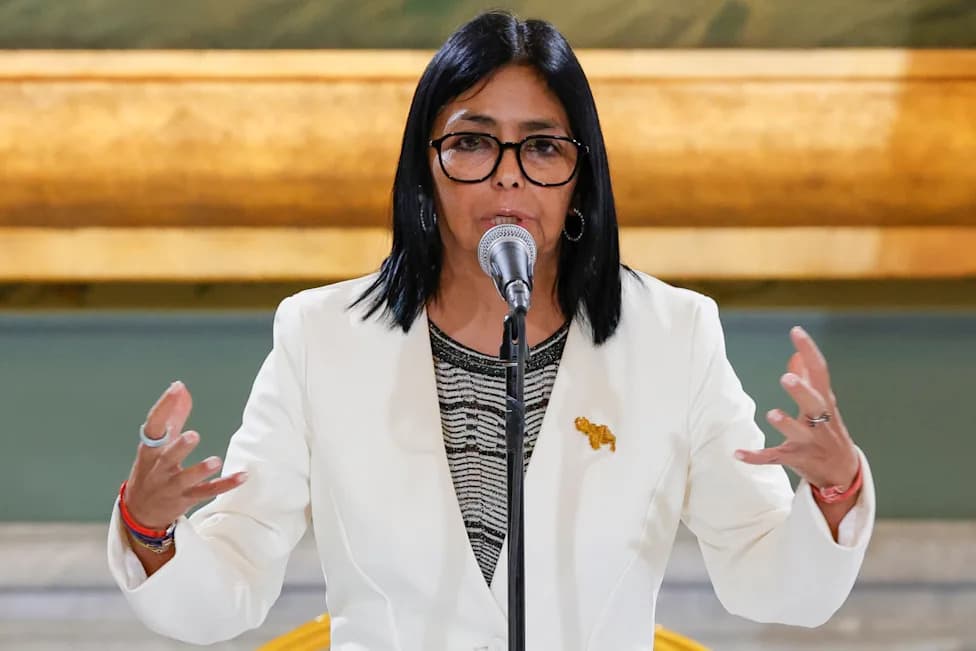
- Venezuela’s acting President Delcy Rodríguez making her UN debut while former President Nicolás Maduro remains detained in the United States, a circumstance that adds diplomatic tension.
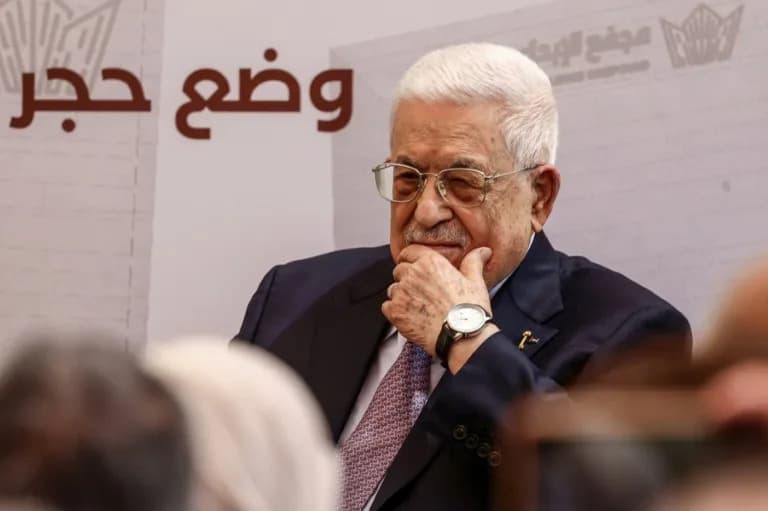
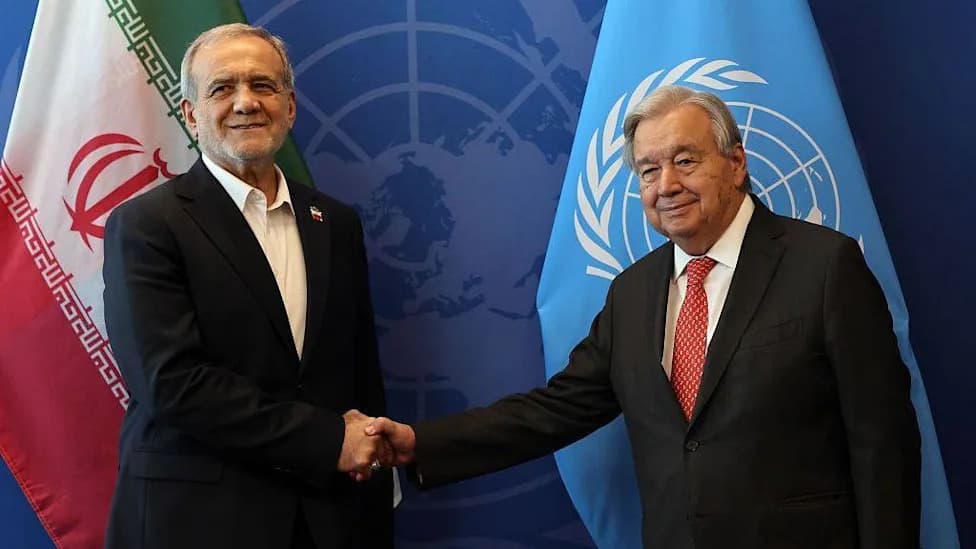
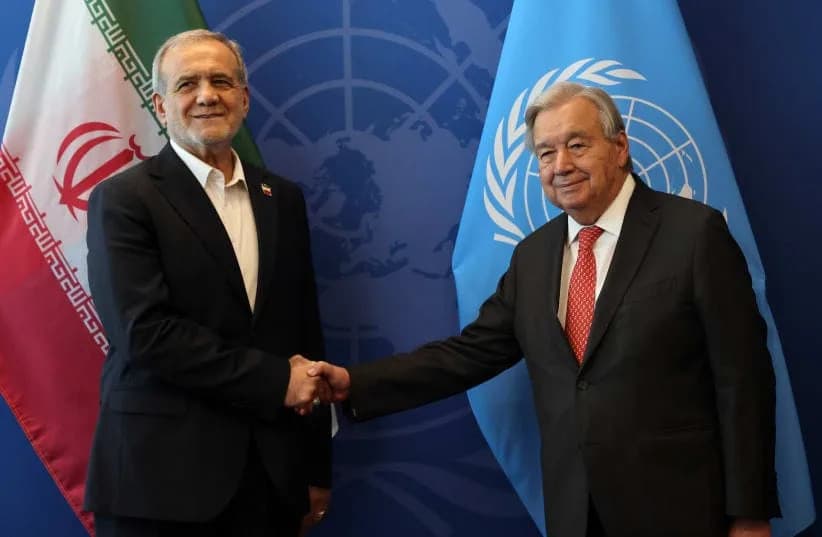
- Diplomatic maneuvering over visas and delegations: the US will permit a reduced "core delegation" from Iran, including President Masoud Pezeshkian, subject to travel and purchasing restrictions, while other Palestinian officials may be denied visas and expected to appear via video.
Speeches, Signals and Protocol
Speeches from the General Debate podium often attract attention for both content and audience reaction. The order of speakers helps set the tone for the week: Brazilian President Luiz Inácio Lula da Silva is scheduled to open the forum, and other headline speakers include Israeli Prime Minister Benjamin Netanyahu.
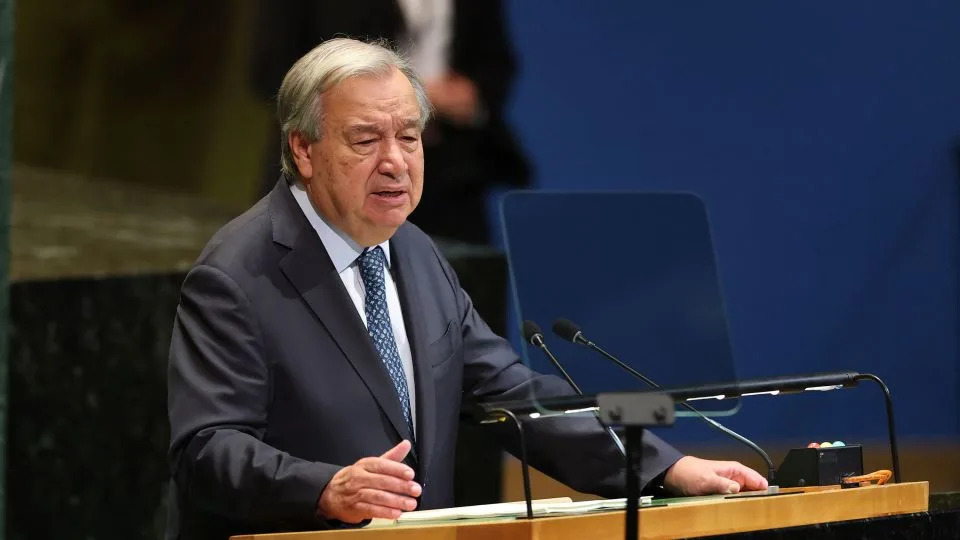
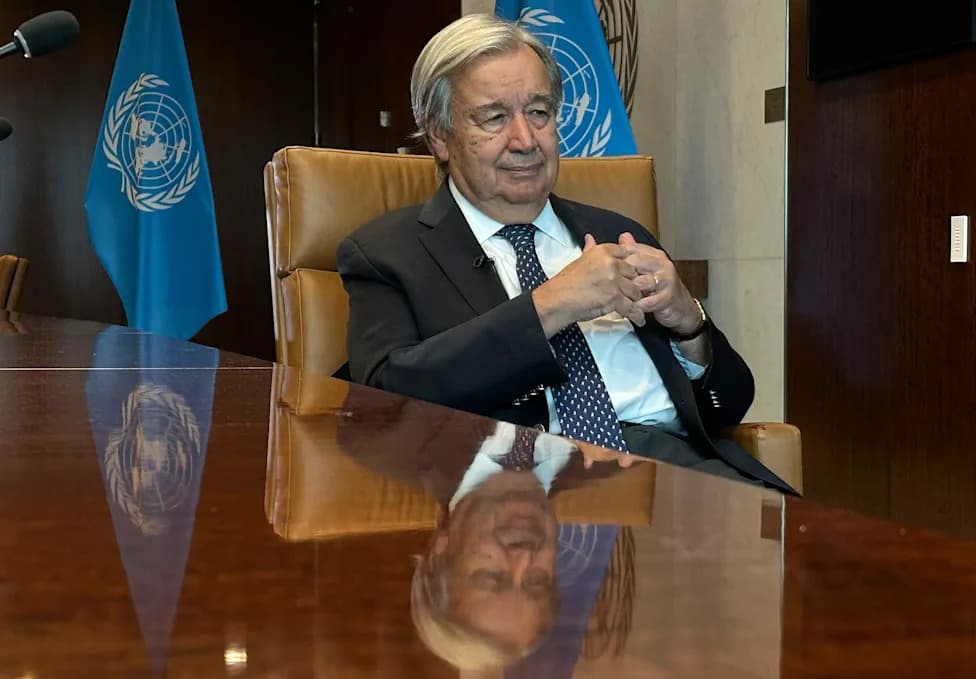
UN Secretary General Antonio Guterres speaks during the United Nations General Assembly at the UN headquarters in New York on September 23, 2025. - Angela Weiss/AFP/Getty Images
Analysts note that the mix of who attends in person — whether more heads of state or lower‑level representatives — will send political signals about global engagement with the UN and its priorities.
Leadership Race and the Secretary‑General’s Legacy
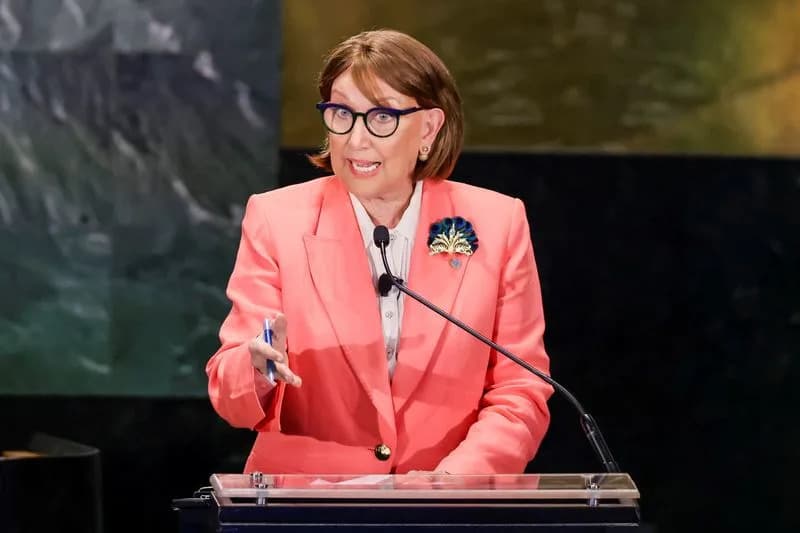
Guterres will deliver his final address as secretary‑general, using the platform to defend his record and outline priorities—most notably the UN’s approach to artificial intelligence. An informal Security Council straw poll for his successor reportedly gives a narrow lead to Costa Rica’s former vice‑president Rebeca Grynspan, but a formal consensus candidate has not been endorsed by all permanent members.
Artificial Intelligence: A Dominant Theme
After weeks of high‑profile warnings and debate, AI is a headline issue at this year’s Assembly. Guterres spent a substantial portion of his last press briefing on AI concerns and practical governance approaches. The week’s events include a conference on “Digital Cooperation” involving tech leaders, diplomats and civil society, a Security Council briefing on AI, and additional US‑hosted AI programming.
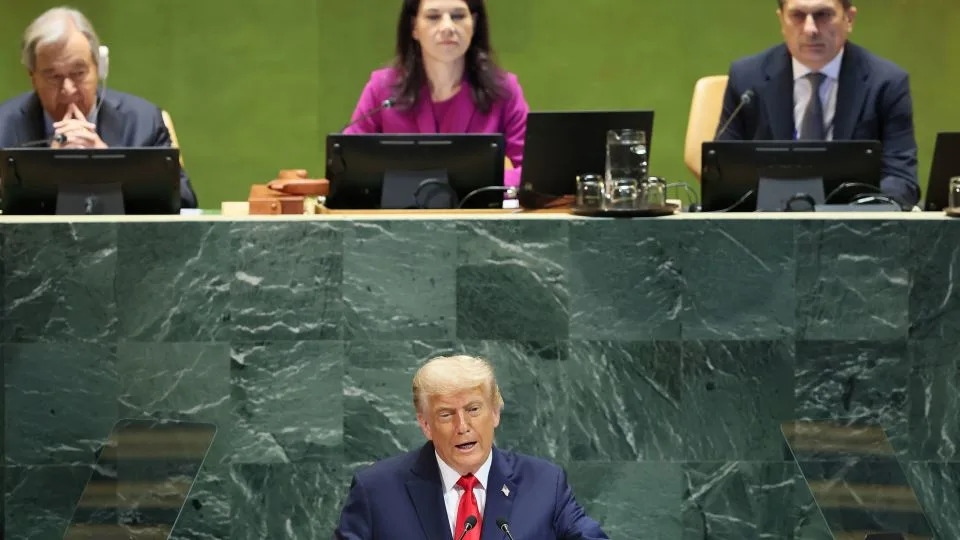
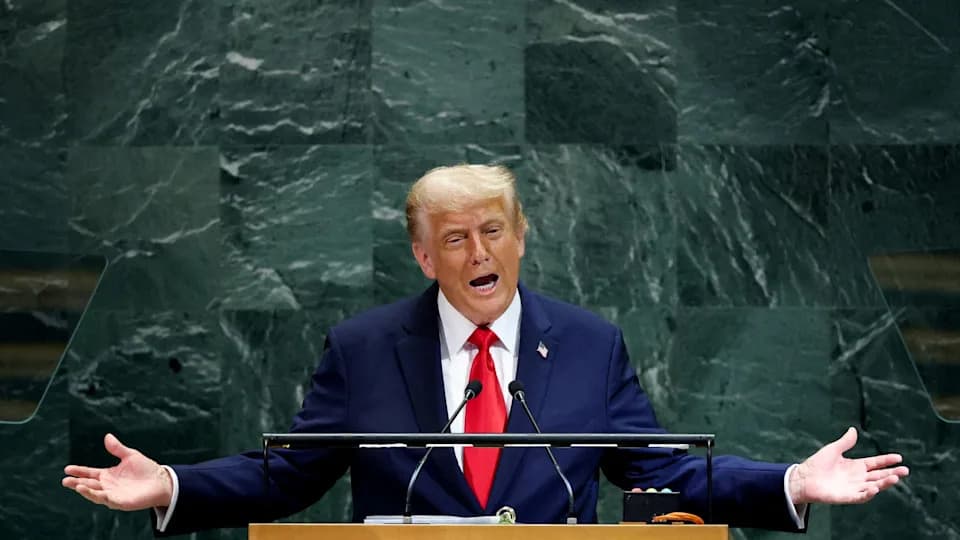
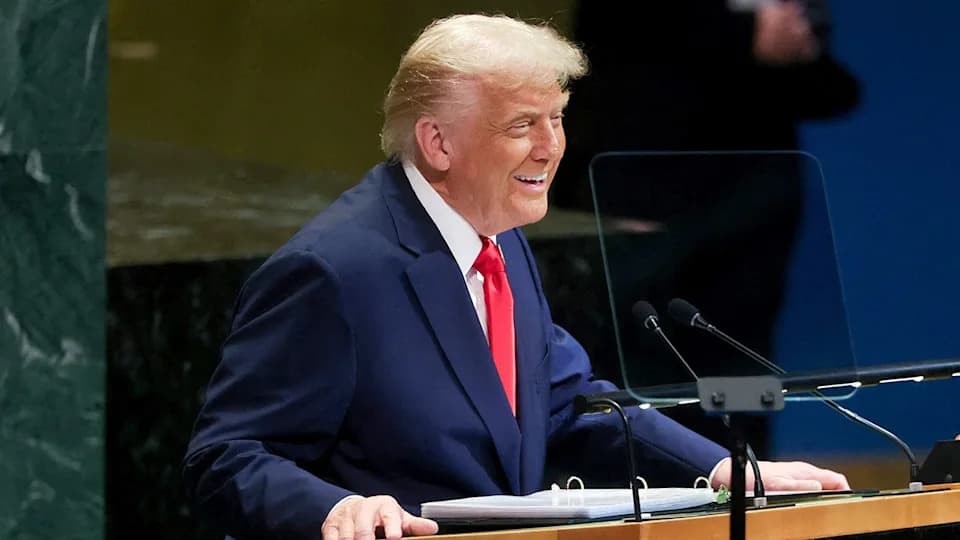
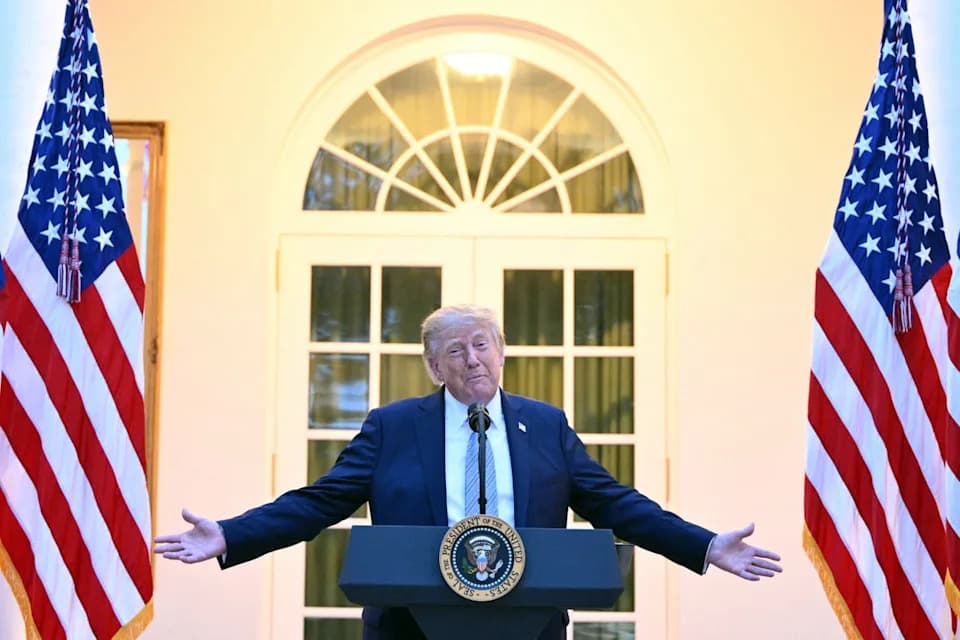
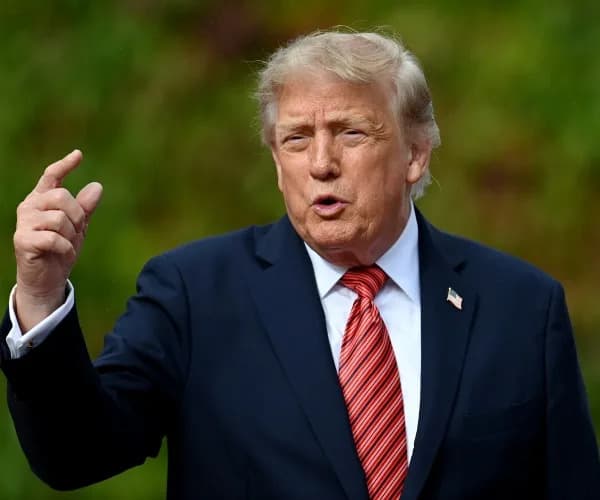
President Donald Trump speaks during the United Nations General Assembly in New York on September 23, 2025. - Michael M. Santiago/Getty Images
"Artificial intelligence will certainly be a major topic in my discussions with world leaders next week," Guterres said, stressing the UN’s role in shaping practical, global responses to emerging technologies.
Money Matters and Institutional Relevance
Financially, the UN is in a more stable position than in recent months: the United States transferred $827 million in dues ahead of the Assembly — a partial payment toward a larger outstanding balance — easing immediate budgetary pressure.
Despite recurring criticism about effectiveness, many analysts continue to stress the UN’s unique ability to convene virtually every state and provide a forum for deconfliction, norm‑setting and diplomacy amid multiple concurrent conflicts.
Takeaway
This year’s General Assembly is part farewell tour, part battleground for new global priorities. Expect intense hallway diplomacy, a pronounced focus on AI governance, and high political symbolism as member states position themselves ahead of the next secretary‑general selection.
Help us improve.