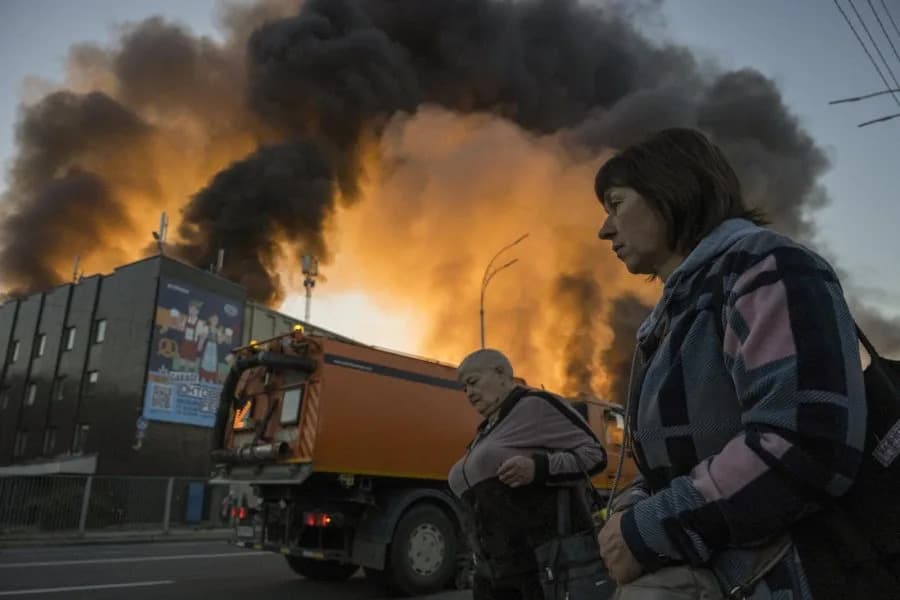
Pakistan has publicly pledged to physically defend Saudi Arabia if attacked, saying it will "go to any extent" after recent Houthi gains in Yemen, including Mokha and Perim Island. The declaration tests a secret Mecca defence pact signed by Saudi Arabia, Pakistan and Turkey, though analysts say the agreement may be more political than a guarantee of ground intervention. Regional tensions with Iran have intensified, and the disruption of both the Bab el-Mandeb and the Strait of Hormuz would pose major risks to global energy supplies. The UN reports significant displacement in Yemen, reflecting the growing humanitarian impact.
Pakistan Signals Willingness To Defend Saudi Arabia As Houthi Offensive Escalates
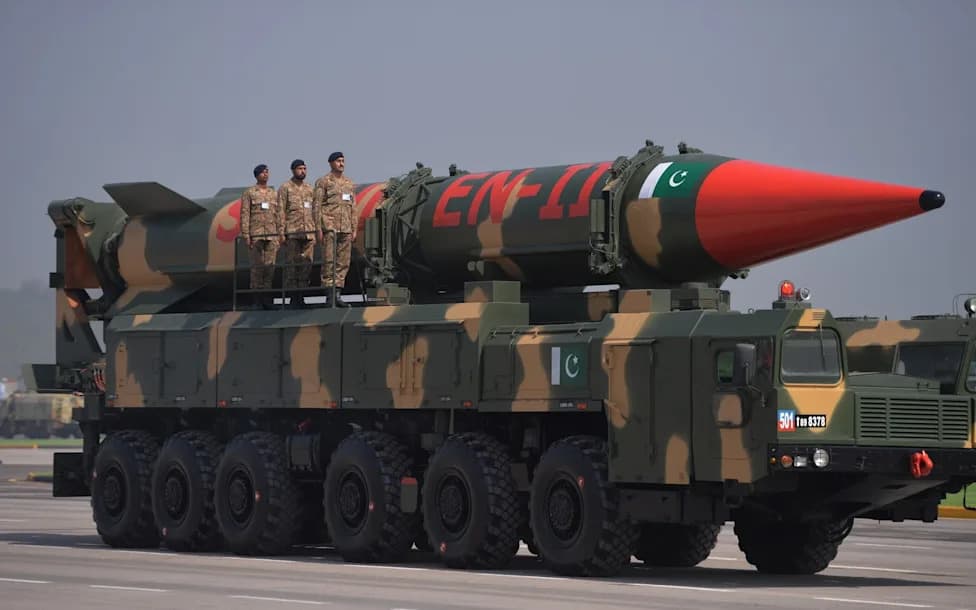
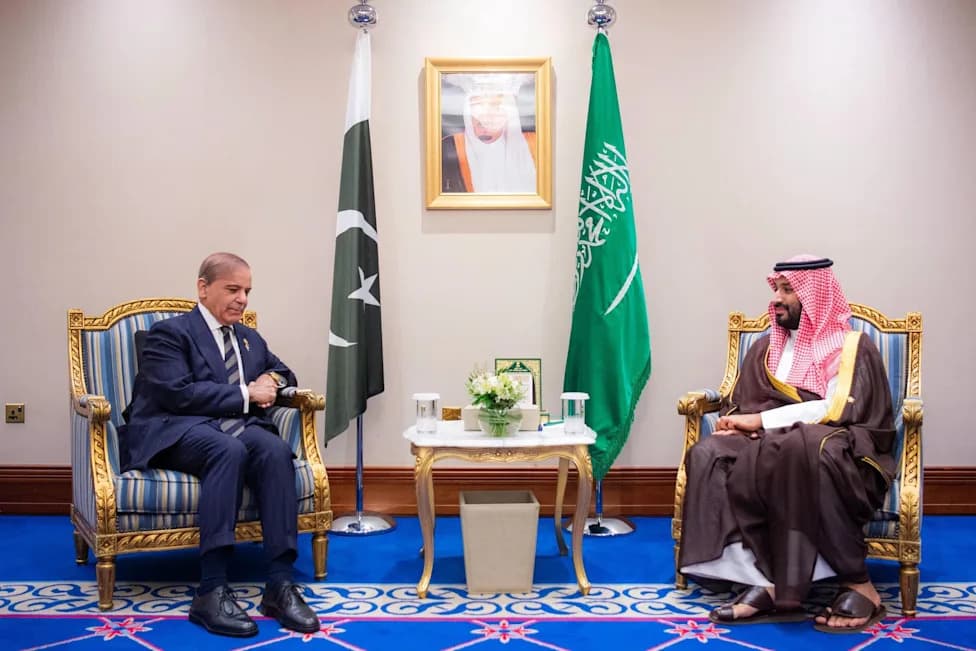
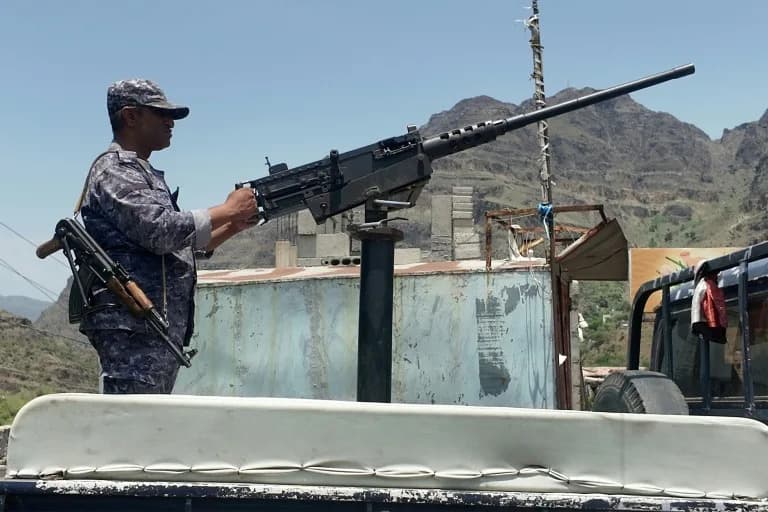
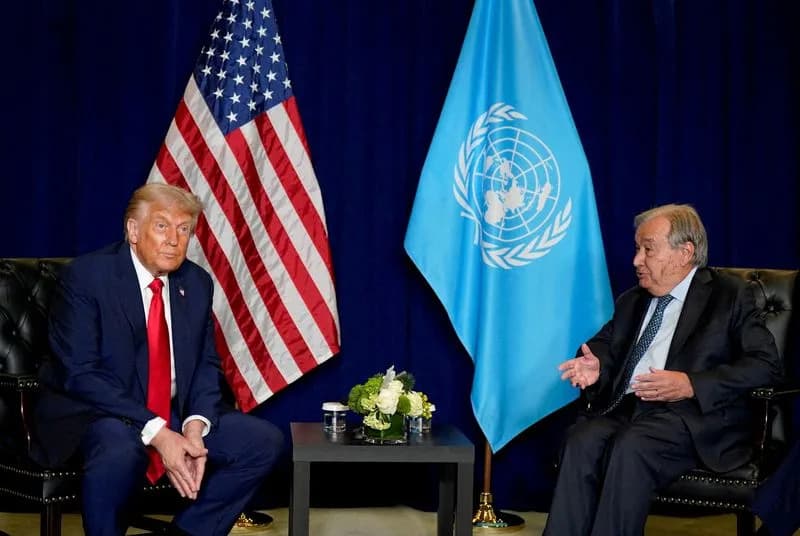
Pakistan has pledged to 'go to any extent' in support of Saudi Arabia as it fights against the Houthis - AAMIR QURESHI/AFP
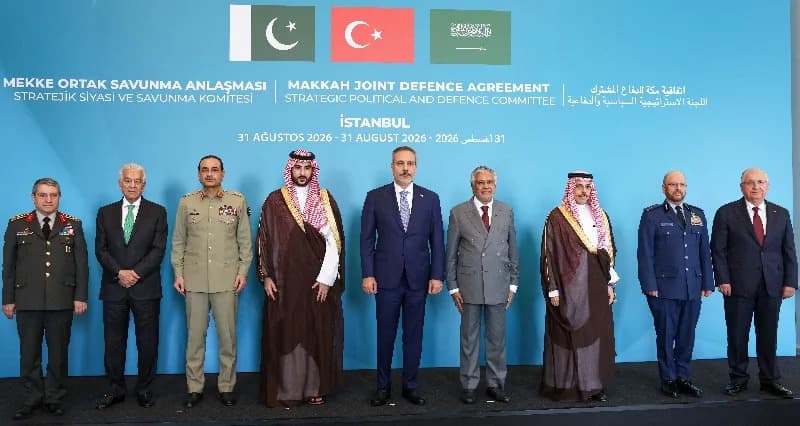
Pakistan has warned it could join efforts to defend Saudi Arabia after a recent surge in Houthi advances across Yemen and attacks inside Saudi territory. In a forceful statement, the Pakistani military said it would "go to any extent" to support the kingdom, the strongest signal of military solidarity since Pakistan, Saudi Arabia and Turkey signed a Mecca defence pact last month.
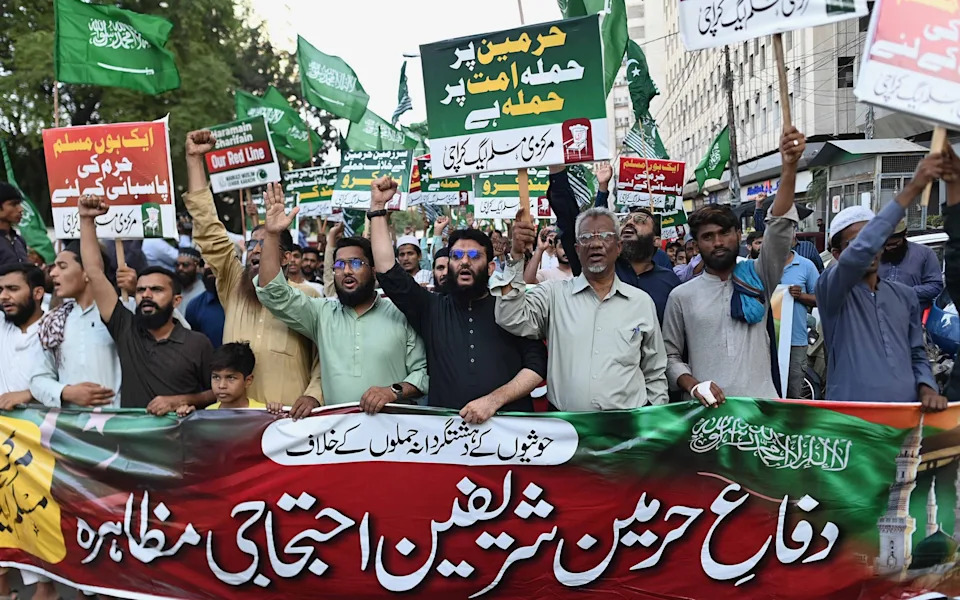
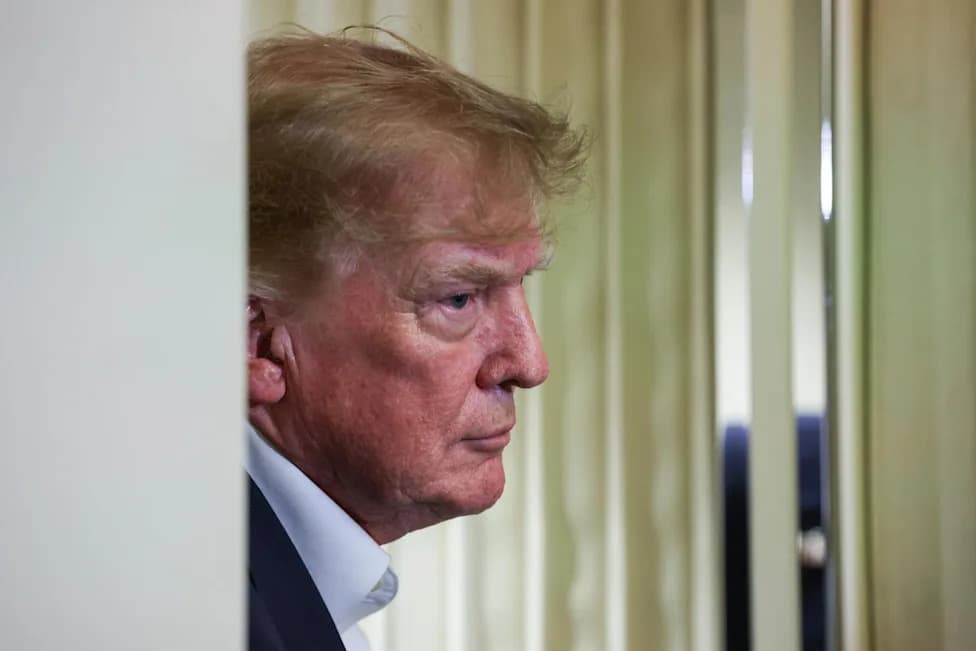
Popular support is building in Pakistan for military intervention against the Houthis - SHAHZAIB AKBER/EPA/Shutterstock Editorial
Strong Statement From Islamabad
Lt Gen Ahmed Sharif Chaudhry, the Pakistani military's chief spokesman, said: "Pakistan fully stands with the Kingdom of Saudi Arabia, both diplomatically and physically. And I would like to underscore here the word physically. We will go to any extent. We are there and we will continue to defend the Kingdom of Saudi Arabia against any aggression." Observers note this marks a sharper public posture compared with Islamabad's earlier, more cautious diplomatic messaging.
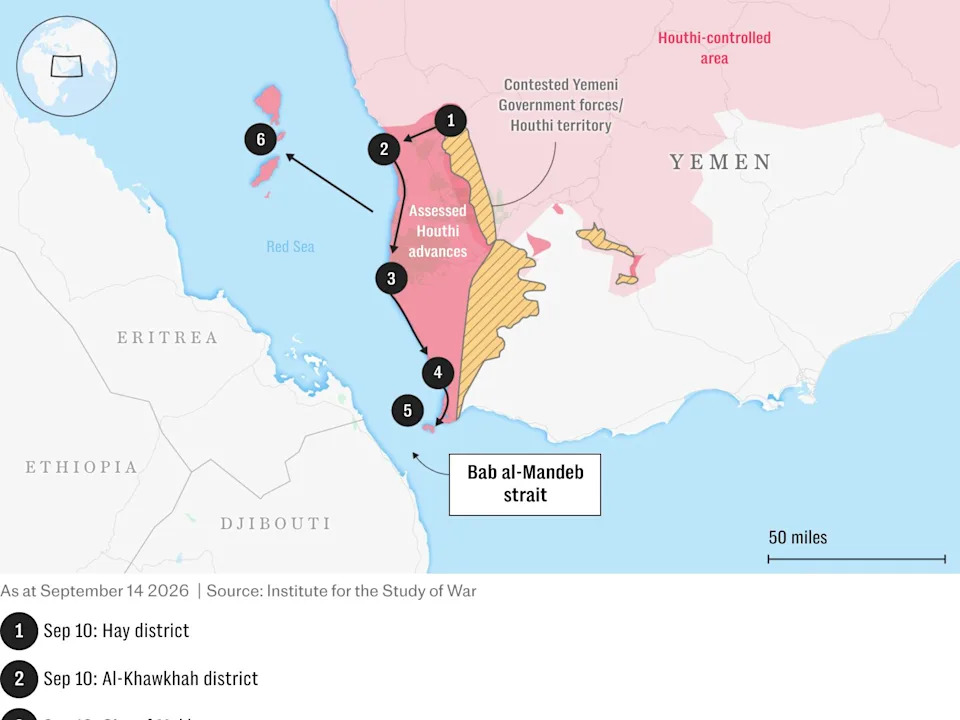
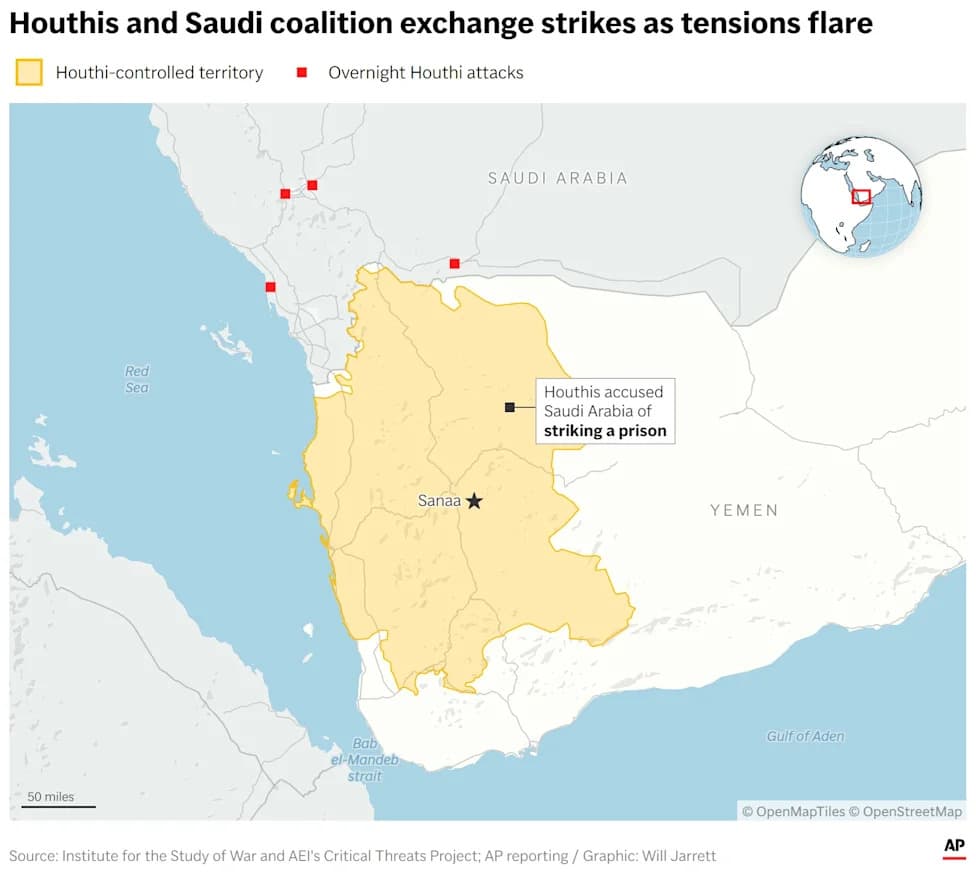
1609 Houthis – updated control map
On-the-Ground Developments
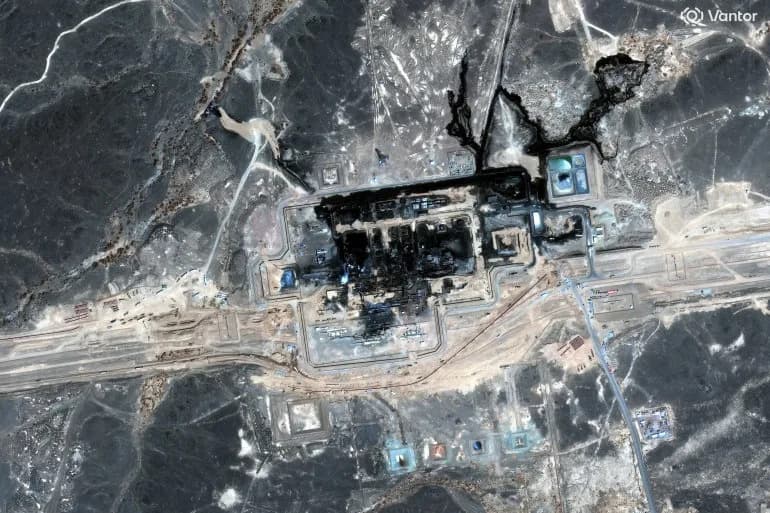
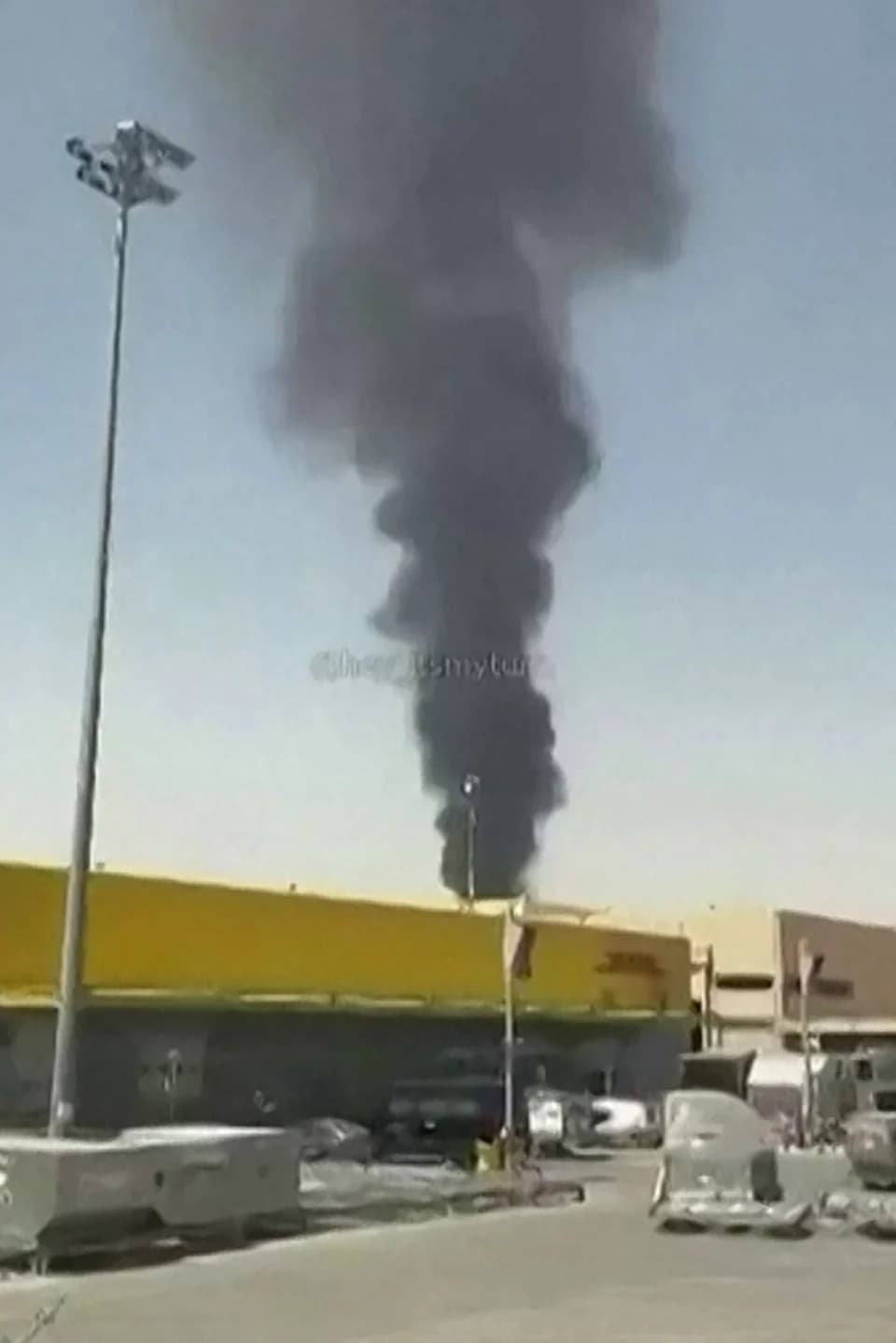
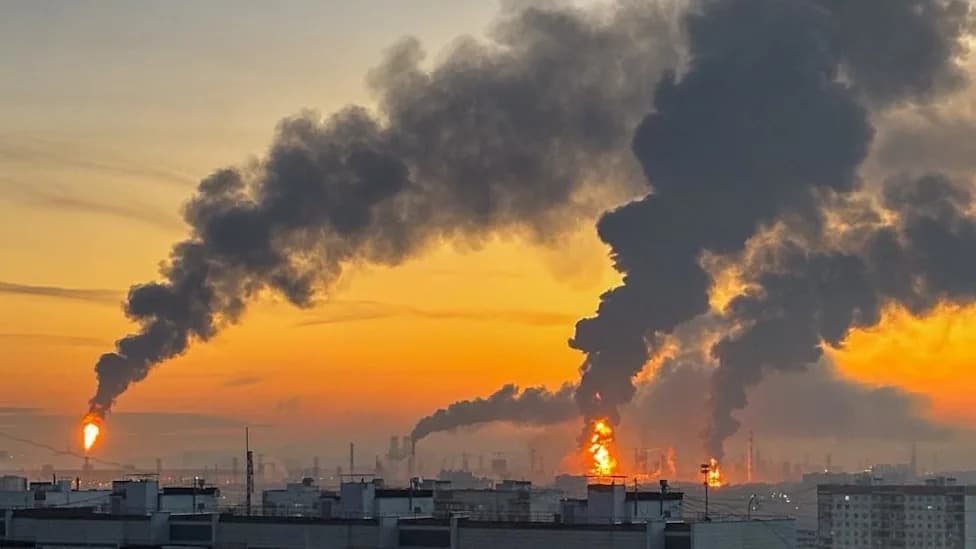
Houthi forces have reportedly seized the strategic port of Mokha and captured Perim Island in the Bab el-Mandeb strait, while carrying out strikes deep inside Saudi Arabia. These moves have raised serious concerns about the security of vital shipping lanes and global energy supplies.
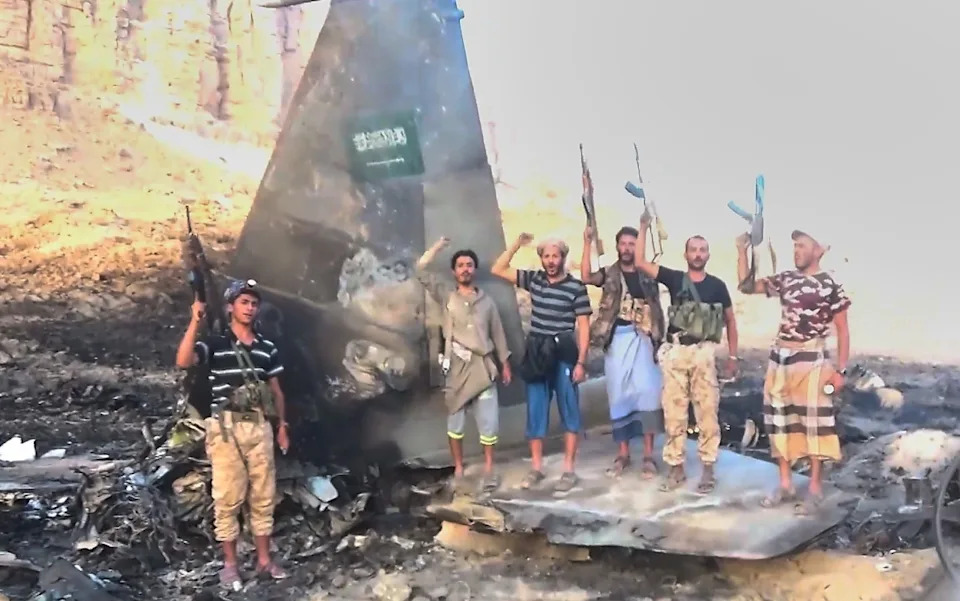
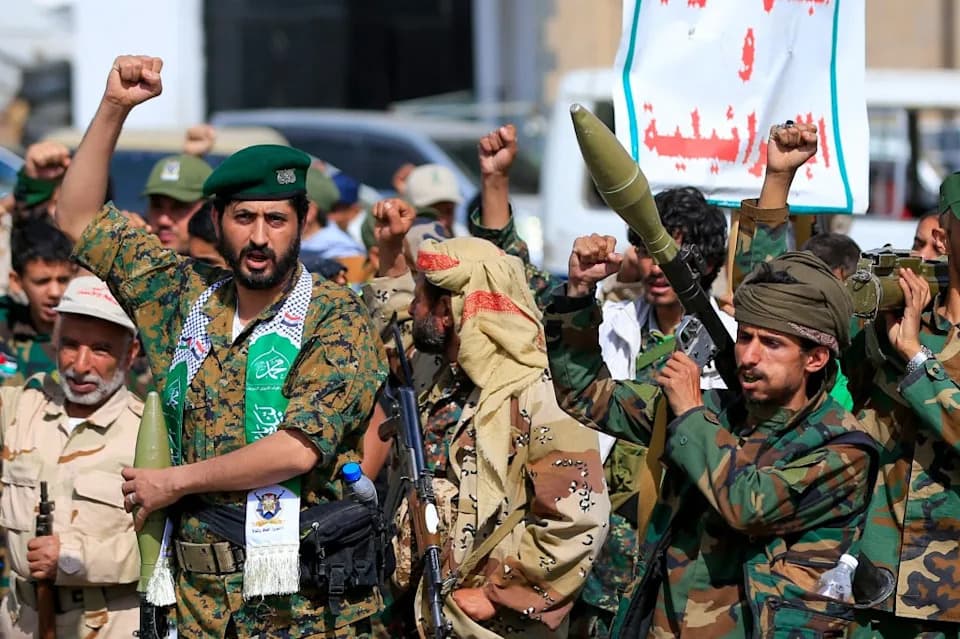
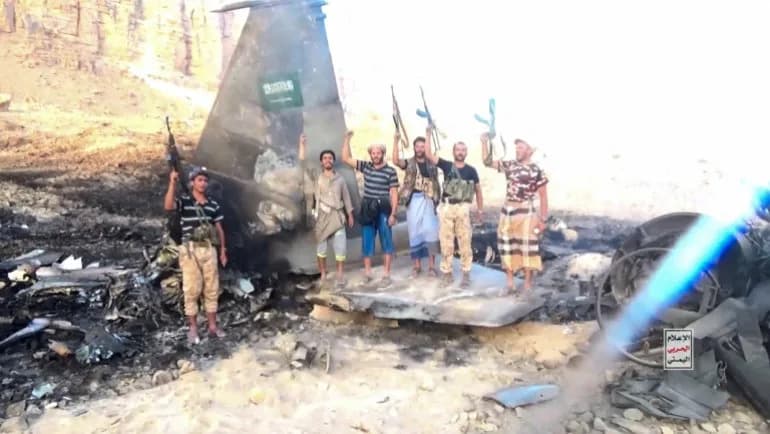
Houthi fighters claim to have downed a Saudi F-15 fighter jet earlier this month in Marib province, Yemen - Ansar Allah Media Office
Earlier this year Pakistan deployed an estimated 8,000 troops to Saudi Arabia, along with a squadron of JF-17 fighter jets, unmanned drones and an HQ-9 air-defence system. The Houthi campaign now presents a practical test for the Mecca pact, whose text has not been published but uses collective-defence language modelled on NATO's Article 5.
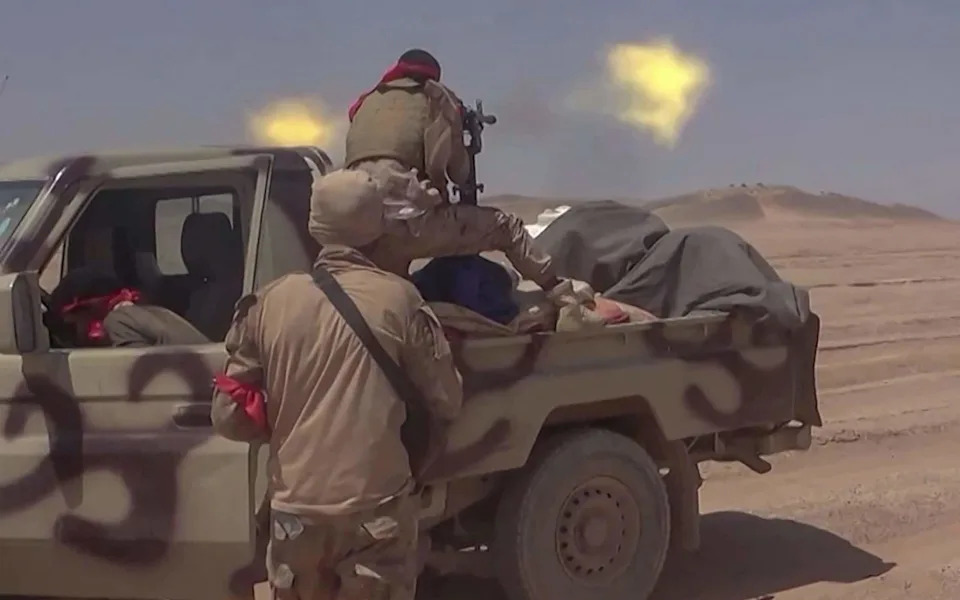
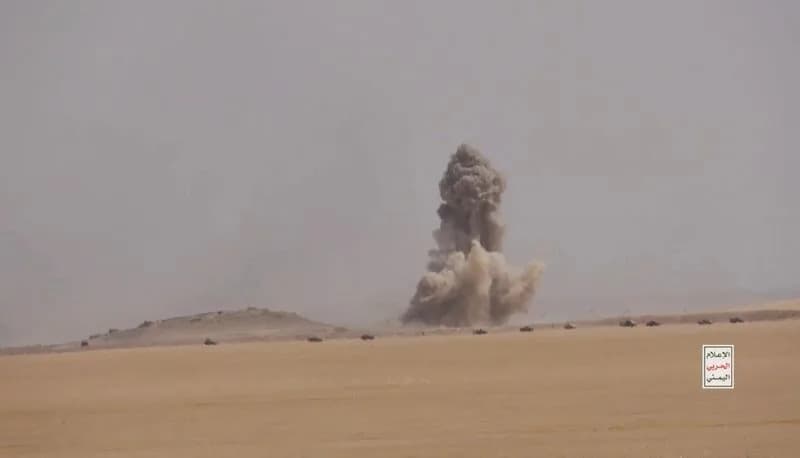
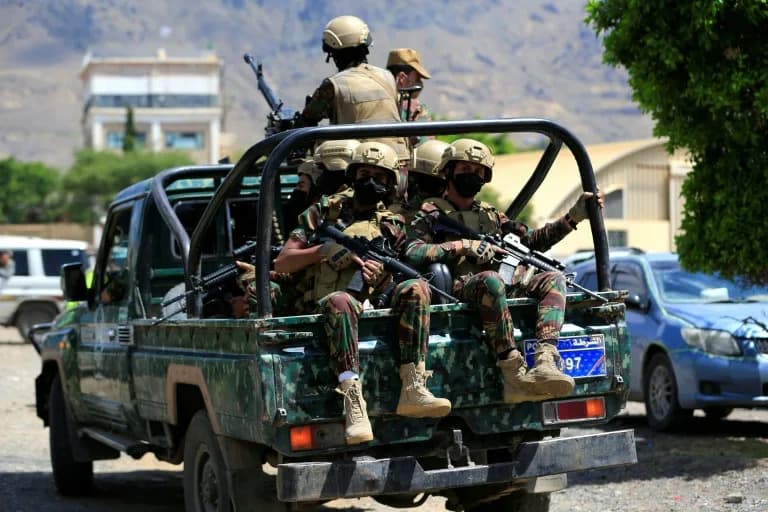
Saudi forces have struggled to contain the Houthi advance - AFP
International Responses And Limits
Saudi officials have reportedly asked France, Pakistan, Egypt and Britain for air-defence support amid apparent shortages of missile interceptors. The White House has, according to reports, so far declined to intervene directly despite appeals from Saudi leaders. Britain has said it is weighing its response, and some UK figures have signalled support, including offers of military advisers.
Analysts caution against assuming the Mecca pact guarantees direct ground intervention by partner states. Islamabad- and Ankara-based commentators argue the agreement is as much a political and security signal to Tehran as a binding operational commitment; both Pakistan and Turkey are unlikely to volunteer for an open war with Iran, they say.
Regional Risks And Iranian Reaction
Iran and its allies view the pact as aimed at limiting Tehran's regional influence. Iranian officials have responded aggressively in rhetoric, and Tehran-aligned groups have increased pressure on regional shipping routes. Iranian sources have at times threatened closure of the Strait of Hormuz — a move that, together with Houthi activity in the Red Sea, could imperil both of the region's principal oil-export routes.
Humanitarian Impact
Fighting continues across Yemen. Houthi media claim to have downed a Saudi F-15 earlier this month, a claim not independently verified. The United Nations reports more than 112,000 people were displaced inside Yemen in the past two weeks and nearly 3,000 have fled by sea to Djibouti, underscoring the humanitarian toll of the expansion of hostilities.
Note: Many operational details remain contested or unverified; this article attributes claims where appropriate to the sources that reported them.
Help us improve.