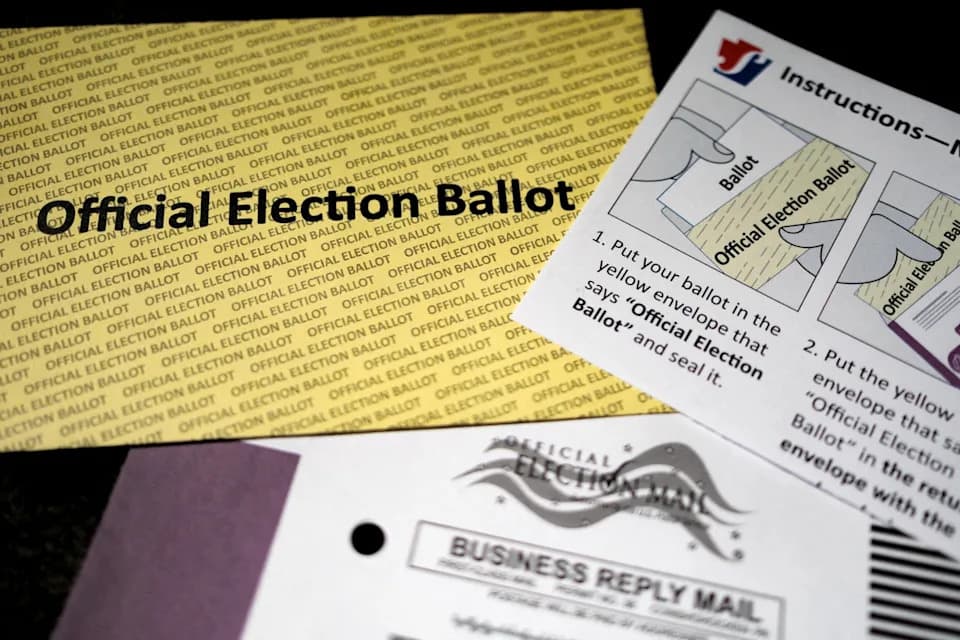
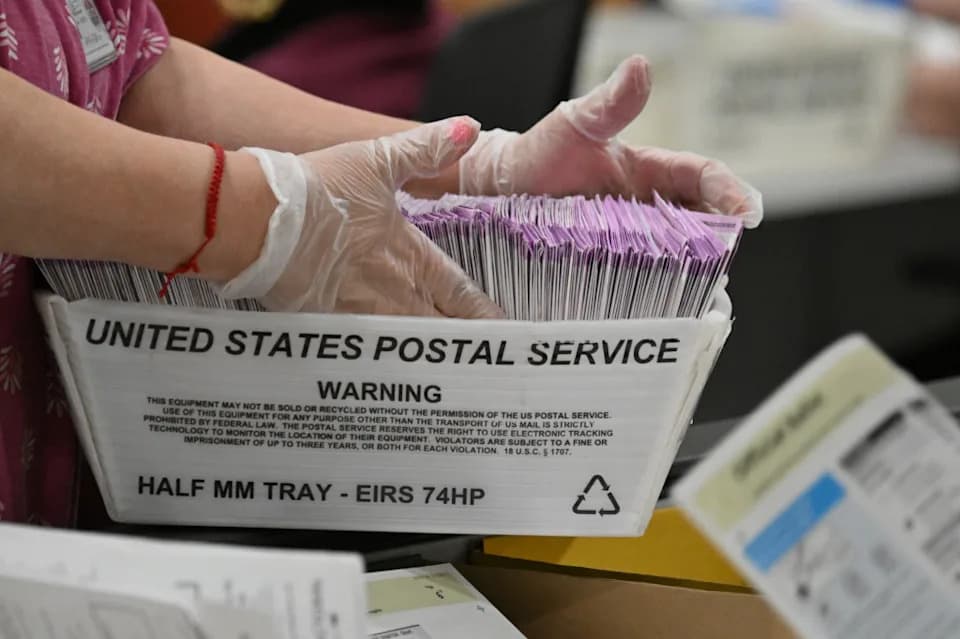
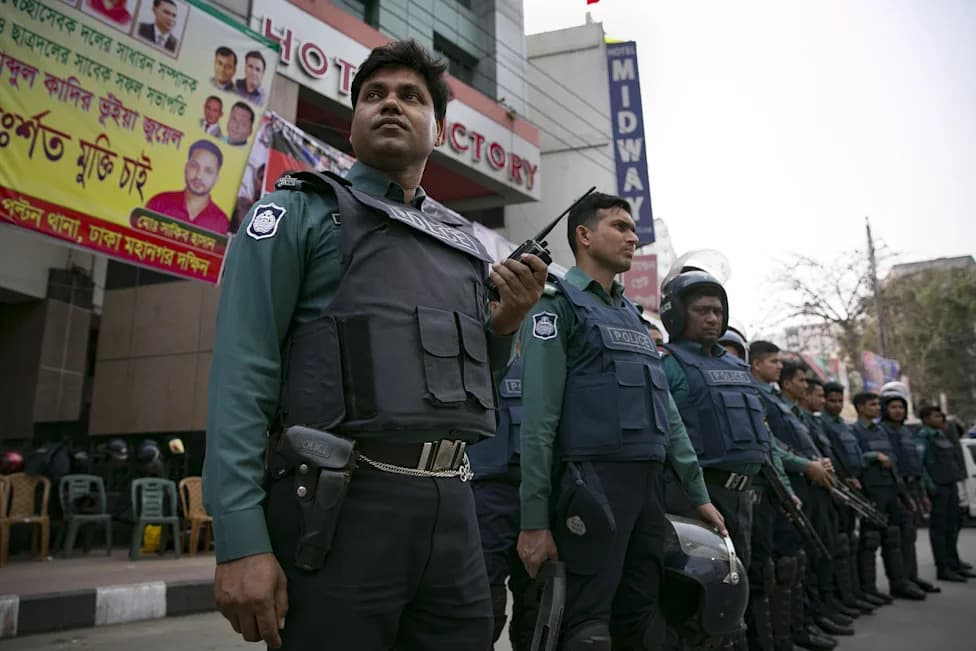
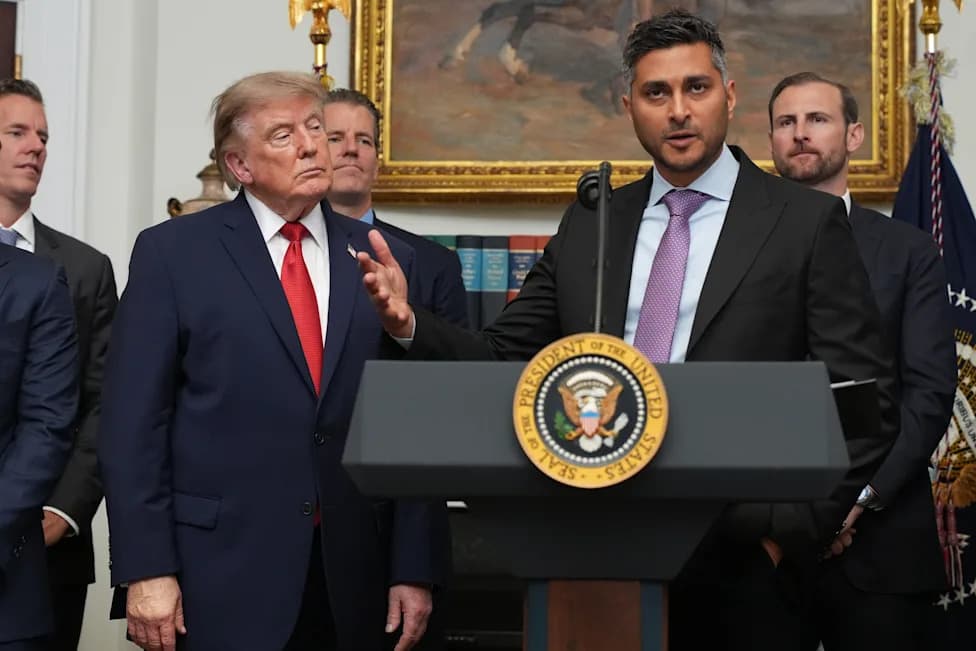
The Supreme Court is considering whether the U.S. Postal Service can enforce a new mail-ballot rule tied to President Trump's executive order before the November midterms. Federal judges in Boston and Washington have issued injunctions blocking the rule, which would require states to upload voter lists to an inactive portal and submit ballot-envelope designs for USPS preapproval. Experts say it is likely too late to implement such sweeping changes nationwide without causing confusion or disenfranchisement. The court's decision — in a politically charged case over federal authority and voting access — could have immediate consequences as mail ballots are already being distributed.
Supreme Court to Decide Whether USPS Can Enforce New Mail-Ballot Rules Ahead of Midterms
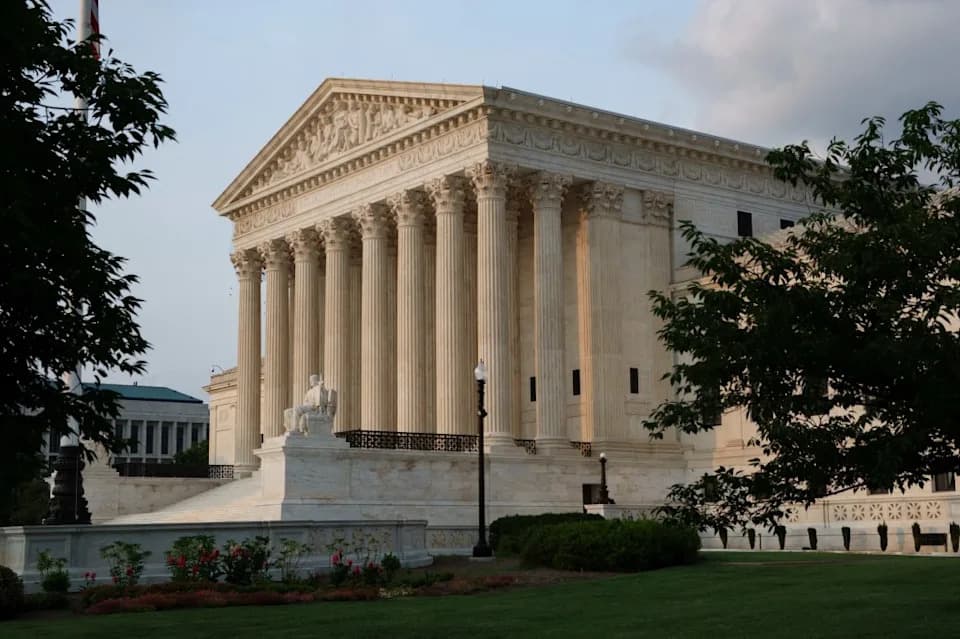
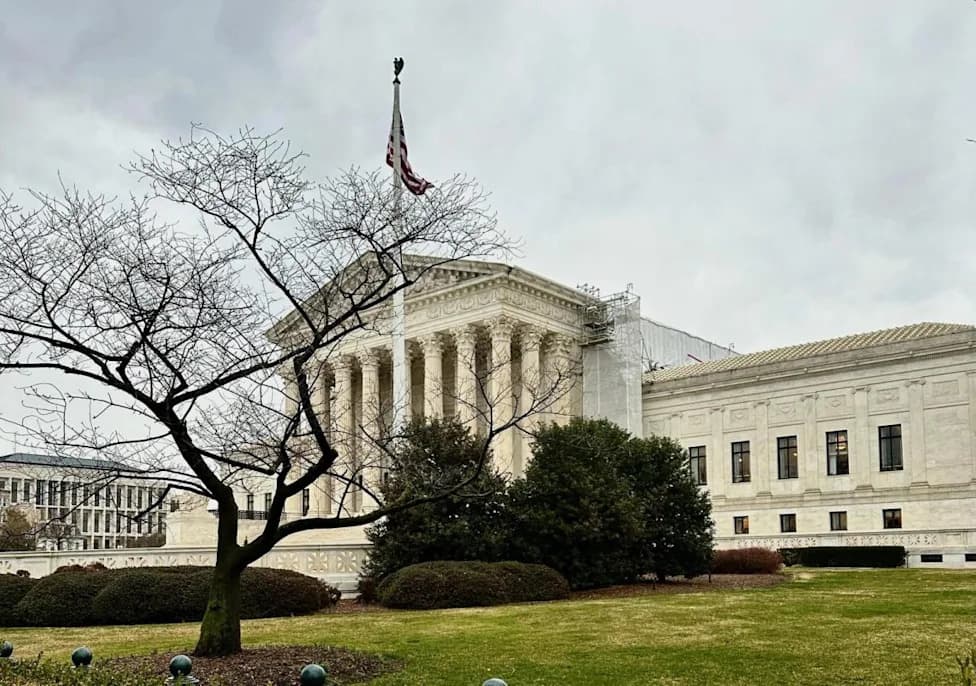
The U.S. Supreme Court is seen at sunset on August 12 in Washington, D.C.
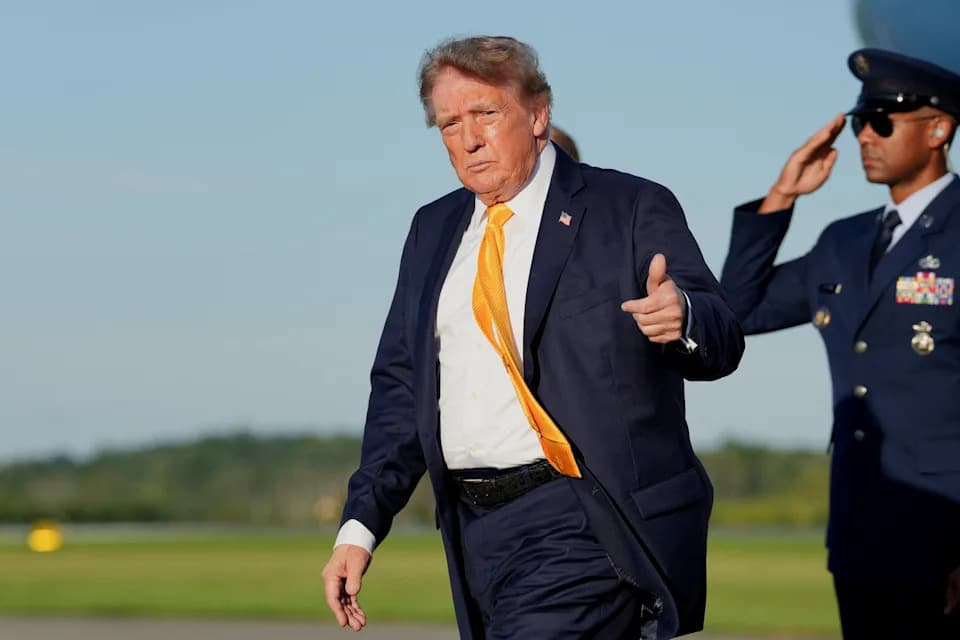
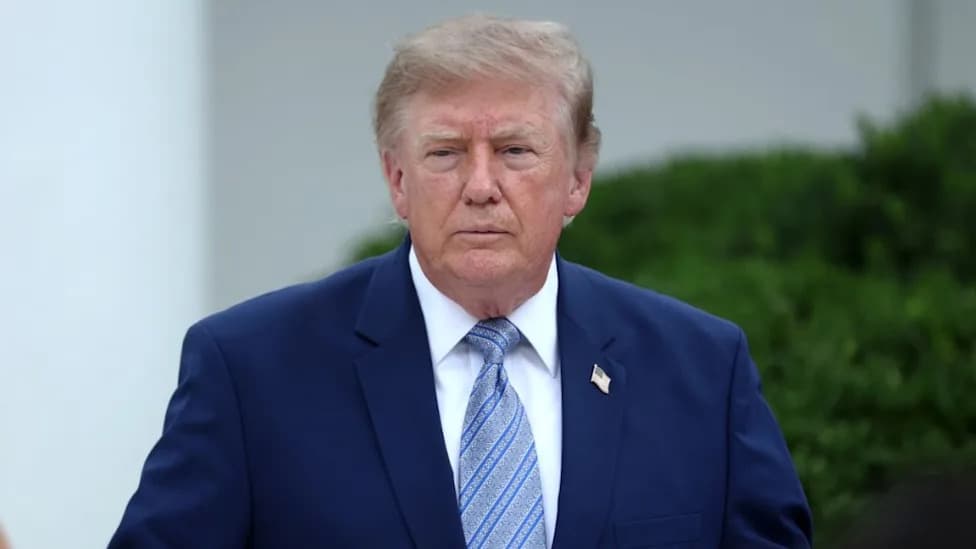
The U.S. Supreme Court is weighing an urgent appeal over whether the U.S. Postal Service may enforce a new set of mail-ballot requirements tied to President Donald Trump's March executive order before the November midterm elections. The dispute centers on a Boston federal judge's injunction barring the USPS from implementing the rule while litigation proceeds and a similar order from a separate federal judge in Washington, D.C.
What the Rule Would Do
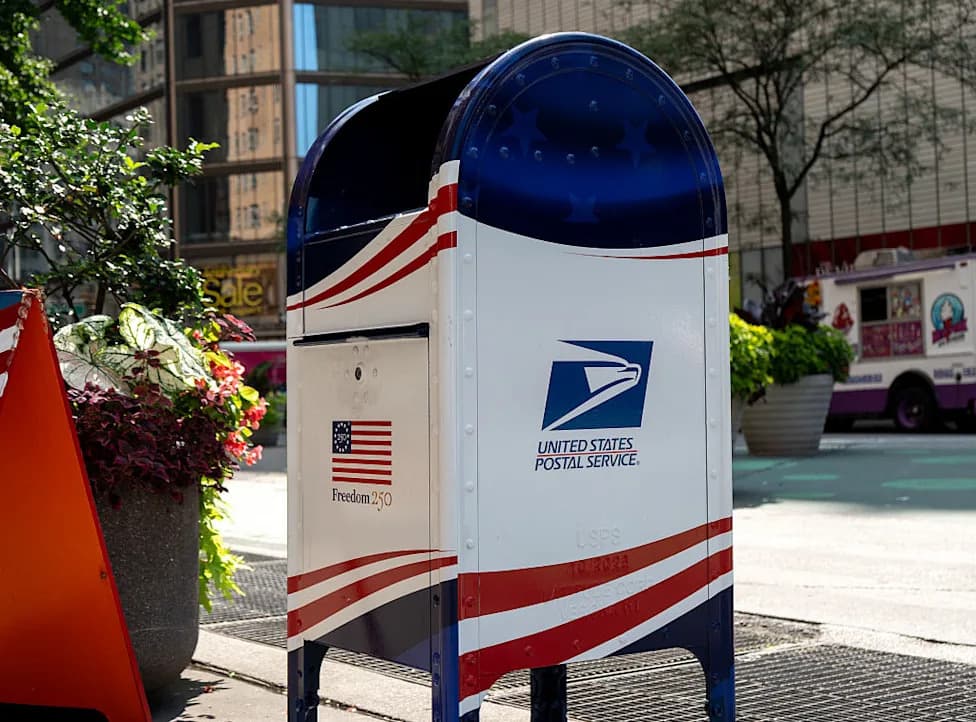
The contested USPS rule explains how the agency would carry out the executive order. Key elements include:
- Requiring states to submit lists of voters receiving mail ballots to an online portal that is not yet active.
- Mandating USPS preapproval of ballot-envelope designs.
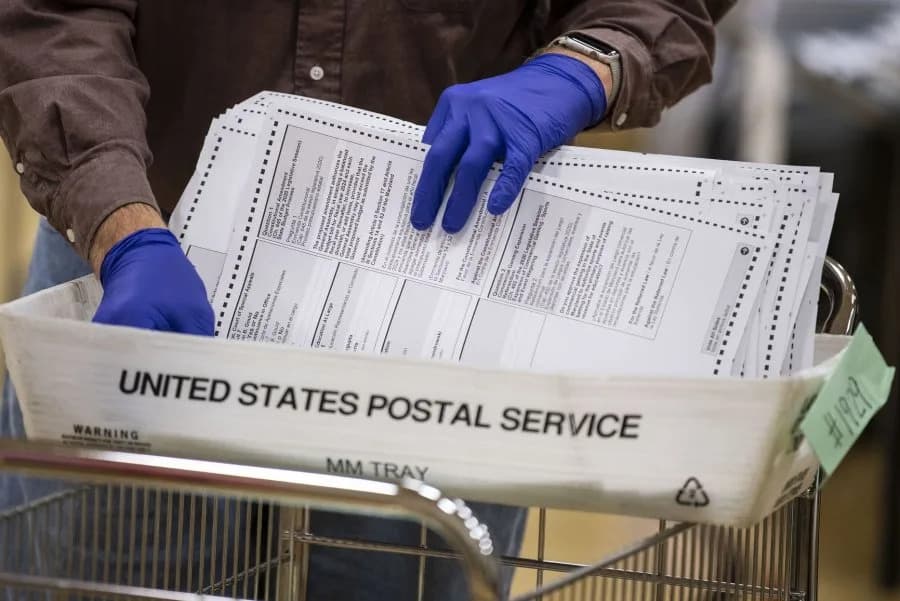
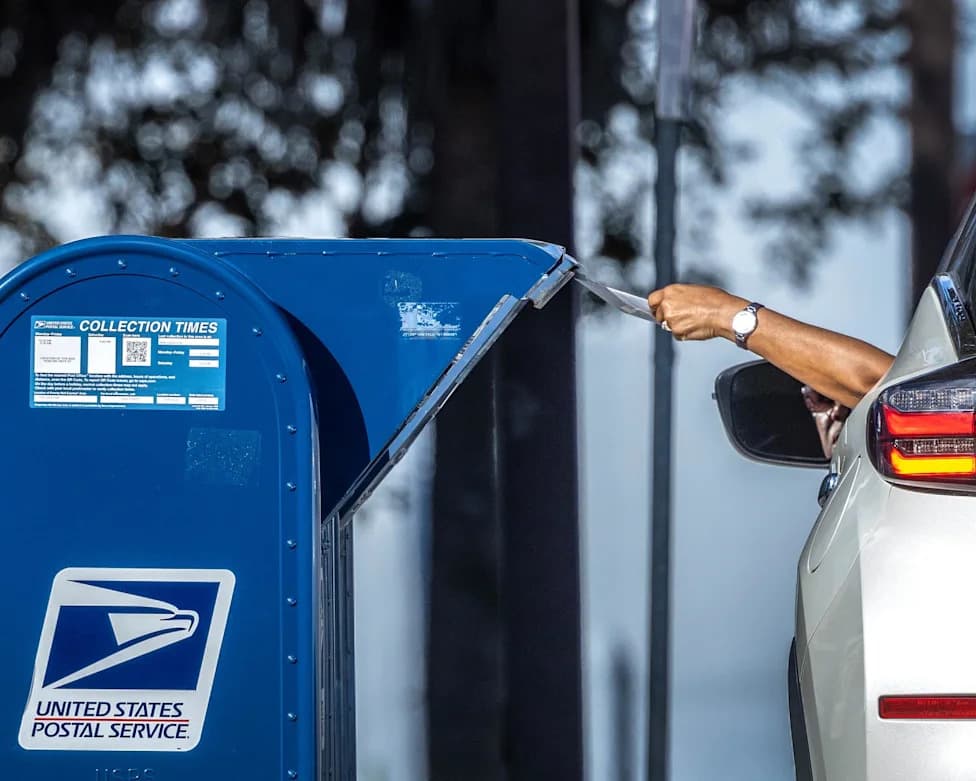
- Directing the Postal Service to deliver ballots only to names appearing on submitted lists.
Legal Timeline
After the Postal Service finalized the rule, several states and voting-rights groups sued. On September 4, U.S. District Judge Indira Talwani (D. Mass.) issued a preliminary injunction blocking the rule, saying election officials could not "pivot this late in the election cycle" without risking "significant disenfranchisement." A separate preliminary injunction was later issued by U.S. District Judge Carl J. Nichols (D.D.C.), who agreed that major portions of the rule likely exceed the USPS's statutory authority.
The administration asked the Supreme Court to lift Talwani's injunction while the litigation continues. In an application filed September 6 with Justice Ketanji Brown Jackson, U.S. Solicitor General D. John Sauer argued the injunction prevents the USPS from addressing alleged risks that federal mail could be misused to perpetrate voter fraud. Plaintiffs — including California and other states — countered on September 9 that the USPS rule is an "unprecedented experiment" that threatens millions' ability to vote.
Earlier in August the Supreme Court had lifted a prior injunction as premature because the USPS had not yet finalized its implementation rule; the court warned that its action did not signal any view on the rule's ultimate legality. A three-judge panel of the 1st U.S. Circuit Court of Appeals later refused to lift Talwani's injunction, agreeing with plaintiffs that the president lacks authority to regulate state election procedures.
Why Timing Matters
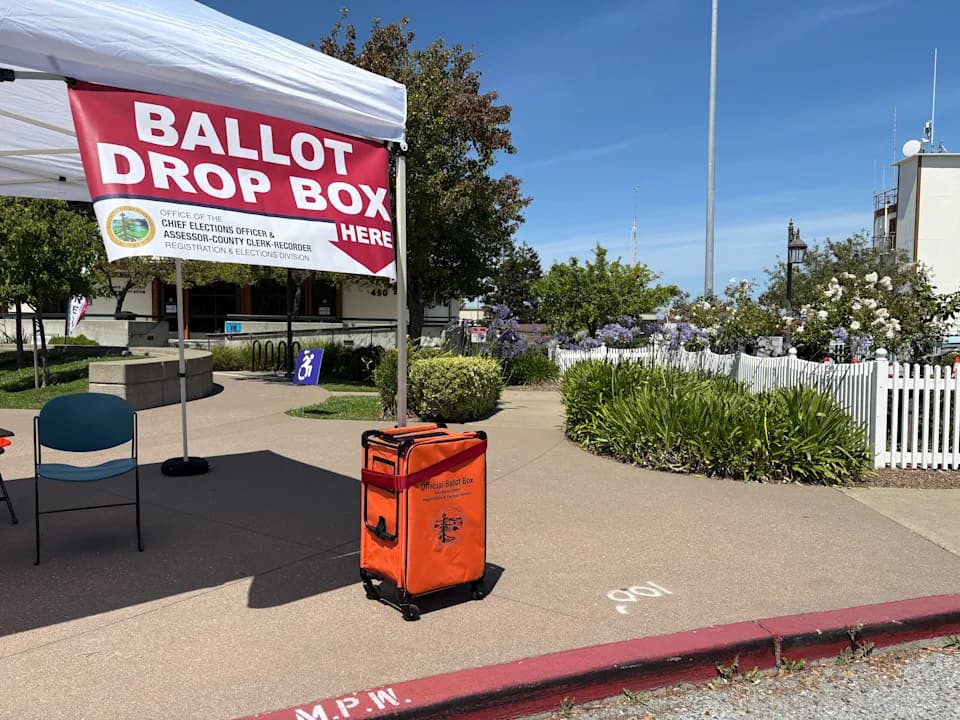
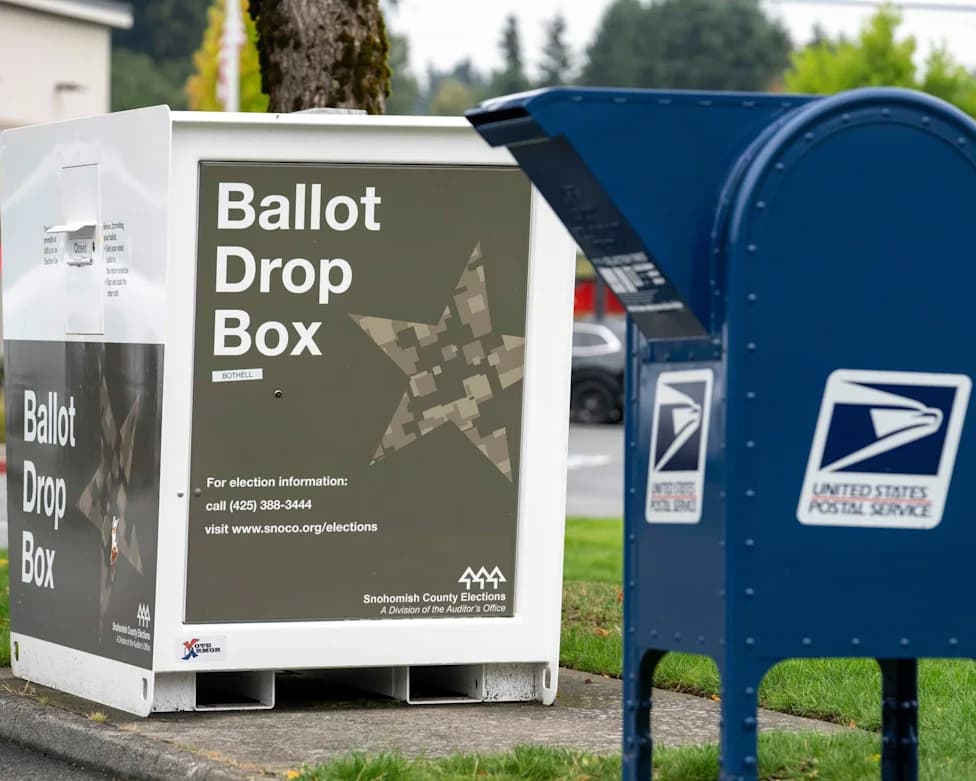
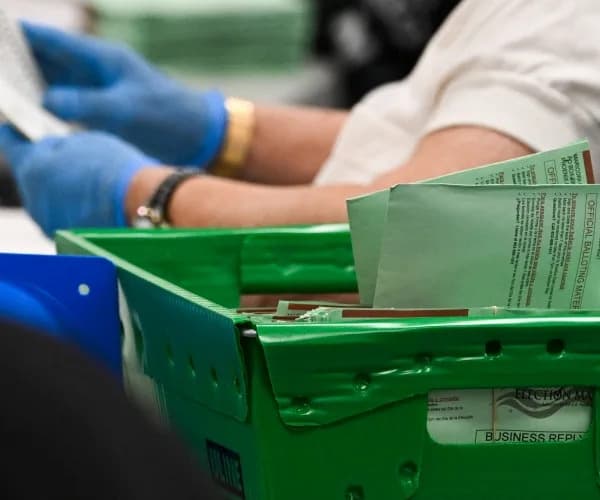
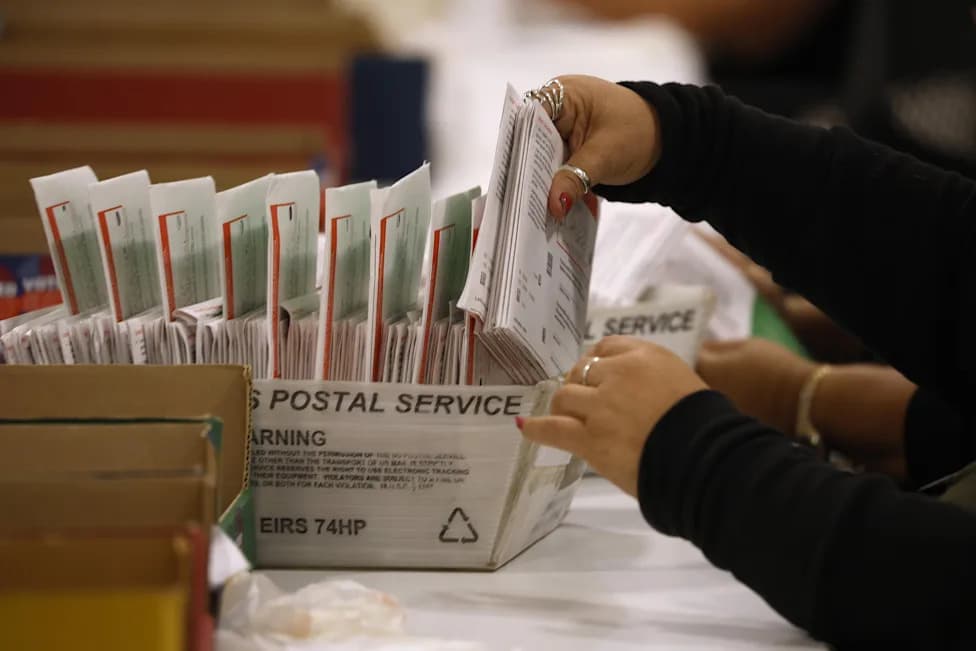
Mail ballots are already being distributed in some states and will be sent in many others in the coming days. Nearly one-third of voters cast ballots by mail in recent elections, so any change to mail-ballot handling could have wide practical effects. Experts and election officials say it is increasingly unlikely the USPS can implement the new procedures nationwide before the midterms without creating confusion, delays or disenfranchisement.
"Attempting to require election officials to change procedures in the middle of an ongoing election poses substantial risks of creating new mistakes or irregularities and delaying ballot distribution," said Michael Morley, director of the Election Law Center at Florida State University.
What's At Stake
The legal dispute raises core questions about federal authority over elections — traditionally run by states — and the balance between election security and access. Supporters of the administration's approach say the rule would improve ballot integrity, pointing to concerns about voter-roll accuracy and ballot verification. Opponents argue the rule risks confusion and disenfranchisement, particularly if implemented at short notice.
The Supreme Court, which has a 6-3 conservative majority, must decide quickly whether to lift Talwani's injunction and allow the USPS to proceed while courts consider the merits. The decision could have immediate practical and political consequences as ballots reach millions of voters nationwide.
Contact: Newsweek contacted the plaintiffs, the White House and the USPS for comment.
Help us improve.