Petrol queues have reappeared across Moscow after Ukrainian drone strikes damaged refineries, forcing Russia to import fuel and temporarily allow Euro 2 petrol despite engine-damage risks. Attacks on logistics hubs such as Wildberries add economic strain, and polling shows rising public anxiety. Still, Flag Day celebrations and military displays underline persistent public demonstrations of patriotism.
Petrol Shortages Hit Moscow as Drone Strikes Disrupt Refineries — Patriotism Persists
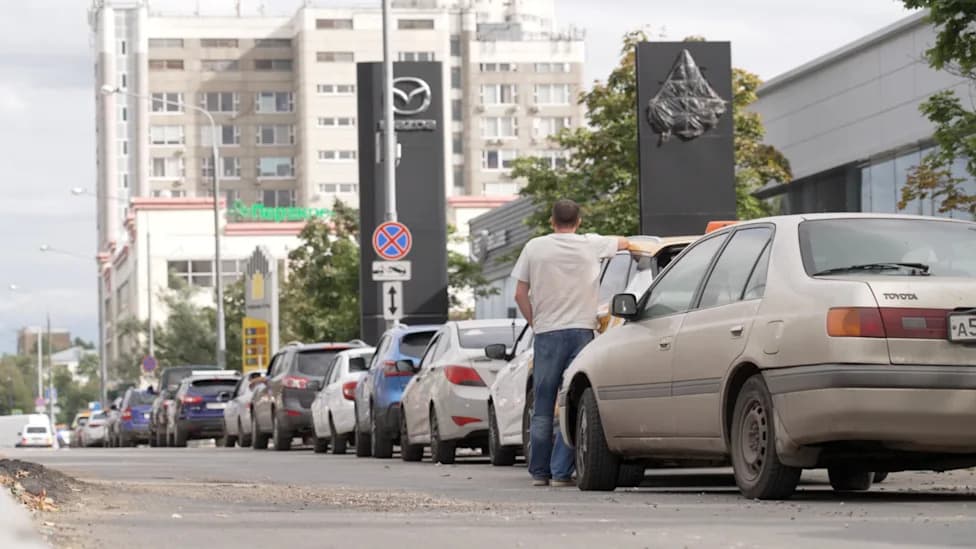
Russians in Moscow are facing long queues for petrol [BBC]
Petrol queues have returned to Moscow and other regions of Russia, exposing a growing domestic impact of the conflict in Ukraine even as official patriotism is on display.
Queues, Imports and Lower-Grade Fuel
At a petrol station in south-east Moscow, Svyatoslav waited in his car for two hours only to see the electronic sign change to 'no fuel'. 'They say there will be petrol here,' he told a reporter. 'They just don't know when. Maybe today, maybe tomorrow.' Many commuters report similar waits: one station had roughly 80 vehicles queued.
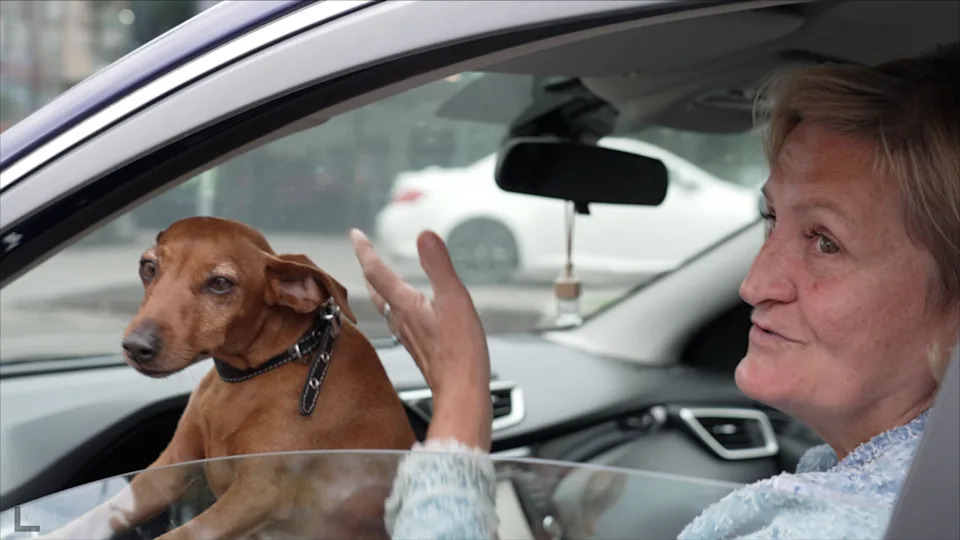
Lyubov says all the petrol stations on her drive to Moscow were empty [BBC]
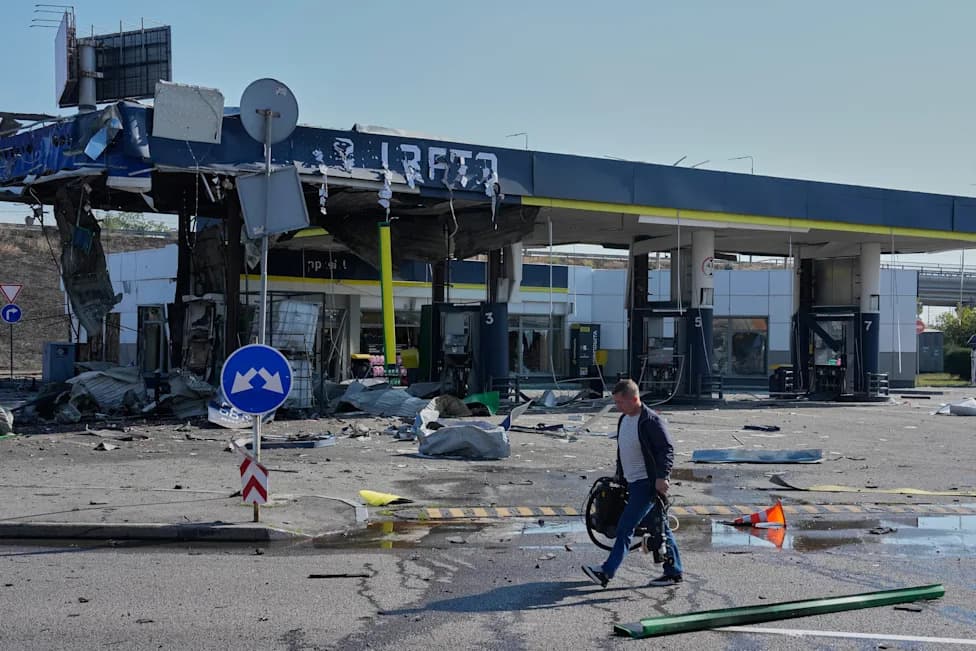
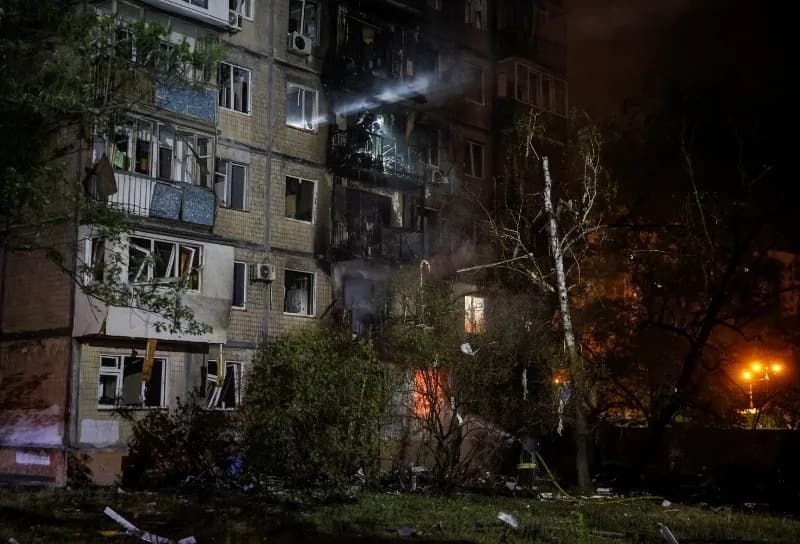
Officials blame 'unscheduled repairs at oil refineries' — damage they say was caused by Ukrainian drone strikes on energy facilities. The attacks, and the ensuing logistical problems, have prompted Moscow to import petrol and to temporarily authorise the sale of lower-grade fuels such as Euro 2.
Euro 2 was banned in Russia in 2013 and can contain up to 50 times more sulfur than modern Euro 5 petrol. Government media warned that regular use may damage fuel injectors, spark plugs, oxygen sensors, catalytic converters and particulate filters, and that while one fill-up may not destroy an engine, it reduces the margin of safety.
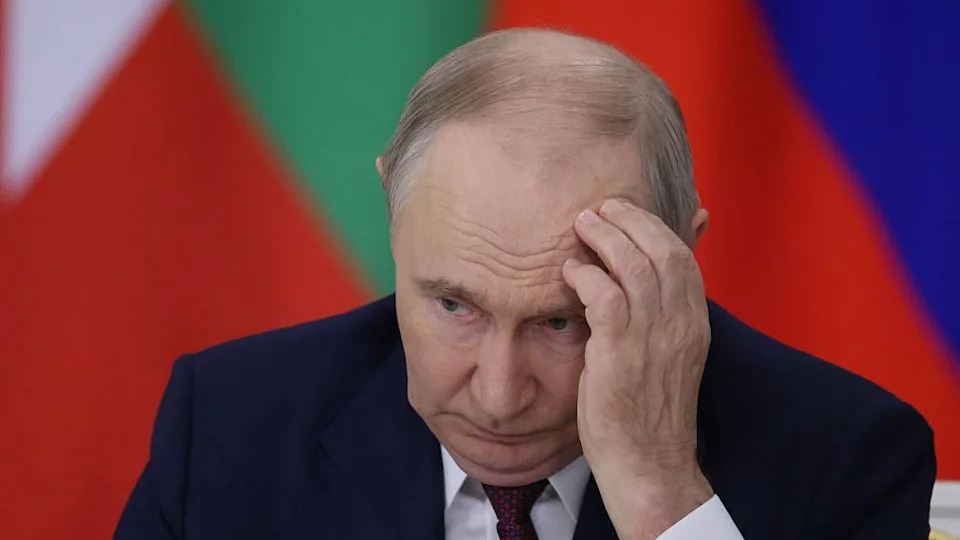
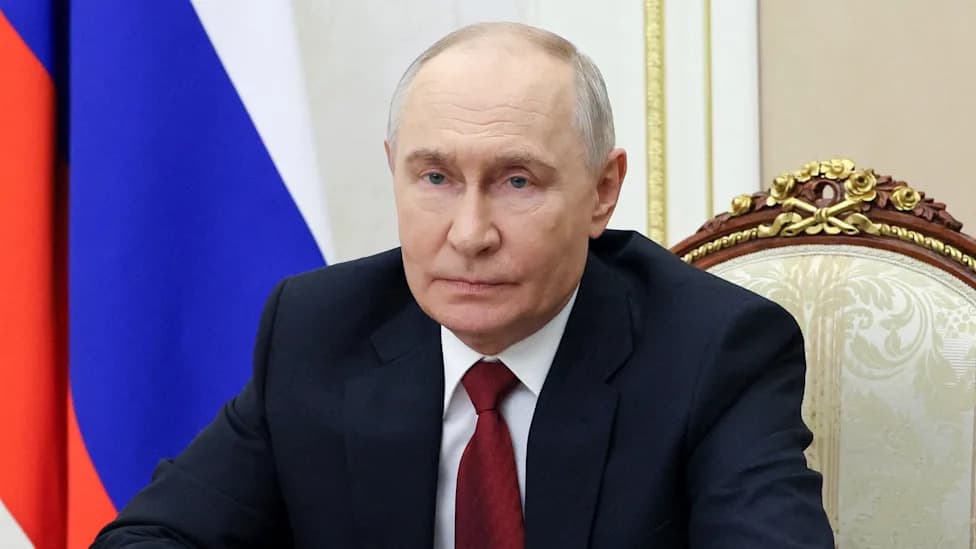
Russian leader Vladimir Putin insists there's no reason to panic - but recent polling suggests anxiety appears to be rising [Getty Images]
Wider Economic Effects
Beyond fuel, Ukrainian strikes on logistics hubs — notably distribution centres for Wildberries, a major online retailer — have disrupted shoppers and caused losses for sellers. These attacks add to supply-chain pressure and everyday inconvenience for consumers across the country.
Official Response and Public Mood
President Vladimir Putin acknowledged that such attacks 'do inflict damage; this is obvious. We understand this, we see it,' but sought to downplay their severity, saying there have been 'no critical consequences' and no reason for panic.
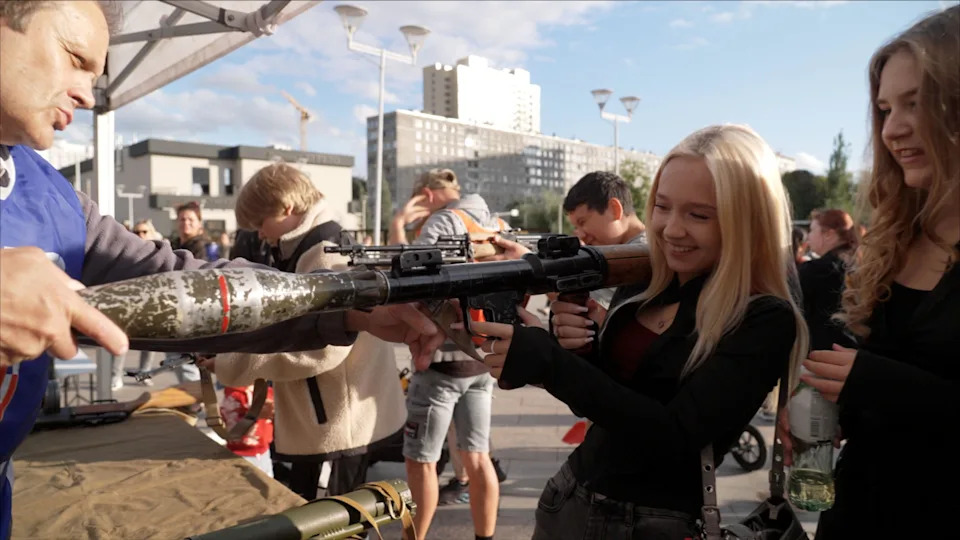
Weapons are on display for the public in Moscow to mark Russian Flag Day [BBC]
'It is a disconnect between people's feelings and the description of reality by Vladimir Putin,' said Andrei Kolesnikov of Novaya Gazeta. 'Maybe he's trying to hypnotise himself that everything is okay.'
Recent polling, including surveys by the Public Opinion Foundation, points to rising anxiety among Russians. Observers say the Kremlin's message to 'keep calm and carry on' is failing to reassure many people, who describe a persistent sense that 'something is wrong' and a shortening planning horizon.
Flag Day: Candyfloss, Concerts — and Kalashnikovs
Despite shortages and unease, local authorities staged Flag Day events in Moscow, with street concerts, stalls, and patriotic billboards. Volunteers handed out tricolours while military hardware, from Kalashnikovs to handheld rocket launchers, was displayed for the public — and even handled by children taking photos.
For some, the pageant bolstered morale. 'Difficulties unite us,' said pensioner Tatyana. For others, the displays underlined a deeper militarisation of everyday life and a feeling of limited personal agency: 'When you go to sleep you don't know if you'll wake up in the morning,' said Angelina.
What This Means
The combined effect of refinery attacks, logistical disruption and constrained refining capacity has translated into visible shortages and economic friction for ordinary Russians. While patriotic events continue, public anxiety appears to be increasing — a quiet but meaningful sign of the war's domestic cost.
Help us improve.