The article argues that Britain’s military options against the Houthi movement are limited: high‑quality systems like Sky Sabre and a small number of jets or destroyers cannot provide the wide, sustained coverage needed to stop the rebels. Past campaigns by the RAF, the United States and Saudi Arabia produced only limited strategic change, so additional UK hardware would likely be symbolic rather than decisive. The piece recommends prioritising intelligence sharing, targeted defence support and diplomacy—especially backing Oman’s channels—over costly, open‑ended military commitments.
Why Britain’s Options Against the Houthis Are Limited — And What That Means
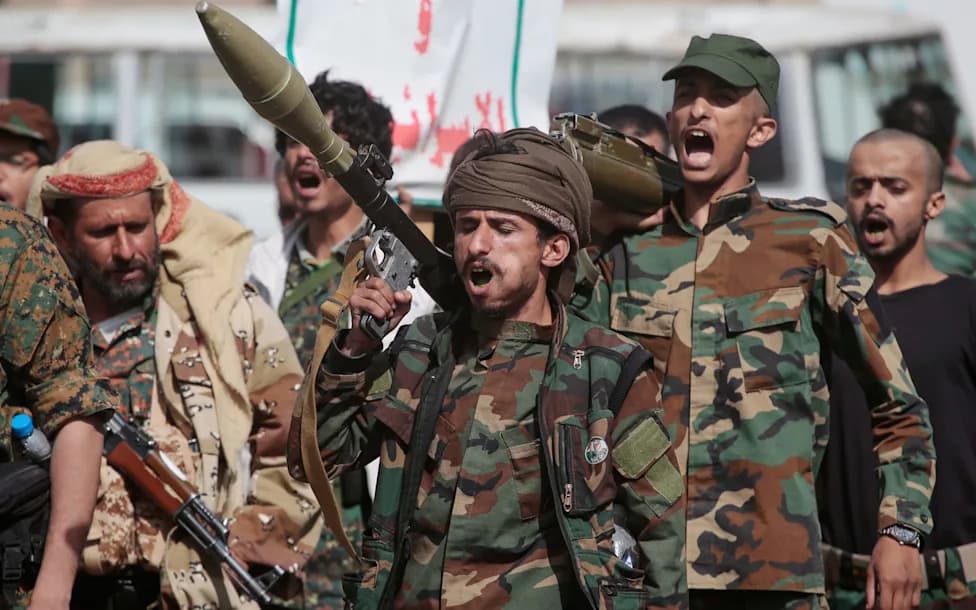
The US spent the best part of 18 months bombing Houthi rebels and still there was no real effect - STR
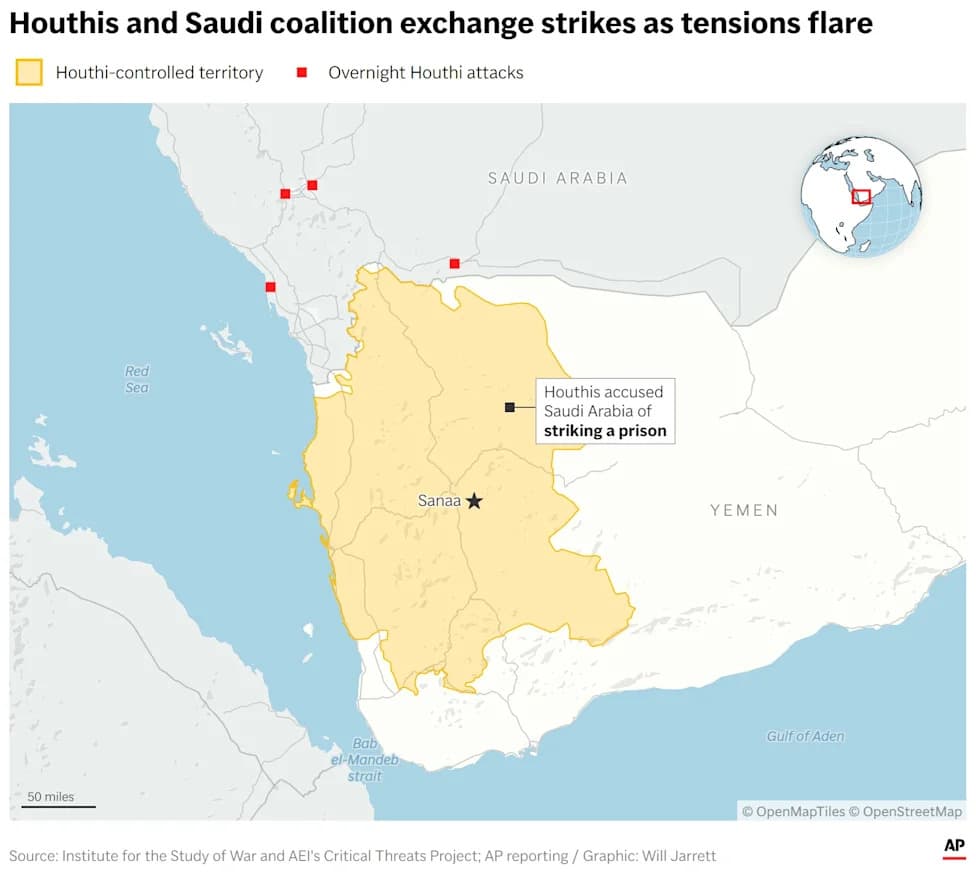
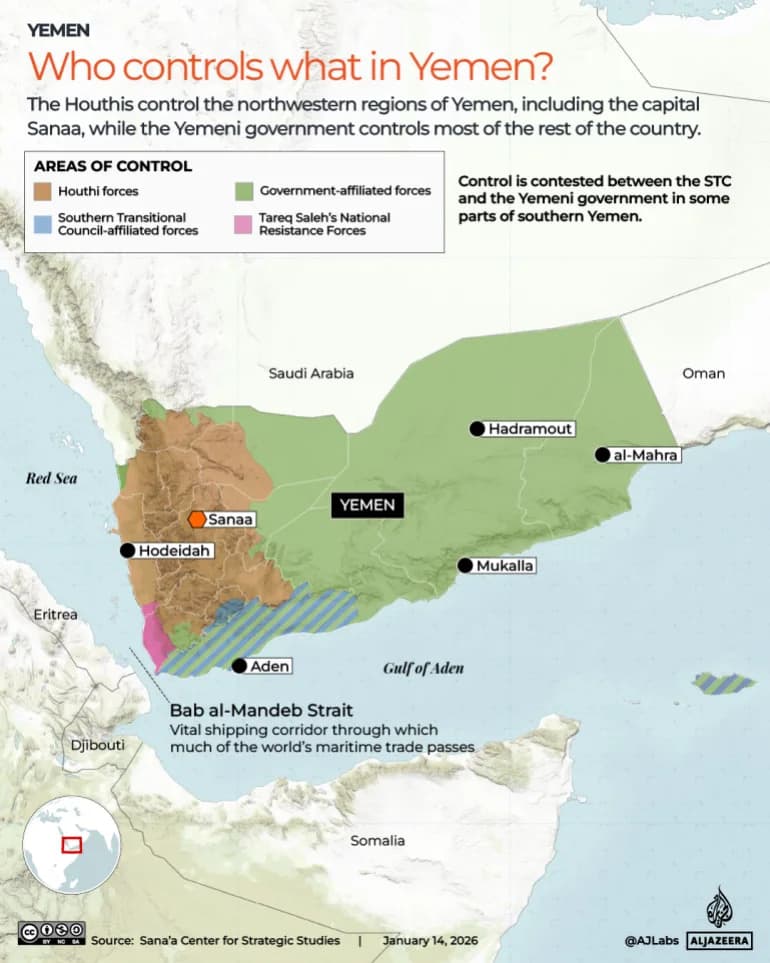
The United Kingdom remains a UN Security Council member and a capable military power, but the Houthi movement has proved resilient to outside pressure. Recent events — including the seizure of Perim Island and the port of Mocha — have prompted renewed calls for stronger British action, yet the practical options available to London are constrained.
Military Limits
British forces have contributed advisers and some defensive equipment to regional partners, but the scope for decisive unilateral action is narrow. Consider the Sky Sabre anti‑air missile system deployed in the region: it is a high‑quality air‑defence capability, but its coverage is limited to roughly 16 miles. That is a small footprint against a pipeline that stretches hundreds of miles; positioning Sky Sabre at one site simply shifts the vulnerability to another.
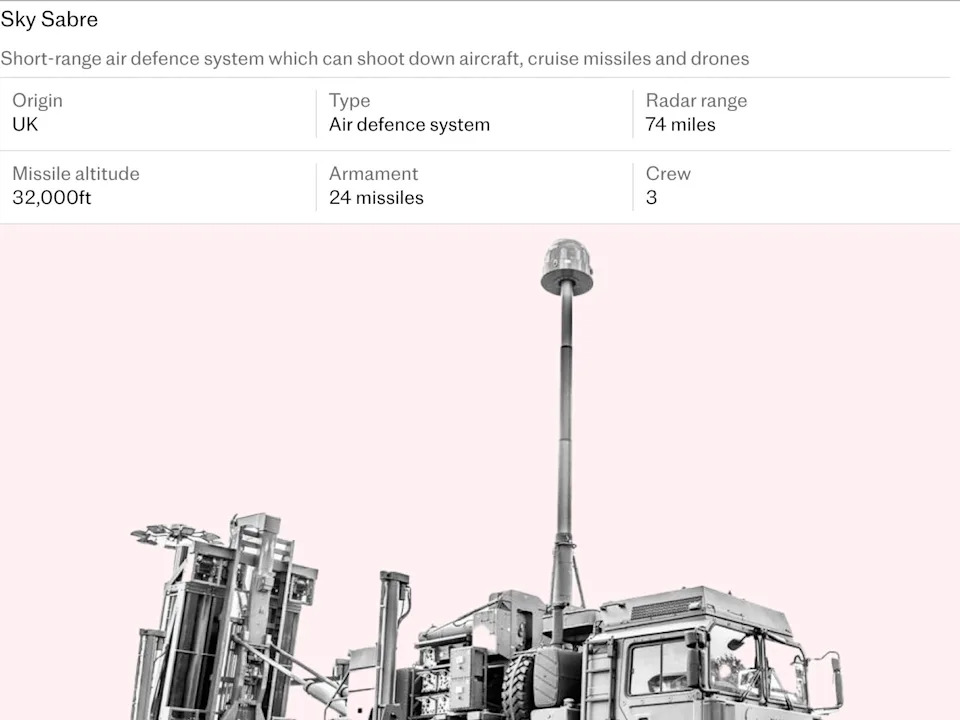
2208 Sky sabre fact box
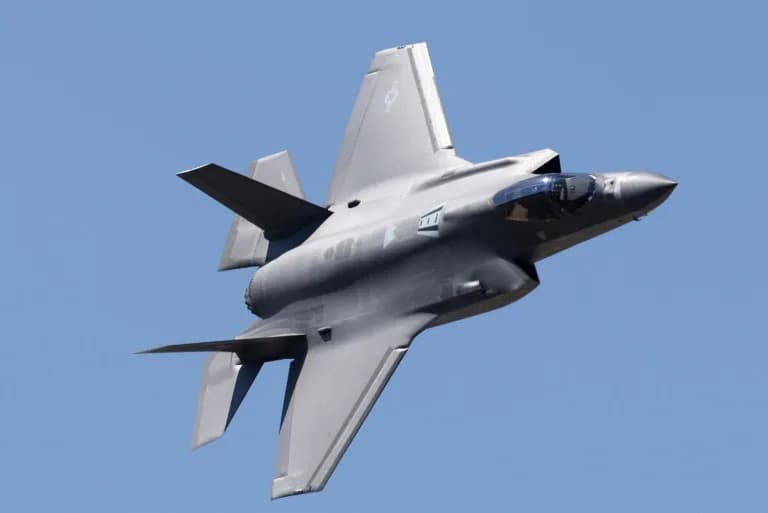
The Royal Air Force has carried out precision strikes before. Typhoons attacked Houthi targets in 2024 and returned in April 2025 to destroy a drone factory south of Sanaa. Those strikes reliably remove specific facilities, but the Houthis have repeatedly relocated or rebuilt capabilities, limiting the long‑term strategic effect.
Lessons From Other Campaigns
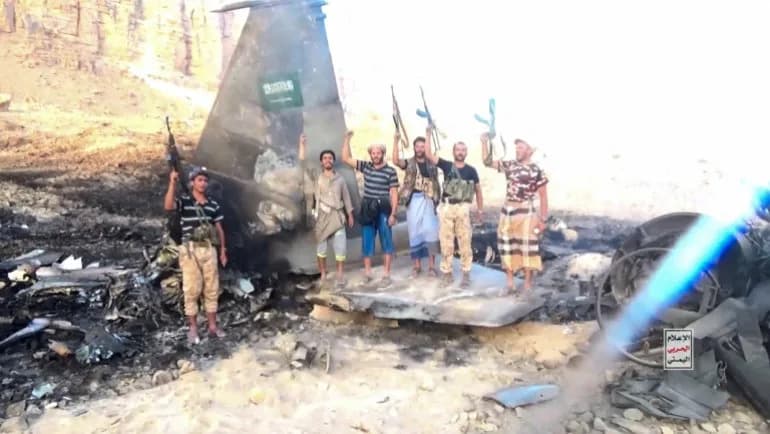
More extensive campaigns by the United States (about 18 months of strikes) and Saudi Arabia (years of air operations) have produced only limited, short‑lived results. This track record suggests that sending a few additional British jets or a lone destroyer is unlikely to produce a durable shift in Houthi capabilities or behavior.

Smoke rising from trucks at a camp belonging to Saudi-backed Yemeni forces following a Houthi missile strike - Shutterstock
HMS Diamond and her crew performed well in intercepting drones in the Red Sea in winter 2023, but Type 45 destroyers are a scarce resource. One ship can provide important protection locally, but it cannot by itself secure a long maritime route or open a strait.
Politics, Prudence and Alternatives
Symbolic support matters in the Gulf: diplomatic backing and intelligence sharing signal commitment. However, signalling through limited military contributions risks exposing personnel and equipment to harm for little strategic gain, especially when the UK faces tight defence budgets and competing priorities at home.
Practical UK engagement is therefore likely to remain focused on intelligence sharing, sustaining existing air‑defence assets, and supporting regional diplomacy—particularly efforts by Oman and others who retain lines of communication with the Houthis.
Ultimately, the most realistic British role may be to help shore up regional security through coordination and diplomacy rather than to pursue an escalatory or resource‑intensive military campaign that past actors have already found ineffective.
George Allison is Editor of UK Defence Journal.
Help us improve.