The University of Michigan has opened the Histotripsy Center to accelerate research, clinical trials and training for histotripsy — a noninvasive ultrasound method that creates microbubbles to mechanically destroy tumors. Backed by $10 million from HistoSonics, Michigan Engineering and private donors, the center will run cancer, neuro and education programs and deploy a mobile travel system to expand access. The initiative builds on U‑M research from 2002 and follows FDA approval for liver tumors in October 2023.
U‑Michigan Opens Histotripsy Center to Advance Noninvasive Ultrasound Cancer Therapy
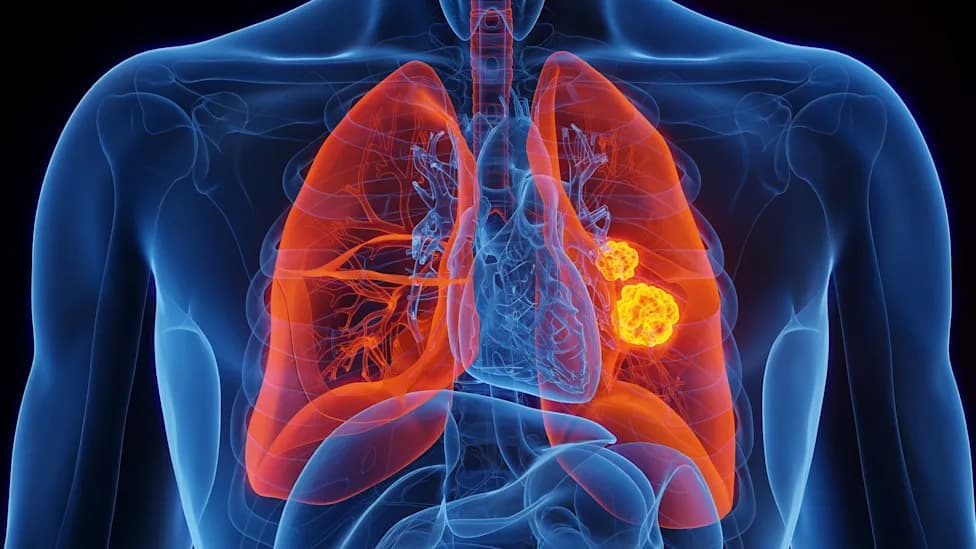
The University of Michigan has announced a first-of-its-kind research center devoted to using sound waves to destroy cancer tumors.getty
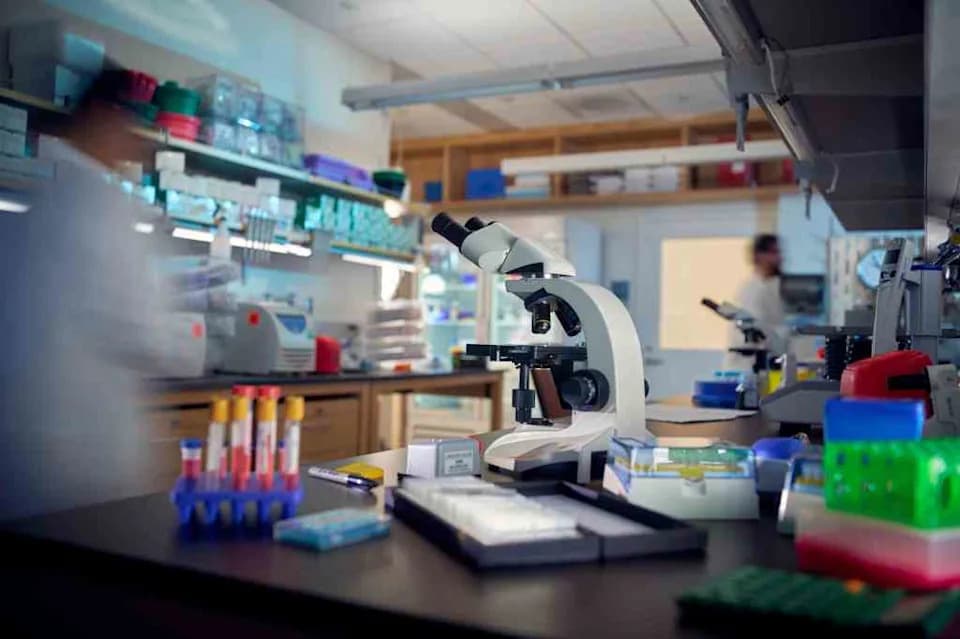
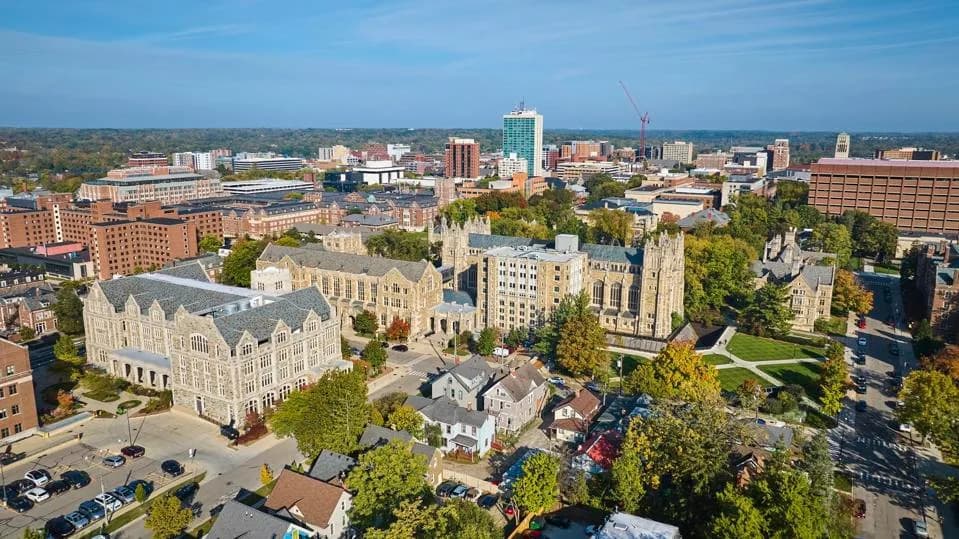
The University of Michigan has launched the University of Michigan Histotripsy Center, a dedicated research and training hub to accelerate clinical development of histotripsy — a noninvasive ultrasound technique that mechanically destroys tumors. The center builds on work first developed at U‑M in 2002 and aims to expand research, clinical trials and clinician training nationwide.
What Is Histotripsy?
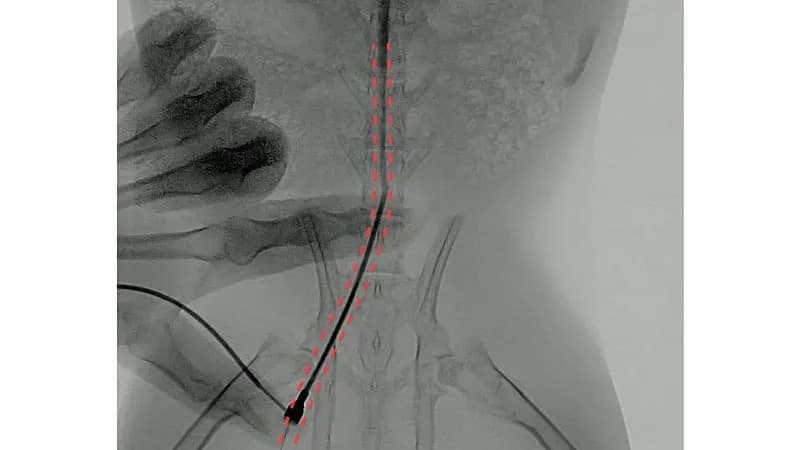
Histotripsy uses focused acoustic pulses directed from outside the body to create microscopic bubbles inside a targeted tumor. As those bubbles expand and violently collapse, they mechanically disintegrate the tumor's cellular structure, reducing tissue to a liquid debris the body can absorb. The process requires no incisions, ionizing radiation or systemic chemotherapy and has produced relatively few side effects in treated patients.
Regulatory Status and Clinical Work
The U.S. Food and Drug Administration approved histotripsy for treatment of certain liver tumors in October 2023. Since that approval, thousands of patients have received the therapy, and additional clinical trials for kidney and prostate tumors are ongoing.
Funding and Industry Partnership
The center launched with $10 million in initial support from HistoSonics (a company founded by the U‑M engineers who invented histotripsy), Michigan Engineering and private donors. HistoSonics was recently valued at $3.75 billion, employs about 500 people, and maintains offices in Ann Arbor along with corporate headquarters in Minnesota.
Programs and Goals
The center will initially concentrate on three core areas:
- Cancer Program: Basic and clinical research on histotripsy for multiple tumor types, including thyroid, pancreas, breast, prostate, brain, skin cancers and sarcomas.
- Neuro Program: Development of histotripsy as a noninvasive option for brain diseases and disorders.
- Education Program: Training for graduate students, postdoctoral researchers, scientists, engineers and clinicians in histotripsy techniques and research.
Phase two will emphasize clinician training, expansion of clinical trials, and broader dissemination. The center plans to host external investigators at its Ann Arbor facilities and to deploy a no‑cost mobile "travel system"—U‑M histotripsy machines and expert staff—to partner sites across the United States to accelerate adoption and research collaboration.
“Michigan is at its best when our brightest minds connect to tackle the most consequential challenges facing society,” said University of Michigan President Domenico Grasso. “We see that today in the Histotripsy Center. Decades from now, I believe histotripsy will be spoken of alongside U‑M's historic contributions to life‑saving discoveries.”
“In the next half decade, I envision the Histotripsy Center supporting thousands of researchers nationwide, running many concurrent projects, publishing extensively and driving new FDA approvals,” said Zhen Xu, the Li Ka Shing Professor of Biomedical Engineering and a co‑inventor of histotripsy. She projected multiple new approvals and the ability to treat hundreds of thousands of patients within five years.
Mike Blue, president and CEO of HistoSonics, said the center will play an important role in advancing the technology, exploring new clinical applications and unlocking the full potential of histotripsy for patients around the world.
The Histotripsy Center positions the University of Michigan to accelerate translation of a promising noninvasive cancer therapy from laboratory innovation to widespread clinical use while training the next generation of researchers and clinicians in the field.
Help us improve.