Researchers at OSUCCC report that low‑intensity induced electric fields (iEFs) slowed primary tumor growth and reduced lung metastases in a 4T1 mouse model of triple‑negative breast cancer, without major adverse effects after 30 days in healthy mice. iEFs altered tumor biology (higher E‑cadherin, lower N‑cadherin) and shifted the immune microenvironment toward increased antitumor activity, including fewer exhausted CD8+ T‑cell signals and more proliferating CD8+ cells in the lung. A wearable device developed with EMBioSys is planned for an NIH‑sponsored human trial to test safety, dosing and clinical benefit.
Wearable Low‑Intensity Electric Fields Slow Aggressive Triple‑Negative Breast Cancer In Mice

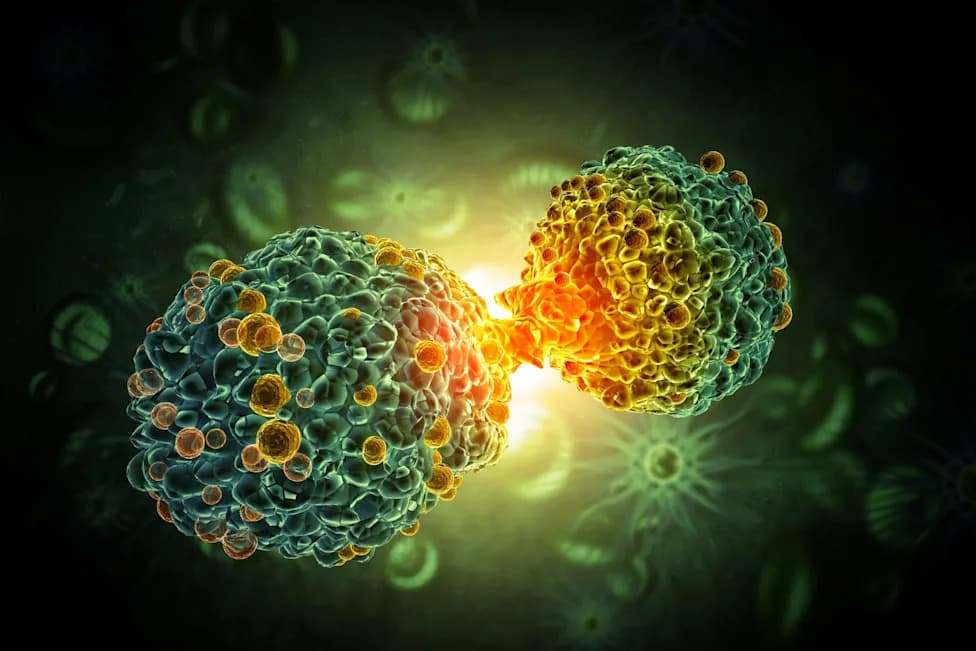
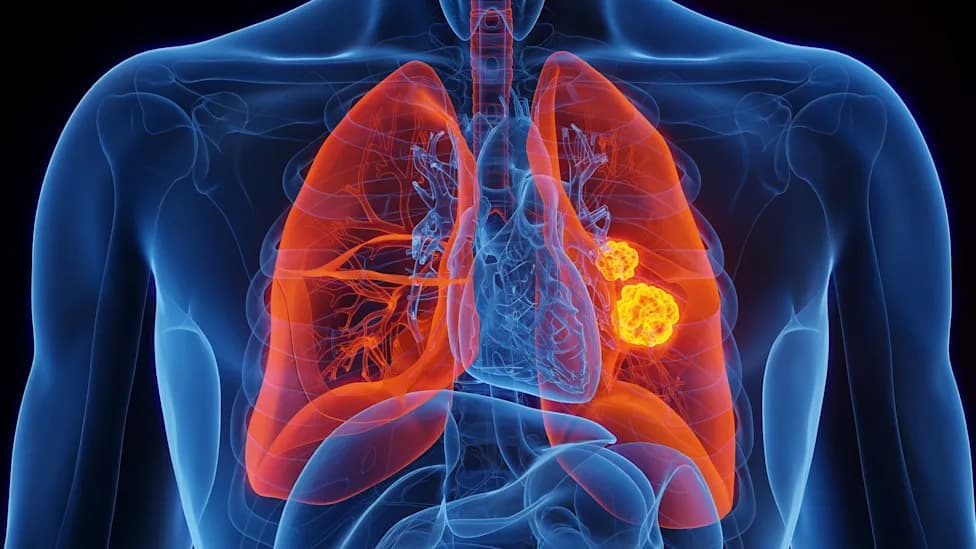
Ohio State researchers found that low-intensity electric fields reduced tumor growth and lung spread in models of triple-negative breast cancer. (CREDIT: Shutterstock)
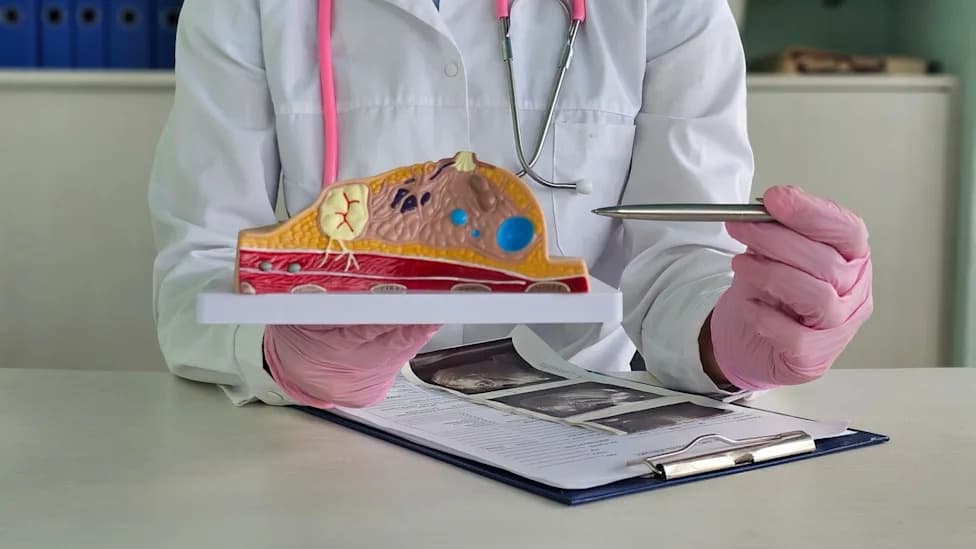
New preclinical research suggests a gentle, wearable electric‑field treatment may slow tumor growth and cut metastatic spread in aggressive triple‑negative breast cancer (TNBC). The study, led by researchers at The Ohio State University Comprehensive Cancer Center (OSUCCC) and published in Breast Cancer Targets and Therapy, tested low‑intensity induced electric fields (iEFs) in mouse models and found reduced primary tumor size, fewer and smaller lung metastases, and changes in the tumor immune environment that favor anti‑cancer activity.
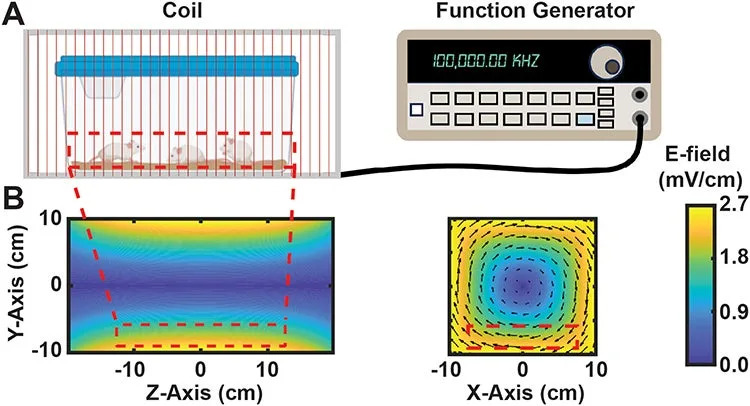
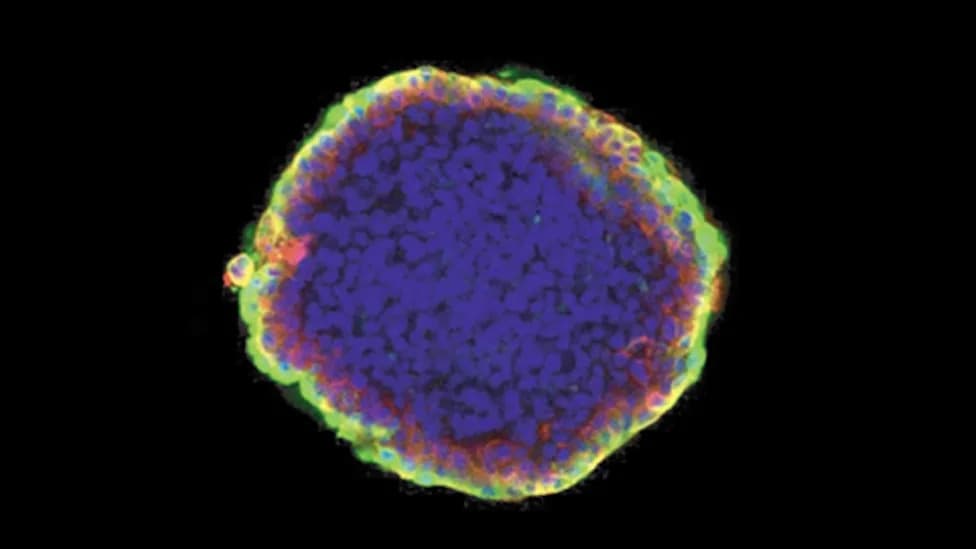
iEF treatment of mice. (CREDIT: Breast Cancer Targets and Therapy)
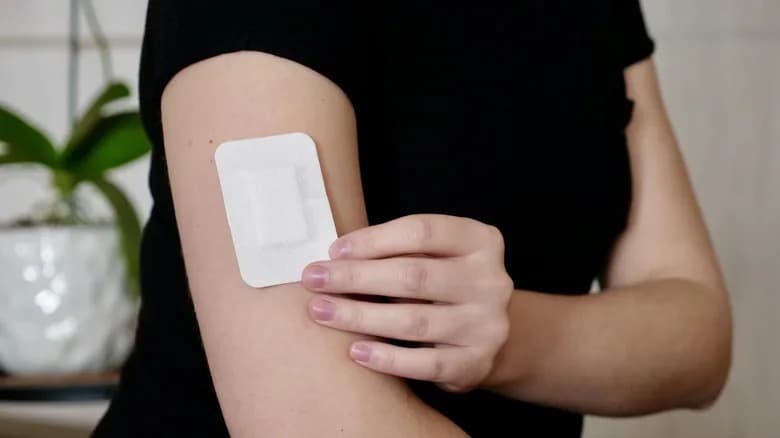
How the treatment works. iEFs are generated by changing magnetic fields that create very weak electric fields inside tissue; the approach is designed to be delivered by an external, noninvasive wearable device rather than electrodes that pass current through the body. The investigators emphasize that the fields are low intensity and do not produce the sensation of an electrical shock.

Jonathan Song, PhD, co-corresponding author of the study. (CREDIT: The Ohio State University)
Safety before efficacy
The team first tested 30‑day exposure in non‑tumor‑bearing female BALB/c mice. Treated animals showed no meaningful changes in body weight, behavior, organ histology (liver, lung, spleen) or routine blood chemistry compared with sham‑exposed controls, supporting progression to tumor studies.
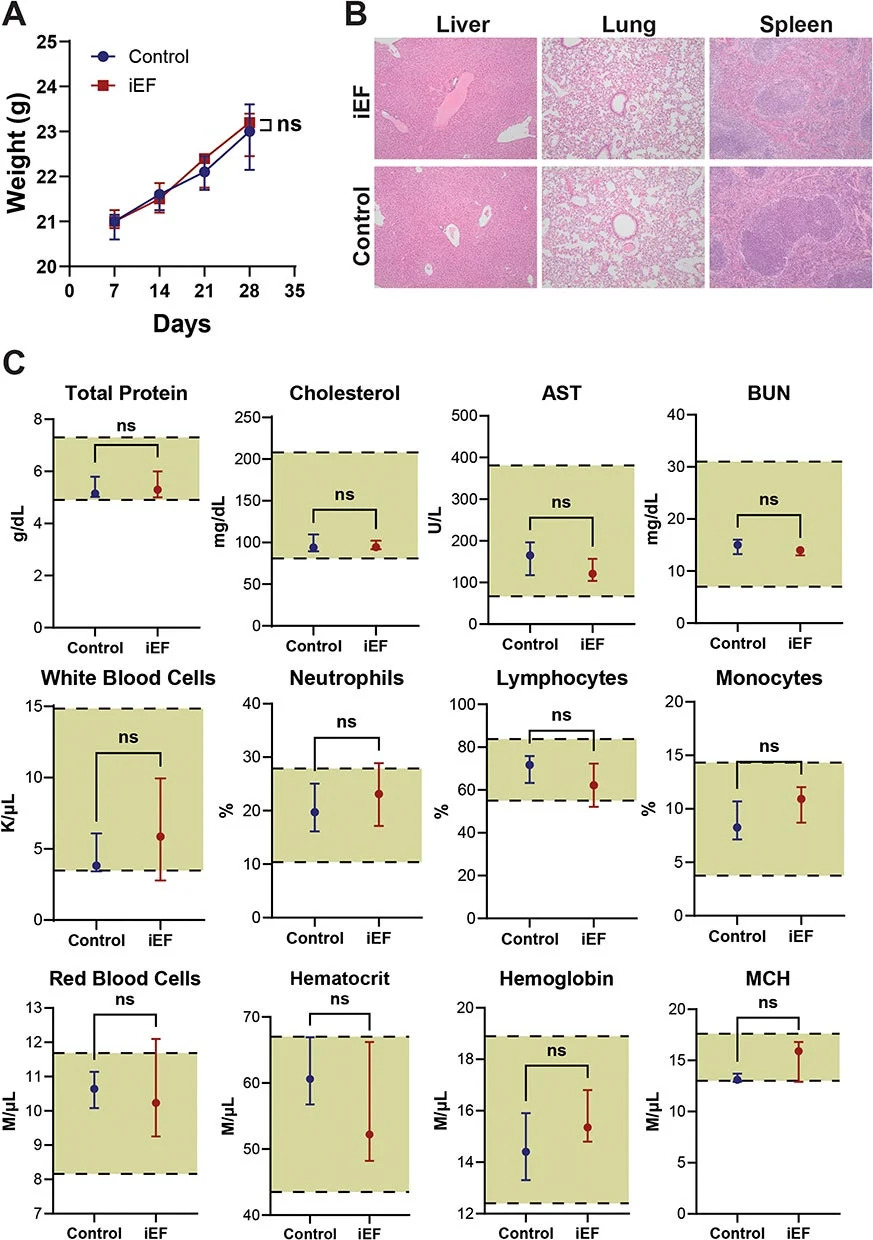
iEF treatment is well tolerated and safe in mice. (CREDIT: Breast Cancer Targets and Therapy)
Antitumor and antimetastatic effects in the 4T1 model
For efficacy testing, researchers used the aggressive 4T1 orthotopic mouse model of TNBC. After injecting 100,000 4T1 cells into the mammary fat pad and randomizing animals once tumors were palpable, mice receiving iEFs developed significantly smaller primary tumors and lower tumor weights at study end. Blinded histologic counts showed the treated group had significantly fewer lung metastases and the metastatic lesions that did occur were smaller than in controls.
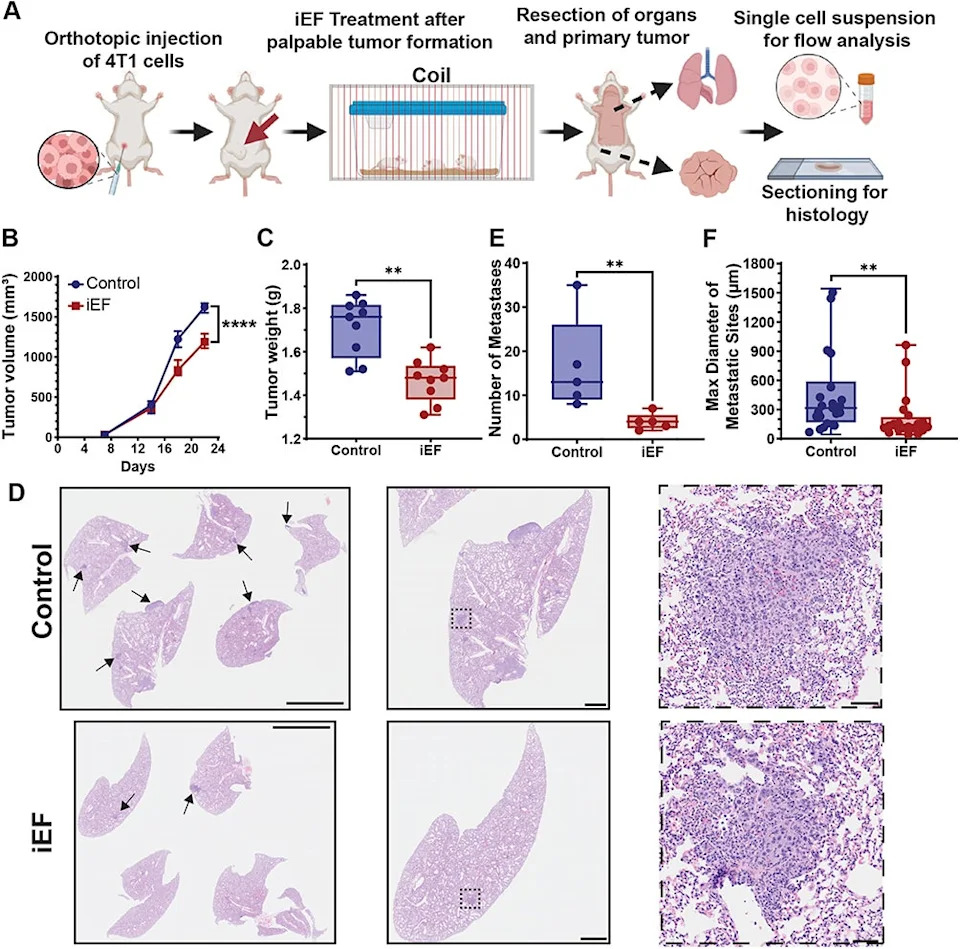
iEF inhibits TNBC tumor growth and metastasis. (CREDIT: Breast Cancer Targets and Therapy)
Biologic mechanisms
Mechanistic studies indicated iEFs affected both cancer cell behavior and the immune microenvironment. iEF exposure increased E‑cadherin and decreased N‑cadherin—changes consistent with reduced epithelial‑to‑mesenchymal transition (EMT) and lower invasive potential. Prior in vitro work noted reduced cancer cell migration under iEFs, aligning with these findings.
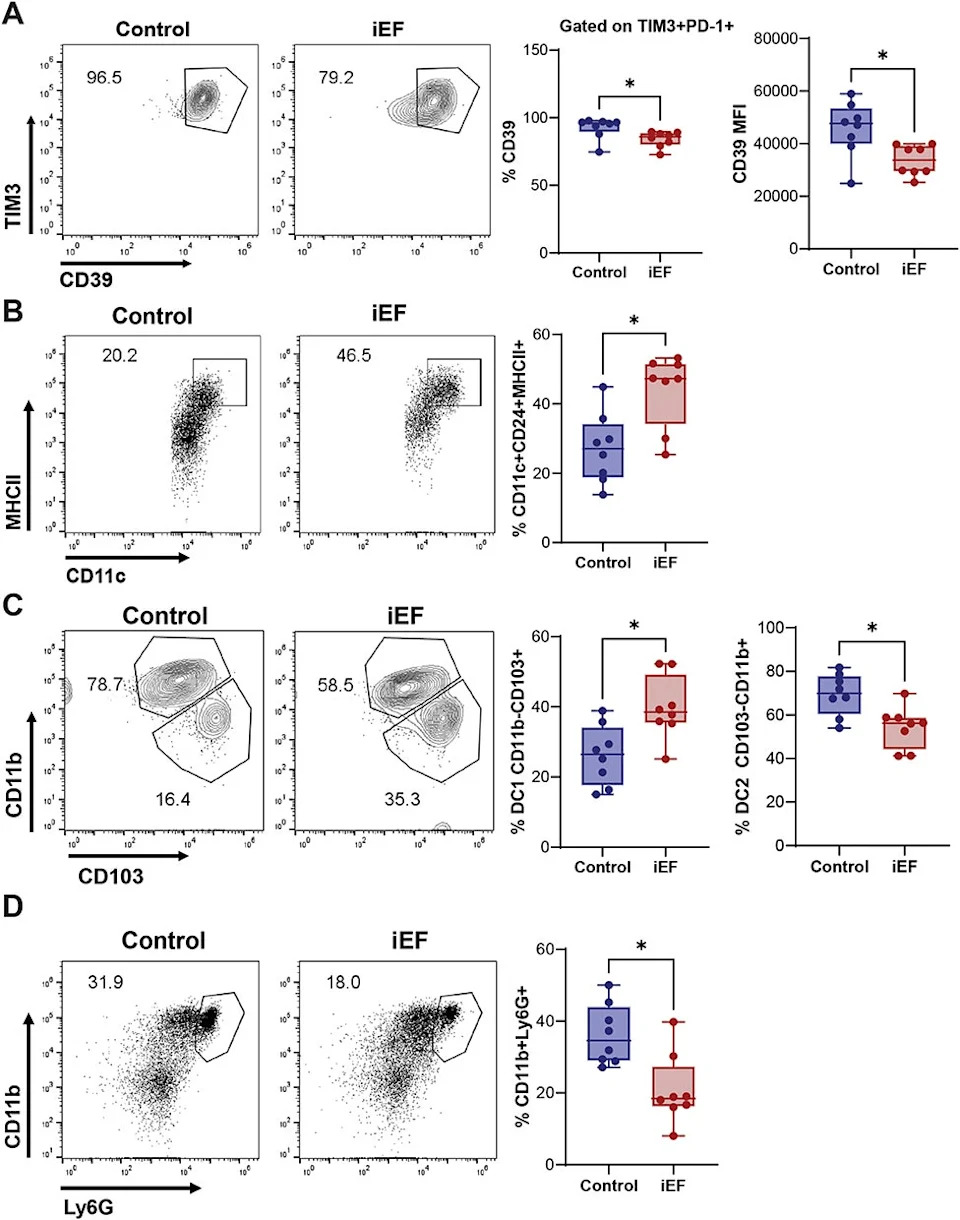
iEF treatment reduces immunosuppressive tumor microenvironment and promotes antitumor immunity in an orthotopic breast cancer model. (CREDIT: Breast Cancer Targets and Therapy)
Notably, iEFs shifted immune patterns in primary tumors and metastatic lungs. Treated tumors showed fewer markers of exhausted CD8+ T cells and increased populations of certain dendritic cells, which present tumor antigens to T cells. In the lungs, iEF‑treated mice had more proliferating CD8+ T cells, fewer granulocytic myeloid (suppressive) cells, and reduced PD‑L1 expression on B cells—changes that together suggest a less immunosuppressive, more immunoreactive environment.
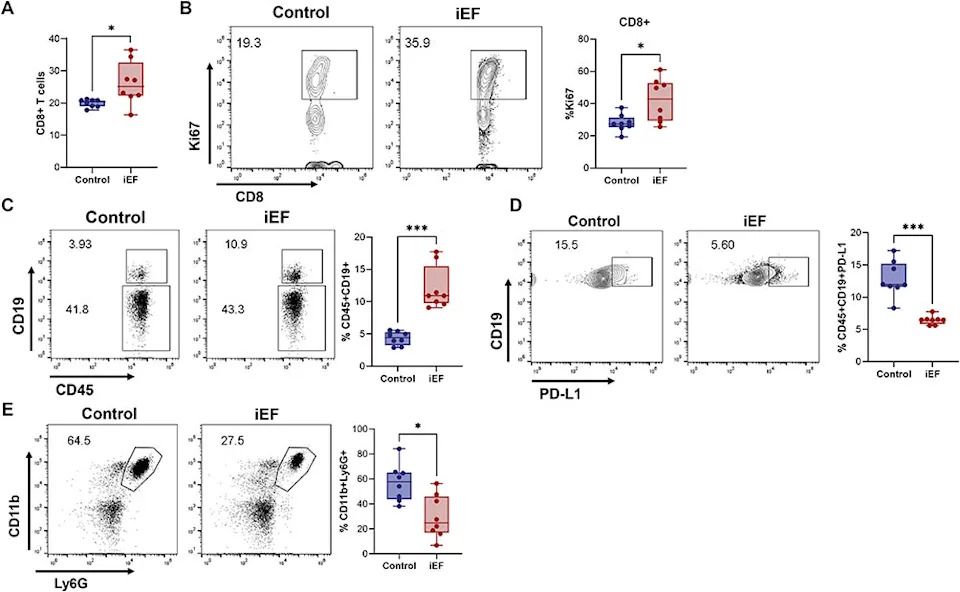
iEF regulates immune cell recruitment to the metastatic site in the lung. (CREDIT: Breast Cancer Targets and Therapy)
Device development and next steps
OSUCCC collaborated with EMBioSys, Inc. to develop a wearable investigational device designed to deliver iEFs. The team reports an upcoming National Institutes of Health‑sponsored human clinical trial to test safety, dosing and feasibility in people. The authors stress the results are preclinical: important open questions include optimal dose and schedule, long‑term safety, and whether iEFs are most effective alone or combined with chemotherapy or immunotherapy.
Implications
If clinical studies confirm these effects, wearable, low‑powered devices could offer a noninvasive adjunct to existing therapies and may help convert immunologically "cold" tumors into targets more responsive to immunotherapy. The study also highlights how physical engineering approaches—beyond drugs—can reshape cancer biology.
Study Source: Breast Cancer Targets and Therapy (peer‑reviewed). Results are preclinical and require human trials before clinical use.
Help us improve.