Focused ultrasound is a non‑invasive technique that focuses dozens of acoustic beams through a helmet to target brain regions with millimeter precision. Researchers led by Dr. Ali Rezai at West Virginia University are testing the method to disrupt craving circuitry in the nucleus accumbens and reduce drug addiction. The outpatient procedure can take about 20 minutes and has produced early reports of reduced cravings, but it remains experimental and requires larger trials to establish effectiveness and safety.
This Is Your Brain On Focused Ultrasound: A Scalpel‑Free Approach To Addiction
Brain
If the idea of brain surgery appeals but the thought of an open skull repels you, focused ultrasound offers a promising, scalpel‑free alternative. This experimental technique uses tightly focused acoustic beams to treat specific brain regions without incisions, and researchers are now testing it as a therapy for addiction.
A Non‑Invasive Option
Focused ultrasound is an emerging, non‑invasive method that lets clinicians target deep brain structures through the intact skull. It has already been used in treating Parkinson’s disease and other neurological conditions, and teams led by neurosurgeons such as Dr. Ali Rezai at West Virginia University are investigating its potential to reduce drug cravings and relapse in patients with substance use disorders.
Public health data underline the urgency: nearly 45 million Americans met criteria for a substance use disorder in 2025, and although overdose deaths declined for three consecutive years, nearly 70,000 people died of overdoses in 2025.
How It Works
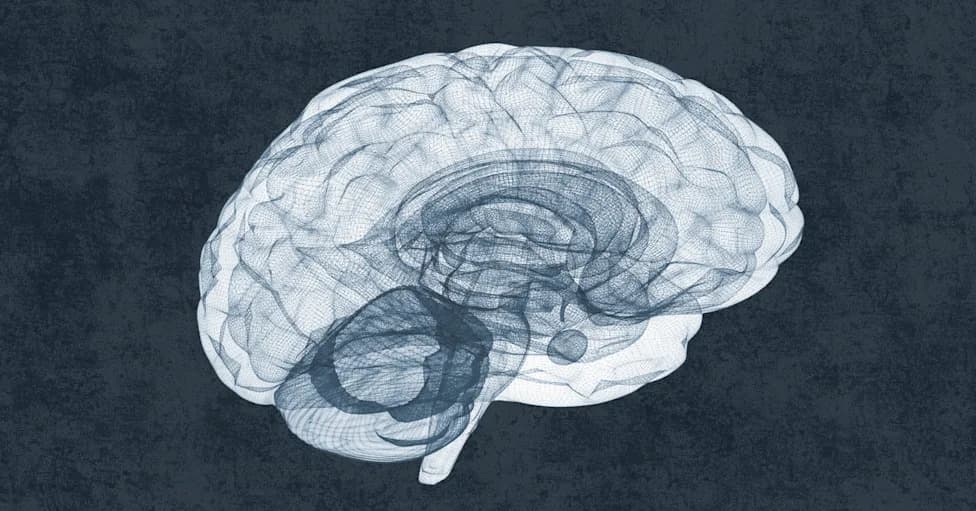
Patients wear a helmet‑like array that emits dozens of low‑intensity acoustic beams. Each beam is harmless alone, but the waves are focused with millimeter precision to converge on a single target — most often the nucleus accumbens, a key node in the brain’s reward and craving circuitry. The combined energy alters activity in that region without opening the skull.
In some trials, patients view images or cues linked to their substance use during treatment. The therapy aims to disrupt the learned connection between those cues and the drug‑induced reward response, effectively "resetting" craving pathways. Procedures are performed on an outpatient basis and can be brief — often around 20 minutes, depending on the protocol.
Clinical Status, Safety And Early Findings
Focused ultrasound for addiction is still experimental. Early reports from small studies and pilot trials describe reductions in craving and periods of sustained abstinence for some participants, but larger, randomized clinical trials are needed to confirm efficacy, define which patients benefit most, and establish long‑term safety. Researchers emphasize careful monitoring, standardized outcome measures, and replication across sites before widespread adoption.
Expanding Access And New Applications
Dr. Rezai’s team is developing more accessible hardware — including a portable device resembling a salon hair dryer — and exploring other uses such as treating binge‑eating disorder. Some groups are even studying adaptations for animals with severe anxiety. If validated, non‑invasive approaches could broaden access to brain interventions by reducing the need for surgery and inpatient stays.
Tech Investment And Startups
The field has attracted interest from technology founders and venture‑backed startups. Notable names involved in or funding work related to focused ultrasound and related neurotechnology include Fred Ehrsam’s Nudge, Sam Altman’s Merge Labs, Mary Lou Jepsen’s Openwater, and Sanmai Technologies (backed by Reid Hoffman).
Bottom line: Focused ultrasound represents a compelling, non‑surgical approach to modulating brain circuits involved in addiction. Early results are encouraging, but rigorous clinical trials and long‑term follow‑up are essential before it becomes a standard treatment.
Help us improve.