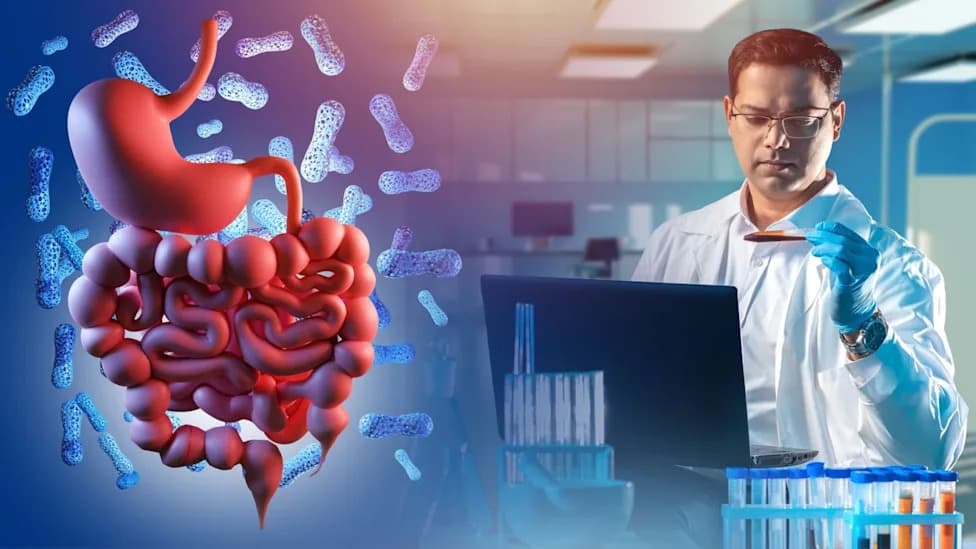
The human microbiome is moving from a niche topic to a central focus in cancer research, with evidence it can affect treatment response and may offer prevention opportunities. City of Hope researchers — building on advances from the NIH-funded Human Microbiome Project — are studying gut health, diet and personalized microbiome interventions, and running clinical trials. A recent national symposium with HHS and NIH leaders highlighted a shift toward funding that accelerates translation into patient care. Delivering on this promise will require coordinated, long-term investment, shared standards and broad patient participation.
How the Microbiome Could Transform Cancer Care — And What It Will Take
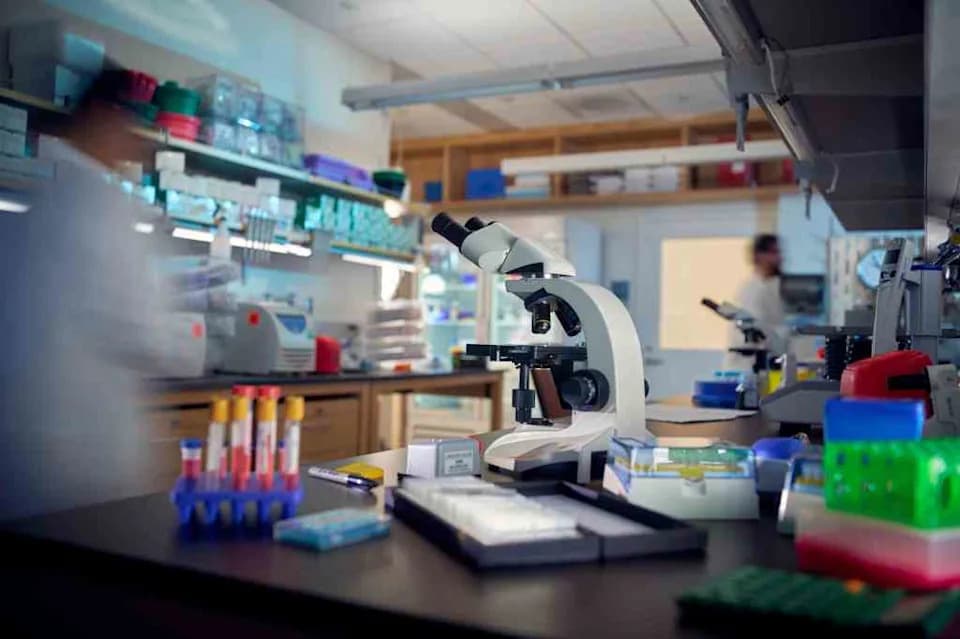
The Microbiome Lab at City of Hope.
For decades, advances in oncology have followed deliberate investments in new scientific frontiers. From tumor biology and immunology to genetics and precision medicine, focused research has steadily lowered mortality and improved both survival and quality of life.
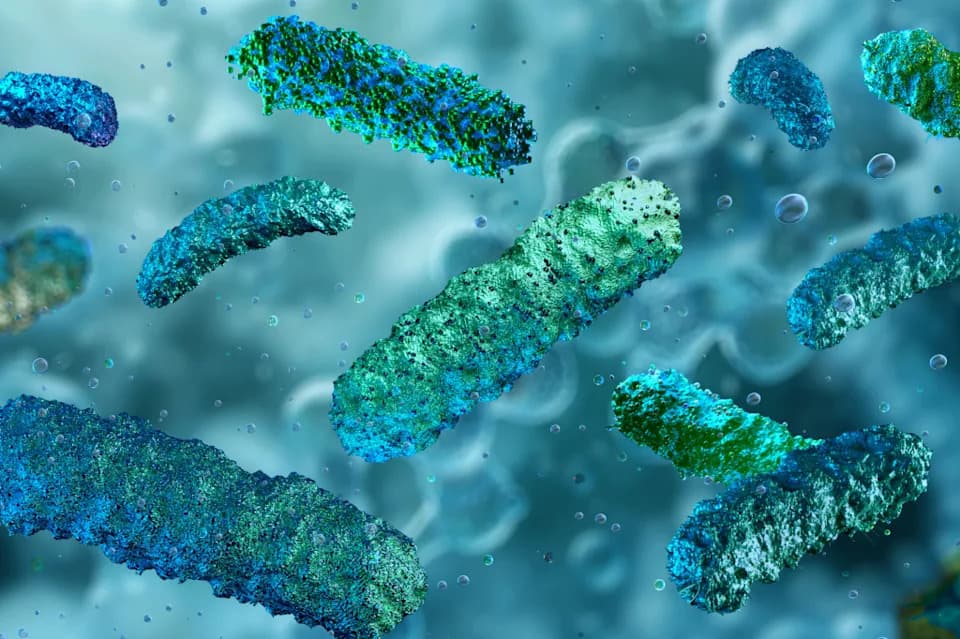
Today, the human microbiome — the trillions of microbes that live in and on our bodies — is emerging as the next major frontier in cancer research. Early findings suggest the microbiome can influence how patients respond to therapy and may offer new paths for prevention and personalized care.
City of Hope’s Role and Early Foundations
Researchers at City of Hope trace their microbiome work to the early 2000s, when sequencing advances from the NIH-funded Human Microbiome Project first enabled mapping of the body's bacterial communities. That capability opened the door to investigating how microbial ecosystems affect outcomes in complex procedures such as bone marrow transplantation (BMT) and in responses to systemic cancer therapies.
From Lab to Clinic: Trials and Interventions
City of Hope is pursuing multiple translational approaches: strategies to preserve and restore gut health around intensive treatments, clinical trials testing whether specific diets alter therapy response, and research into precision treatments tailored to an individual patient’s microbiome. These efforts aim to move promising basic discoveries into trials and, ultimately, into practice.
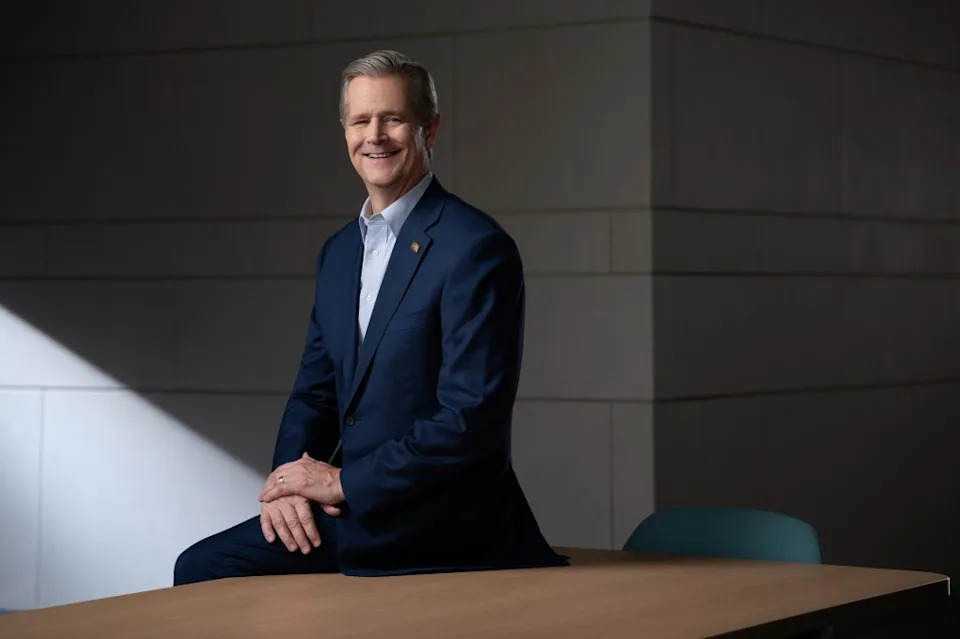
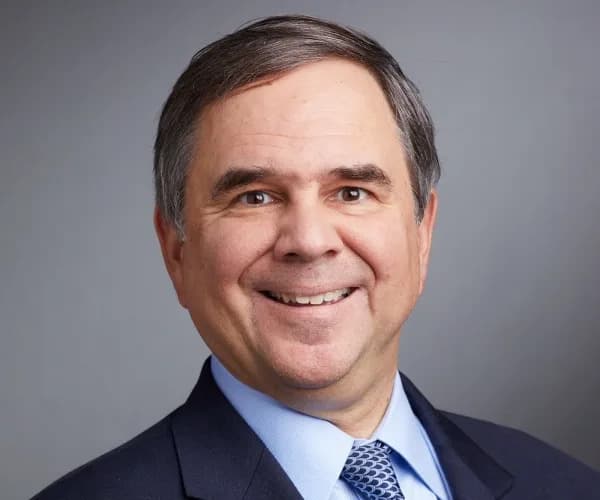
Robert Stone, CEO of City of Hope.
National Momentum and the Need for Investment
City of Hope recently convened a national symposium that brought together clinicians, researchers and federal officials — including leaders from the Department of Health and Human Services and the National Institutes of Health. The meeting underscored a shift in federal thinking: beyond foundational science toward larger, targeted investments to accelerate translational work that benefits patients sooner.
“The promise is real. The responsibility now is to pursue it with the focus, investment and coordination that patients deserve,” said Robert Stone, CEO of City of Hope.
What It Will Take
Turning microbiome science into improved outcomes will require more than money. Because the field crosses academic and clinical boundaries, progress depends on coordinated efforts across research institutions, health systems, government agencies and philanthropy. Key needs include shared standards, interoperable data systems, long-term evidence generation and broad patient participation in clinical trials.
The scientific talent exists; the challenge is aligning funding, infrastructure and collaborative will to translate discovery into care. If those pieces come together, microbiome research could reshape prevention strategies and complement existing cancer therapies — potentially improving efficacy and reducing complications for many patients.
City of Hope and its partners are working to realize that future. Achieving it will demand national commitment and sustained collaboration to ensure promising findings become reliable, accessible options for patients.
Help us improve.