Hyperfine has finished enrolling patients in a multi-centre Contrast PMR study testing gadolinium-enhanced, ultra-low-field MRI on the portable Swoop system. The trial will evaluate whether contrast improves visualisation of brain lesions linked to blood–brain barrier disruption, such as tumours and inflammatory conditions. Results will support an expanded-indication 510(k) submission targeted for year-end after image review and analysis.
Hyperfine Completes Patient Enrollment in Contrast PMR Trial to Expand Swoop Portable MRI Indications

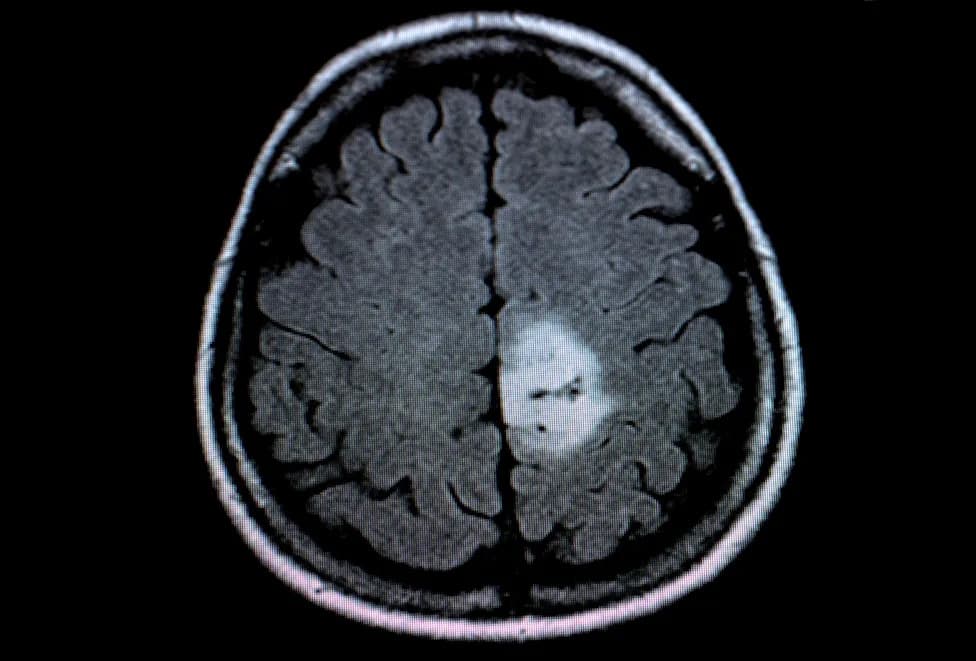
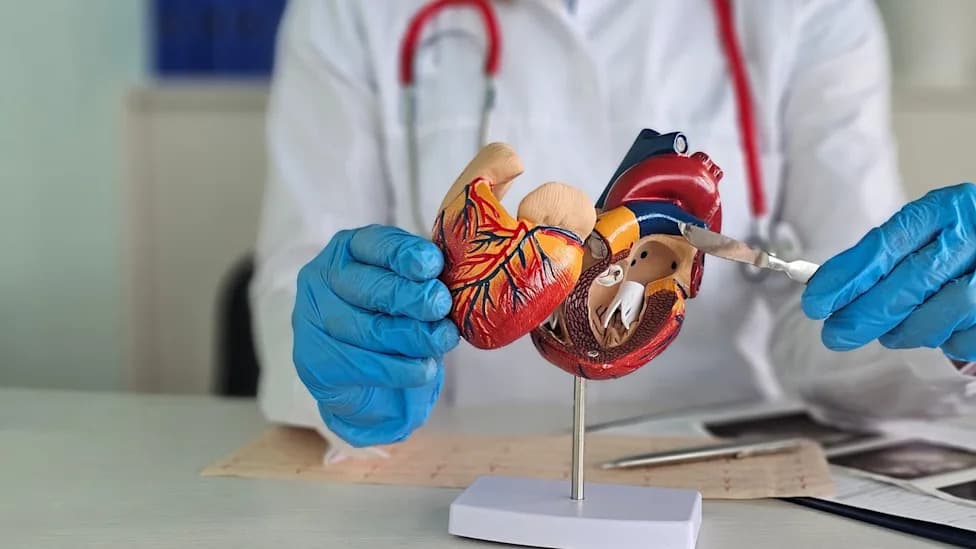
The study focuses on Swoop’s ability to visualise lesions linked to blood-brain barrier disruption using gadolinium-based contrast. Credit: mi_viri / Shutterstock.com.
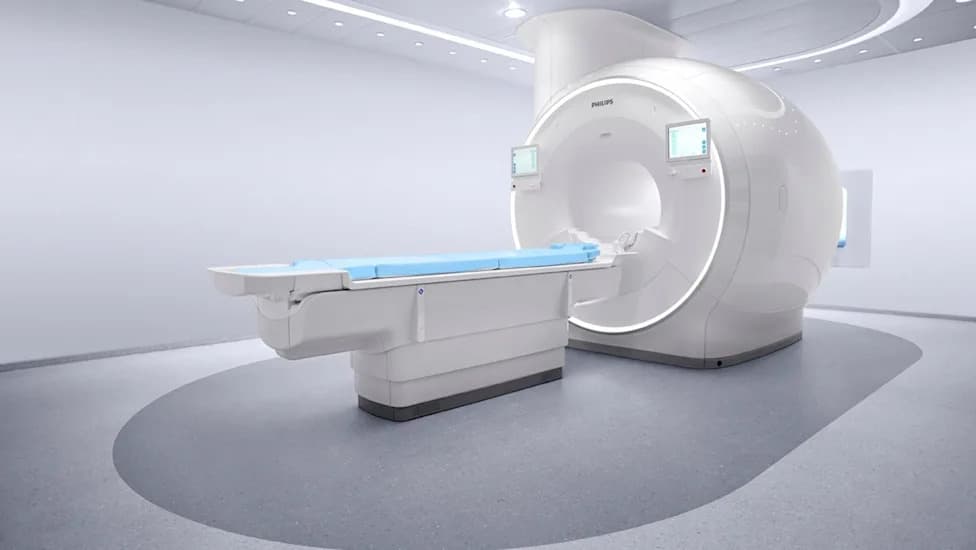
Hyperfine has completed patient enrollment in a multi-centre, prospective Contrast PMR study that evaluates the use of gadolinium-based contrast agents with its portable Swoop ultra-low-field MRI system.
Study Overview
The trial will assess whether contrast-enhanced, ultra-low-field magnetic resonance imaging (MRI) performed on the Swoop device improves visualisation and characterisation of brain lesions. The research focuses on lesions associated with blood–brain barrier disruption, including those seen in brain tumours and inflammatory conditions.
Endpoints And Regulatory Goal
The study’s endpoints comprise three distinct measures of lesion appearance intended to quantify any improvement in detection or characterisation with contrast-enhanced imaging. Hyperfine plans to use the collected images and data to support its first expanded-indication submission for Swoop since initial FDA clearance, targeting a 510(k) filing by the end of this year after image review and data analysis are completed.
Clinical Implications
Contrast-enhanced ultra-low-field MRI on a portable platform could broaden the clinical utility of bedside imaging by improving lesion conspicuity in settings where conventional MRI is impractical. Potential applications include expanded outpatient use and new post-procedural workflows in surgical environments, such as assessment of residual tumour after resection.
Maria Sainz, President and CEO of Hyperfine: "We believe contrast-enhanced imaging can be a powerful catalyst for expanding adoption of the Swoop system and extending its value across the diverse care settings we serve. In addition to supporting critical diagnostic and treatment decisions, contrast-enhanced brain imaging benefits from established reimbursement pathways, creating a strong foundation for provider adoption and long-term value."
Device Status
The Swoop portable MRI systems are cleared by the FDA for brain imaging in patients of all ages and provide internal structural head images in situations where standard diagnostic examinations are not practical. In July, Hyperfine commercially launched its next-generation Swoop MRI (Model 2) in select European markets.
Note: This article was originally published by Medical Device Network, a GlobalData-owned brand.
Help us improve.