Europe added 8.8 GW of wind capacity in H1 2026, roughly powering seven million homes. Vattenfall, which banned landfilling of blades and nacelle parts in 2021, is piloting creative reuse projects: converting a nacelle into a tiny house, reusing blades as building façades and manufacturing skis from recovered fibres. The company uses mechanical recycling, pyrolysis and energy recovery while pushing for EU regulation and design-for-recycling to reach full circularity by 2030.
From Nacelles to Skis: How a Swedish Energy Company Gives Retired Wind Turbines New Life
From tiny houses to skis: This Swedish company is finding creative uses for retired wind turbines
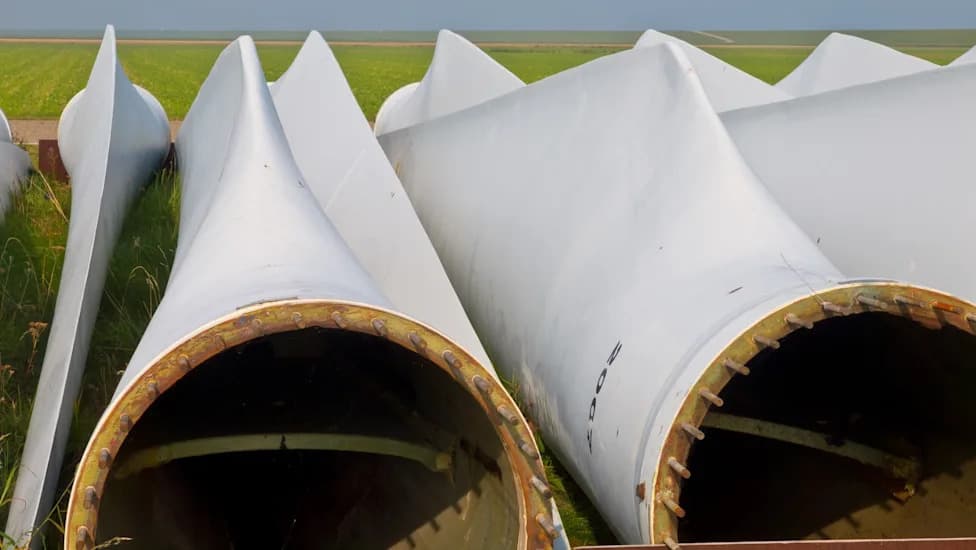
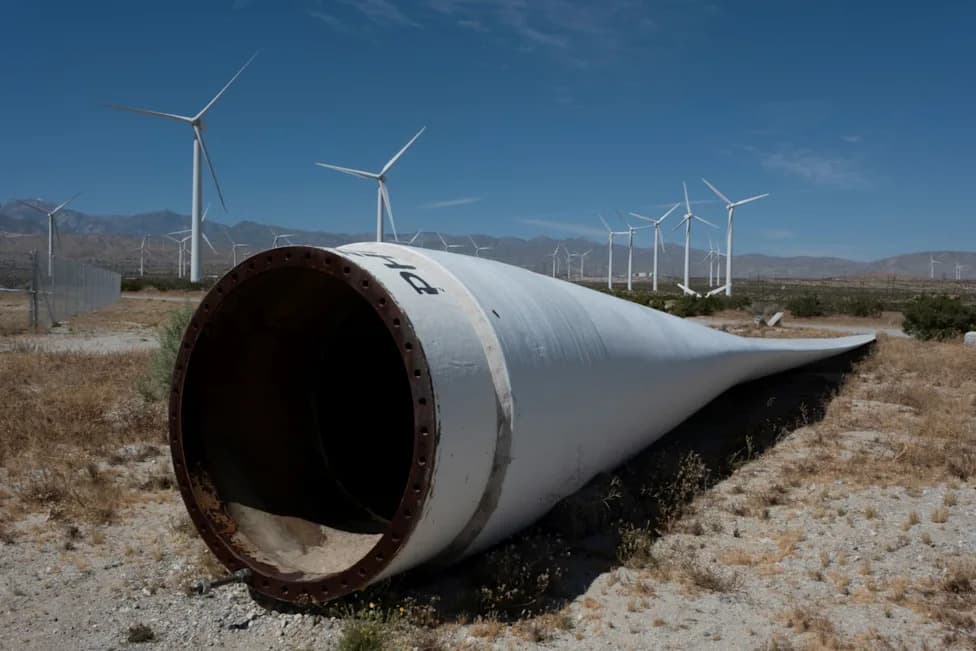
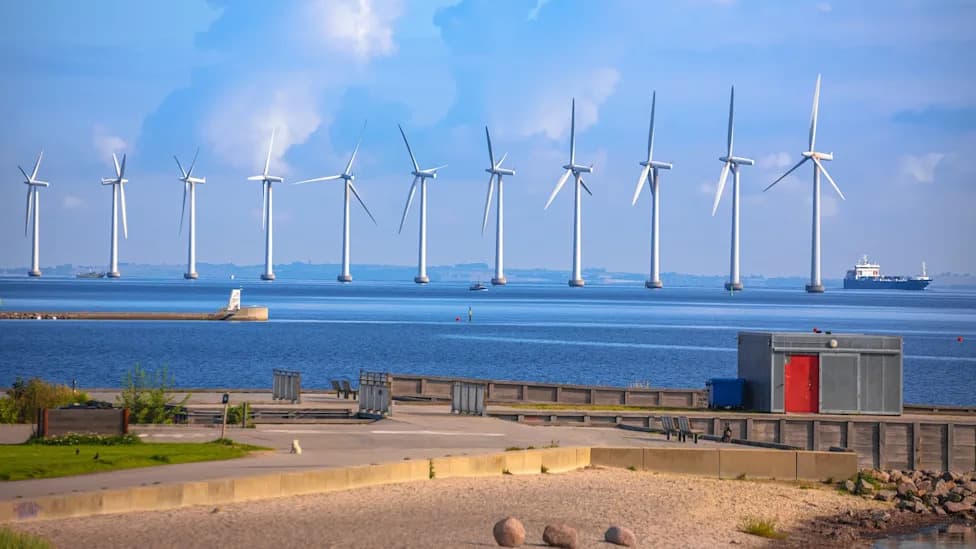
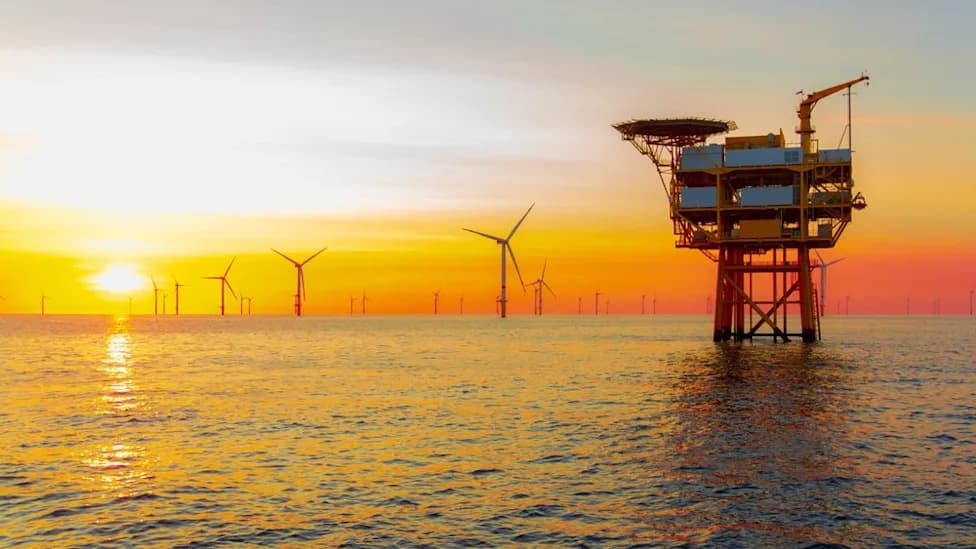
Europe set a record pace for wind growth in the first half of 2026, adding 8.8 GW of capacity — roughly enough to power seven million homes and replace the fossil fuel imports equivalent to about 25 LNG tankers a year. But every turbine installed eventually needs retiring, and while much of a turbine is readily recyclable, blades present a persistent challenge because of their composite construction.
Vattenfall, which banned landfilling of blades, nacelle covers and nose cones in 2021, has been piloting a range of reuse and recycling solutions designed to keep turbine parts out of landfill and preserve material value with low energy input.
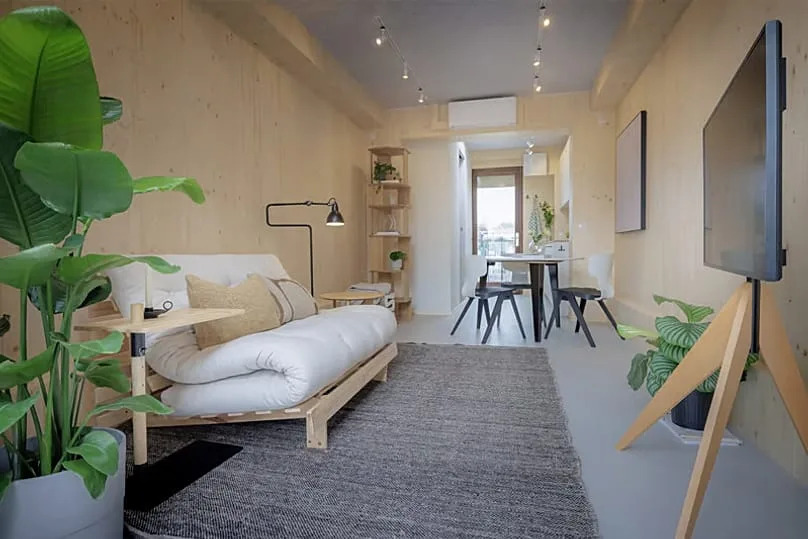
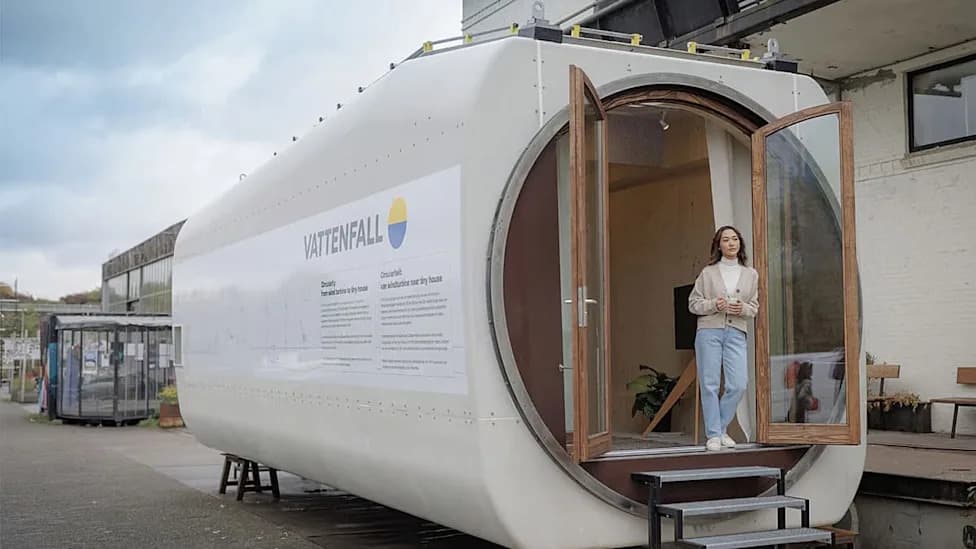
Inside the tiny house converted from a wind turbine nacelle by Vattenfall and design studio Superuse. - Vattenfall
Creative Reuse: Tiny Houses, Facades and Skis
One striking example is a retired nacelle cover turned into a compact living unit in partnership with design studio Superuse. The converted nacelle (4 m wide, 10 m long and 3 m high) contains a kitchen, bathroom and living area and is fitted with a heat pump, rooftop solar and a solar water heater. It was showcased at Dutch Design Week 2024 as an experiment in low-energy reuse.
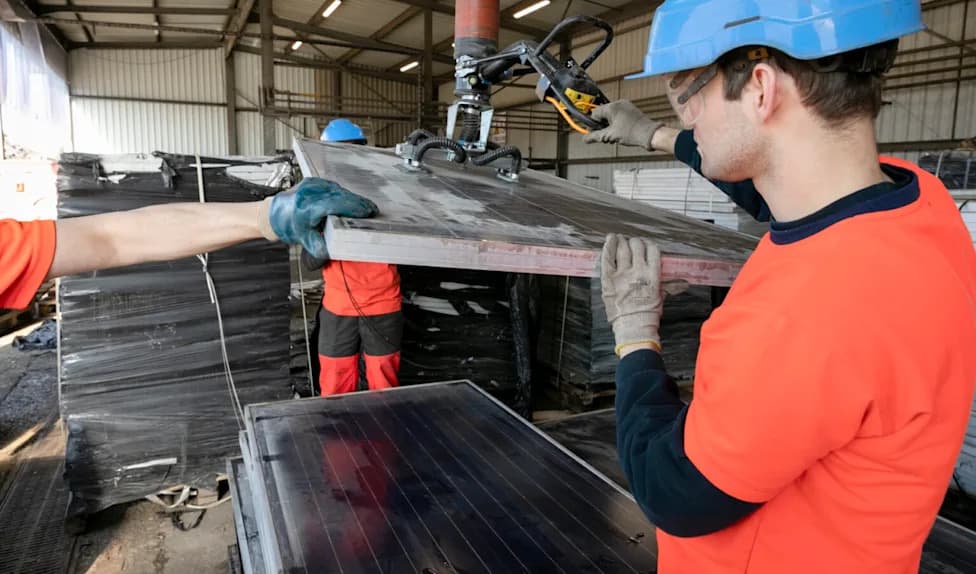
Blades have been repurposed too. In 2023, 57 blades from Denmark’s Nørre Økse Sø onshore farm were reused as a façade element for the multi-storey Niels Bohr car park in Lund, Sweden. Other pilot uses include frames for solar panels and even alpine skis: Vattenfall partnered with Norwegian recycler Gjenkraft and EVI Ski to incorporate recovered glass and carbon fibres into ski production.
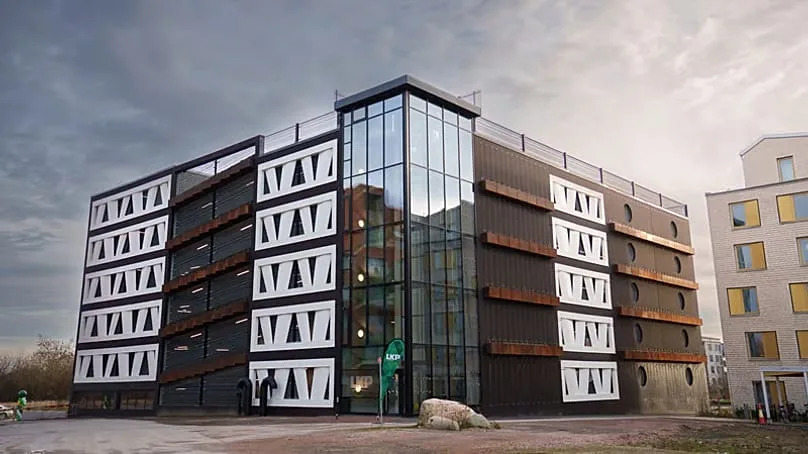
The Niels Bohr car park in Lund is partly constructed from rotor blades from decommissioned wind turbines. - Vattenfall
Eva Julius-Philipp, Director of Environment and Sustainability, Business Area Wind at Vattenfall, says: "Projects such as the tiny house, blade-based building projects and recycled skis are not yet large-scale solutions; they are meant to build experience, develop applications and stimulate a market for circular solutions."
Recycling Technologies and Design for End-Of-Life
Up to 90% of a turbine’s mass (steel, copper, aluminium, concrete) is easily recyclable. The difficulty lies with blade composites: glass and carbon fibres bonded with epoxy resins and other core materials. Vattenfall is pursuing multiple approaches to reach 100% circularity for composite materials by 2030, including:
- Mechanical recycling – shredding blades into composite flakes or fillers for lower-value products;
- Pyrolysis – thermal processing that can recover fibres and other secondary materials;
- Energy recovery and cement co-processing – used where high-value recycling is not feasible.
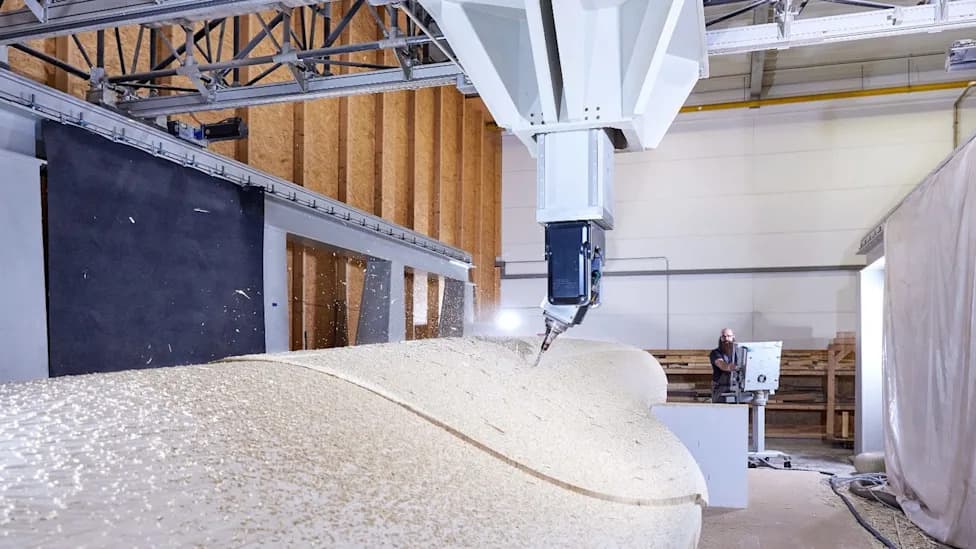
Manufacturers are also adapting designs: Siemens Gamesa’s "Recyclable Blades" (used at Vattenfall’s Hollandse Kust Zuid offshore site) use a resin that dissolves in a low-temperature, mildly acidic solution, freeing fibres without significantly degrading their properties and enabling higher-quality reuse.
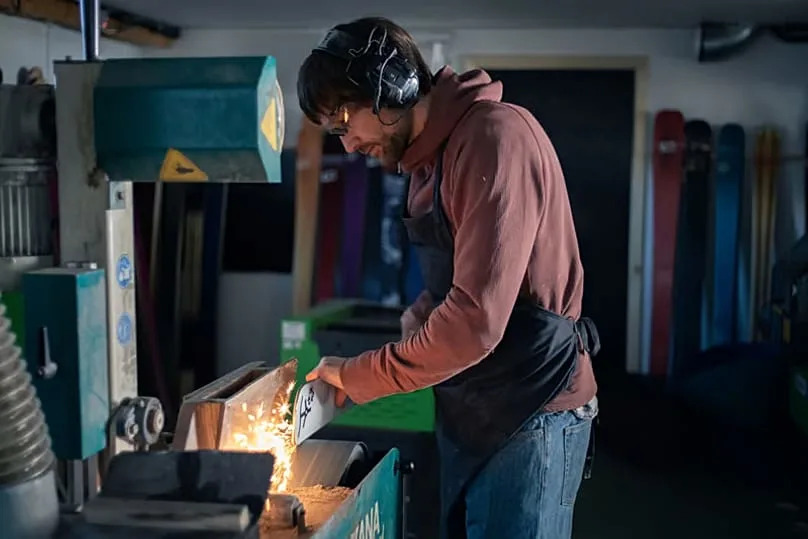
EVI Ski and Norwegian recycling company Gjenkraft collaborated with Vattenfall to use glass and carbon fibres from decommissioned wind turbine blades to manufacture skis. - Vattenfall
Regulatory And Market Barriers
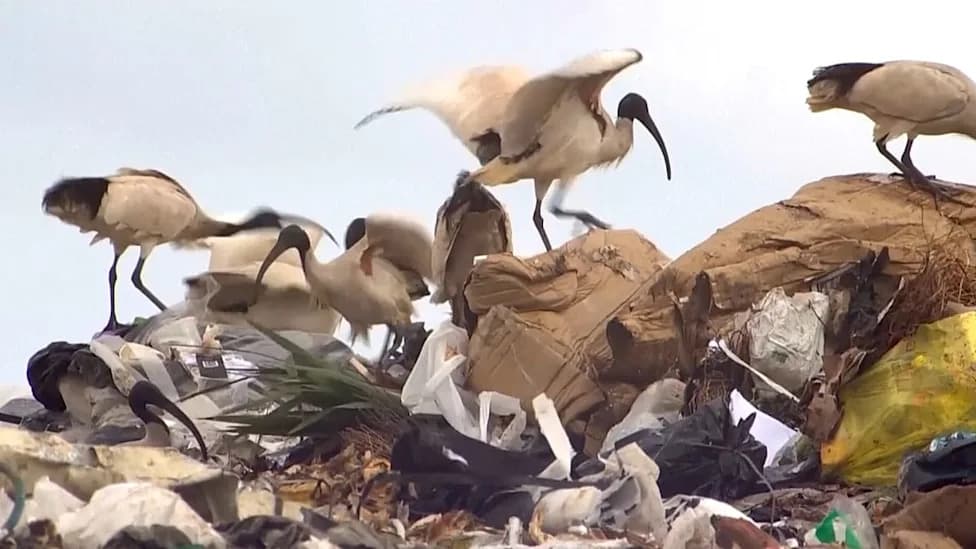
Technology alone won’t solve the problem. Decommissioned blades currently arrive irregularly, which complicates the economics of recycling plants. Only a handful of EU countries (Austria, Finland, Germany and the Netherlands) have national bans on sending blades to landfill; the EU has not yet enacted a bloc-wide ban. Industry groups such as WindEurope are urging Brussels to adopt binding rules to enable circular value chains and scale secondary raw materials. Vattenfall hopes the European Commission’s forthcoming Circular Economy Act will create the regulatory framework needed to make these solutions viable at scale.
As Europe’s first-generation wind farms reach end-of-life, volumes of retired blades will increase rapidly. Scaling cost-effective, low-energy recycling and reuse routes — together with design-for-recycling on new blades — will be essential to closing the loop on wind energy materials.
Help us improve.