Record heat waves and drought this summer strained Europe’s electricity system: wind, hydropower and thermally cooled plants reduced output while demand for air conditioning surged. Solar generation performed strongly — producing about 17% more during heat-wave periods — and batteries helped push that daytime energy into the evening. Peak demand jumped ~28% in Italy and ~14% in France, driving price spikes and highlighting the urgent need for more storage, grid flexibility and investments to adapt generation assets to warmer, drier conditions.
How Solar and Batteries Kept Europe’s Power Grid Afloat During Record Heat and Drought
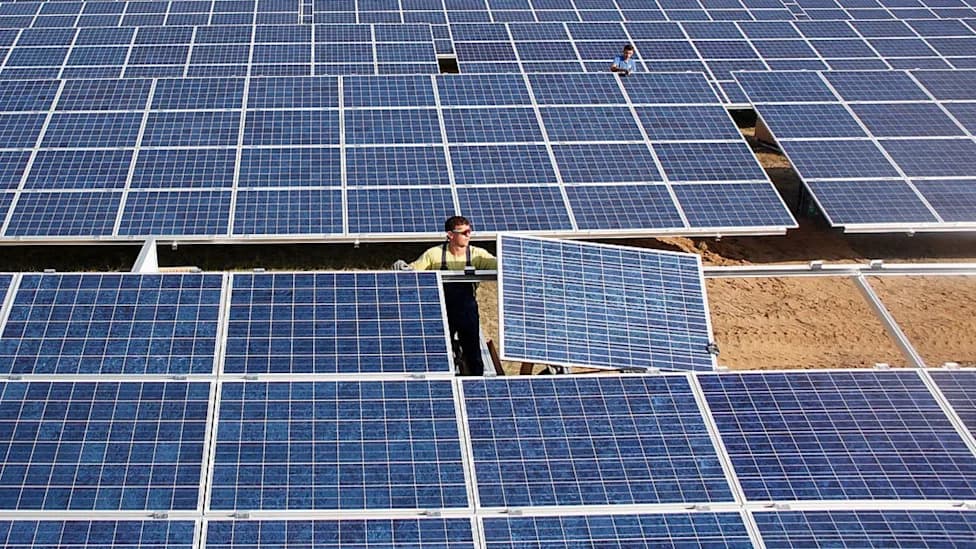
Solar buoyed Europe’s grid amid record-breaking heat and drought this summer
This summer's string of record-breaking heat waves and an accompanying drought pushed Europe's rivers and power plants to their limits — but solar power and battery storage proved unusually resilient, helping stabilize grids when other sources faltered.
Demand Surge and Supply Strains
Extreme temperatures drove a sharp rise in electricity demand as air-conditioning use climbed. Energy think tank Ember found that late-June peak demand rose roughly 28% in Italy and about 14% in France compared with the previous week. As solar generation fell in the evening and households continued to cool their homes, wholesale electricity and natural gas prices surged—reaching some of their highest levels since the 2022–23 winter gas crisis.
At the same time, several supply sources were constrained. Heat and stagnant air reduced wind output across affected regions. Thermal power plants that rely on river water for cooling — including nuclear, gas and coal plants — trimmed generation as waterways warmed and levels dropped. In the United Kingdom, five gas-fired plants cut a combined 2.5 gigawatts of output in June because cooling systems became less effective, while low wind speeds roughly halved typical wind-farm generation.
Rivers, Hydro And Nuclear Under Pressure
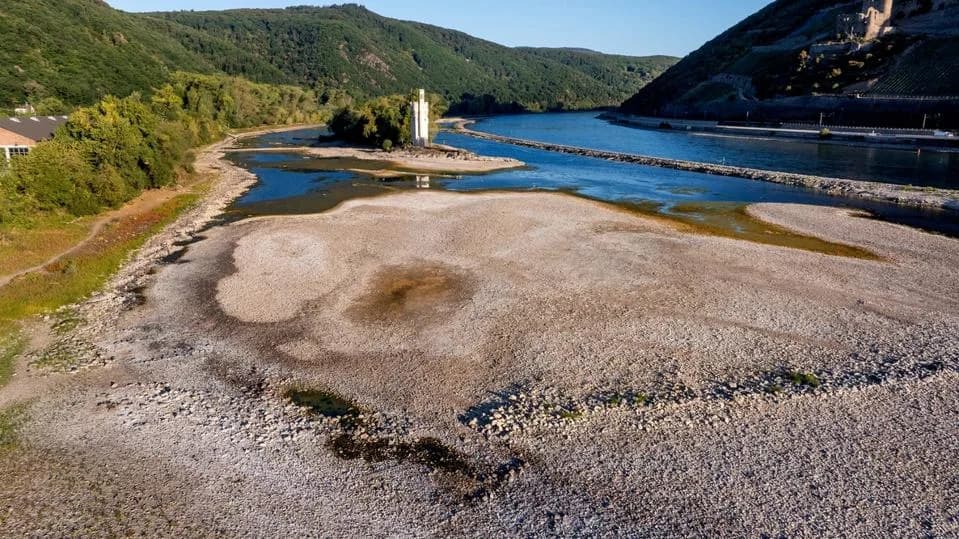
Record dryness lowered river levels across the continent: England and Wales recorded their driest July on record, and the Danube fell to lows that exposed wartime wrecks and ancient relics. Hydropower production hit its lowest July total in a decade. In mid-July, Ember reported that France lost about 18% of its nuclear capacity to environmental constraints after warming, low rivers limited cooling-water intake — part of a recurring pattern of summertime nuclear curtailments.
French reactors commonly draw river water at ambient temperatures and must keep discharged water below legal temperature limits to protect aquatic life. When intake water is already warm, plants must reduce output to comply with environmental rules.
Solar And Batteries: A Stabilizing Pair
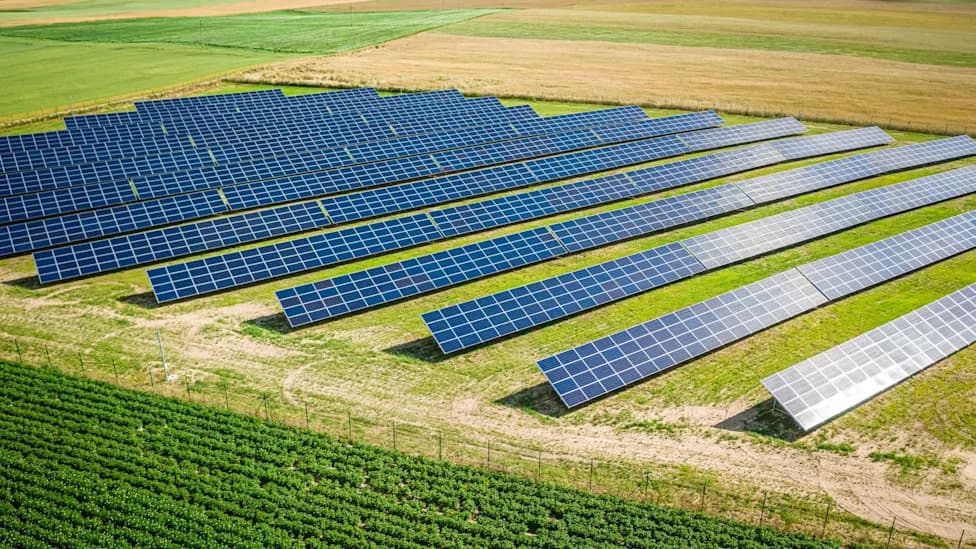
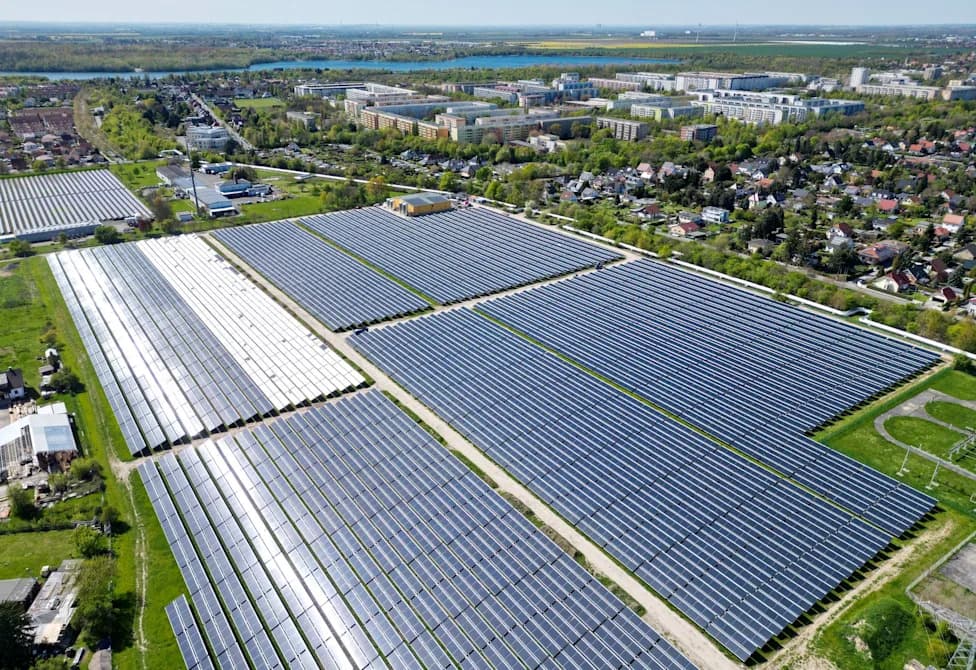
Clear skies brought by heat waves created near-ideal conditions for solar generation. Across the heat-wave periods this summer, European solar panels produced about 17% more electricity than during typical conditions, according to Ember. That extra daytime output helped meet rising afternoon cooling demand when wind and thermal output weakened.
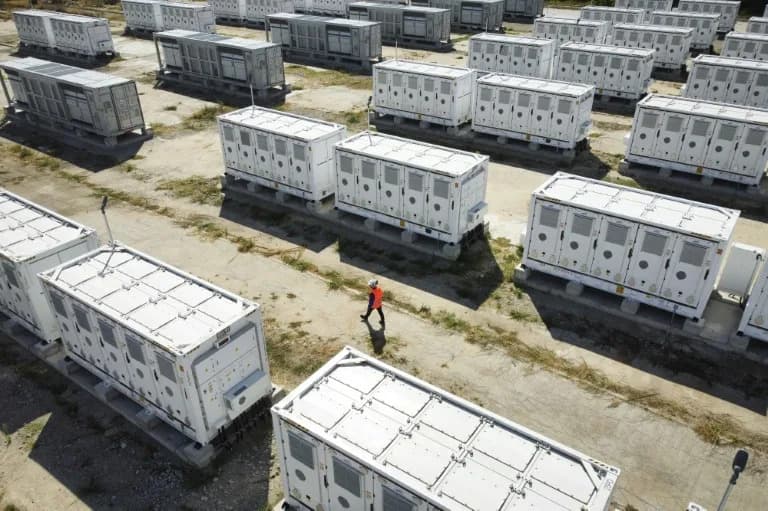
Crucially, battery systems are extending solar's benefit into the evening hours, storing daytime sunshine and dispatching it when households keep air conditioning running after sunset. Walburga Hemetsberger, CEO of SolarPower Europe, emphasized that “the evening period is the next challenge” because temperatures — and cooling demand — often remain high after sunset, even as solar production declines.
Looking Ahead: Adaptation, Investment And Policy
Utilities and policymakers are already responding. France’s state-owned utility has proposed spending more than $10 billion over the next 15 years to adapt nuclear and hydropower assets to warmer, drier conditions — including equipment to cool discharged water so plants comply with environmental limits. At the same time, solar and battery deployment is rising rapidly: industry group SolarPower Europe reported roughly 36 GW of new solar capacity in 2025, a 48% increase year-over-year, while battery installations recorded their twelfth consecutive year of growth.
Analysts and industry voices say the summer's price spikes and supply stresses make clear the need for policies that increase flexibility: faster battery deployment, market rules that reward flexible resources, and investments to adapt conventional plants to a warming climate. As Beatrice Petrovich of Ember put it, treating this summer as a turning point for energy storage could help remove existing regulatory barriers and strengthen future resilience.
Bottom line: Solar plus storage softened the blow of an extreme summer for Europe's electricity system, but rapid demand growth for cooling and ongoing climate warming make further investment in generation, storage and grid flexibility essential.
Help us improve.