German solar farms were curtailed for 1,463 GWh in H1 2026 — enough to power over 136,000 homes for a year — because abundant solar output pushed wholesale prices below zero. Unlike many European countries that subsidize continued production during negative-price episodes, Germany's Solar Peak Act suspends payments for systems commissioned after 25 Feb 2025, creating a financial incentive to shut down. Experts say the best long-term fixes are expanded battery storage and smarter cross-border arrangements to use surplus power instead of wasting it.
Why German Solar Farms Are Being Switched Off — And What It Costs
JU.STOCKER/Shutterstock
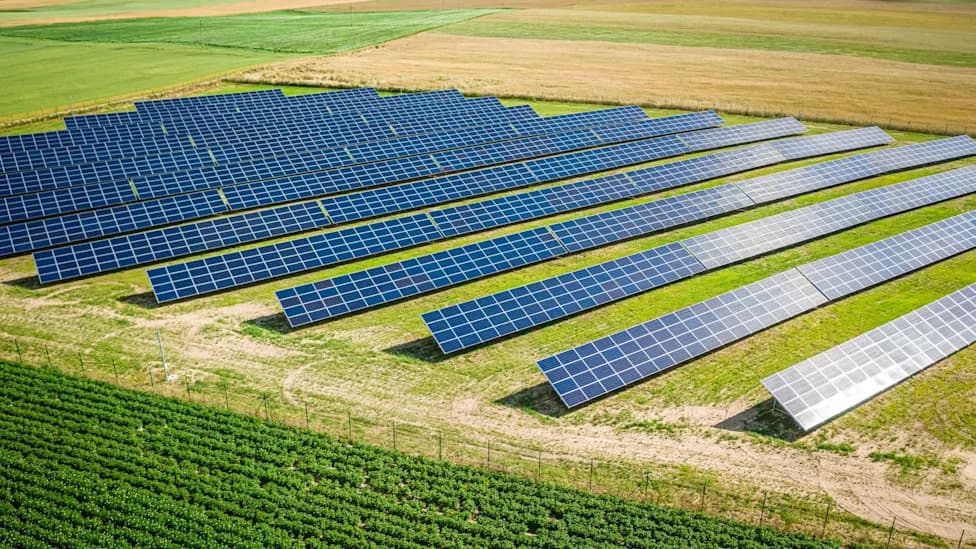
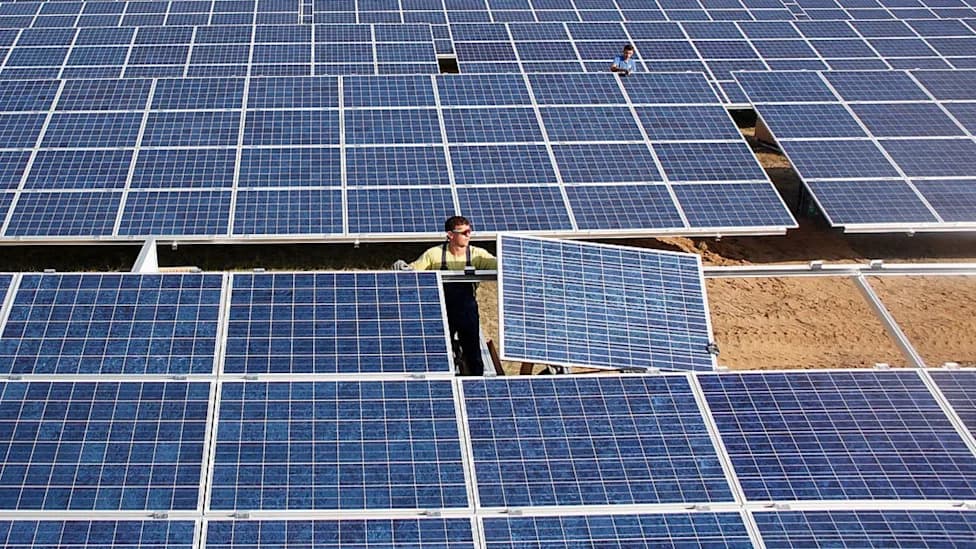
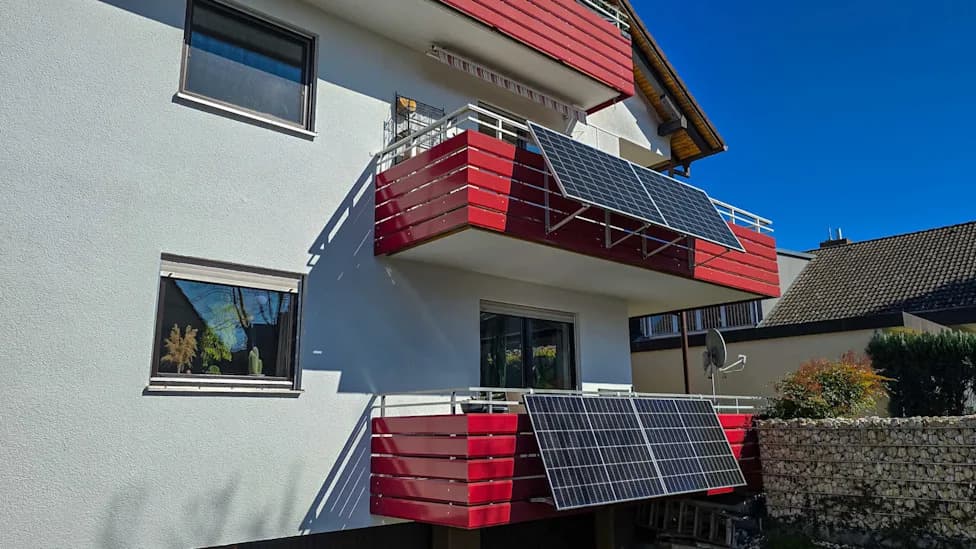
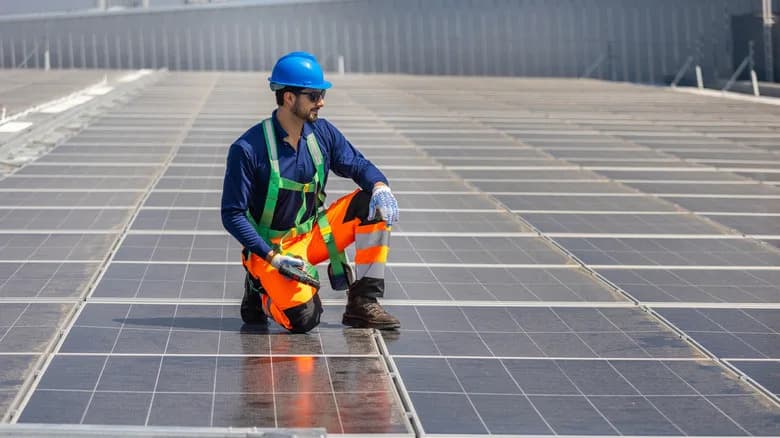
German solar parks were intentionally curtailed for a total of 1,463 gigawatt-hours in the first half of 2026 — energy equivalent to powering more than 136,000 homes for a year — rather than exporting it to the grid. The immediate cause is economic: abundant midday solar output has driven wholesale power prices below zero, so producers must either pay counterparties to accept excess electricity or reduce generation.
Why Germany Differs From Other European Countries
Across much of Europe, operators often keep panels online during negative-price intervals because government subsidies or support payments make continuing production financially viable even when market prices drop. By contrast, Germany's new Solar Peak Act includes a provision that suspends subsidies for photovoltaic systems commissioned after 25 February 2025 during periods of negative market prices. That change creates a clear incentive for curtailment: if subsidies are withheld while prices are negative, producers can avoid losses by temporarily shutting down.
Big Projects Affected
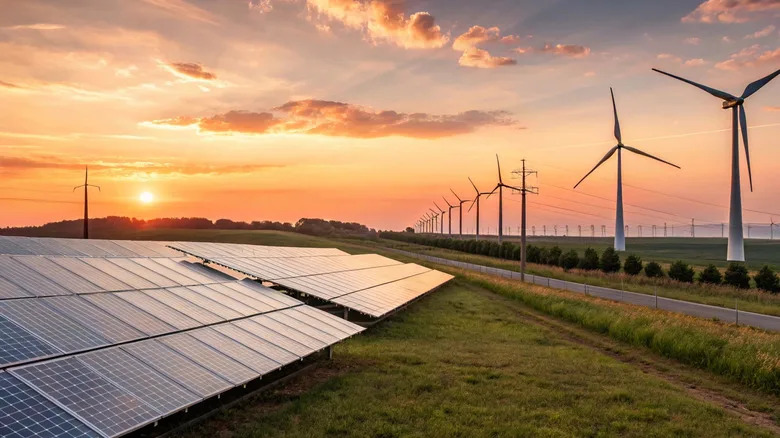
The law applies to new plants commissioned after the cutoff date, including major developments such as the planned 2,000 MW Verbund Visiolar solar park near Berlin, scheduled to begin operations by 2028. Under the Solar Peak Act, projects like this may lose support during negative-price intervals, increasing the likelihood they will curtail output rather than export low- or negatively priced power.
Soft grass/Shutterstock
Broader Context and Consequences
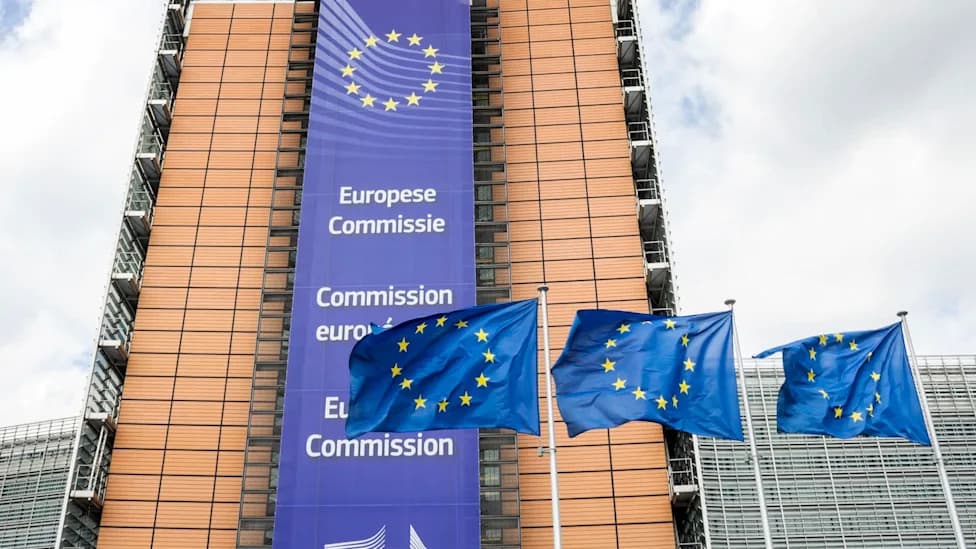
Germany is part of an interconnected EU electricity system that produced roughly 30% of its power from wind and solar in 2025. Regular curtailment makes it harder to raise that share — and complicates efforts to reach zero-carbon goals — because usable renewable output is being left unused. Although curtailment fell across most of Europe in early 2026, national policy choices like Germany's can reverse that trend locally.
Solutions and Practical Steps
Experts point to expanded battery storage as the most practical long-term remedy. Today there is no comprehensive, cost-effective way to store all of the excess midday solar generation; if large-scale storage were widely deployed, operators would have little reason to switch panels off or allow prices to fall into negative territory. Battery-backed systems would also smooth output during weather disruptions, including temporary reductions caused by Saharan dust or other atmospheric effects.
Cross-border cooperation can help too. Smaller states are pursuing creative arrangements: for example, a new solar project intends to make Vatican City energy-independent, with an international agreement ensuring any surplus is transferred to Italy rather than wasted — a model that reduces outright curtailment through regional coordination.
Bottom line: Market design and subsidy rules directly influence whether clean energy is used, exported, or curtailed. Until large-scale, affordable storage and smarter cross-border arrangements are widely deployed, tensions between policy, prices and renewable generation will likely persist across Europe.
Help us improve.