Narges Mohammadi, the 2023 Nobel Peace Prize laureate, warns that Iranians are bearing the brunt of war, sanctions and intensified domestic repression. She described severe mistreatment after her December arrest in Mashhad, a hospital transfer in May, and the smuggling of portions of her prison‑written memoir. Mohammadi praised a rising wave of youth awareness and quiet resistance rooted in the 2022 Mahsa Amini protests and said those actions give her cautious hope despite growing state repression.
Nobel Laureate Narges Mohammadi: Iranians 'Paying an Extremely Heavy Price' for War, Sanctions and Repression
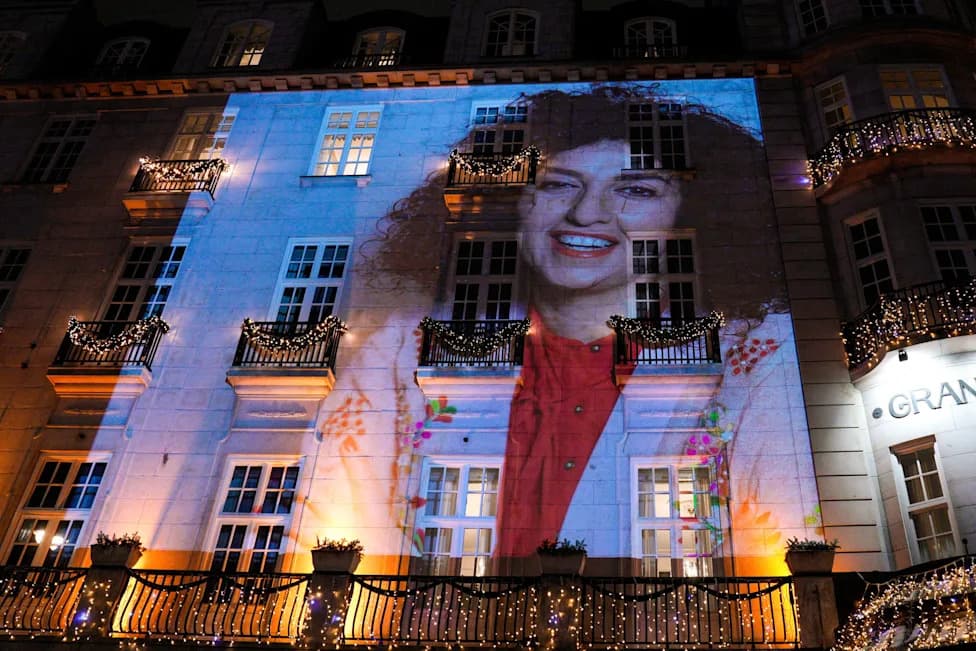
FILE - A photo of Nobel Peace Prize recipient Narges Mohammadi is projected onto the wall of the Grand Hotel in central Oslo before the Nobel banquet on Dec. 10. 2023. (Javad Parsa/NTB Scanpix via AP, File)
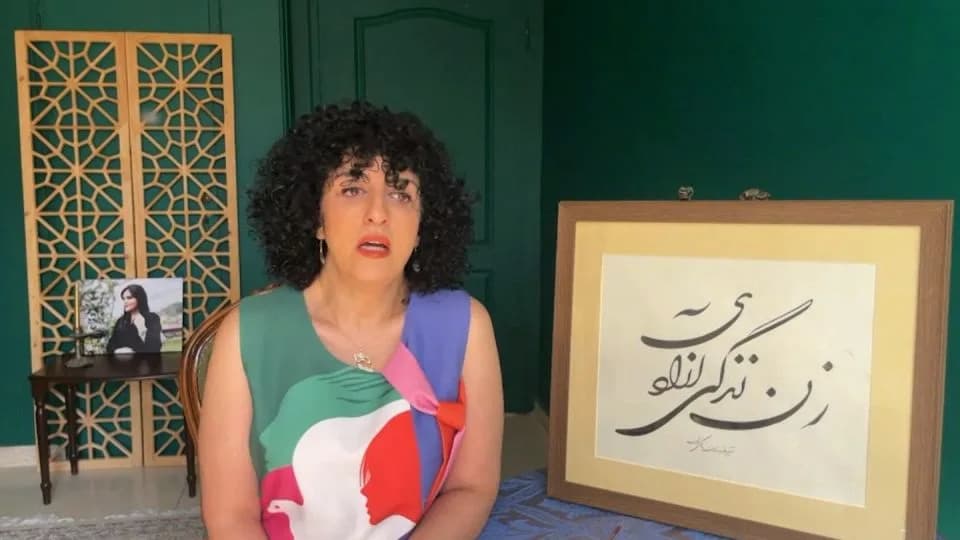
Narges Mohammadi, the 2023 Nobel Peace Prize laureate and Iran’s most prominent human rights campaigner, says ordinary Iranians are suffering severe economic hardship and tightened internal repression that leave “no room for people to breathe” after more than a year of conflict and ongoing U.S. sanctions.
Mohammadi, 54, was temporarily released from prison earlier this year for medical treatment after she lost consciousness and was transferred to hospital. She described harsh treatment during her most recent detention and the long-term toll of decades of arrests and sentences for her human rights work.
Memoir Written Behind Bars
Her memoir, A Woman Never Stops Fighting, was written in prison. Mohammadi said parts of the book were smuggled out by fellow inmates a few pages at a time. Editions in French, German and nine other languages were released this month; her representatives said English and Farsi editions are planned for future release, with the team noting both a general plan for next-year publication and a proposal to issue them in September 2027 to coincide with the memory of Mahsa Amini.
Arrest, Beating and Hospitalisation
Speaking to The Associated Press from outside Iran, Mohammadi recounted being detained in December in Mashhad while attending a memorial for human rights lawyer Khosrow Alikordi. She said security forces beat her severely — with many blows to the head — and that she spent extended periods in solitary confinement despite her injuries.
“My detention was really life‑threatening,” she said. “Most of the hits were to my head, and despite that, they kept me two months in solitary confinement when my condition was deeply worrying.”
Mohammadi lost consciousness on May 1 and was transferred to hospital. She was released on bail about 10 days later and moved to a Tehran hospital, where she stayed for roughly two more weeks. She told AP she is now recovering.
Sentences, Exile and Restrictions
Authorities have handed Mohammadi prison terms that add up to 44 years. In her most recent case she was sentenced to 16 years and more than 100 lashes for attending the memorial rally, though she has not been flogged. She has already spent about 10 years behind bars — including 161 days in solitary confinement — and has been banned from traveling since 2009, preventing her from joining her husband and two children who live in exile in France. Mohammadi said her sentence is currently suspended but that she must return to custody if ordered by the judiciary.
Hope, Resistance and Memories of War
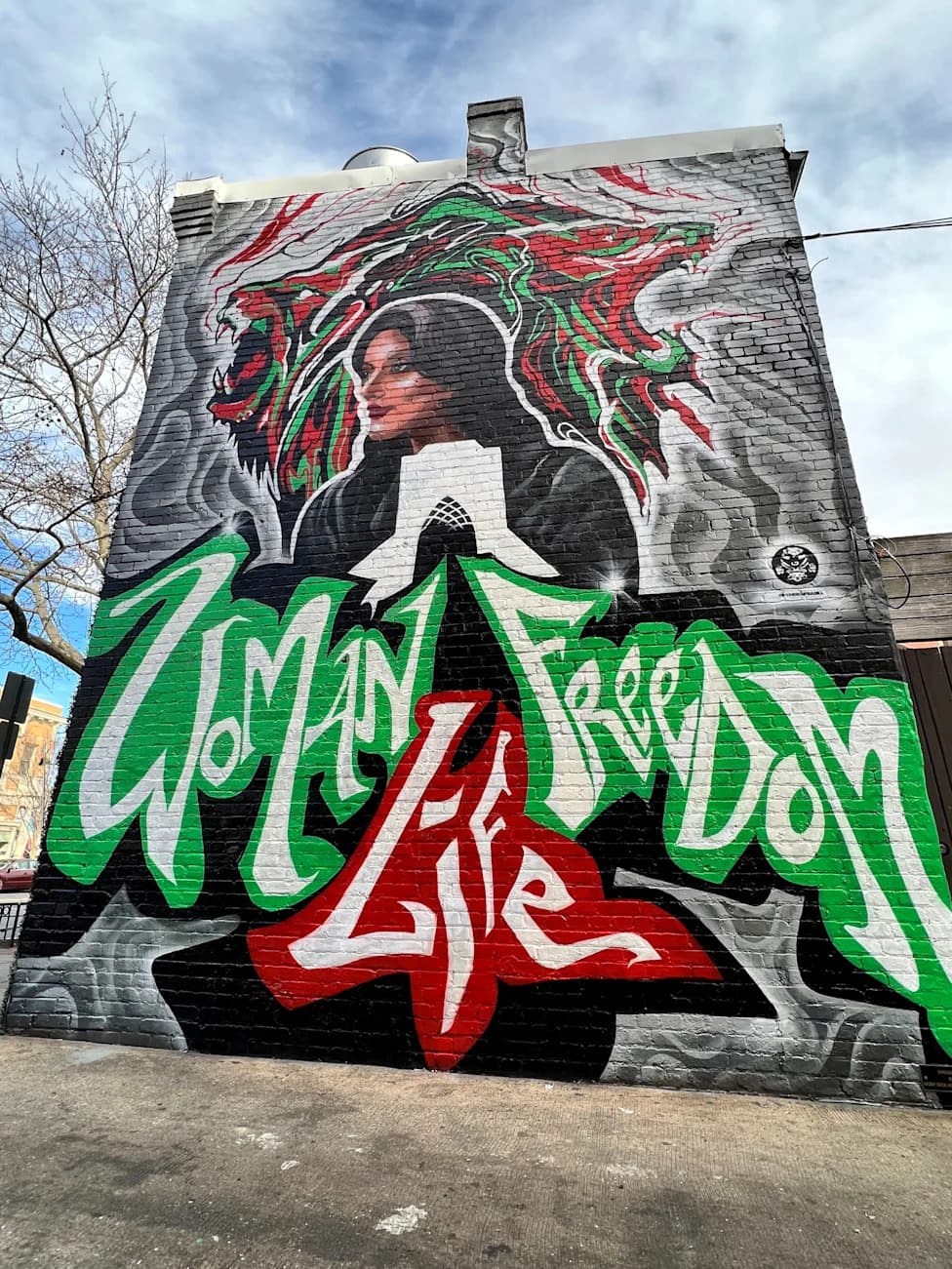
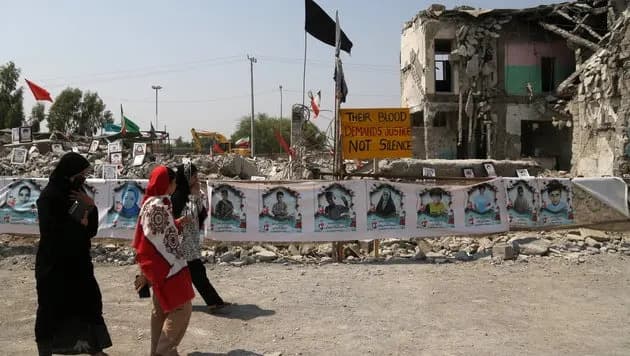
Mohammadi credited a growing wave of quiet resistance to the 2022 protests over the death of Mahsa Amini, saying a new, younger generation largely “knows their rights” and is determined to assert them. She recalled terrifying childhood memories from the 1980s Iran–Iraq war and said those experiences contributed to her “hatred for war.” She also expressed alarm at reports that Evin Prison had been bombed during the 12‑day confrontation between Israel and Iran in 2025, saying the country was facing an intersection of injustice, discrimination, war and authoritarianism.
AP said it avoided pressing Mohammadi on specific questions about Iran’s political leadership for safety reasons; she spoke in general terms about the costs of war and repression. Mohammadi remains a prominent voice for human rights inside and outside Iran.
Help us improve.