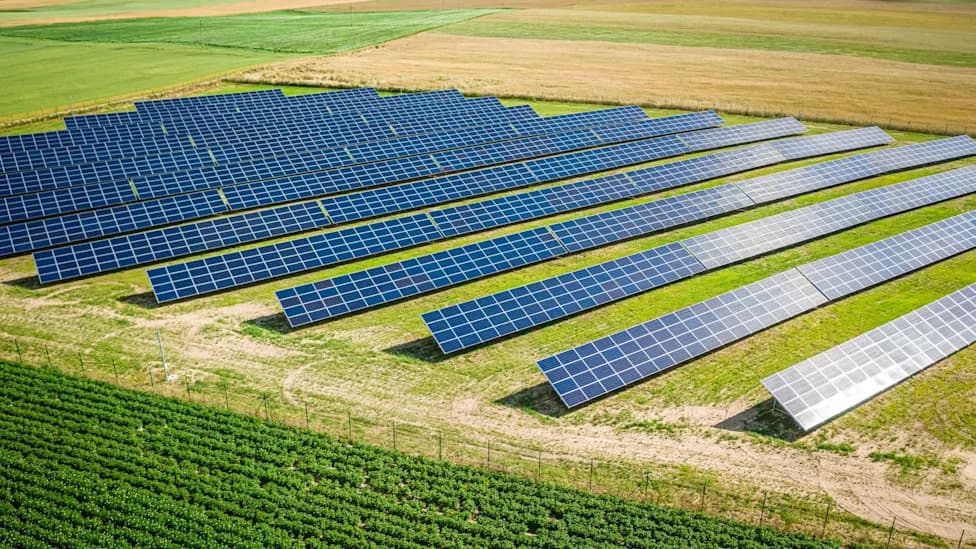
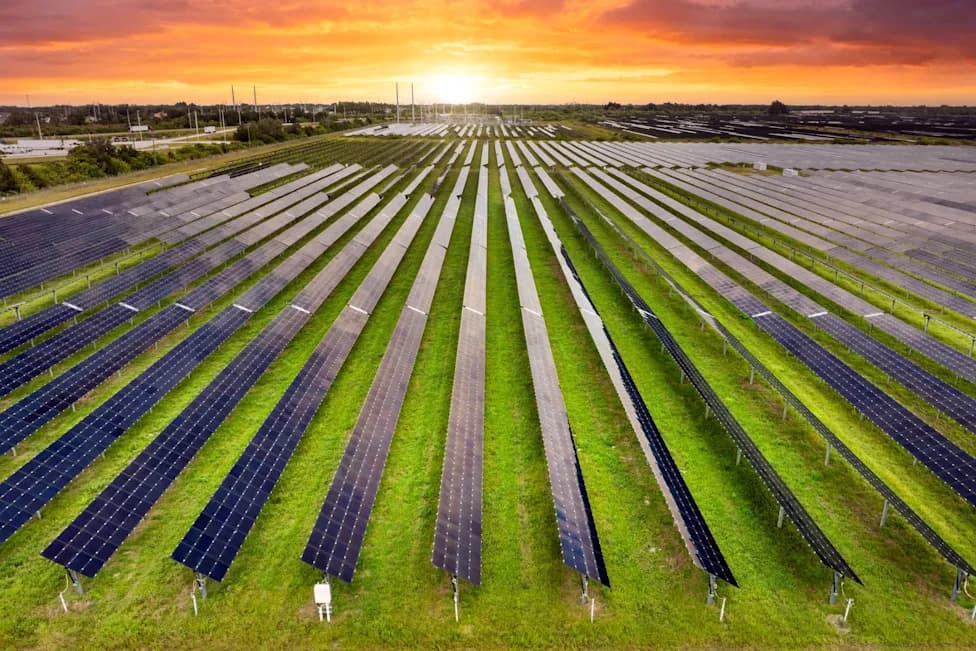
France's Soren has launched a tender to find a domestic recycler for thin‑film solar panels as the country prepares for rapidly rising end‑of‑life volumes. The call targets CdTe and CIGS modules (with amorphous silicon a plus) and lists an early priority of a 1,300‑tonne CdTe batch from Calyxo. Forecasts from the Becquerel Institute predict as much as 15,000 tonnes of CdTe waste in France by 2037, underscoring the need for cradle‑to‑grave recycling systems.
France Scrambles to Secure Domestic Recycler for Thin‑Film Solar Panels Ahead of 16,535‑Ton Waste Surge
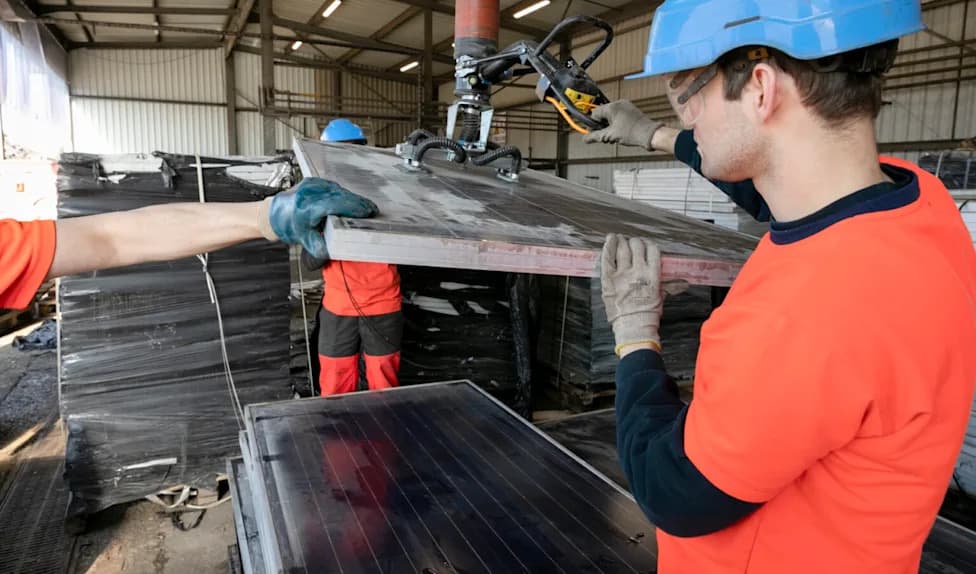
Photo Credit: Soren
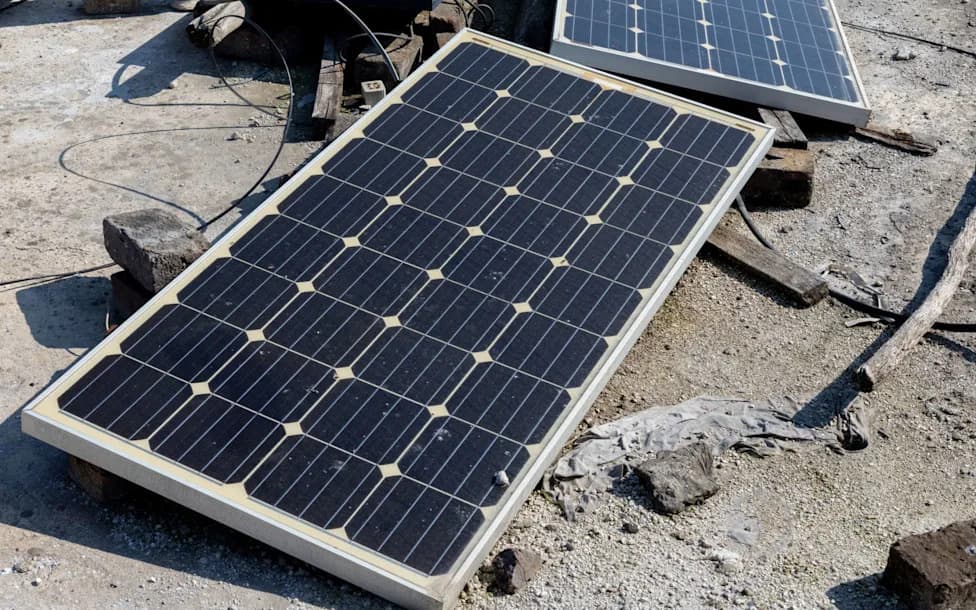
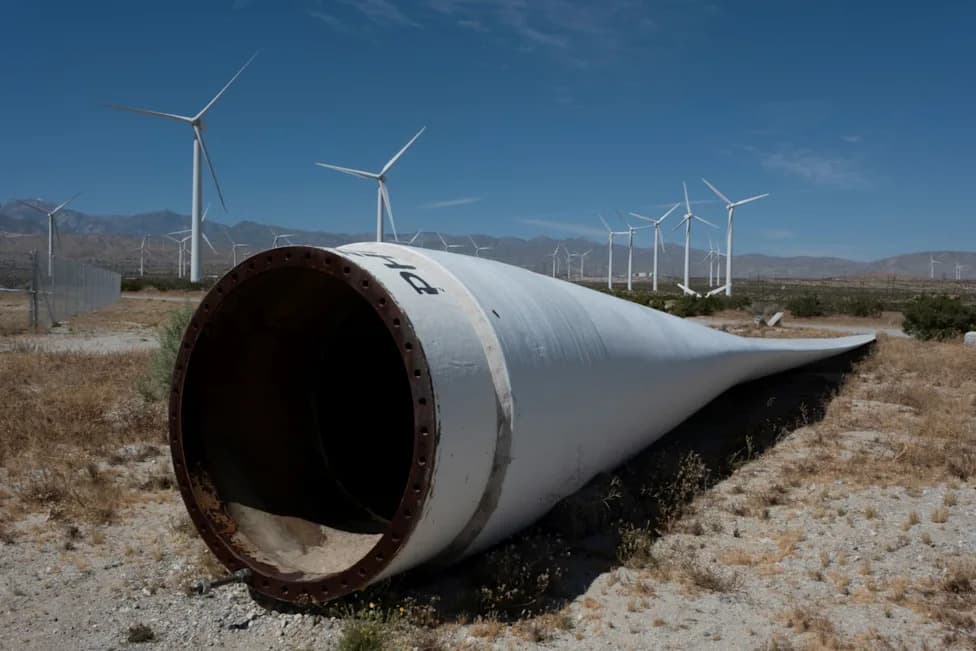
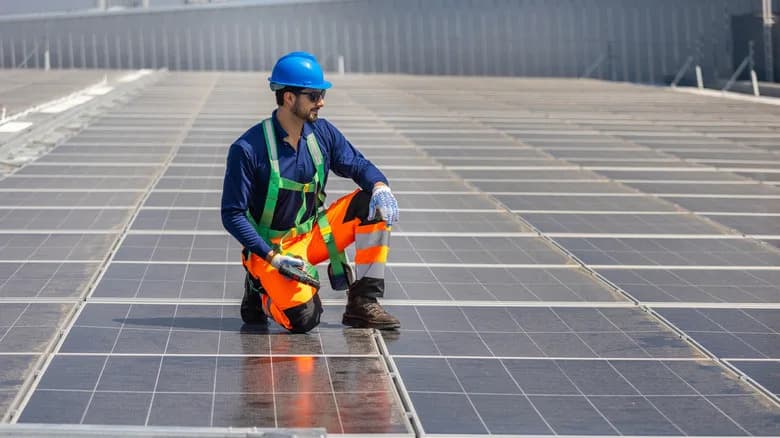
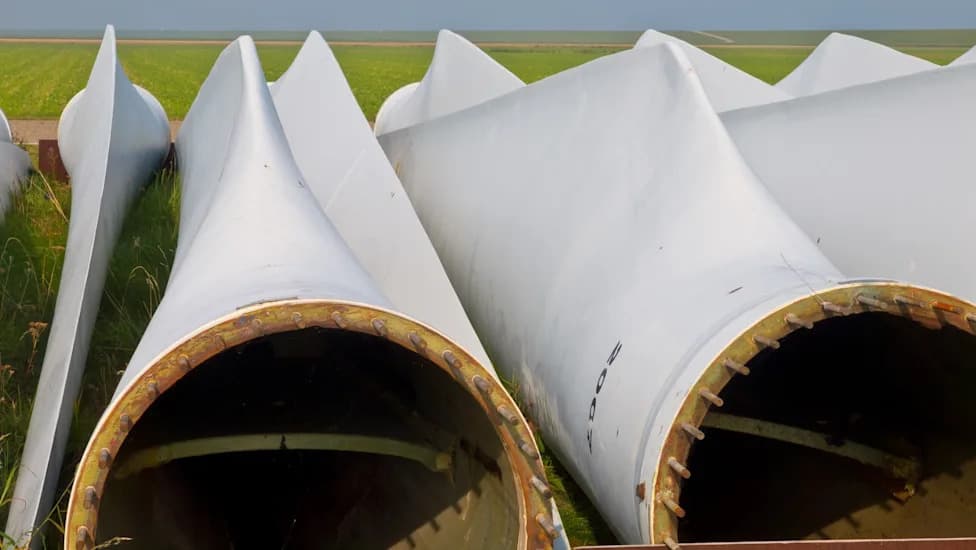
France is racing to establish a domestic recycling pathway for thin‑film solar panels as it prepares for a growing backlog of hard‑to‑process end‑of‑life modules. Soren, the organization responsible for collecting and processing end‑of‑life photovoltaic modules in France, has launched a tender seeking companies that can develop a national recycling route for thin‑film technologies, pv magazine reported.
Why Thin‑Film Needs a Different Approach
Thin‑film solar technologies — notably cadmium telluride (CdTe) and copper indium gallium selenide (CIGS) — require processing methods distinct from those used for the dominant crystalline‑silicon panels. The tender specifically targets processors capable of treating CdTe and CIGS modules; the ability to handle amorphous silicon modules would be an advantage. Any chosen solution must be able to process modules from multiple manufacturers within the same technology family. Applications are due by late October.
Immediate Priority and Forecasted Volumes
Soren expects an early priority to be a 1,300‑tonne batch of CdTe modules from German manufacturer Calyxo. To estimate future needs, Soren commissioned the Becquerel Institute to model thin‑film panel treatment volumes in France and across Europe using published research and interviews with industry participants.
- CdTe: Forecasts of 770 tonnes in 2027; 2,660 tonnes in 2030; and 15,000 tonnes (about 16,535 tons) in 2037.
- CIGS: Forecasts of 430 tonnes in 2027; 1,090 tonnes in 2030; and 2,900 tonnes in 2037.
Challenges, Risks and Opportunities
The technical and logistical challenge is significant. Thin‑film panels can contain hazardous substances (for example, cadmium in CdTe) and also valuable recoverable materials. Safe handling, specialized processing technologies and robust supply chains will be required to avoid landfill disposal, recover materials for reuse, and limit environmental and public‑health risks.
"Establishing cradle‑to‑grave lifecycles for renewable‑energy equipment is essential to ensure that the environmental benefits of clean energy are not undermined by end‑of‑life waste," industry observers said.
What Stakeholders Should Do
Government, manufacturers, waste managers and recyclers must coordinate to scale domestic processing capacity and to design routes that are both safe and economically viable. Consumers can help by ensuring proper disposal of e‑waste and household hazardous materials to reduce contamination and improve recovery rates.
Applications for Soren's tender are due by late October. If successful, France's approach could serve as a model for other markets facing rising thin‑film solar waste.
Help us improve.