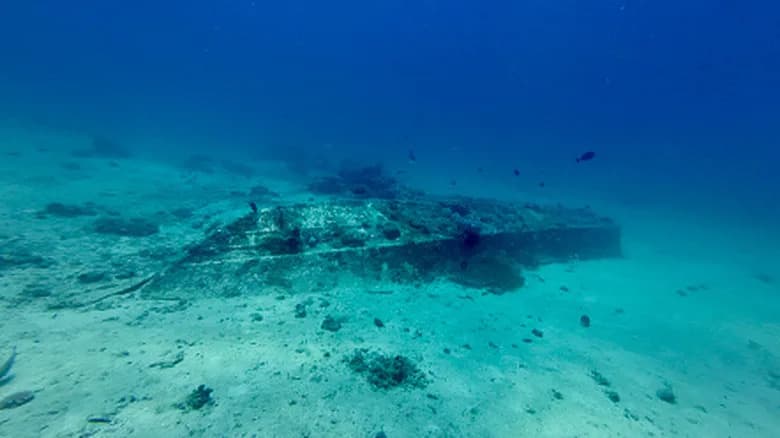
The Bom Jesus — a Portuguese carrack that sank on March 7, 1533 — was rediscovered in 2008 near Oranjemund, Namibia, when a Namdeb geologist found a copper ingot stamped with Anton Fugger’s trident. Excavations recovered roughly 22 tons of ingots and a lavish cargo including ivory, gold and astrolabes, making it the oldest and richest wreck found along this stretch of the sub-Saharan coast. The rescue effort faced major hurdles: the site lies inside the restricted Sperrgebiet, initial recovery lacked on-site maritime specialists, and many artifacts are deteriorating due to inadequate conservation and storage. The study urges better coordination, immediate conservation expertise and secure funding to protect similar discoveries in the future.
A Geologist's 'Rock' Revealed the Bom Jesus: Inside One of History's Richest Shipwrecks
On March 7, 1533, the Portuguese three-masted carrack (a nau) Bom Jesus — meaning “Good Jesus” — departed Lisbon on a 15-month voyage bound for the spice routes of the East. About 300 people were aboard, including sailors, soldiers, enslaved people, merchants, priests and the captain, Dom Francisco de Noronha. The ship never returned, and for nearly five centuries its fate remained a mystery.
Discovery on the Namibian Coast
In 2008 a company geologist working for Namdeb, the diamond-mining partnership between De Beers and the Namibian government, spotted what looked like a rounded rock in the sand near Oranjemund. The “rock” was actually a copper ingot stamped with a trident — the mark of Anton Fugger, one of Europe’s wealthiest merchants — and that find set in motion the identification of the wreck as the Bom Jesus.
The Wreck and Its Treasures
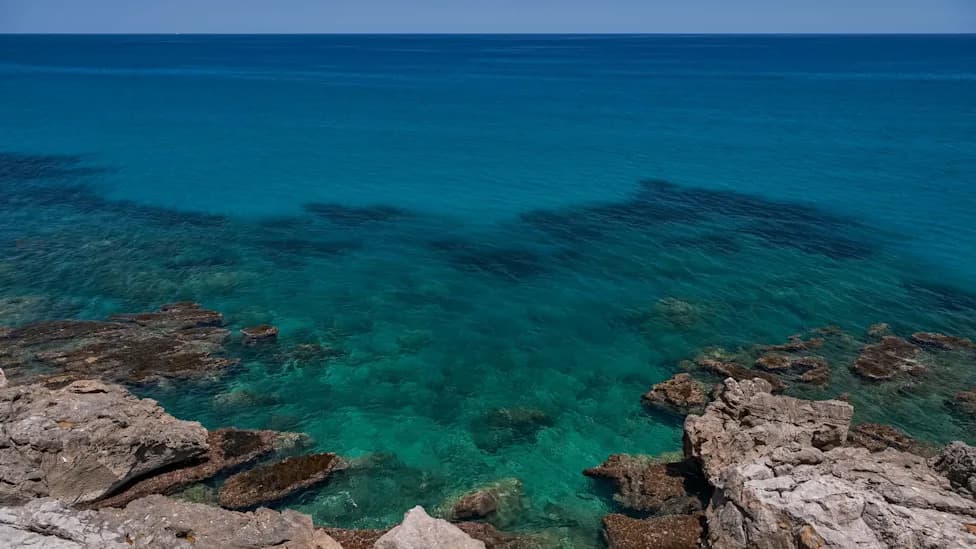
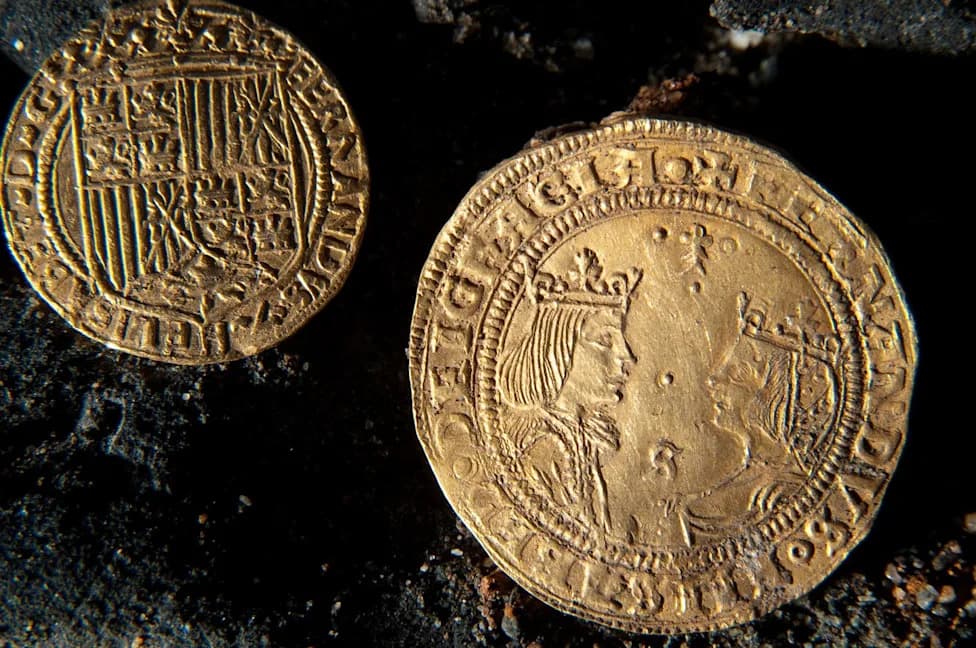
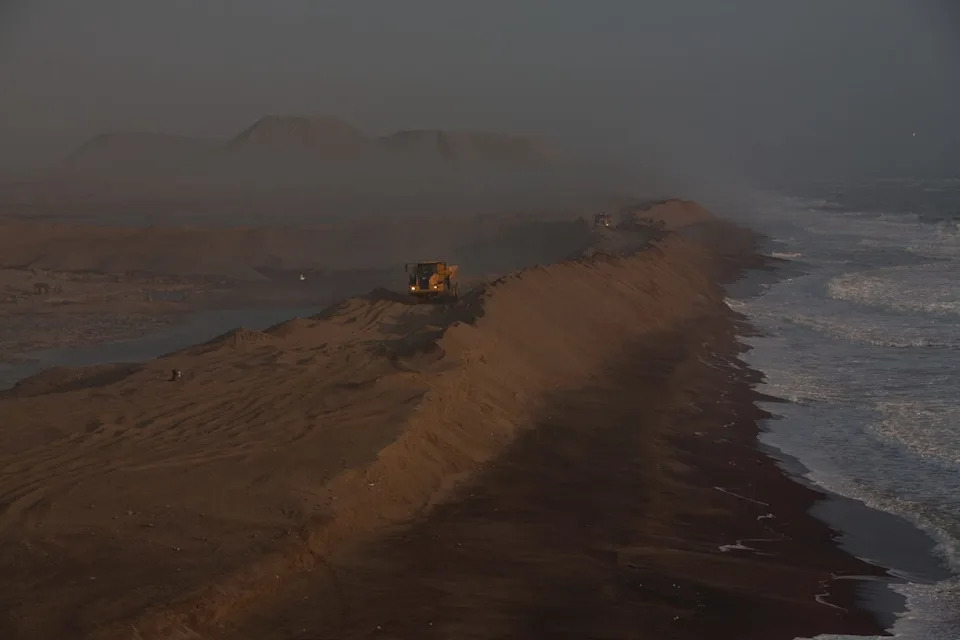
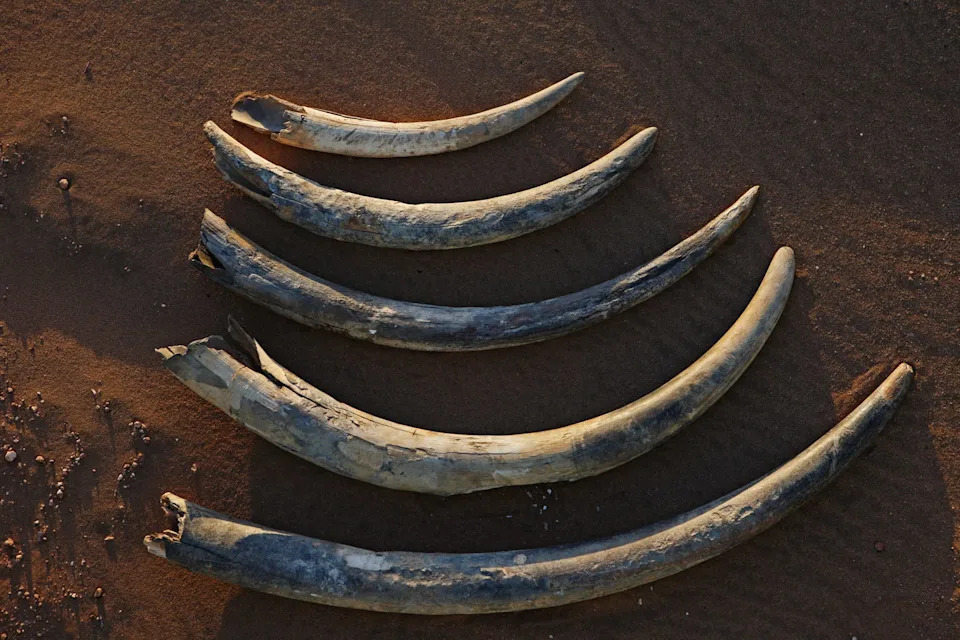
Archaeologists and historians reconstructed a likely scenario: during a storm the Bom Jesus drifted toward shore, struck submerged rocks and broke apart about 16 miles north of the Orange River mouth. Careful excavation recovered roughly 22 tons of copper ingots along with lavish cargo — ivory, gold, astrolabes and other high-value goods — many preserved for centuries within lime and sandy concretions. Apart from a few toe bones still inside a shoe, no human remains were found, suggesting many aboard probably reached land.
Complications of Working in the Sperrgebiet
The wreck lies inside the Sperrgebiet, German for the “Forbidden Zone,” a highly restricted area surrounding the Oranjemund diamond fields. While the Sperrgebiet reduced the immediate risk of looting, overlapping jurisdictions and unclear permissions created confusion and delayed the establishment of a proper maritime-archaeology program. Initial recovery efforts were led by diamond-mine personnel without a maritime archaeologist on site; a specialist provided advice only by telephone.
Conservation Challenges and Ongoing Decay
Bringing artifacts from anoxic underwater environments into oxygen-rich air triggers rapid electrochemical reactions that can irreversibly damage metal and organic materials. Although teams conducted desalination and stabilization efforts, long-term storage conditions remained inadequate. Photographs show that the Fugger trident stamps on many ingots were clear in 2008 but had faded considerably by 2018.
“Maritime artifacts present distinct conservation challenges based on their material composition and the duration and conditions of submergence,” the study in the International Journal of Historical Archaeology observes. “For metal artifacts, the transition from anaerobic underwater environments to oxygen-rich atmospheric conditions triggers electrochemical reactions that can rapidly destroy archaeological evidence.”
What Went Wrong — And Why It Matters
An anonymous technician described poor storage conditions: an open workshop with dust, little climate control and minimal security. These shortfalls accelerated deterioration even after initial conservation work. Funding instability and the lack of suitable long-term facilities mean many Bom Jesus artifacts remain at risk.
Lessons for Future Rescue Excavations
The Bom Jesus case highlights the special logistical, legal and scientific challenges of maritime rescue excavations, especially when they occur within industrial or restricted zones. The recent study calls for clearer jurisdictional coordination, rapid deployment of maritime conservation experts, secure climate-controlled storage, and sustained funding to preserve fragile finds. These steps are essential to protect invaluable cultural heritage before it is lost to avoidable decay.
Image credit: Aerial view of the shipwreck site and the seawall at the Namdeb diamond mine in Oranjemund, Namibia; photograph by Amy Toensing / Getty Images.
Help us improve.