The Snowdonia Society is launching a judicial review to block plans to divert nearly 70% of Rhaeadr y Cwm's flow into turbines for hydroelectric power. The approved scheme would dam the river above the 122m multi-tiered falls and route water through a mile-long buried plastic pipe and trench up to four metres deep. Opponents warn the project will damage the waterfall's sensory appeal and protected habitats, while supporters argue it delivers much-needed renewable energy and that net-zero goals can be an exceptional circumstance permitting development.
Net-Zero Plan To Divert Water From Iconic Snowdonia Waterfall Sparks Legal Challenge
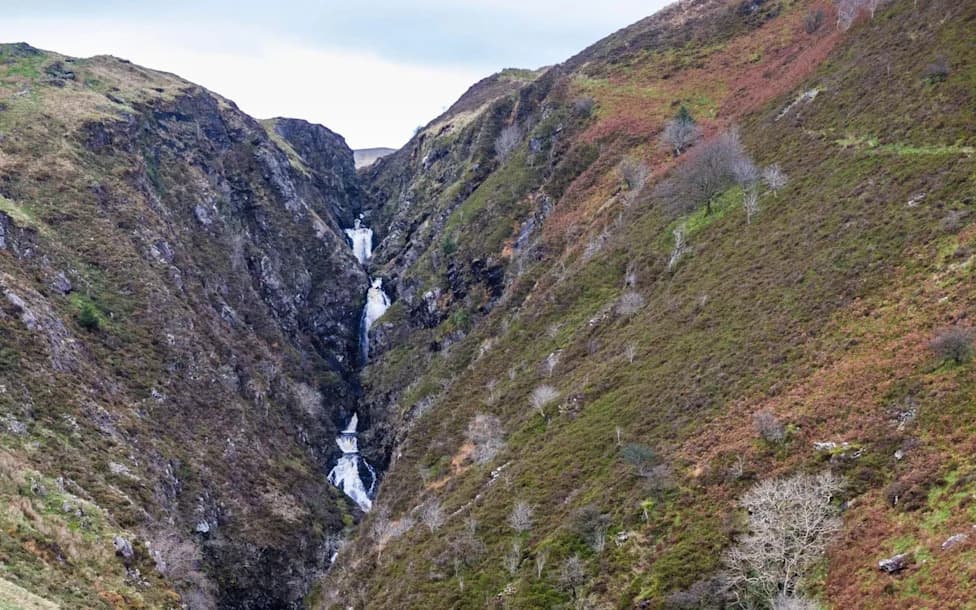
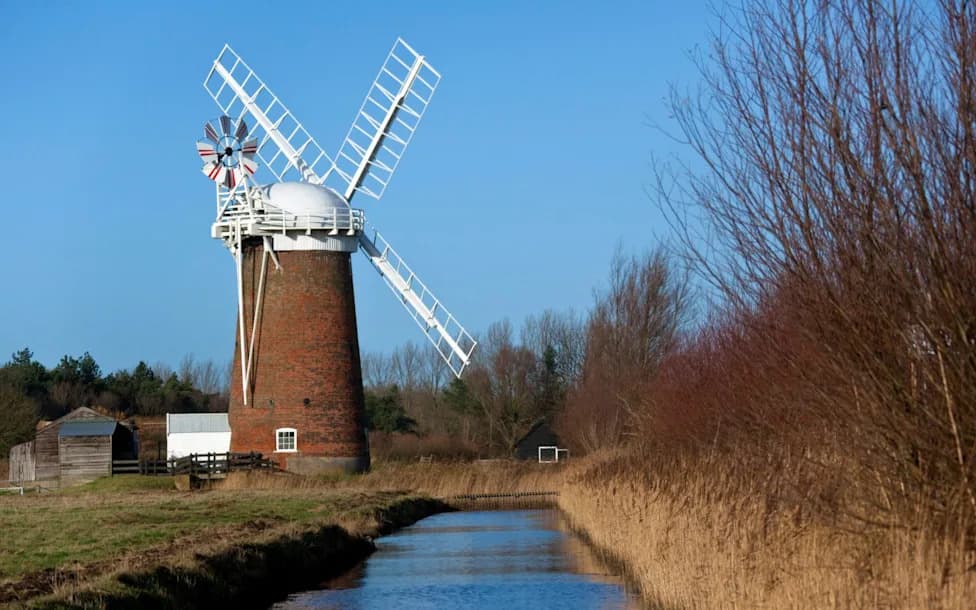
Rhaeadr Y Cwm waterfall in Snowdonia has inspired several poets and artists in their work - Realimage/Alamy
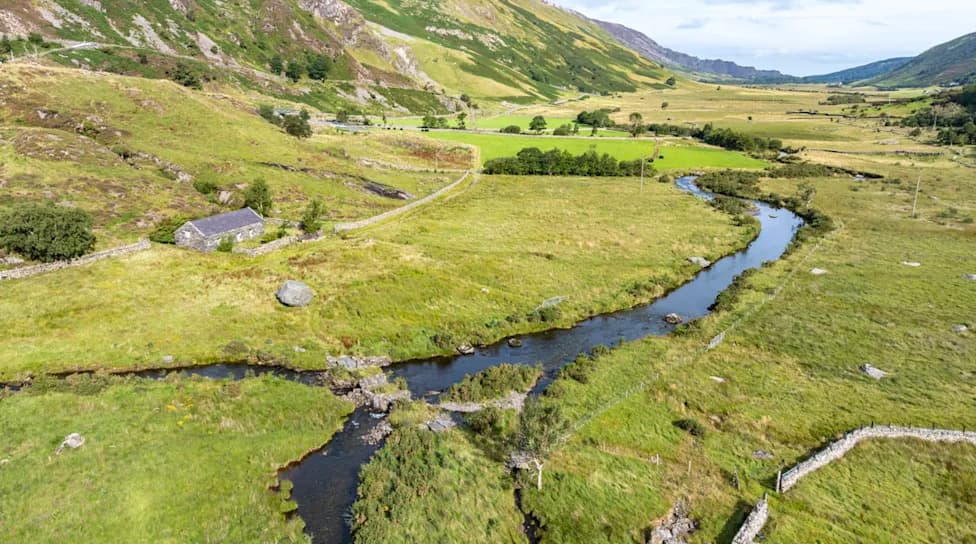
Campaigners are preparing a legal challenge after plans to divert most of the flow from Rhaeadr y Cwm, a celebrated waterfall in Snowdonia National Park, were approved to supply a small hydroelectric scheme.
The Snowdonia Society says it will seek a judicial review to overturn the decision that allows farming brothers Moi Dafydd and Elis Dafydd to dam the river above the falls and channel water into turbines via a buried, mile-long plastic pipe.
What is proposed? Under the approved scheme the river above the 122-metre, multi-tiered Rhaeadr y Cwm would be dammed and water routed through a trench — in places up to four metres deep — into a long buried pipe leading to a turbine house. The applicants say the scheme would generate low-carbon electricity, but campaigners say almost 70% of the flow would be diverted, leaving only a reduced river flow beneath the falls.
Why campaigners oppose it Graeme Cotterill, director of the Snowdonia Society, warned the project would harm a beauty spot long celebrated by poets and artists. The waterfall inspired an 1836 painting by Victorian landscape artist David Cox, now held by the British Museum. Cotterill said the proposal would "damage one of the National Park's most iconic waterfalls" and risk the sensory experience of thunderous roar and mist that define the site.
"Nearly 70% of the water would be diverted away from the waterfall into a plastic pipe, threatening the sensory experience and unique environment associated with this special place," Cotterill said.
Legal and environmental protections Rhaeadr y Cwm sits within Snowdonia National Park and is designated both a Site of Special Scientific Interest (SSSI) and part of a Special Protection Area for rare species. Planning rules for such sites normally allow development only in "wholly exceptional circumstances." The Snowdonia National Park authority has determined that the urgency of climate change and the need to reach net zero can constitute an exceptional circumstance — a position critics fear may open the door to more energy projects in protected landscapes.
Arguments from the applicants An environmental impact assessment submitted by the developers argues the scheme offers a "unique opportunity to provide clean, renewable energy which respects the special qualities of the national park, contributing towards strong ecosystems, and improving the health and well-being of our communities." Supporters, including the British Hydropower Association, say the UK needs new renewable generation and that each proposal should be judged on its merits.
"The UK needs new renewable generation, including new hydropower. Each proposal must be assessed on its individual merits, balancing the need for clean, reliable electricity with the protection of the local environment," said William Gallimore of the British Hydropower Association.
Legal challenge Lily Hartley-Mathews, solicitor for the Snowdonia Society, said the judicial review aims to ensure that decisions approving major developments in a national park are taken lawfully and comply with national and local planning policies protecting sites of high significance.
The case will test how planning authorities balance the drive for low-carbon energy with legal protections for celebrated and ecologically sensitive landscapes.
Help us improve.