European leaders and industry gathered in Paris for a two-day International Space Summit to press for greater autonomy in space capabilities. President Emmanuel Macron and ESA chief Josef Aschbacher emphasized reducing reliance on U.S. services such as Starlink and building secure, European systems like the Iris2 constellation, expected by about 2030. The summit also addressed launch capacity challenges, recent limits on commercial satellite imagery, and a breakthrough commercial orbital launch by German startup Isar.
Europe’s Push for Space Sovereignty: Paris Summit Seeks Independence From U.S. Launches and Services
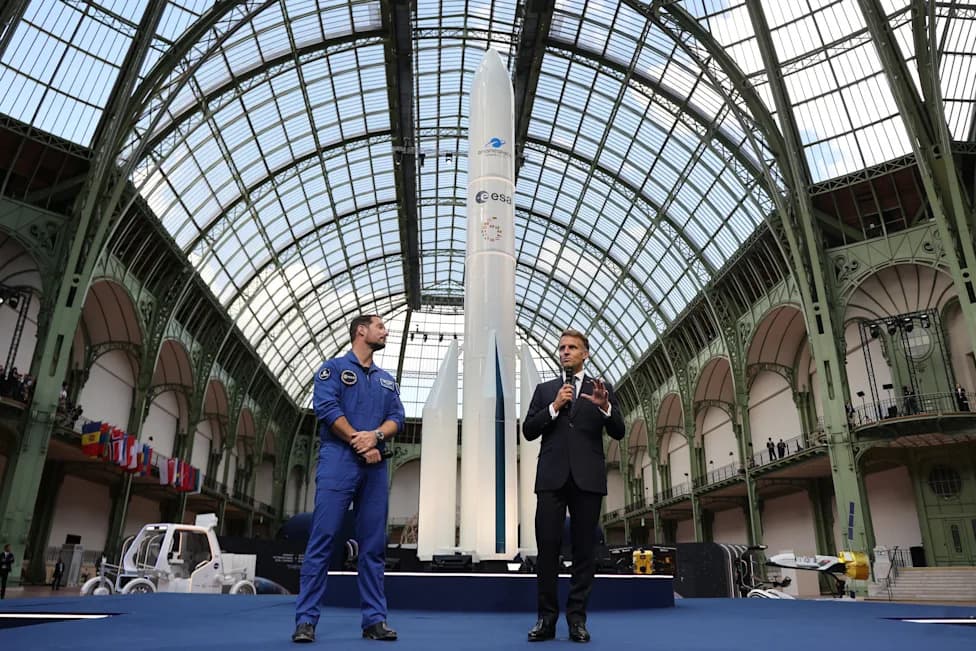
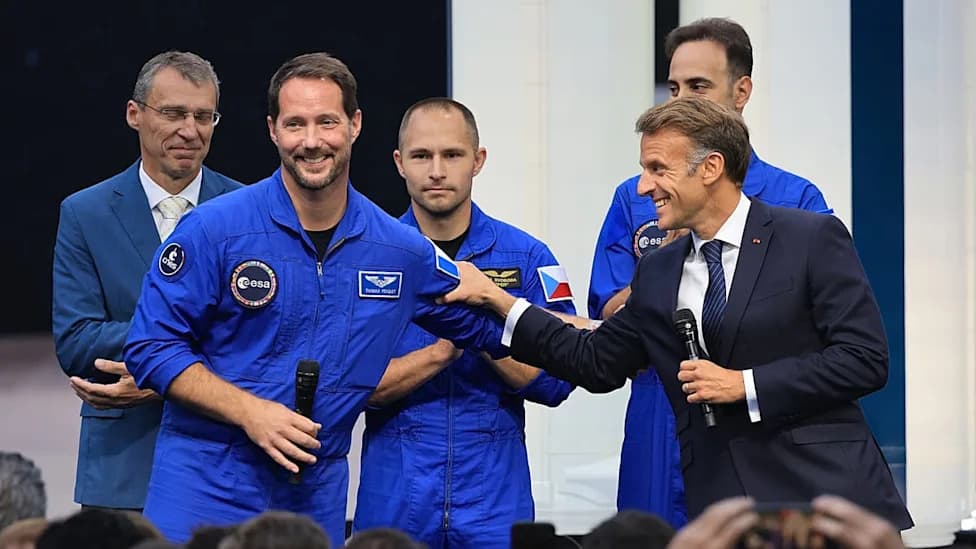
French President Emmanuel Macron, right, speaks as French European Space Agency astronaut Thomas Pesquet listens during the International Space Summit at the Grand Palais in Paris, Wednesday, Sept. 9, 2026. (Ludovic Marin/Pool Photo via AP)(Ludovic Marin/Pool AFP via AP)
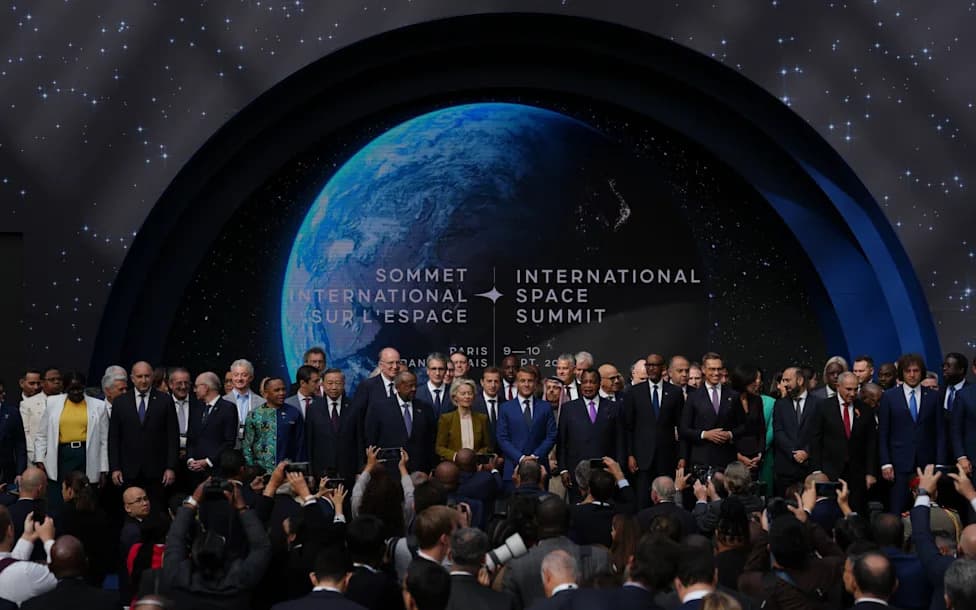
Top officials, astronauts, researchers and industry executives from roughly 120 countries met in Paris for a two-day International Space Summit to discuss how Europe can become more competitive and more autonomous in a space sector long dominated by the United States.
Why Europe Is Pushing For Sovereignty
French President Emmanuel Macron told attendees via a message posted on X that "Europe is taking its destiny into its own hands, including in space," calling for renewed investment and innovation "to build a powerful Europe, independent even in space." The summit underscores a wider push to reduce European reliance on U.S. providers for launches, satellite communications and reconnaissance.
Iris2, Satellite Imaging And The Trigger Events
European governments accelerated plans to bolster sovereign capabilities after Russia’s 2022 invasion of Ukraine highlighted vulnerabilities tied to commercial services like Elon Musk’s Starlink, which proved essential to Kyiv but raised concerns about private control of critical communications. Reports also said Musk declined a request to allow Starlink to support an attack on a Russian naval base in 2022.
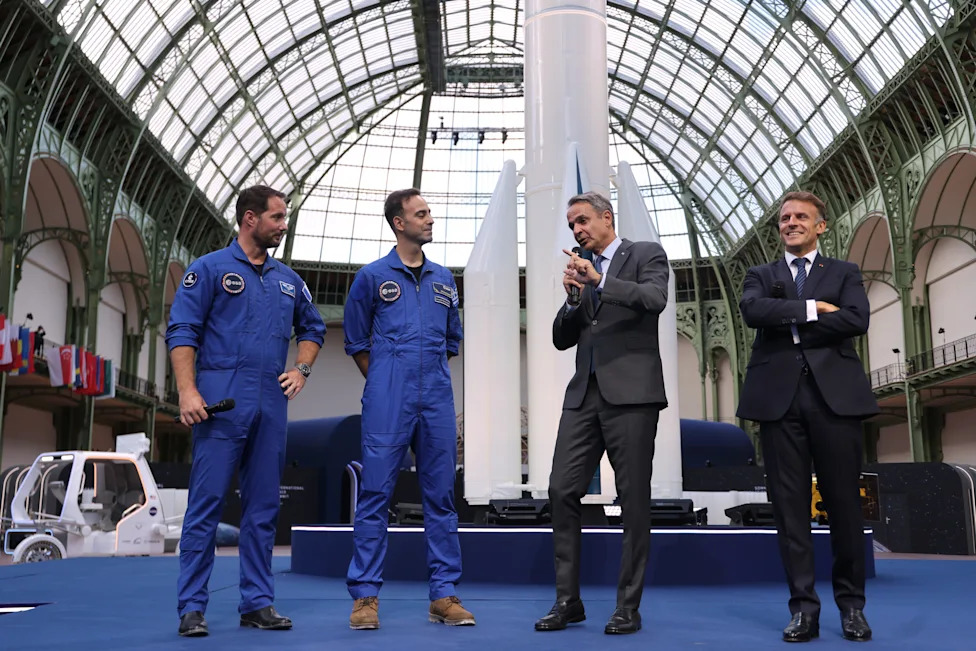
From left, French European Space Agency astronaut Thomas Pesquet, Greek aviation medical examiner and European Space Agency astronaut candidate Adrianos Golemis, Greece's Prime Minister Kyriakos Mitsotakis and Frence President Emmanuel Macron speak during the International Space Summit at the Grand Palais in Paris, Sept. 9, 2026. (Ludovic Marin/Pool Photo via AP)(Ludovic Marin/Pool AFP via AP)
More recently, U.S. satellite-imaging firms, including Planet Labs, limited distribution of imagery from parts of the Middle East during this year’s conflict, prompting governments to seek independent imaging capacity. The European Union is developing a "sovereign" satellite constellation called Iris2 to provide secure communications and connectivity for its 27 members; Iris2 is expected to be operational around 2030.
Launch Capacity: Ariane, Startups And The Race For Cadence
Europe’s Ariane programme supports navigation (Galileo), Earth observation (Copernicus), science and military missions and handles commercial launches. This year the Ariane 64 placed 100 low-Earth-orbit Amazon satellites into orbit across three launches under an 18-launch contract. But Ariane remains largely expendable and dependent on a complex, multi-country industrial chain, with fewer annual flights than reusable competitors such as SpaceX's Falcon 9.
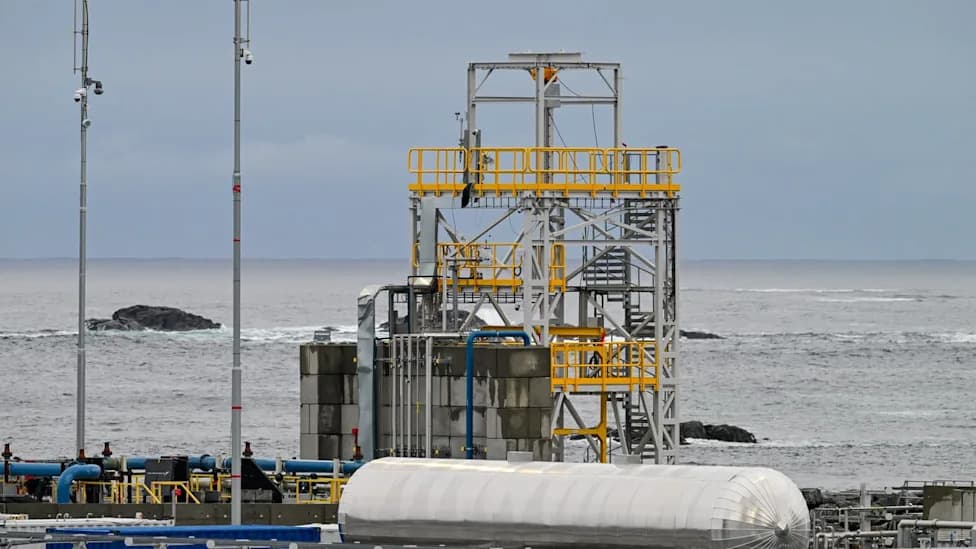
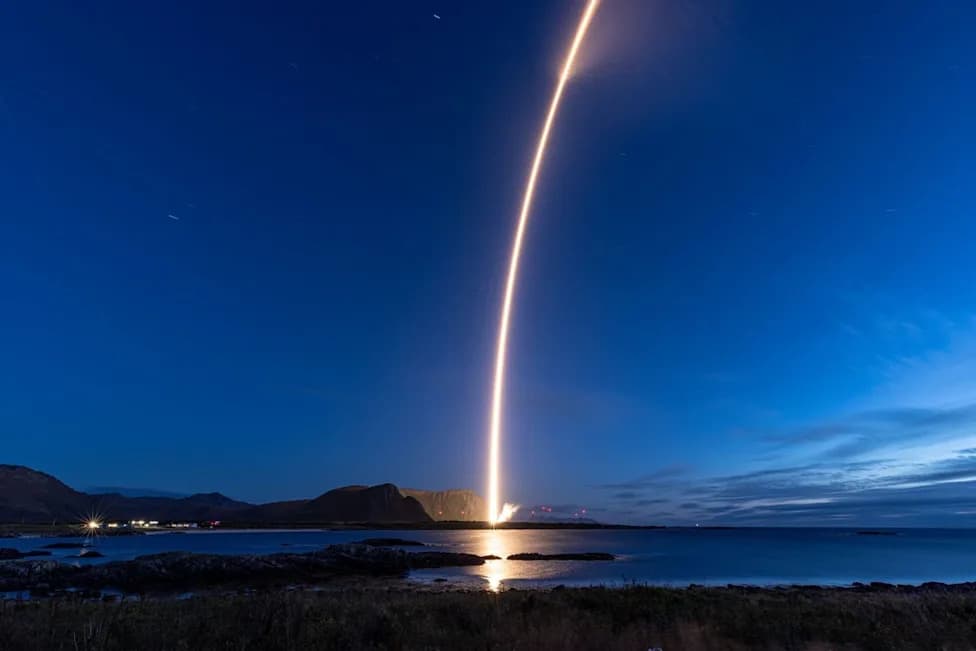
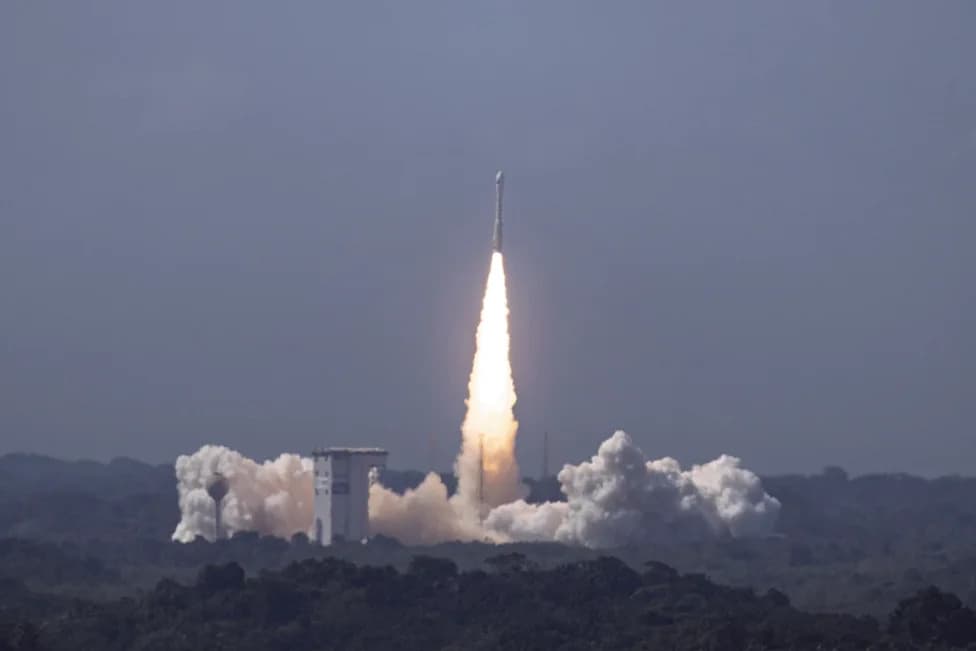
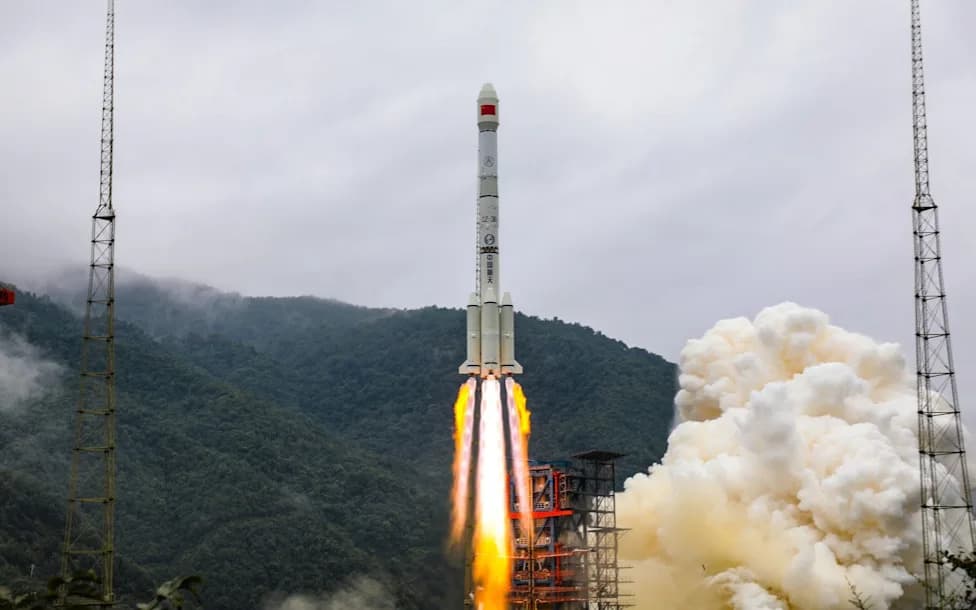
European leaders worry that without higher-cadence, lower-cost launch options, the continent will remain dependent on U.S. providers. Concerns grew after SpaceX signaled it will eventually replace Falcon vehicles with the larger Starship, a shift some fear could create a temporary "launch crunch." In response, European startups have accelerated development: German firm Isar scored a milestone by completing a commercial orbital launch from Norway, the first such success for a European commercial launcher.
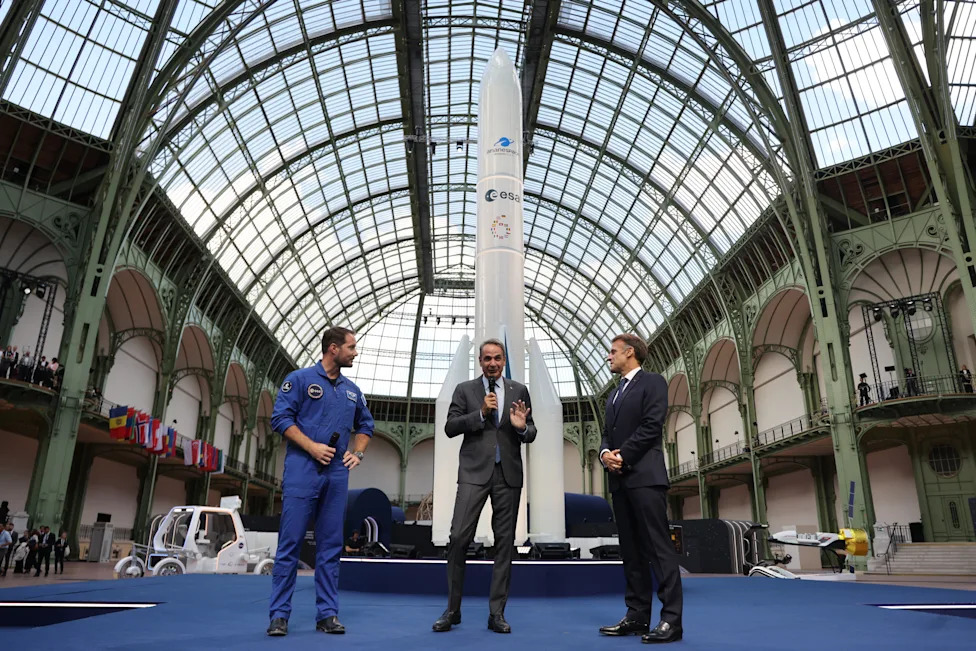
Greece's Prime Minister Kyriakos Mitsotakis speaks flanked by French European Space Agency astronaut Thomas Pesquet, left, and French President Emmanuel Macron during the International Space Summit at the Grand Palais in Paris, Sept. 9, 2026. (Ludovic Marin/Pool Photo via AP)(Ludovic Marin/Pool AFP via AP)
Commercial Competition And Diplomatic Frictions
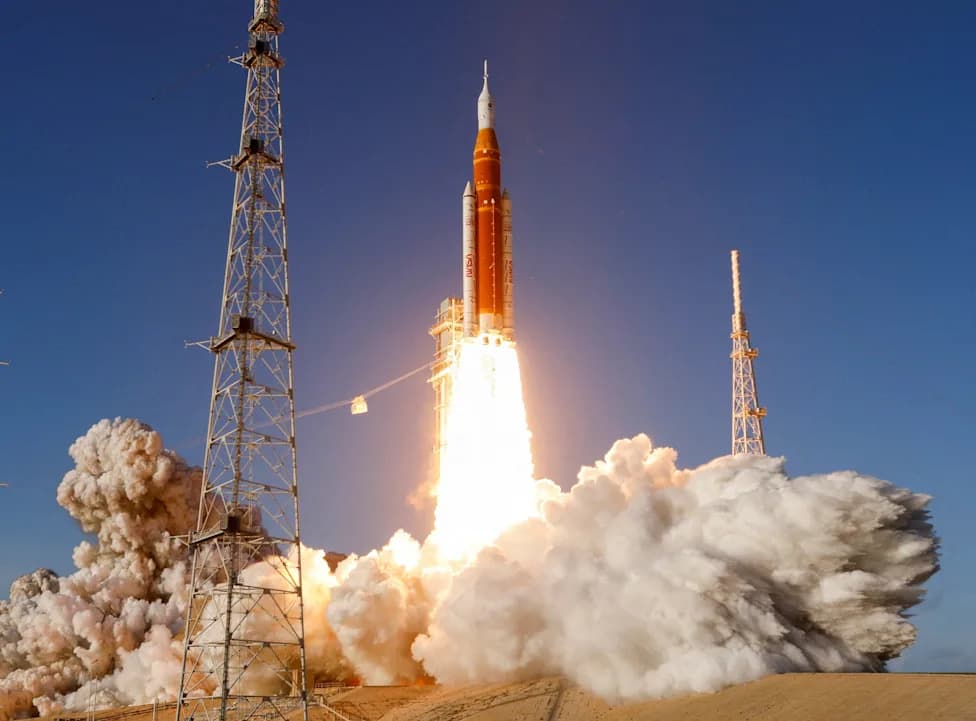
U.S. dominance remains strong: NASA leads major exploration missions and the Artemis lunar effort, SpaceX has dramatically lowered launch costs with reusable rockets, and Amazon has begun deploying an internet-satellite constellation with plans for thousands more spacecraft. French officials said SpaceX and Blue Origin canceled planned attendance at the Paris summit; Politico reported the White House urged U.S. space companies to avoid participating so as not to appear to endorse certain EU policies.
Looking Ahead
European Space Agency Director General Josef Aschbacher said Europe should also consider expanding its human spaceflight capabilities, asking whether Europe should develop its own crewed vehicles and access to low Earth orbit. At stake, he said, is critical infrastructure: satellites are used daily for communications, navigation and security, making space resilience a growing priority for European governments and citizens alike.
Bottom line: The Paris summit highlighted urgency, opportunity and friction — Europe is investing to reduce strategic dependency on non‑European space services while industry competition and geopolitical concerns reshape the global space landscape.
___
Chan reported from London.
Help us improve.