Thomas Pesquet, set to command ESA's private PAM‑6 mission in summer 2027, urged Europe to "maximise the scientific return" from the ISS before its planned retirement and deorbit in 2030. He warned rotating crew allocations mean Europe may not secure another long‑duration slot soon. ESA has boosted its budget for 2026–2028 and flagged €35 billion for space security, while commercial milestones such as Isar Aerospace's Spectrum launch underscore growing European capability. Pesquet also highlighted the strategic importance of space services revealed by the Ukraine conflict and called for greater European sovereignty in crewed spaceflight.
Pesquet Urges Europe To Maximise ISS Science Before 2030 As He Prepares To Command PAM‑6
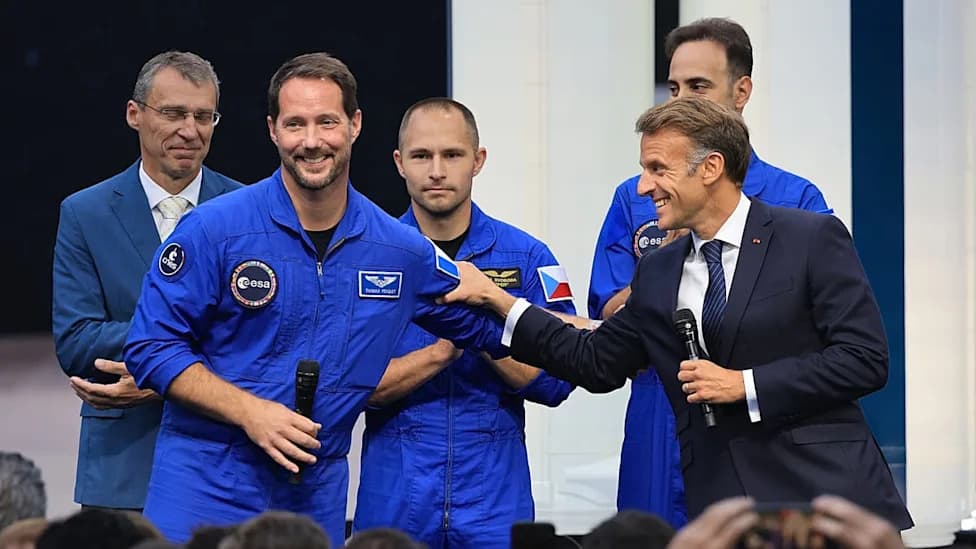
French ESA astronaut Thomas Pesquet: Europe must 'maximise scientific return' from ISS before closure
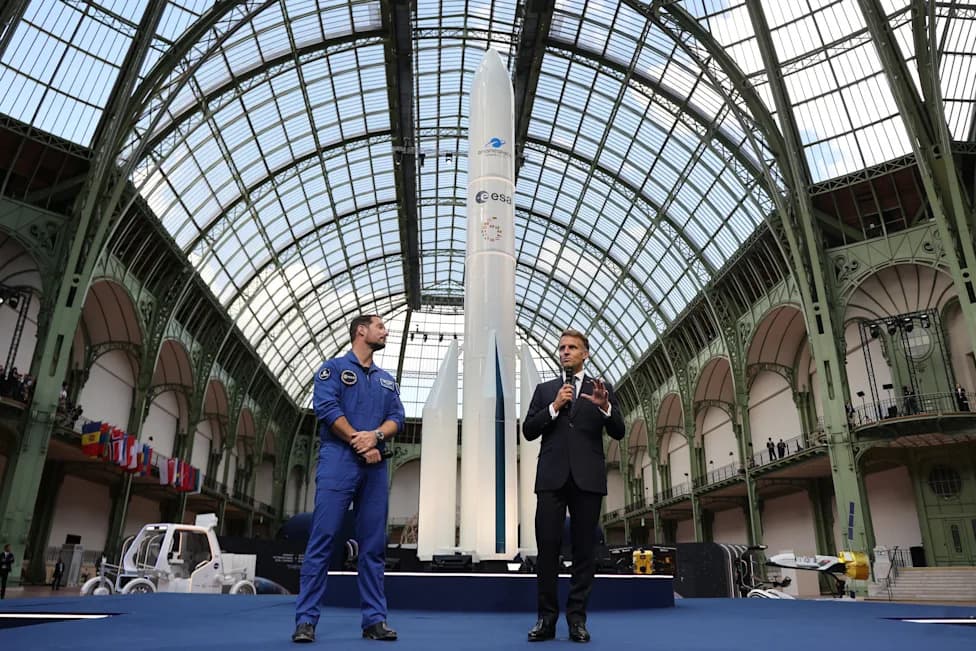
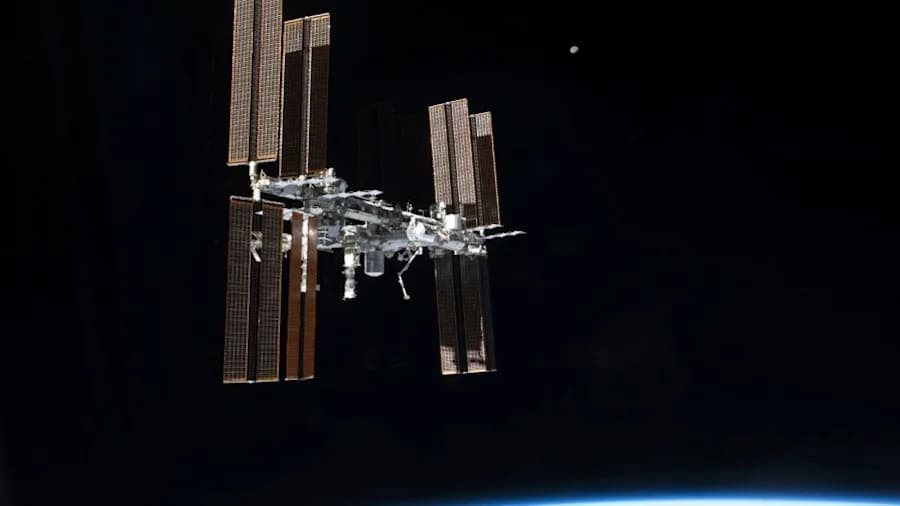
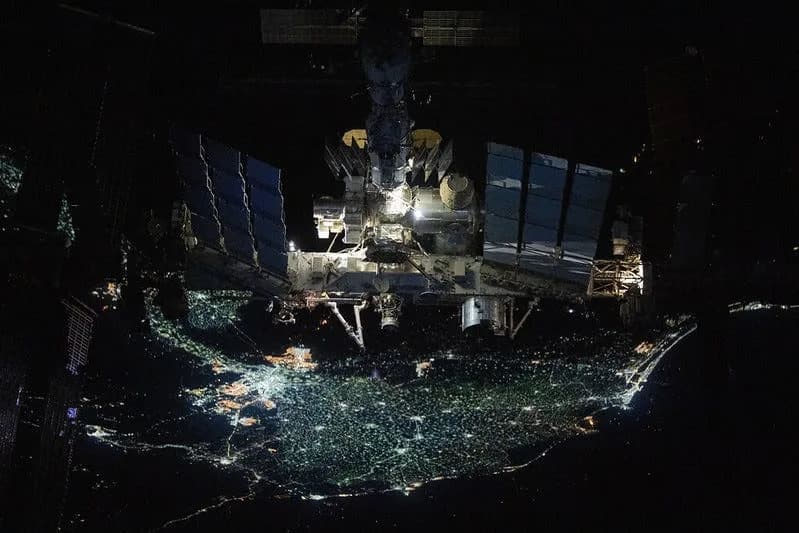
French astronaut Thomas Pesquet has called on Europe and France to "maximise the scientific return" from the International Space Station (ISS) ahead of its planned retirement and deorbit in 2030. Pesquet will command ESA's privately funded PAM‑6 mission to the ISS in summer 2027 and spoke to Euronews at the International Space Summit in Paris about the urgency of extracting lasting scientific value from the platform.
Why It Matters
The ISS — whose first modules were launched by Russia and the United States in late 1998 — has hosted continuous international cooperation in space for more than two decades. Europe, Japan and Canada later contributed modules and robotics that expanded the station's capabilities. Yet the outpost is ageing: hardware and maintenance challenges, combined with a broader shift toward commercial space activity, have prompted plans to retire and deorbit the station by 2030.
Pesquet’s Message
"We know the ISS is coming to an end soon and we don't know when Europe and specifically France's next turn will come again, given that long‑term missions to the ISS are assigned on a rotating basis," Pesquet told Euronews. "We must maximise the scientific return while we still have access."
European Sovereignty And Cooperation
Pesquet and ESA officials used the summit — co‑hosted by France and Germany — to stress the need for greater European autonomy in crewed spaceflight. Currently, ESA does not operate its own crewed spacecraft or crewed launcher and depends on international partners to place Europeans in orbit. Pesquet argued that shifting geopolitical ties make reliable long‑term partnerships less certain, reinforcing the case for Europe to develop independent capabilities.
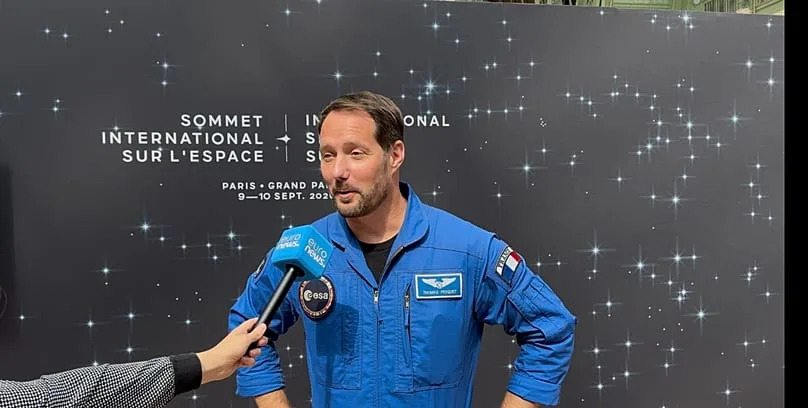
French ESA astronaut Thomas Pesquet speaks to Euronews, 9 September - Euronews
Security, Budgets And Industry Milestones
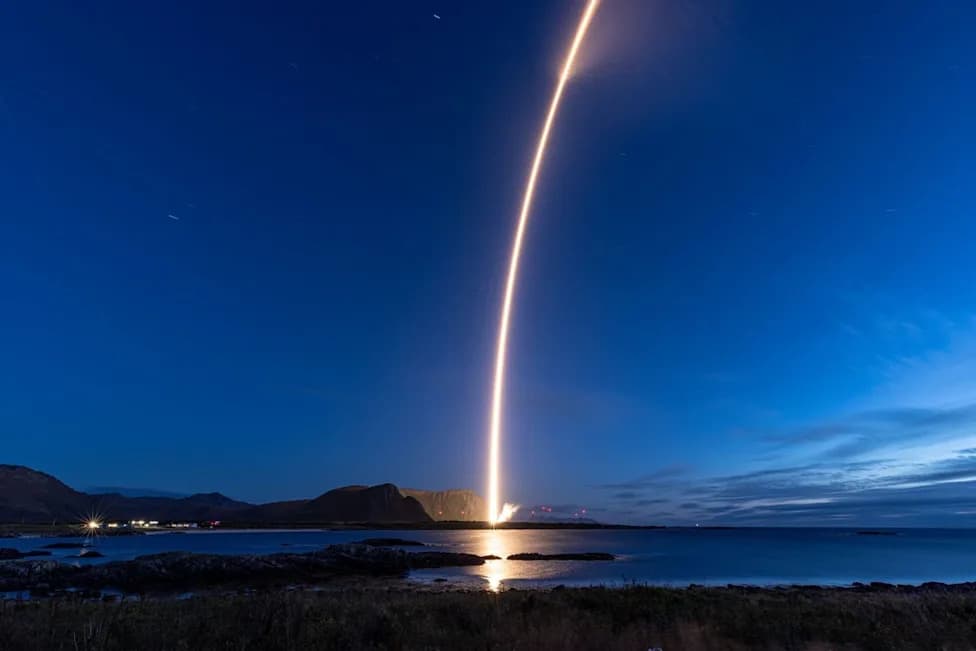
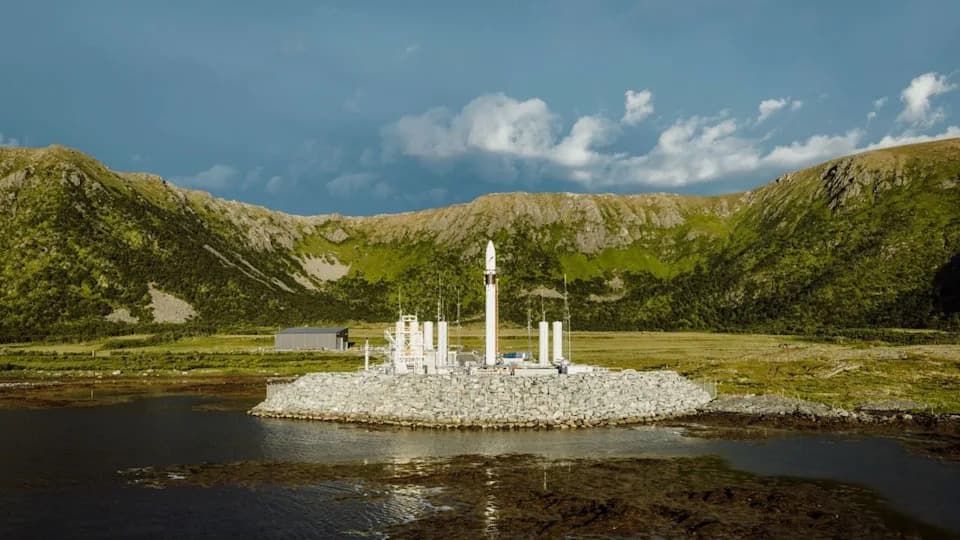
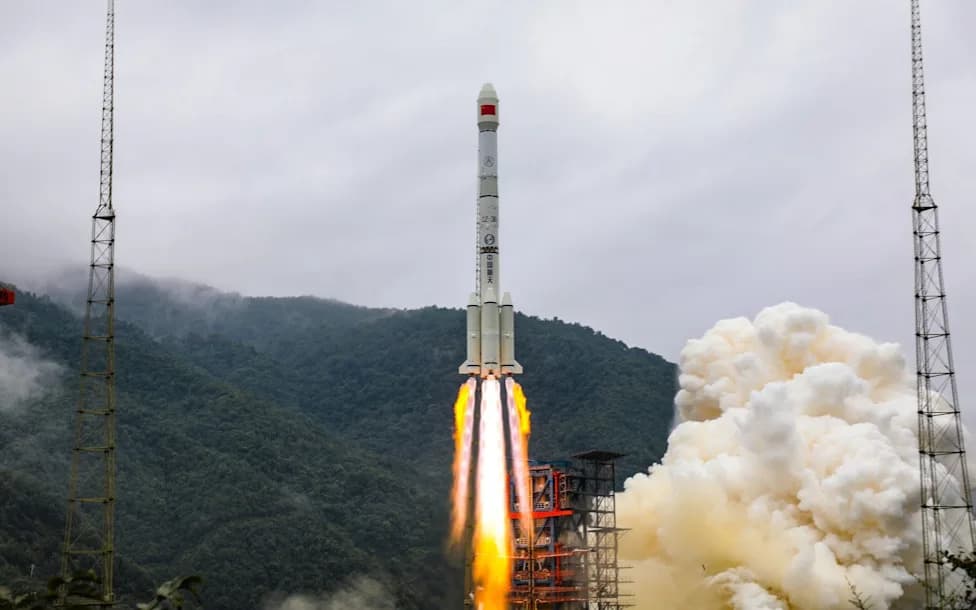
In November 2025 ESA approved a record €22.3 billion budget for 2026–2028, and earmarked around €35 billion for space security and defence — a significant boost aimed at narrowing the gap with major space powers. Géraldine Naja, ESA's director of space transportation, highlighted the successful Spectrum rocket launch by German startup Isar Aerospace as a key milestone: Spectrum became the first commercial rocket to reach orbit from mainland Europe, helped by ESA programmes that incubate and support new companies.
Strategic Lessons From Ukraine
The war in Ukraine and Kyiv's reliance on Elon Musk's Starlink illustrated how critical space services like communications and navigation are to modern conflicts. Officials warned that satellites and space capabilities are now central to national defence, and that "space itself can become a theatre for war" if capabilities are not protected and diversified.
Looking Ahead
Pesquet also reflected on life in mixed international crews, noting that aboard the ISS politics are often set aside in favour of shared objectives and safety. He suggested a future in which multiple smaller platforms — including potential European, American, Indian and Chinese stations — could coexist and expand opportunities for research and operations in low Earth orbit.
Bottom line: With the ISS due to retire by 2030, Pesquet’s upcoming PAM‑6 mission underscores an urgent window for Europe to prioritise scientific output, accelerate sovereign capabilities, and capitalise on recent industry gains.
Help us improve.