Three former U.S. trade officials—Alan Wm. Wolff, Carla Hills, and Warren Maruyama—filed a brief asking the Court of International Trade to block President Trump’s use of Section 301 to impose economy-wide tariffs. They argue Section 301 was intended to address discrete unfair practices by specific trading partners, not to authorize broad, aggregated duties. The brief says the administration’s findings lack the statutory specificity and fail to show how the alleged conduct burdens U.S. commerce. Plaintiffs liken the move to a previously rejected IEEPA tariff strategy and ask the court to reject the overreach.
Former Trade Officials Tell Court: Trump's Section 301 Tariffs Exceed Statutory Authority
AdMedia/Mega/Newscom/JGLIT/Newscom/Skypixel/Dreamstime/Fatima Ruiz
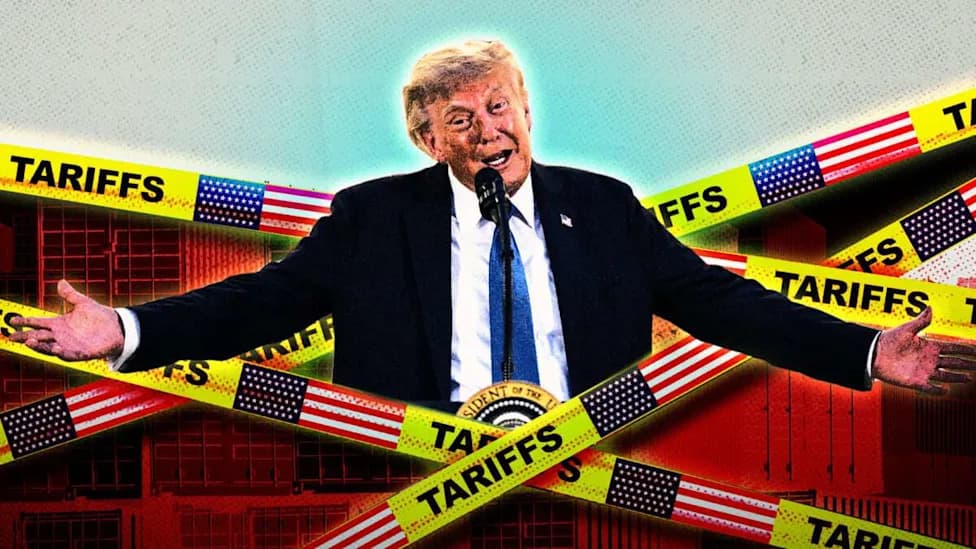
Three senior former U.S. trade officials have asked the Court of International Trade (CIT) to reject the Trump administration's use of Section 301 of the Trade Act of 1974 to impose sweeping, economy-wide tariffs. In a brief filed last week, the former officials warn the administration is attempting to "shift the exercise of core tariff authority from Congress to the Executive Branch." They argue that this interpretation far exceeds the statute's original purpose and legal limits.
Who Filed the Brief
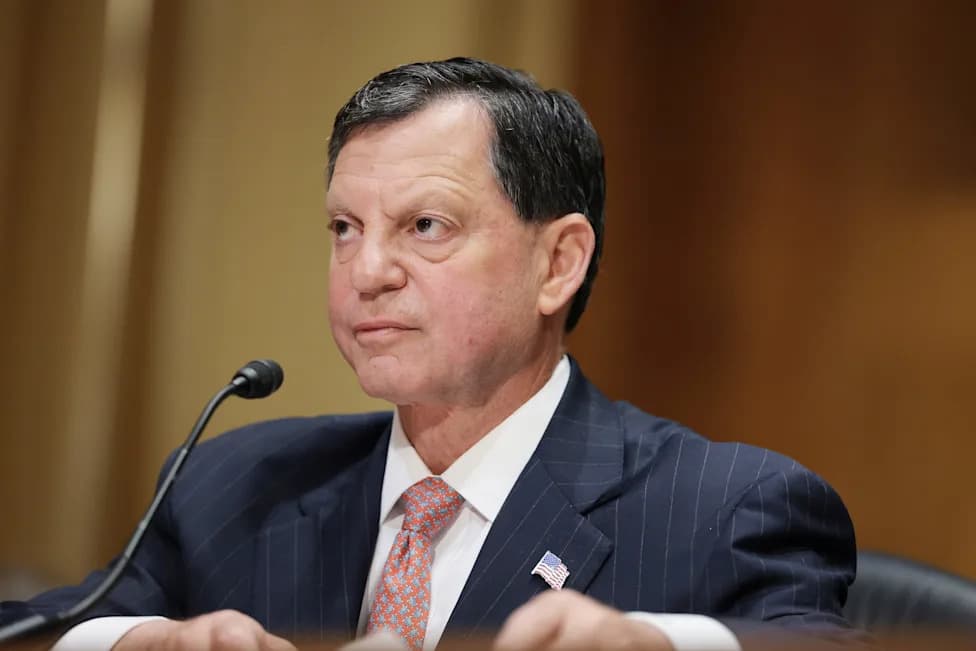
The brief was authored by Alan Wm. Wolff, Carla Hills, and Warren Maruyama—officials who helped draft and enforce Section 301 and who have long experience in trade law. Wolff directed the Treasury Department’s Office of Multilateral Trade Negotiations and wrote the original text of Section 301; Hills served as U.S. Trade Representative under President George H.W. Bush; Maruyama served as counsel in multiple administrations.
Core Arguments
The brief emphasizes that Section 301 was designed to address "specific unfair trade practices by individual U.S. trading partners," not to authorize broad, country-agnostic tariffs on nearly all imports. The authors say the administration has interpreted Section 301 as a license to impose broad duties on trading partners alleged to have failed to "impose and effectively enforce a prohibition on the importation of goods produced with forced labor."
According to the filing, the determinations underlying the tariffs fail to satisfy statutory requirements: they do not explain how each targeted country or entity has fallen short, nor do they show how those alleged shortcomings "burden or restrict United States commerce." The brief also says USTR Jamieson Greer has not demonstrated why the tariffs would remedy the problem the administration claims to confront.
"The Section 301 tariffs appear to be a thinly disguised pretext for reimposing the President's IEEPA tariffs under the guise of dealing with forced labor," the brief states.
Legal Context And History
The filing points out that the administration previously sought to use the International Emergency Economic Powers Act (IEEPA) to impose tariffs—a strategy rebuffed by the Supreme Court, which held that IEEPA does not authorize import duties. After that decision, the administration pivoted to other Trade Act authorities, including Section 122, which the CIT found had been improperly invoked in earlier litigation.
Wolff and his co-signers argue that aggregating "dozens of separate investigations" to justify tariffs of unprecedented breadth is inconsistent with the Trade Act’s clear substantive and procedural limits. They warn that such aggregation effectively delegates an unlimited tariff power to a cabinet official and disrupts Congress’s constitutional allocation of trade powers.
Litigation
The Liberty Justice Center is among the plaintiffs challenging the tariffs. The group and the former officials contend the administration’s approach misapplies Section 301 and asks the CIT to strike down the tariffs as unlawful.
Bottom line: The brief frames the administration’s program as a significant statutory overreach that the CIT should reject to preserve Congress’s exclusive role in setting tariff policy.
© Copyright 2026 by Creators Syndicate Inc.
Help us improve.