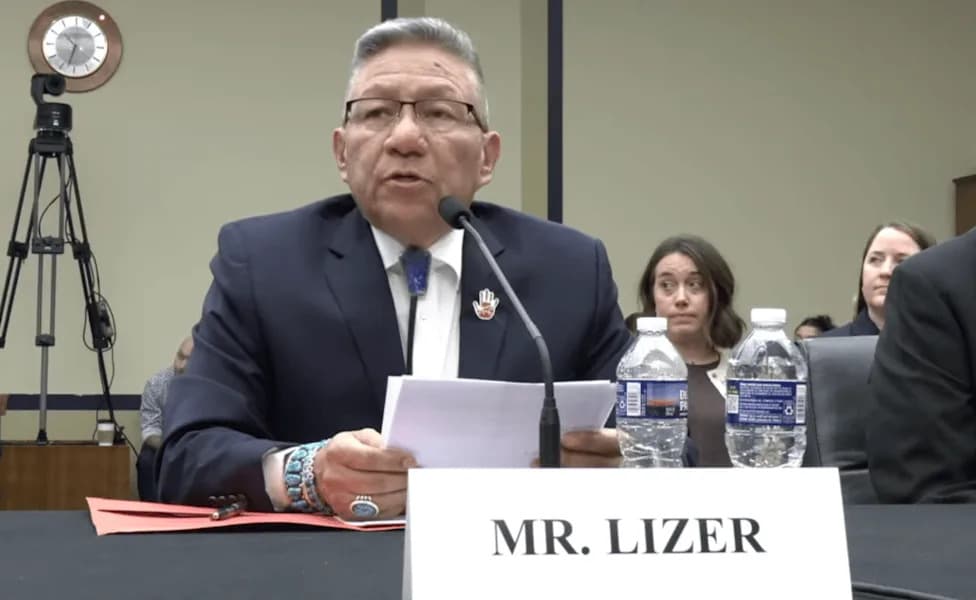
Former Navajo Nation Vice President Myron Lizer and other witnesses told a House subcommittee that long-standing federal and tribal efforts have not prevented Native people from disappearing or being killed. Testimony highlighted jurisdictional gaps, underfunded tribal policing, missing data and cuts to victim services that compound the crisis. Witnesses urged five concrete reforms, including formal federal-to-tribal case handoffs, measurable standards for evidence and tracking, investment in tribal justice systems, expanded tribal jurisdiction, and enforceable accountability.
Congress Told MMIP Efforts Have Fallen Short: Lawmakers Hear Calls for Concrete Reforms
Years of MMIP Initiatives Have Failed to Keep Native Americans From Dying and Disappearing, Myron Lizer, Abigail Echo-Hawk, Tell Congress
Former Navajo Nation Vice President Myron Lizer and other witnesses told a House Judiciary subcommittee that years of task forces, funding and federal initiatives have failed to stop Native people from disappearing or being killed. The hearing laid bare how jurisdictional confusion, underfunded tribal policing, and fragmented information systems leave families without answers.
Key Testimony and Cases
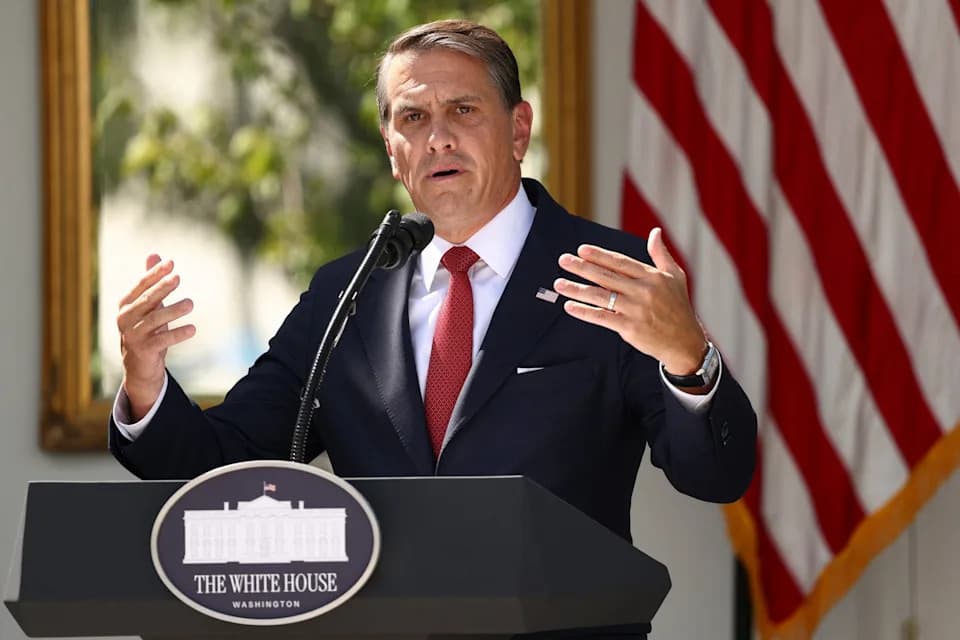
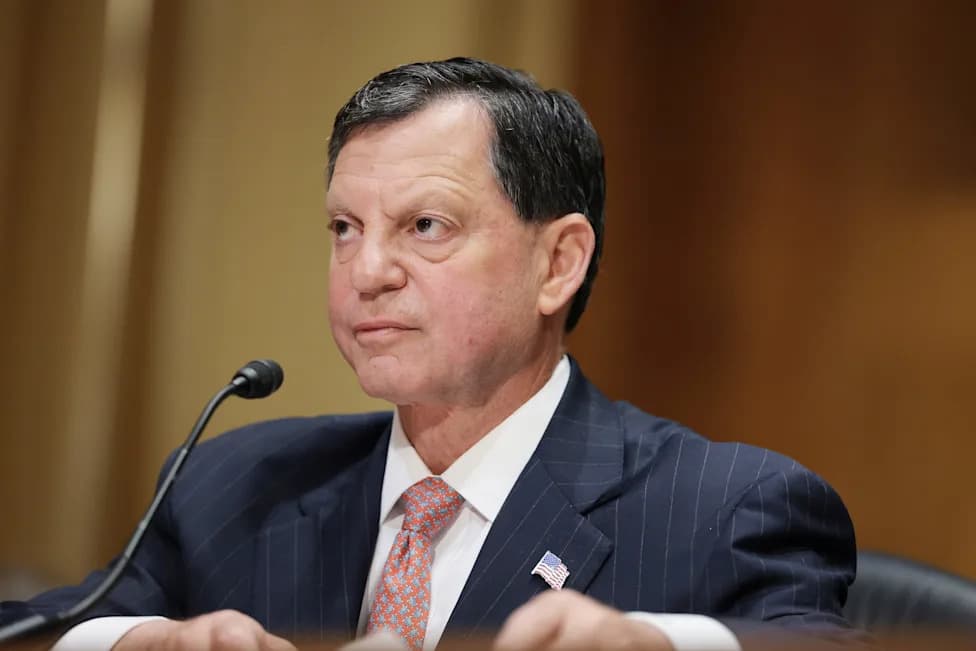
The hearing, convened by the U.S. House Committee on the Judiciary's Subcommittee on Crime and Federal Government Surveillance, featured testimony from Myron Lizer; Abigail Echo-Hawk, executive vice president of the Seattle Indian Health Board and director of the Urban Indian Health Institute; Trent Shores, former U.S. attorney and ex-deputy director of the Department of Justice's Office of Tribal Justice; and Montana Attorney General Austin Knudsen.
Advocates stressed stark statistics: Native people are murdered at a rate roughly 10 times the national average, and homicide is among the leading causes of death for Native women ages 10 to 34. The FBI receives more than 5,000 reports each year of missing or murdered Native people, though advocates say the true number is likely higher.
One answer is clear: we have built many programs, perhaps too many, but we have not yet built one continuously accountable system. — Myron Lizer
Lizer highlighted how cases can change hands repeatedly among tribal police, the FBI, U.S. attorneys, tribal prosecutors, victim advocates, state and local law enforcement, and multiple data systems, creating opportunities for evidence and accountability to be lost.
A Human Story
The panel referenced the disappearance of Diné elder Ella Mae Begay, who went missing in 2021 from Sweetwater, Arizona. Preston Tolth later confessed to carjacking and assaulting Begay and was sentenced in May to five years with credit for time served; he was released in June. Begay, 62 when she vanished, has never been found.
Barriers and Proposed Solutions
Witnesses identified several drivers of the Missing and Murdered Indigenous People crisis: underfunded tribal law enforcement, jurisdictional confusion between tribal, local, state and federal authorities, exclusion of Indigenous people from data systems, and inadequate mental health and victim services. Echo-Hawk described how deep federal cuts to services have hampered healing and recovery in Indian Country, and recounted being denied help after being assaulted as a child.
Speakers urged concrete reforms rather than more promises. Key proposals included:
- Establish a formal federal-to-tribal handoff when federal cases are declined or delayed.
- Set measurable standards for evidence transfer, case tracking, database entry and interagency communication.
- Invest in tribal law enforcement, prosecutors and victim services so they can recruit and retain staff with competitive pay and training.
- Expand tribal access to special criminal jurisdiction and Bureau of Indian Affairs special law enforcement commissions.
- Create enforceable accountability requirements for federal and tribal agencies that receive public-safety funding.
Montana Attorney General Austin Knudsen highlighted cross-deputization as one practical tool to allow state agents to act more swiftly across jurisdictions when needed.
What Families Want
Lizer urged lawmakers and agencies to measure success by outcomes that matter to families: Was the relative found? Was the case investigated? Is it being prosecuted? If prosecution is declined, why? He emphasized that families should not have to become experts in federal Indian law to learn what happened to their loved ones.
Takeaway: Witnesses called for a single, accountable system that links agencies, standardizes procedures and delivers outcomes so Native families receive timely answers and justice.
Help us improve.