The Peterson Foundation’s survey of 2,500 registered voters finds Social Security is a top midterm issue in battleground states as trustees warn the trust fund may be exhausted in late 2032, triggering a roughly 22% automatic cut in benefits. Voters strongly prefer candidates with concrete plans to avoid cuts and back a mix of targeted tax and benefit reforms, while opposing increased federal borrowing to avert the shortfall. Policymakers face growing pressure to propose bipartisan, durable solutions before the crisis arrives.
Social Security Becomes a Decisive Midterm Issue as Trust Fund Faces 2032 Shortfall
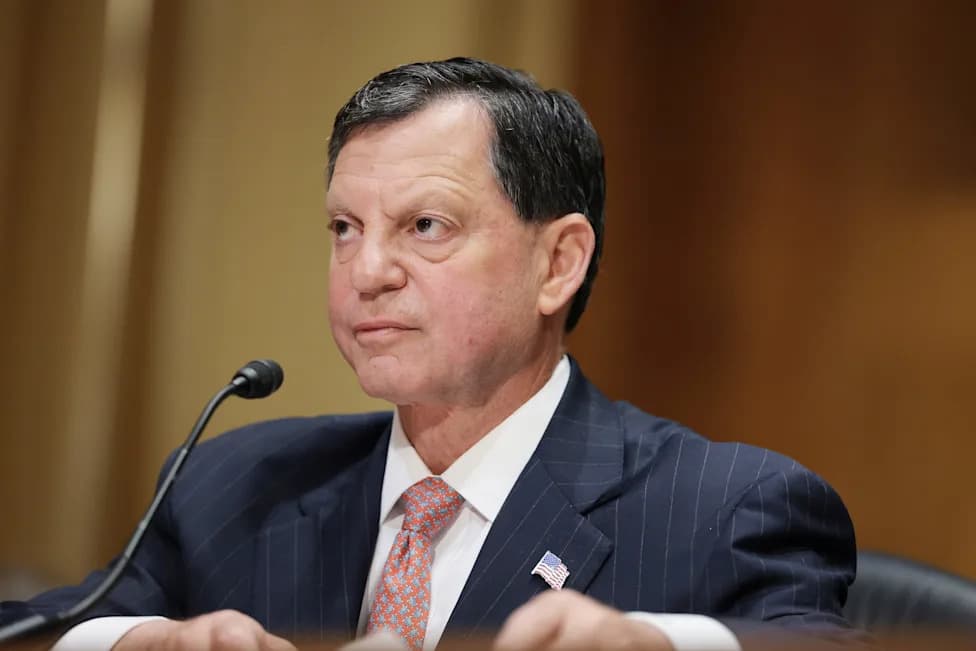
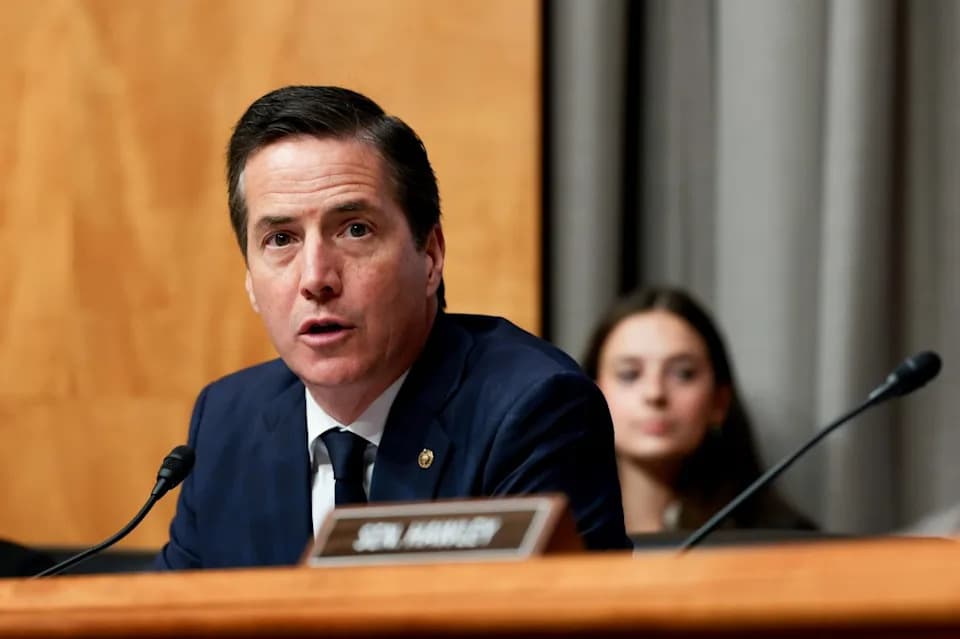
Democratic senators criticized Social Security Commissioner Frank Bisignano, pictured here, for sending what they described as partisan emails promoting President Donald Trump, arguing the messages conflict with his commitment to run the agency independently and without political bias. The lawmakers are seeking details about a July 2 email and its distribution.(Anna Moneymaker, Getty Images)
Senate hopefuls are unlikely to ignore Social Security’s looming funding crisis this November, according to a new Peterson Foundation survey of 2,500 registered voters conducted Aug. 20–27.
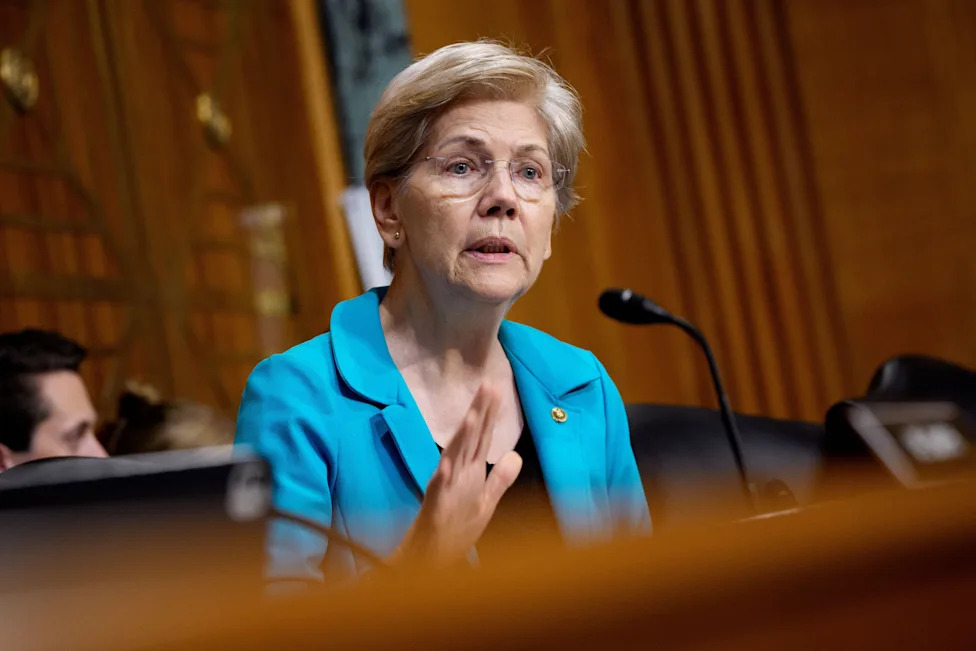
Sen. Elizabeth Warren (D-MA) speaks to U.S. Trade Representative Jamieson Greer as he appears at a Senate Finance Committee hearing on July 22, 2026 in Washington, DC. Greer is presenting U.S. President Donald Trump's trade policy agenda as the Trump administration has recently put a 50 percent tariff on certain goods from Canada causing criticism from Canadian Prime Minister Mark Carney and some Republicans.(Andrew Harnik, Getty Images)
Voters in five battleground states—Georgia, Michigan, North Carolina, Ohio and Texas—said Social Security will be a decisive factor in their midterm choices and that they are far more likely to back a candidate who presents a concrete plan to prevent automatic benefit reductions than one who simply promises not to touch the program.
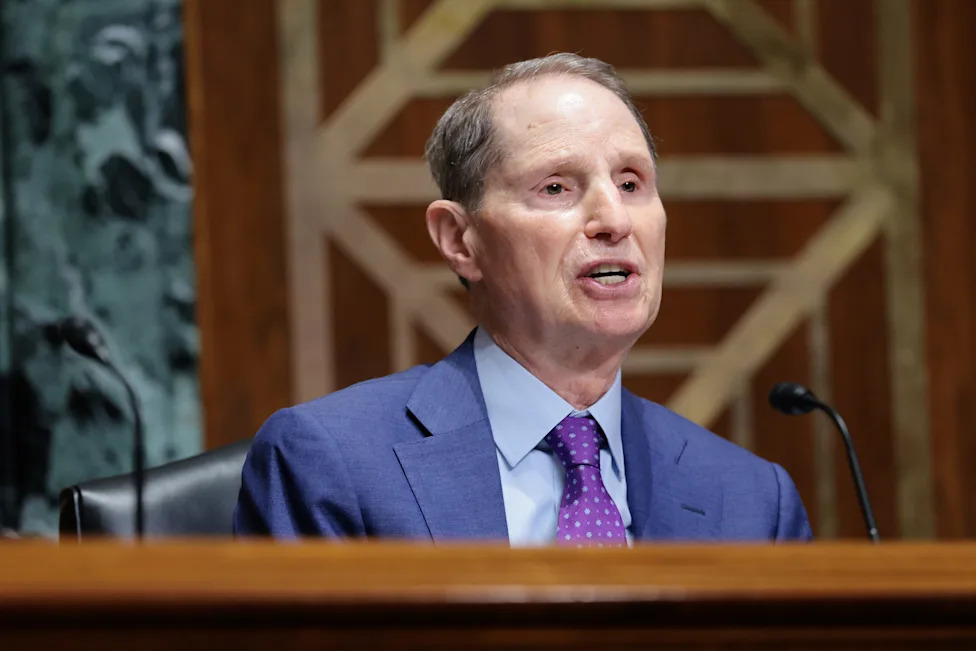
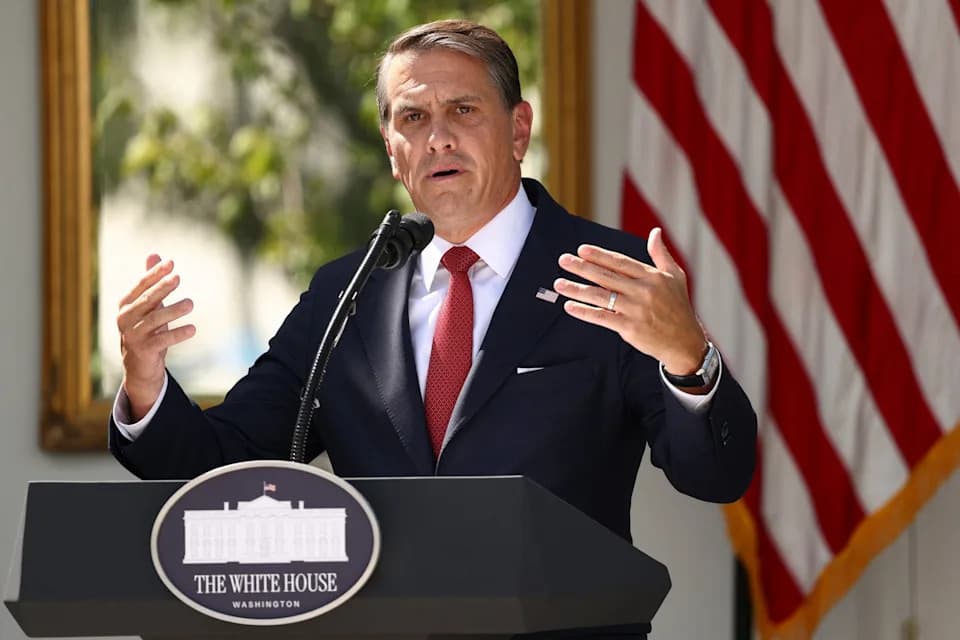
Ranking Member Sen. Ron Wyden (D-OR) speaks during a hearing with Internal Revenue Service Chief Executive Officer Frank Bisignano on April 15, 2026 in Washington, DC. Bisignano is testifying on the IRS 2026 filing season and operations.(Anna Moneymaker, Getty Images)
Federal trustees project that the Social Security trust fund that supplements payroll tax revenue could be exhausted in the final three months of 2032. If that occurs under current law, benefits would face an immediate, across-the-board reduction of roughly 22%, the Board of Trustees warned. That timeline makes elections from this November onward increasingly consequential: senators elected this year and the president chosen in 2028 would be in office when the shortfall arrives.

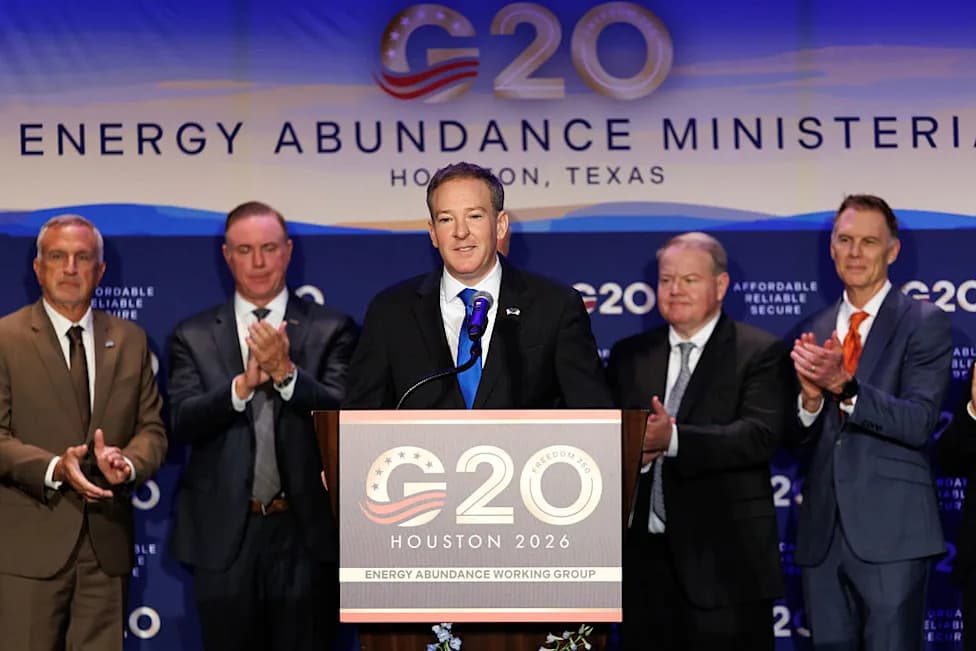
Sen,. Tammy Baldwin (D-Wis) makes remarks during a fireside chat with Democratic Party of Wisconsin Chair Devin Remiker at the 2026 Wisconsin Democratic Convention at the Monona Terrace Community and Convention Center in Madison, Wisconsin on June 13, 2026.(Jovanny Hernandez, Milwaukee Journal Sentinel via USA TODAY Network)
“The voters who will determine the balance of the U.S. Senate are calling on candidates to strengthen the future of Social Security,” said Michael Peterson, CEO of the Peterson Foundation. “Senators elected this fall will be in office in 2032 when Social Security recipients will face immediate 22% cuts, so all candidates should be putting forth solutions in this campaign to prevent this catastrophic result.”
In a separate controversy, Democratic senators have criticized Social Security Commissioner Frank Bisignano for allegedly sending partisan emails promoting President Donald Trump. Lawmakers say the messages conflict with the agency’s commitment to run independently and without political bias and are seeking details about a July 2 email and its distribution.
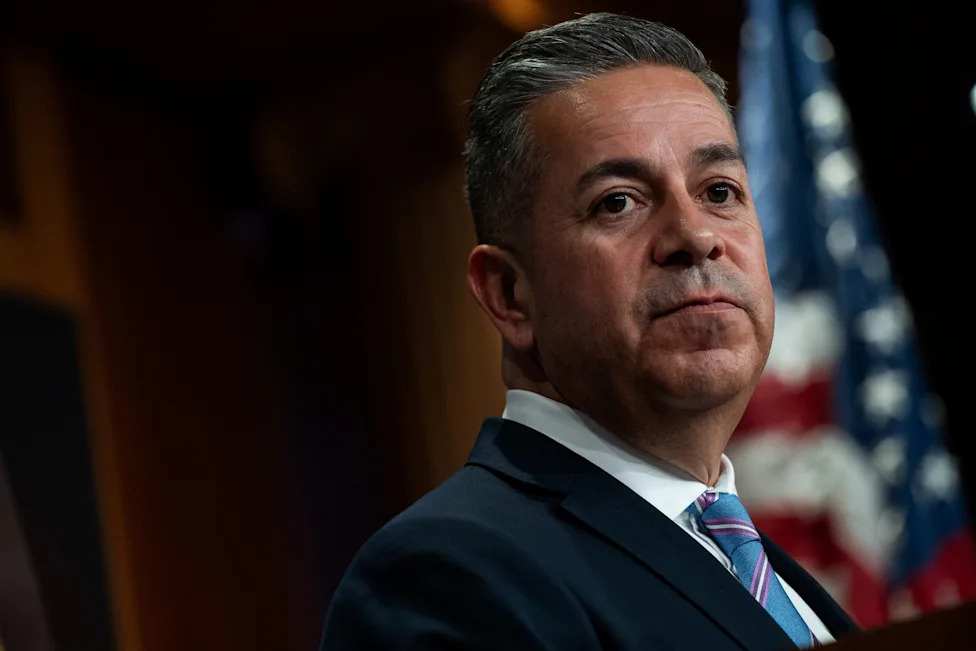
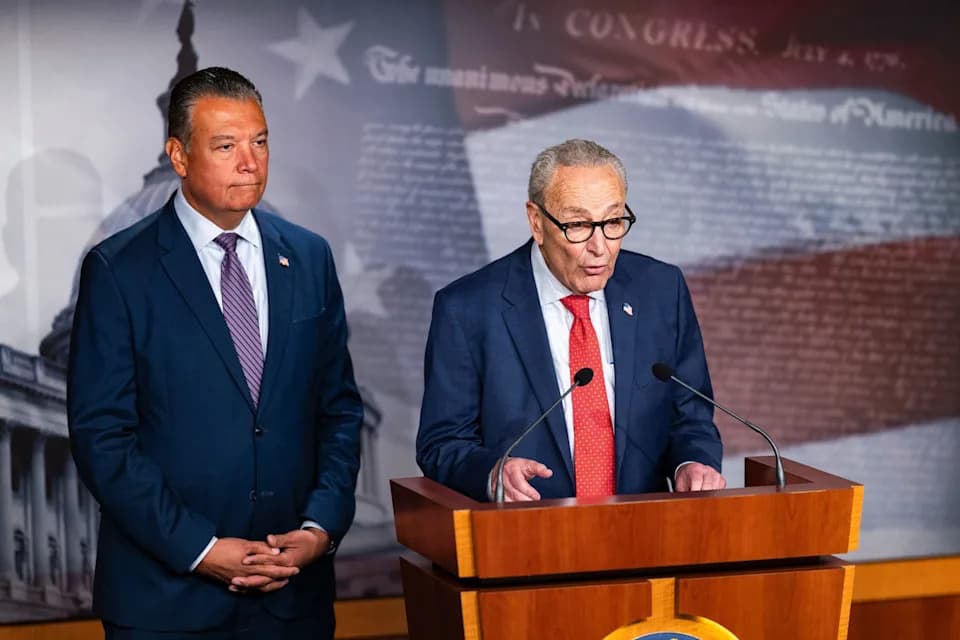
U.S. Senator Ben Ray Lujan (D-NM) attends a press conference with Senate Minority Leader Chuck Schumer (D-NY) and other Senate Democrats on U.S. President Donald Trump’s upcoming State of the Union speech on Capitol Hill in Washington, D.C., February 24, 2026.(Annabelle Gordon, Reuters)
The Committee for a Responsible Federal Budget (CRFB) warned that no state or recipient would be spared if Congress allows the trust fund to be exhausted. Nationally, CRFB estimates roughly one in five Americans—about 63 million people, including about 54 million retired workers and 9 million survivors and dependents—would be affected. The organization calculates the average national monthly reduction would be roughly $500, a sum larger than what the average retired household spends on groceries each month.
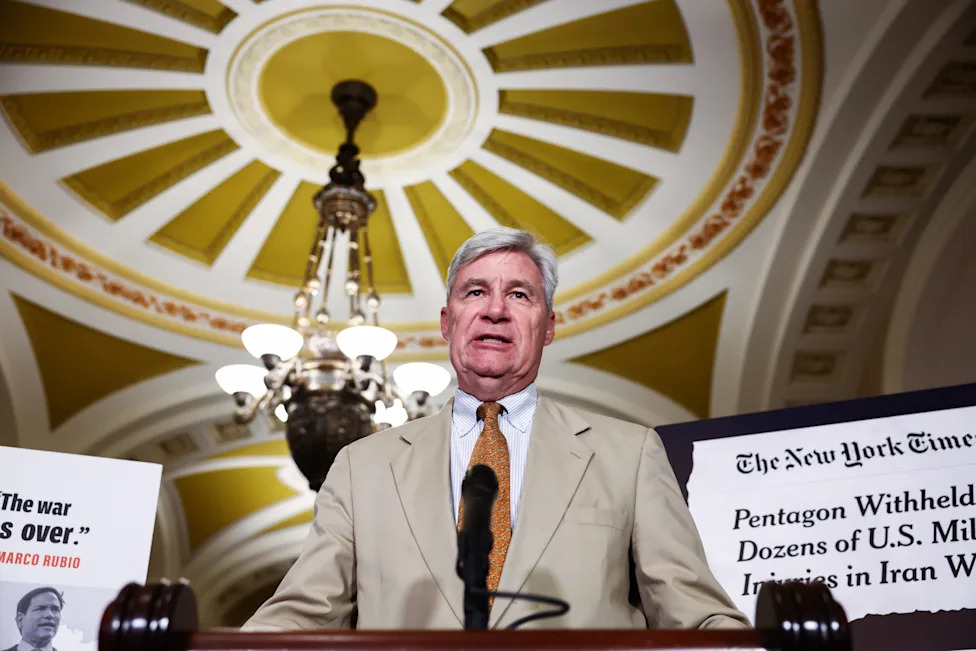
U.S. Senator Sheldon Whitehouse speaks alongside Senator Tim Kaine (D-VA) and Senate Minority Leader Chuck Schumer (D-NY) following a policy luncheon at the U.S. Capitol on July 21, 2026 in Washington, DC. They discussed the Republican budget proposals and the Iran war.(Finn Gomez, Getty Images)
CRFB’s state-level estimates for the five battleground states show substantial monthly losses per beneficiary if lawmakers do not act:

Agnes Hollander is a widow, trying to survive only on Social Security, which is not keeping up with the cost of living. As a former piano players, she says music keeps her spirits up. She enjoys listening to her musician friends play jazz every Thursday night at Samba Brazilan Steakhouse in Sarasota.
- Georgia: 1.7 million people would lose an average of $487 per month.
- Michigan: 2.0 million beneficiaries would face an average decline of $523 per month.
- North Carolina: 2.0 million Americans would see an average monthly cut of $501.
- Ohio: 2.2 million residents would lose $487 each month on average.
- Texas: 4.3 million Social Security recipients would experience an average monthly cut of $489.
The Peterson Foundation survey finds strong voter demand for lawmakers to address the shortfall. More than eight in 10 respondents said they would be more likely to support a candidate with a plan to avoid automatic benefit cuts, and nearly nine in 10 said current lawmakers should be discussing the issue more. More than three-quarters said lawmakers who pledge to never touch Social Security may be making the problem harder to solve by delaying action.
When voters are informed about the scheduled 2032 cuts, 91% said they support reforms to prevent those reductions, and 85% said lawmakers should prioritize fixing the program given higher living costs.
“Voters want this problem addressed, and there is strong bipartisan support for many available solutions that would sustain this essential program,” Peterson said.
The survey highlights several reform proposals that received widespread support:
- 72% back raising the payroll tax cap by an additional 1 percentage point on earnings above $184,500.
- 66% favor capping annual Social Security benefits so no retired couple receives more than $100,000 per year.
- 65% support reducing benefits for the top 20% of earners.
- 65% favor a balanced approach combining gradual benefit adjustments and modest tax increases to preserve the program.
Voters strongly oppose using additional federal borrowing to avert the projected 2032 cuts: only 29% would support borrowing more, while 68% of battleground voters opposed adding to the national debt, currently estimated at about $40 trillion.
Policy discussions also include ideas such as a “flat-rate” cost-of-living adjustment (COLA), which would give every beneficiary the same dollar increase based on the COLA received by the lowest-earning 20%. Analysts caution that a flat COLA could erode purchasing power for many recipients and would also reduce the initial benefit calculations for future retirees because COLAs feed into the benefit formula.
With the trust fund shortfall looming, lawmakers from both parties face growing pressure to present concrete, politically viable solutions this midterm season to avoid substantial benefit reductions a decade from now.
Medora Lee is a money, markets and personal finance reporter at USA TODAY. You can reach her at [email protected]. This article originally appeared on USA TODAY.
Help us improve.