The UN humanitarian coordinator in Ukraine, Matthias Schmale, said the organization is considering moving relief stocks underground after Russian strikes damaged 10 UN warehouses this year, destroying millions in supplies. One WHO medical warehouse was hit and other attacks wrecked hygiene kits and school supplies. The UN is delaying some purchases, evaluating underground bunkers and investing in armoured vehicles and drone-detection systems. Schmale warned these measures add unexpected costs not included in the UN's $2.3 billion 2026 aid budget.
UN Considers Moving Ukraine Aid Underground After 10 Warehouses Hit — Costs Rise
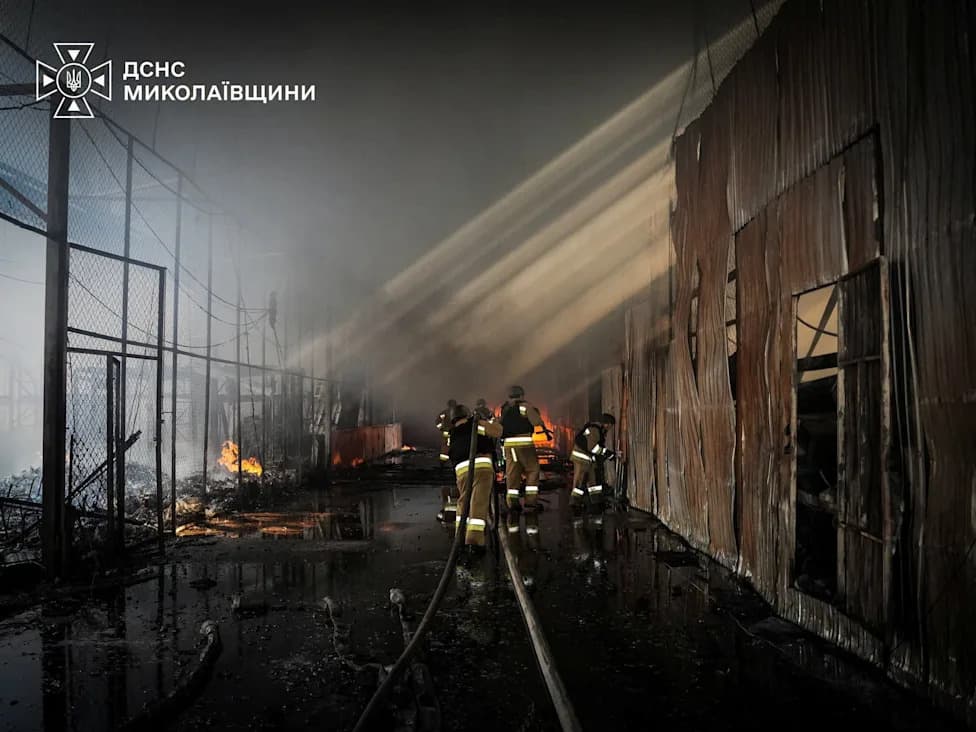
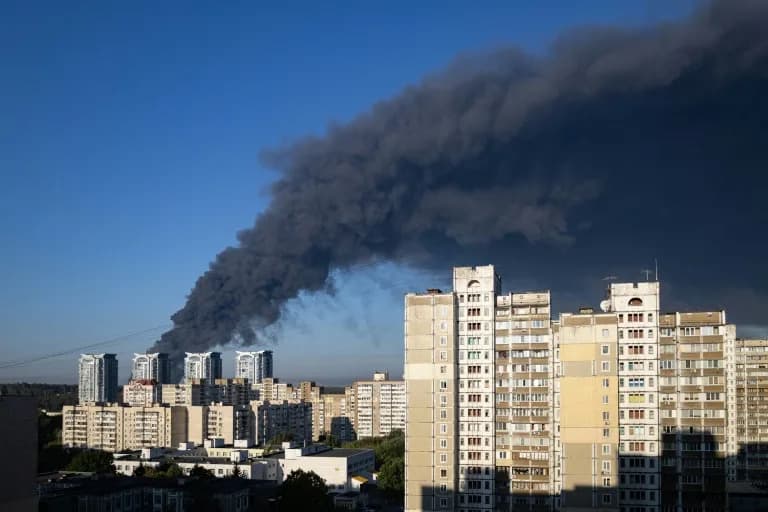
Firefighters work at the site of a warehouse hit during Russian drone and air strikes in Mykolaiv, Ukraine, on Sept. 9, 2026. (Press service of the State Emergency Service of Ukraine via Reuters)
The United Nations' humanitarian coordinator in Ukraine says the organization is considering moving relief stockpiles underground after Russian strikes this year struck 10 UN warehouses, destroying millions of dollars' worth of supplies.
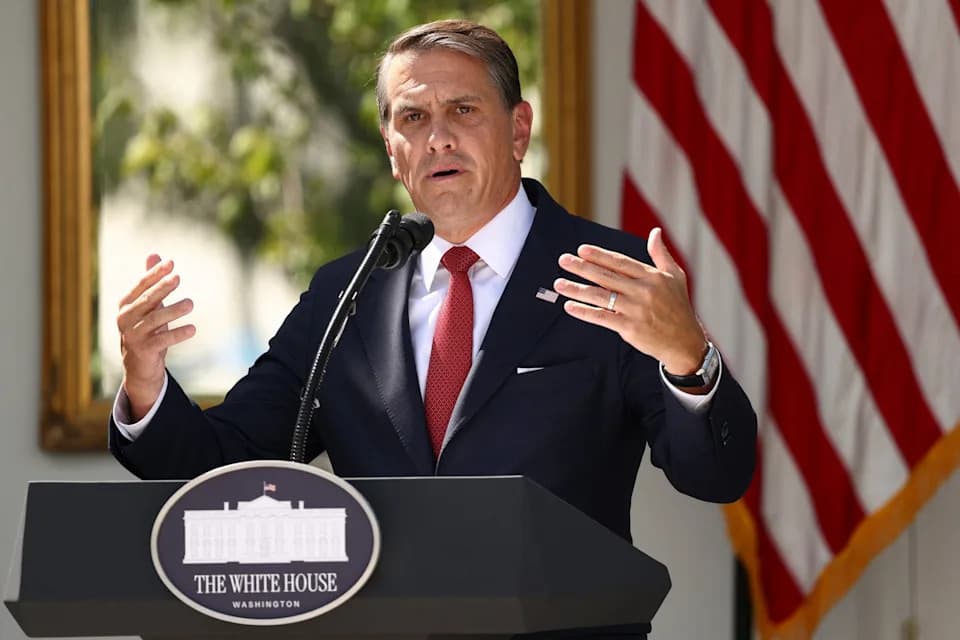
Matthias Schmale told Reuters in Geneva that among the hits was one of the World Health Organization's main medical warehouses earlier this month. Other strikes have destroyed hygiene kits and school supplies for children, reducing the immediate availability of life-saving and essential items.
New Threats to Humanitarian Logistics
Schmale described these assaults on storage facilities as a deliberate and recently emerging trend in the conflict's fifth year. To reduce the exposure of supplies to aerial attack, the UN is weighing options such as relocating stockpiles to subterranean bunkers and delaying procurement until the last possible moment.
"This increasingly feels like the front line is moving into the air," Schmale said, warning that the shift raises both safety and operational challenges.
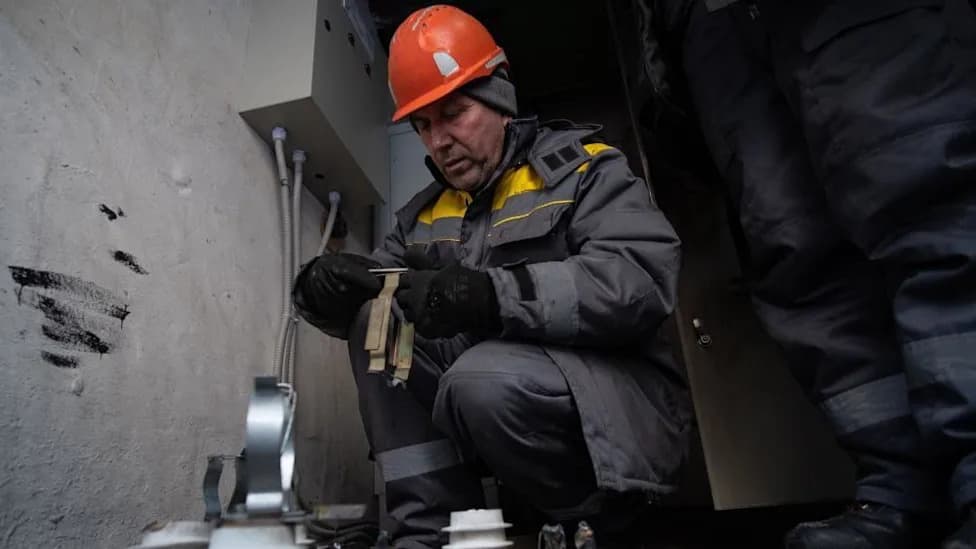
The UN is also investing in protective measures for staff and operations, including additional armoured vehicles, drone-detection systems and support for mobile drone shelters in public spaces—such as near bus stops—after growing Ukrainian requests and rising civilian casualties.
Schmale warned these protective measures come with extra costs for taxpayers and noted that such expenses were not anticipated in the UN's current planning for a $2.3 billion aid budget for 2026.
Implication: The evolving threat to warehousing and logistics increases operational complexity and costs for humanitarian actors delivering aid in Ukraine, potentially delaying or reducing the flow of essential relief to people in need.
Help us improve.