Vice President JD Vance told the New York Post that the U.S.-Iran confrontation is likely to enter a "much different phase" within months as Washington pivots to preventing Iran from rebuilding its military capabilities. He described a two-phase approach: first degrading Iran's nuclear and conventional forces, then stopping reconstruction and stabilizing the region. CENTCOM reports more than 12,300 targets struck and over 155 Iranian vessels damaged or destroyed. Recent September strikes hit Iranian crude carriers after missile attacks, with no U.S. casualties reported.
Vance: U.S.-Iran Conflict to Enter 'Much Different Phase' Within Months
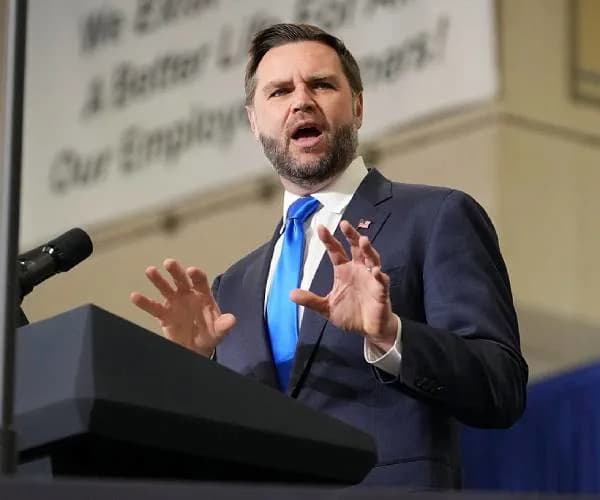
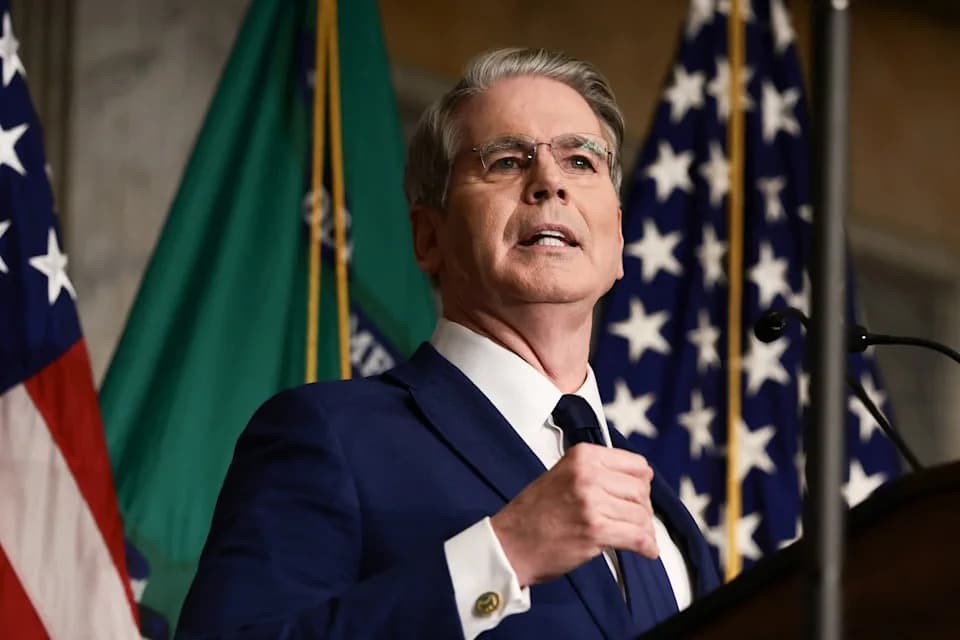
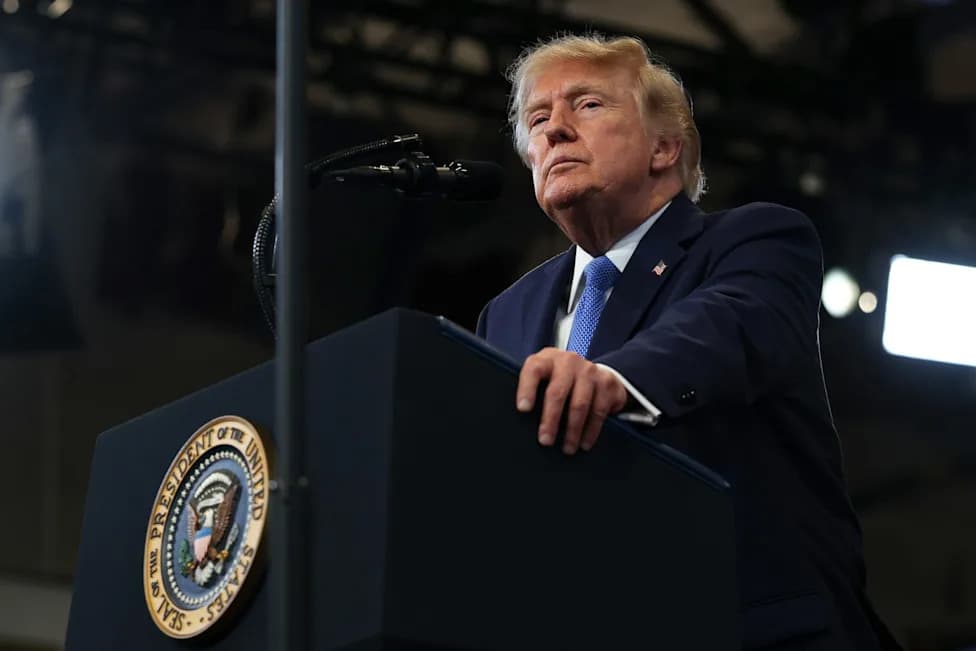
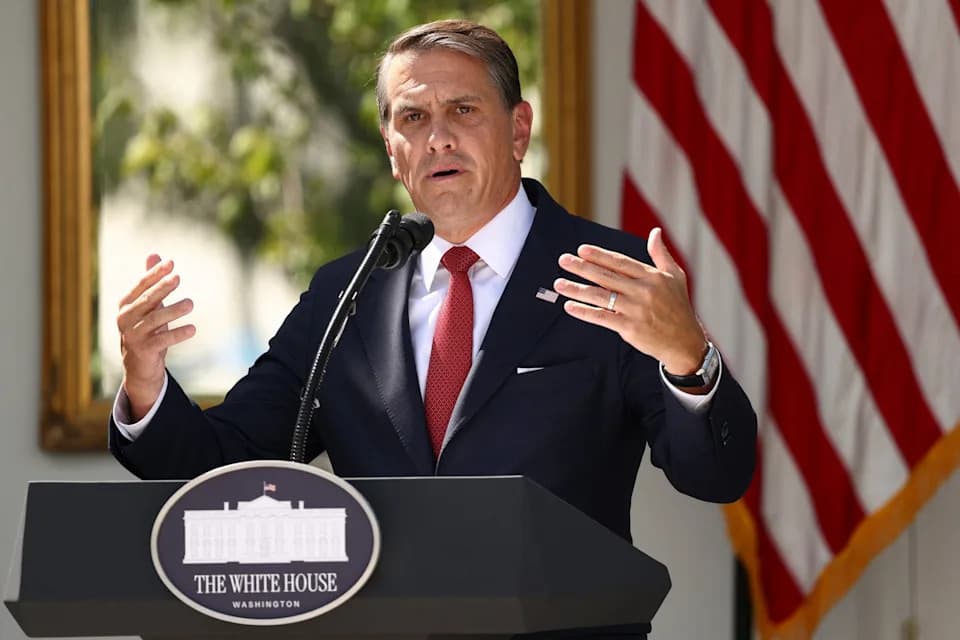
Vice President JD Vance (Getty Images)
Vice President JD Vance warned the U.S. confrontation with Iran is likely to move into a "much different phase" within the coming months as the administration shifts its priority toward preventing Tehran from reconstituting its military capabilities.
"We can't predict the future, but I think the president is right to say that this thing will enter a much different phase in a couple of months," Vance told the New York Post in an interview published Tuesday. "He's also the commander in chief, so he's the person who determines ... when conflicts start and when they stop."
Vance said the administration views the campaign as having two distinct phases: an initial phase aimed at degrading Iran's nuclear program and destroying its conventional force-projection capabilities, followed by a second phase focused on preventing reconstruction of those military capacities and helping to preserve regional and global stability.
Timeline And Recent Operations
The U.S. and Israel launched a joint military operation on Feb. 28 targeting elements of Iran's political leadership and military infrastructure. U.S. Central Command (CENTCOM) reported in April that U.S. forces had struck more than 12,300 targets and had damaged or destroyed more than 155 Iranian vessels. President Donald Trump has repeatedly said Iran no longer maintains an effective navy or air force.
At one point the two sides signed a memorandum of understanding (MOU) that temporarily paused major hostilities and allowed the Strait of Hormuz to reopen while negotiators pursued a broader peace deal within 60 days. That agreement later collapsed, and the U.S. resumed a blockade of Iranian ports on July 14.
Recent Clashes
While fighting has continued intermittently, Vance emphasized that the United States is not conducting sustained offensive operations at the moment. "I certainly understand there's some impatience from the American people, but fundamentally what's happening right now is that the United States is not engaged in aggressive operations," he said.
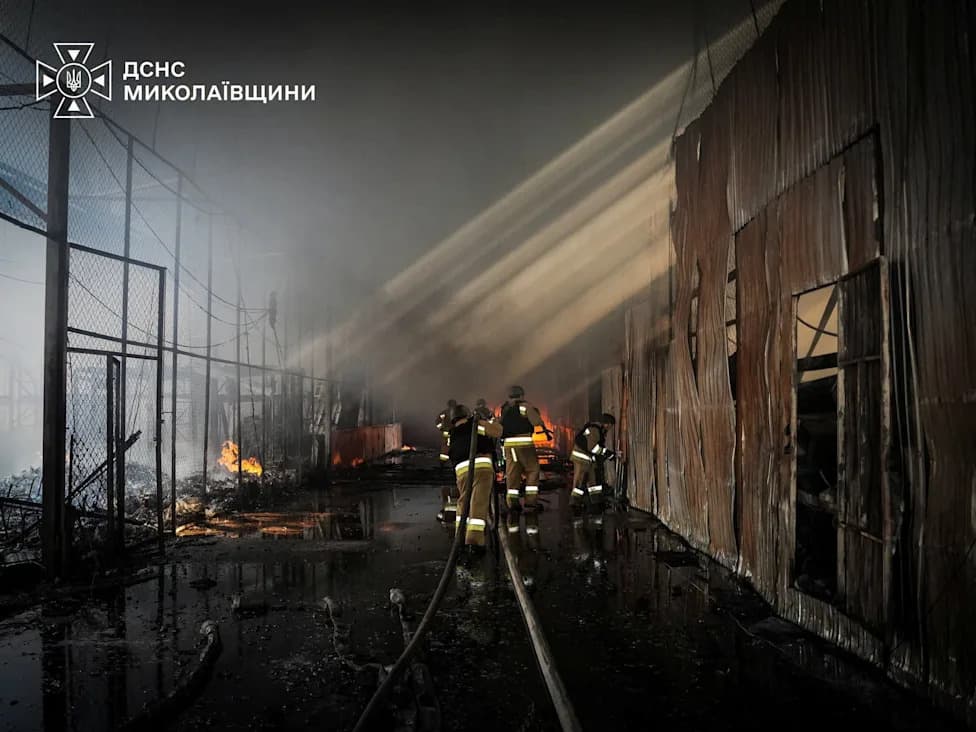
CENTCOM has continued to respond to Iranian actions. On Sept. 5, U.S. forces struck three Iranian crude oil tankers after Iran's Islamic Revolutionary Guard Corps fired ballistic missiles toward two U.S. Navy warships. Three days later, CENTCOM said U.S. forces destroyed five Iranian crude oil carriers after the IRGC twice targeted a U.S. warship with ballistic missiles. The U.S. vessel evaded the attacks and remained on patrol. No American personnel were reported injured in either incident.
Regional Impact
Vance noted that traffic through the Strait of Hormuz — a critical artery for global oil shipments — has recovered to "well over 50% of normal traffic," though commercial crossings remain below pre-conflict levels. The administration says the coming months will determine how tightly it seeks to prevent Iran from rebuilding its military reach.
Note: This report is based on statements by Vice President JD Vance, U.S. Central Command summaries, and public comments by President Donald Trump. Specific operational numbers and assessments reflect the claims and reports cited by U.S. officials.
Help us improve.