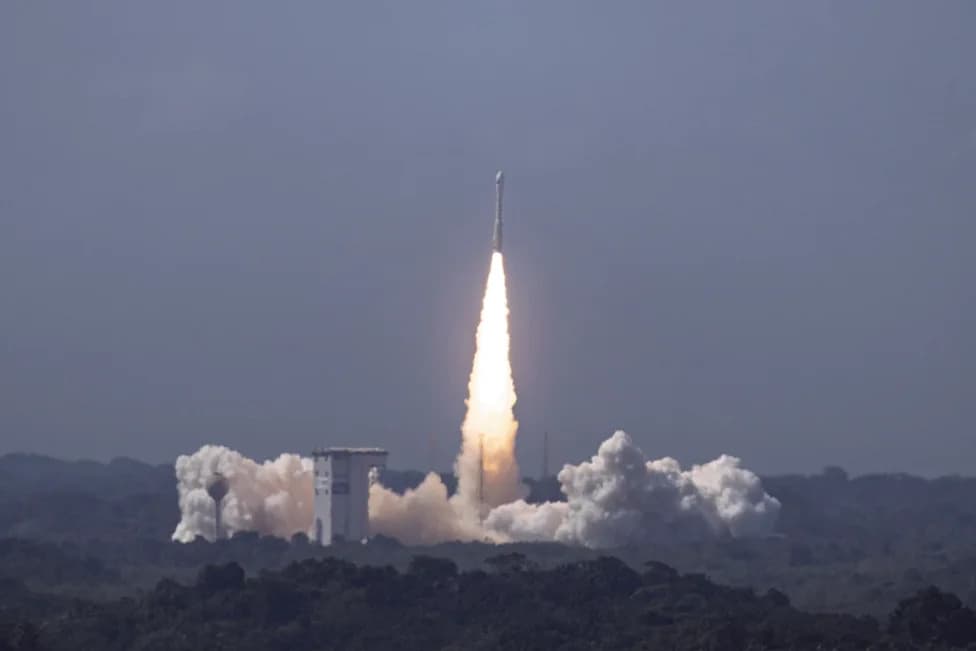
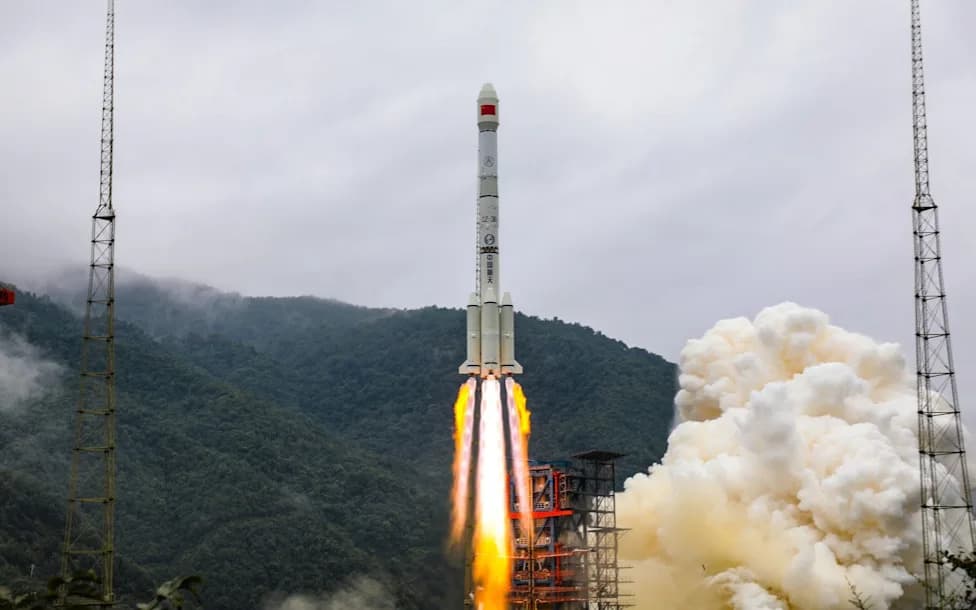
Isar Aerospace on Saturday reached orbit and deployed five satellites with its Spectrum rocket, which lifted off from Andøya Spaceport and cleared the 100 km Kármán line in under four minutes. The flight — the company's second after a failed 2022 debut — is described by Isar as a first for a privately developed European rocket. The firm says it has a >€10 billion pipeline, is building a 40,000 m² factory to produce up to 40 rockets a year, and closed a €270 million Series D backed by Porsche and the NATO Innovation Fund.
Isar Aerospace Reaches Orbit on Second Spectrum Launch — Deploys Five Satellites, Announces Major Scale-Up
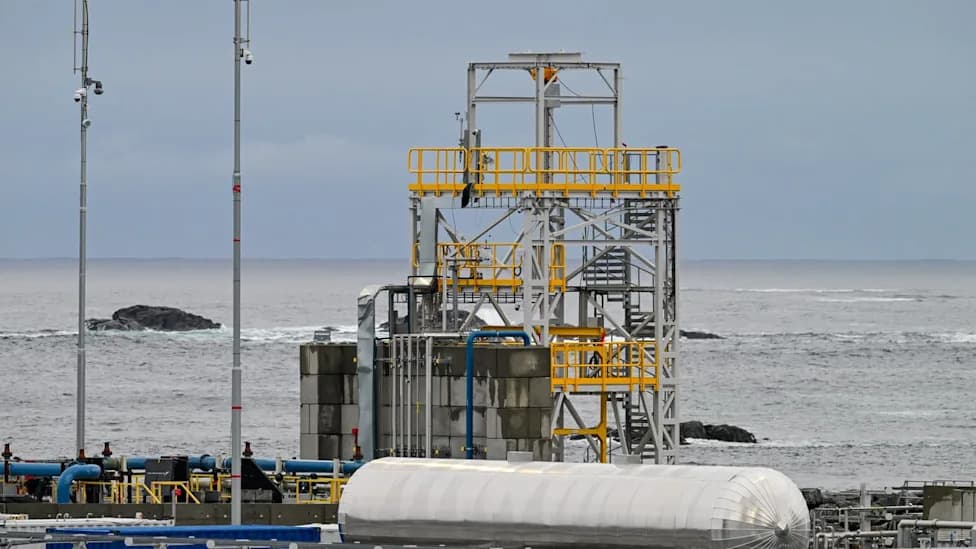
Isar Aerospace reaches orbit on second Spectrum rocket launch
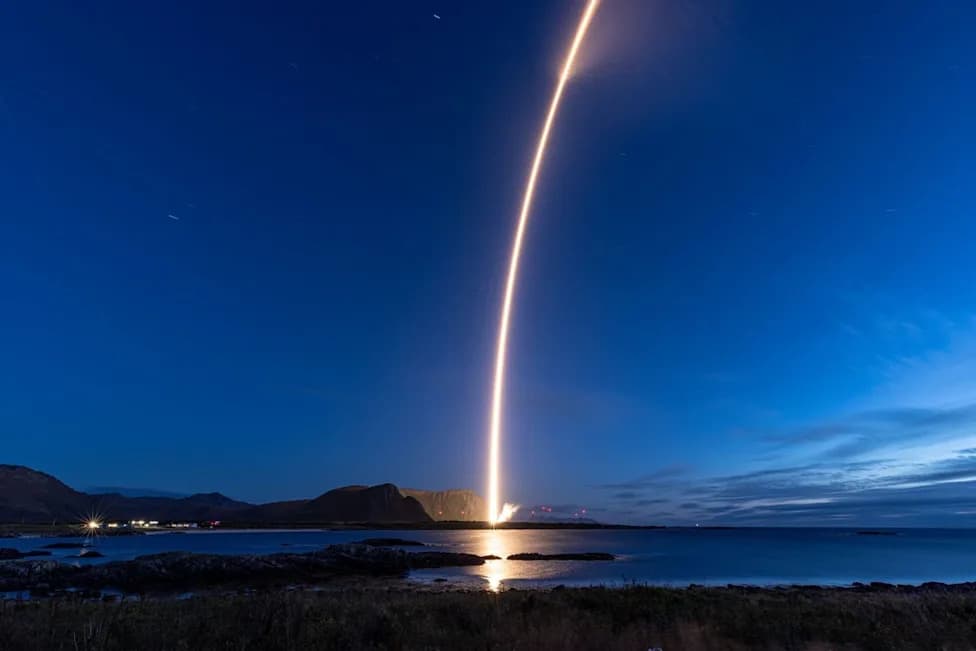
Isar Aerospace successfully reached orbit and deployed five satellites on Saturday with its Spectrum rocket, the company said — a milestone it describes as the first time a European commercial space company has placed satellites into orbit on a privately developed rocket.
Mission Highlights
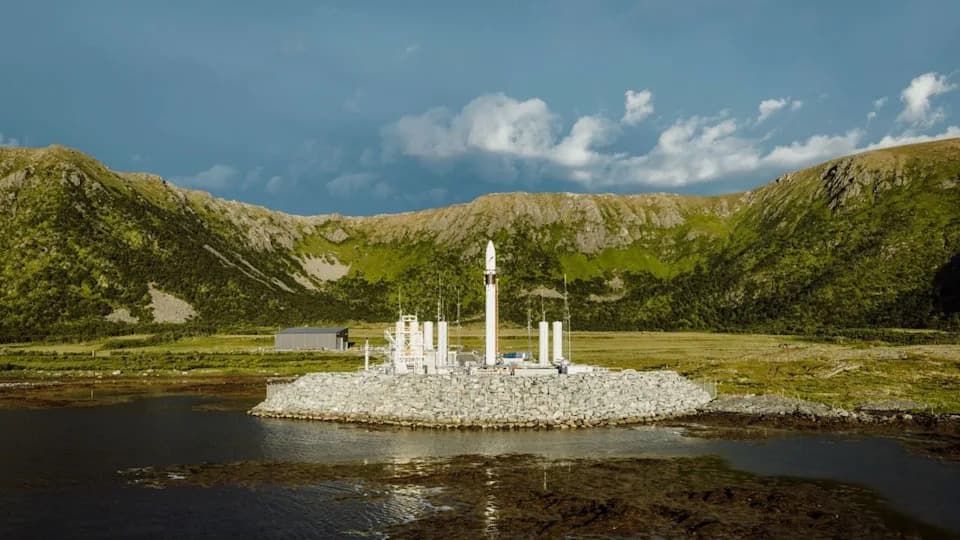
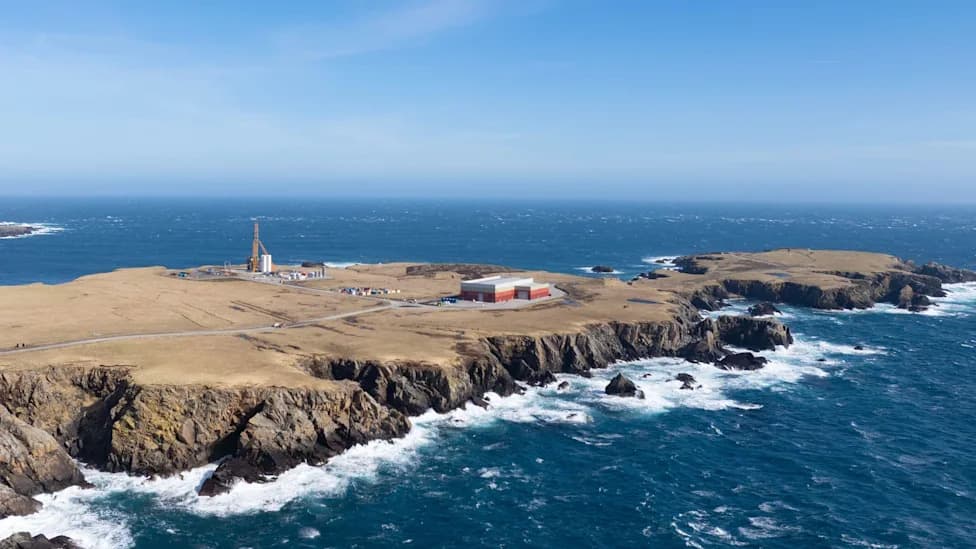
The Spectrum vehicle lifted off from Andøya Spaceport in Norway at 10:12 p.m. local time. The rocket crossed the Kármán line (100 km) in under four minutes, completed stage separation, jettisoned its payload fairing and achieved orbital velocity to release five small satellites into low Earth orbit.
Background And Significance
Isar's inaugural test flight in March 2022 ended in failure when the rocket crashed into the sea less than a minute after liftoff. Saturday's success marks a major recovery for the company and, according to Isar, a first for a privately developed European rocket reaching space.
Payload And Program
The five payloads were selected through the Microlauncher Competition run by the German Aerospace Center (DLR) and funded via ESA Boost!. The program gives universities, research groups and startups lower-cost access to space for experiments and small satellites.
Commercial Outlook And Production Plans
Chief Commercial Officer Stella Guillen told CNBC that Isar holds a sales pipeline valued at more than €10 billion (about $11.6 billion), while noting the company has not clarified how much of that sum consists of signed contracts. "The demand is so big," Guillen said. "There's a lot of new constellations and new projects that have come out, and actually they're financed."
Isar said Spectrum launch vehicles 3–7 are already in production. A new 40,000-square-meter manufacturing facility nearing completion will give the company capacity to produce up to 40 rockets per year, part of an effort to rapidly scale to meet global demand. CEO and co-founder Daniel Metzler said the company will "focus on rapidly scaling launch vehicle production, deliver on our order pipeline, and meet surging global demand."
Funding, Backers And Launch Sites
The company closed a €270 million Series D round in June, with investors that include Porsche, the NATO Innovation Fund, and venture capital firms Lakestar and HV Capital. In addition to its current launch site in Norway, Isar is developing a second launch complex in Nova Scotia, Canada.
European Launch Context
Isar pointed to broader European challenges in independent orbital access: according to figures the company shared with Al Jazeera, the U.S. conducted 198 launches last year compared with eight from Europe, and many European satellites have flown on SpaceX rockets. The company framed its success as a step toward greater European launch autonomy.
Note: Some claims above — including the characterization of Isar as the "first European commercial space company" to place satellites into orbit — are presented as the company's statements.
Help us improve.