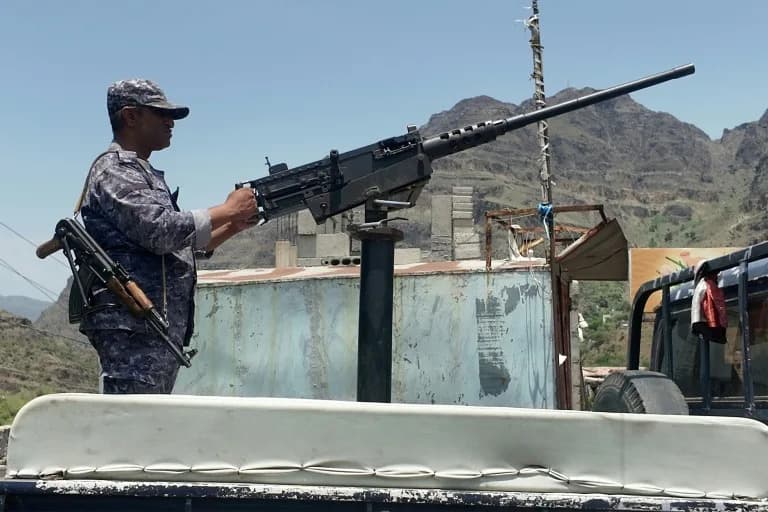
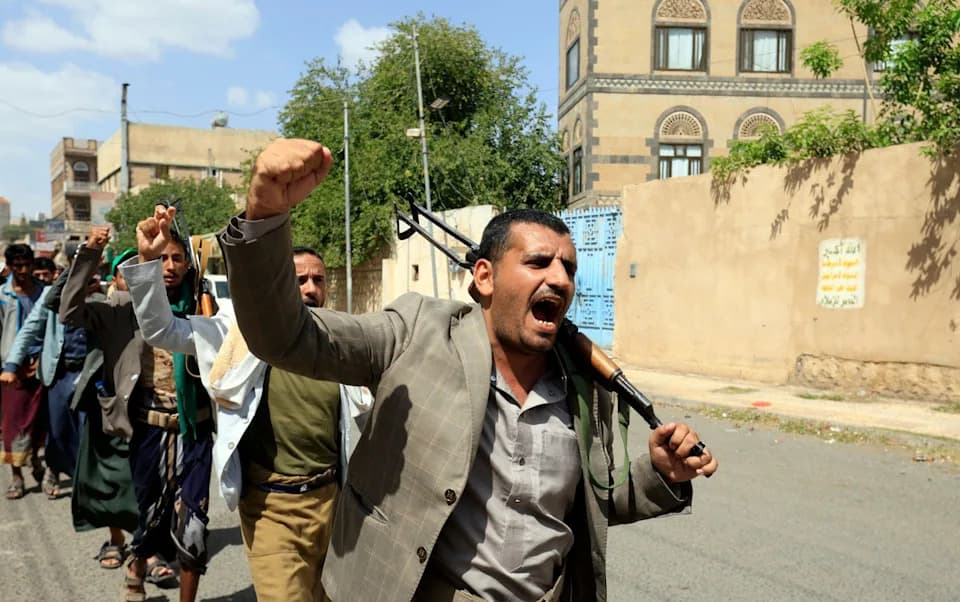
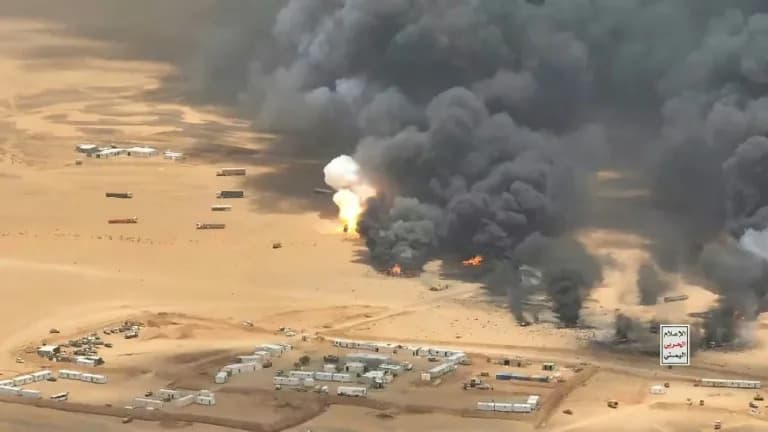
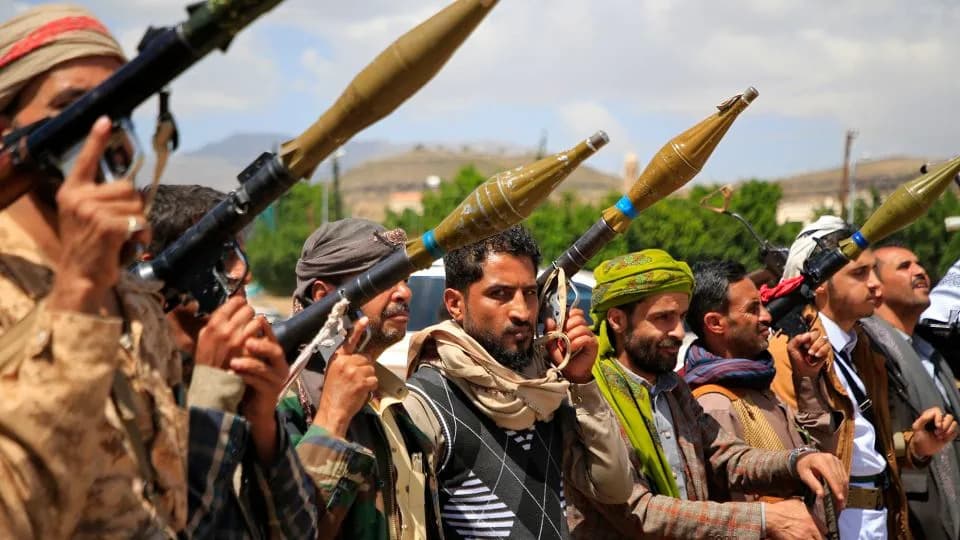
Saudi Crown Prince Mohammed bin Salman visited Cairo seeking Egypt’s political support after Houthi forces seized strategic Red Sea positions and attacks damaged Saudi Arabia’s East–West pipeline, which is expected to be out of service for weeks. The developments raise the risk of chokepoint disruption at Bab el-Mandeb, threaten shipments through the Suez route, and could remove millions of barrels per day from the market. Egypt is likely to offer diplomatic backing rather than deploy troops; the fighting has also inflicted heavy civilian casualties and displacement in Yemen.
Saudi Crown Prince Seeks Egypt’s Backing as Houthi Attacks Threaten Red Sea Oil Lanes
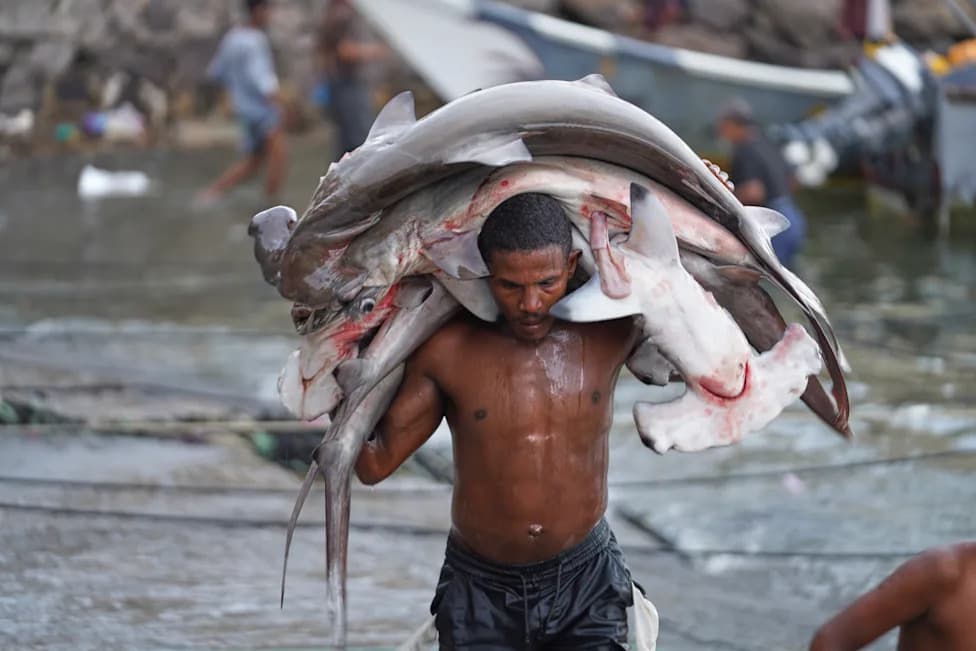
A fisherman carries his catch, including hammerhead sharks, ashore at the Sirah fish market in Aden, Yemen, Tuesday, Sept. 15, 2026. (AP Photo/Abdulnasser Alseddik)(AP Photo/Abdulnasser Alseddik)
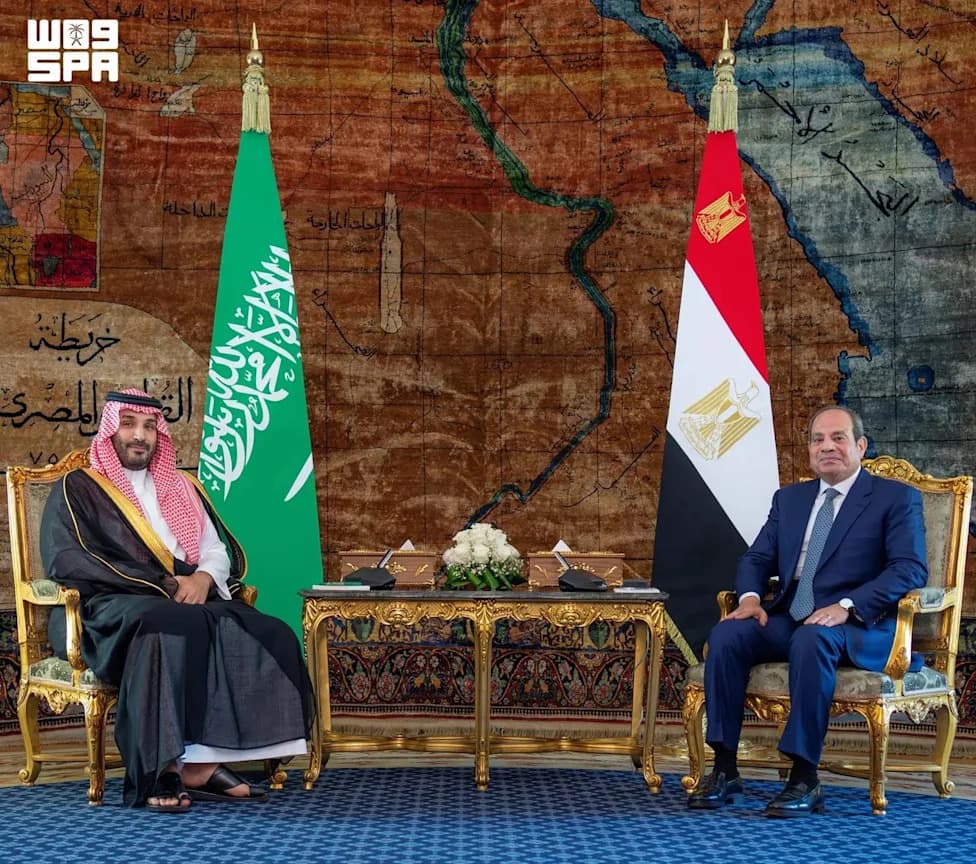
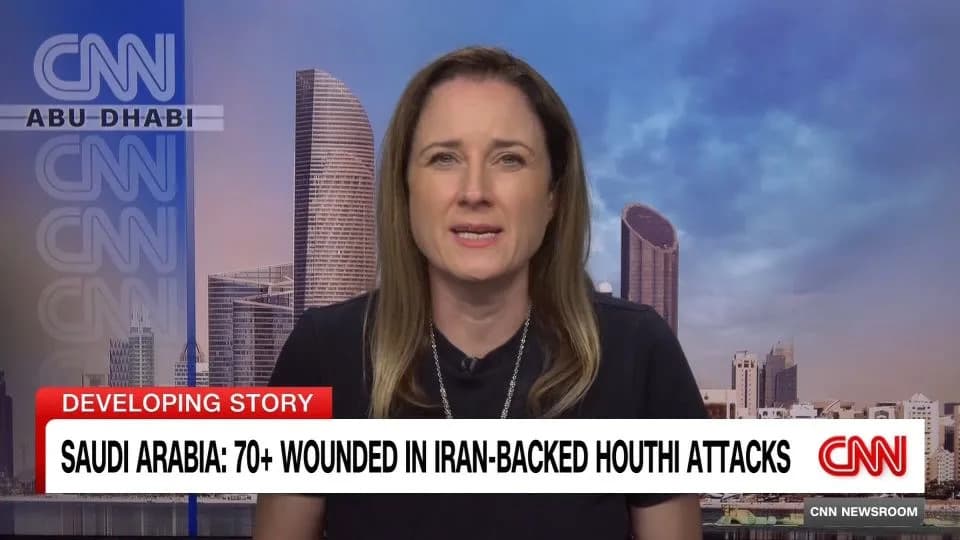
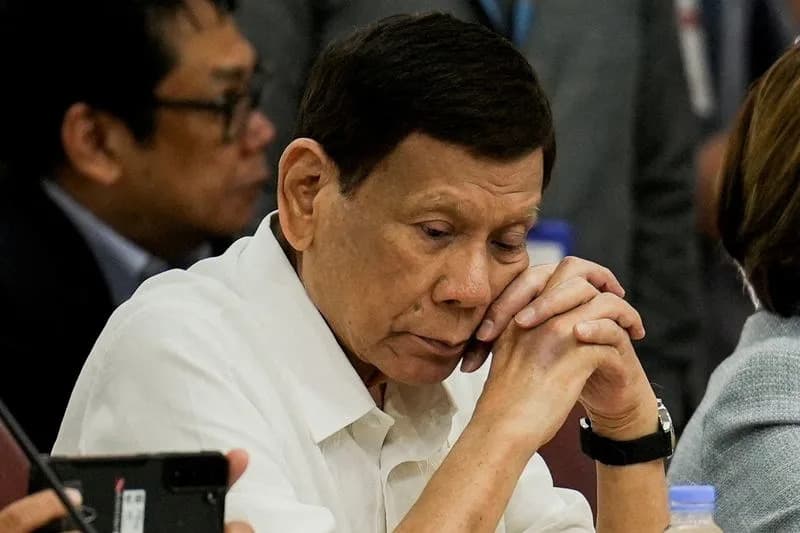
Saudi Crown Prince Mohammed bin Salman travelled to Cairo to secure political support from President Abdel-Fattah el-Sissi as a surge of Houthi attacks threatens shipping and energy infrastructure in the Red Sea, raising global oil market concerns and heightening regional tensions.
Pressure On Saudi Oil Routes
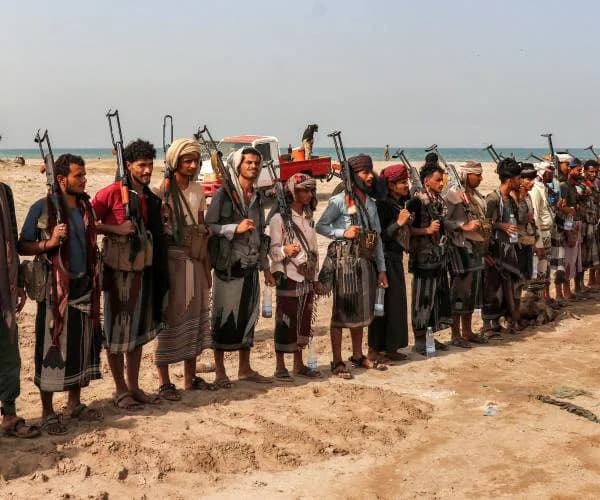
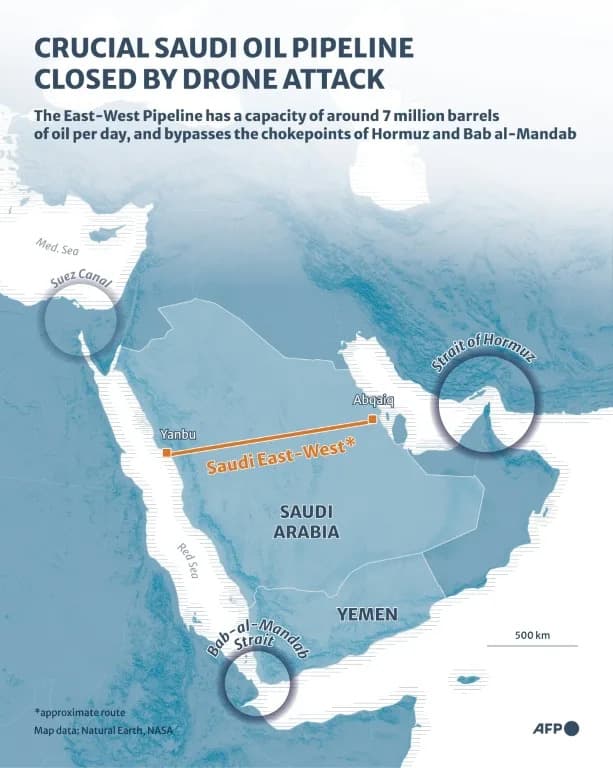
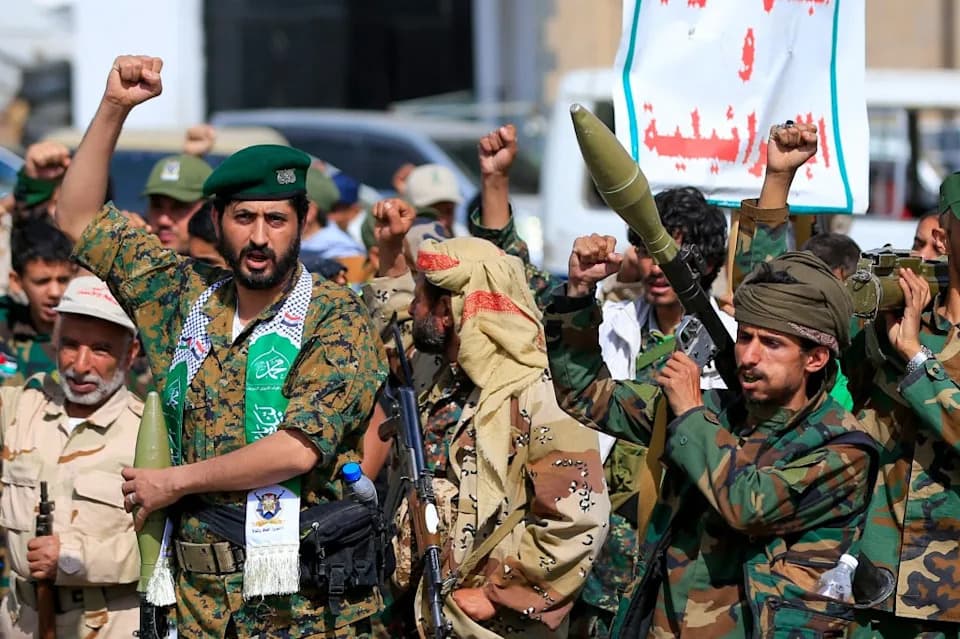
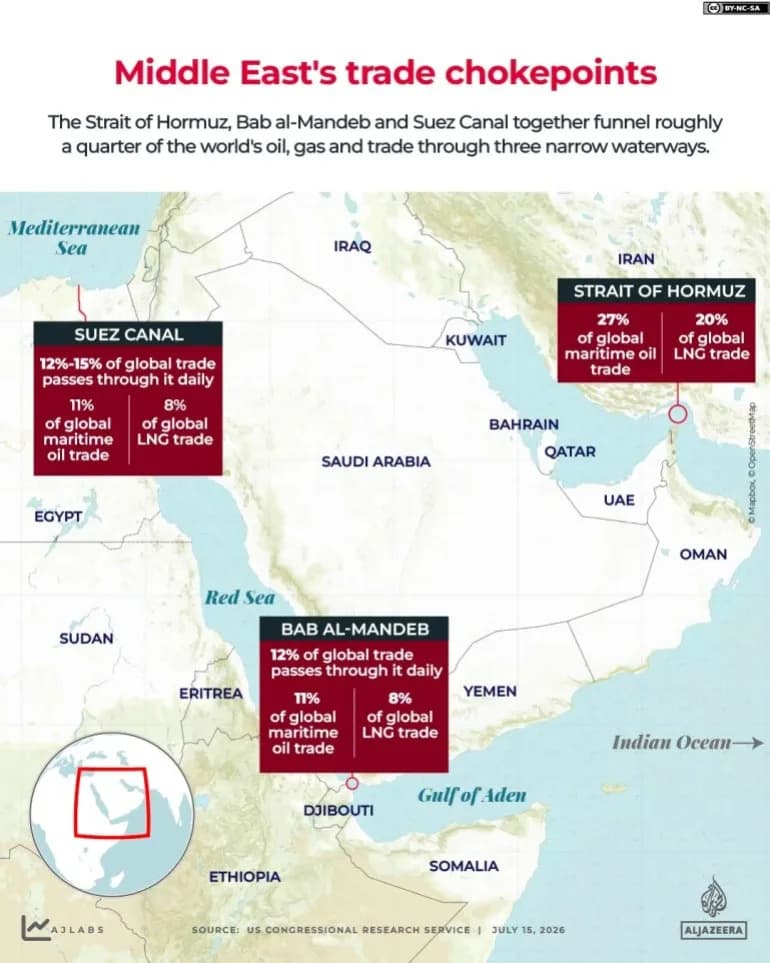
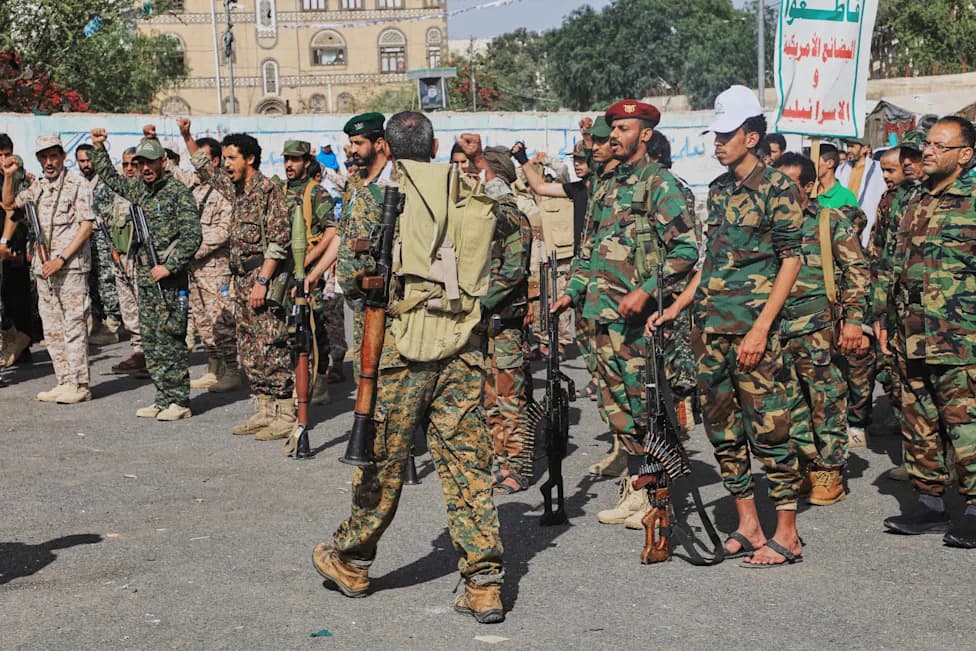
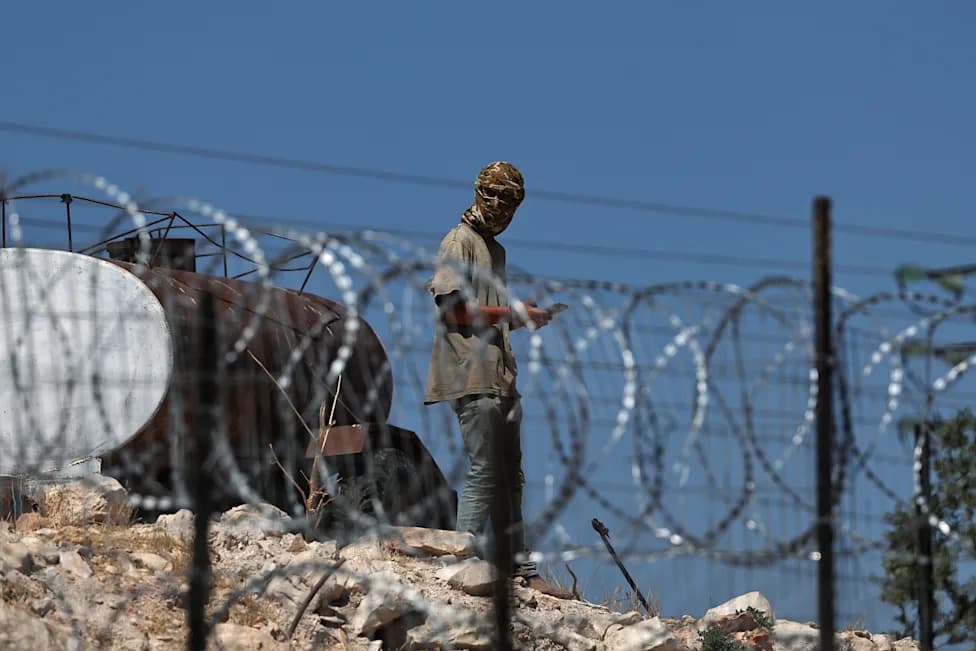
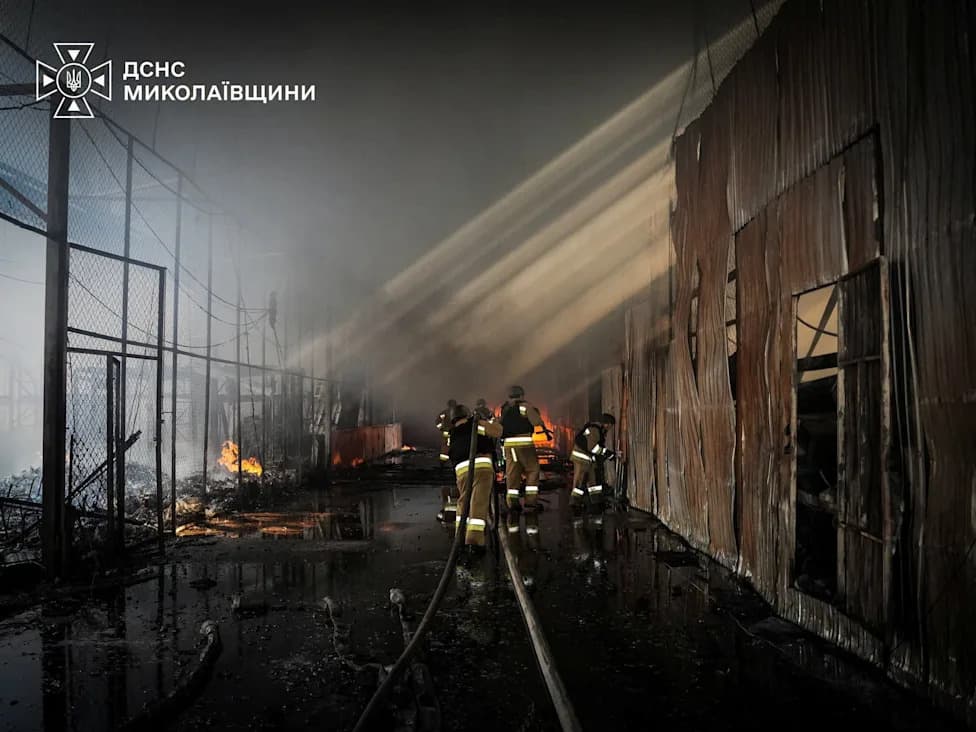
Over the past week Houthi forces in Yemen captured the Red Sea port of Mokha and seized three strategically positioned islands near the Bab el-Mandeb Strait, increasing their ability to disrupt maritime traffic to and from Saudi Arabia. An earlier strike, attributed by regional officials to Iran-aligned militias in Iraq, severely damaged Saudi Arabia’s largest East–West pipeline and is expected to keep it largely out of service for weeks—potentially removing several million barrels per day from the global market while repairs proceed.
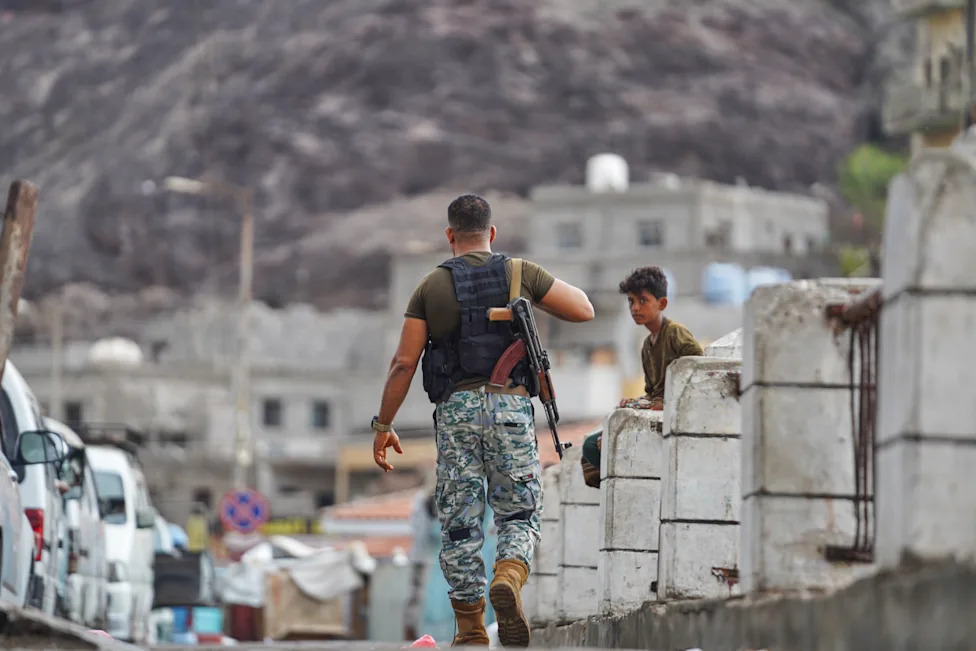
An armed man walks past a boy at the Sirah fish market in Aden, Yemen, Tuesday, Sept. 15, 2026. (AP Photo/Abdulnasser Alseddik)(AP Photo/Abdulnasser Alseddik)
Diplomatic Push Rather Than Military Pact
In Cairo, both leaders issued statements reaffirming their commitment to ensuring freedom of navigation in the Red Sea and through Bab el-Mandeb. Egypt’s government described the meeting as underscoring “Egypt’s unwavering position in supporting Saudi Arabia.” Neither side announced concrete military steps. Analysts say Egypt is more likely to offer diplomatic and political backing across the Arab world than to deploy troops, given the complexity and domestic sensitivity of any direct military involvement.
Broader Regional And Strategic Implications
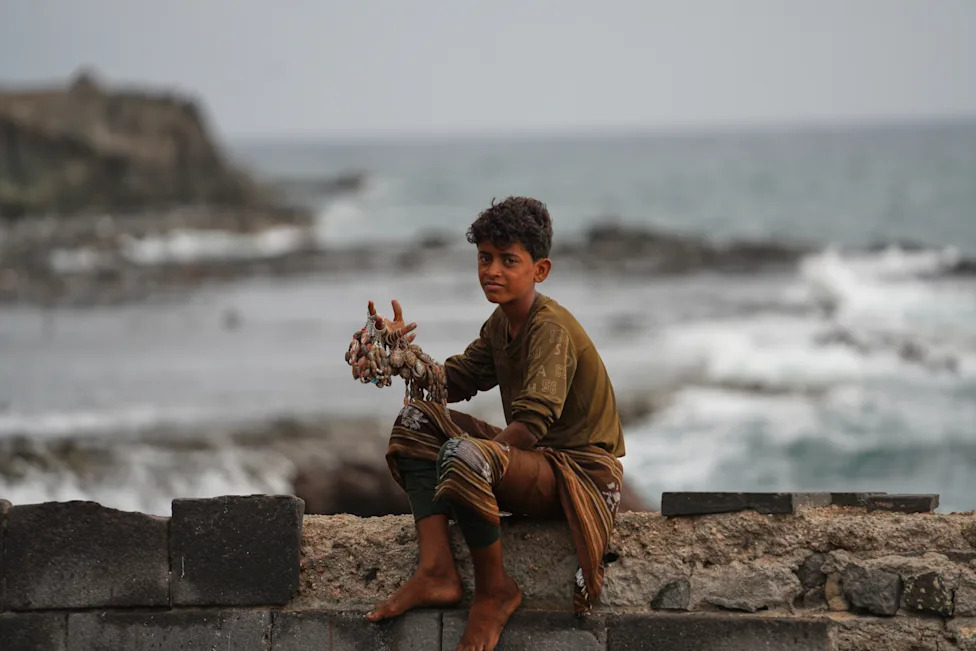
A boy displays seashells souveniers to sell at Sirah fish market in Aden, Yemen, Tuesday, Sept. 15, 2026. (AP Photo/Abdulnasser Alseddik)(AP Photo/Abdulnasser Alseddik)
The Houthi offensive opens a new front in a wider regional confrontation and bolsters Iran’s leverage, as Tehran’s proxies have also targeted shipping through the Strait of Hormuz. Disruptions to the East–West Pipeline and growing attacks on Red Sea routes threaten shipments that often transited the Suez Canal or an Egyptian pipeline to the Mediterranean—routes critical for deliveries to Asian buyers.
Alliances And International Response
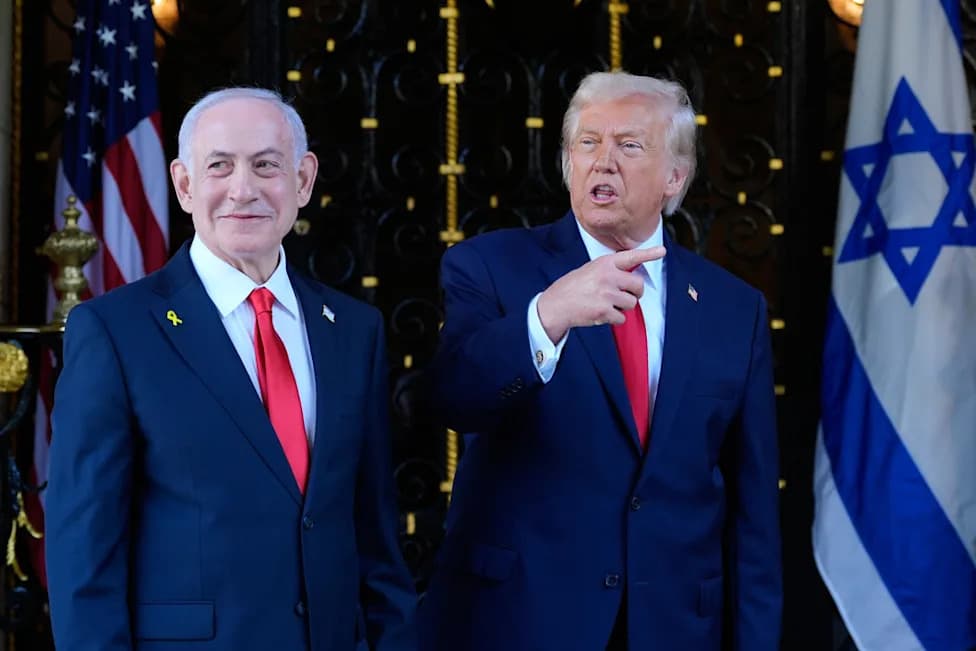
Saudi Arabia’s most important backer, the United States, has been described in reporting as uneven in its response; the article notes then-U.S. President Donald Trump appeared reluctant to widen an unpopular Middle East conflict. The United Arab Emirates has pulled back combat forces it once contributed to the Saudi-led coalition in Yemen, complicating Riyadh’s ability to assemble a broad military response.

Fishermen wait to catch fish near Sirah fish market in Aden, Yemen, Tuesday, Sept. 15, 2026. (AP Photo/Abdulnasser Alseddik)(AP Photo/Abdulnasser Alseddik)
Humanitarian Toll And Ground Situation
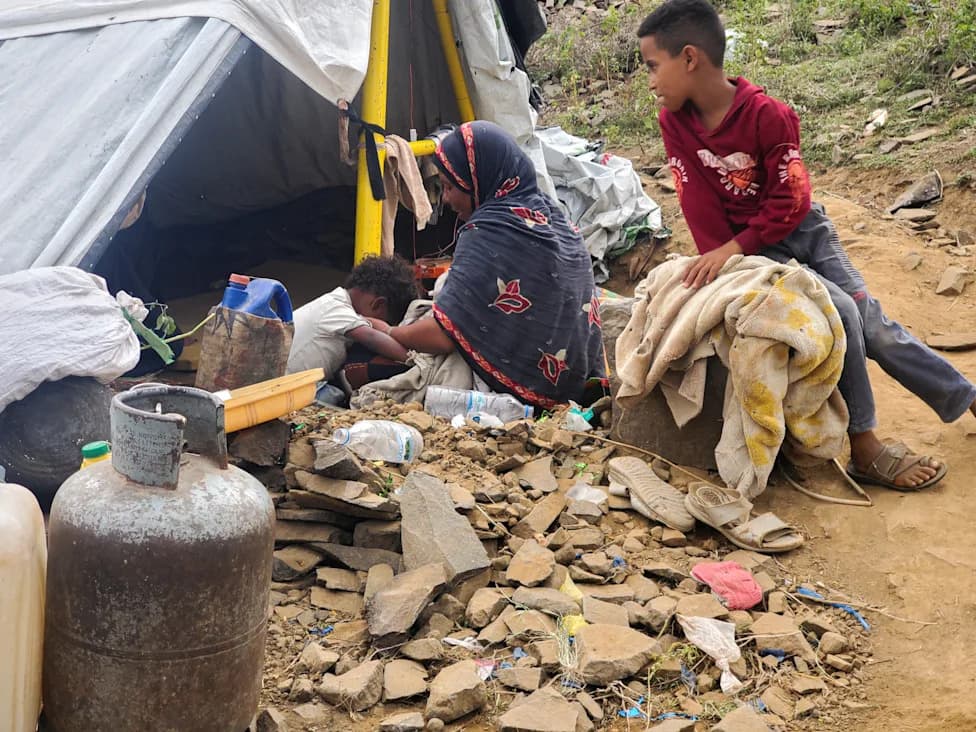
The renewed fighting has had a heavy human cost. The World Health Organization said more than 500 people were killed in one recent week, up from nearly 200 the prior week, and nearly 94,000 people have been displaced. Save the Children reported at least 117 civilian deaths between Aug. 1 and Sept. 9, including 19 children; it recorded 43 children killed or wounded in the first week of September alone. Houthi-controlled areas include Sanaa and much of the north and west of Yemen, while the internationally recognized government and allied forces hold the south and east, including Aden and key oilfields.
Choices Facing Riyadh
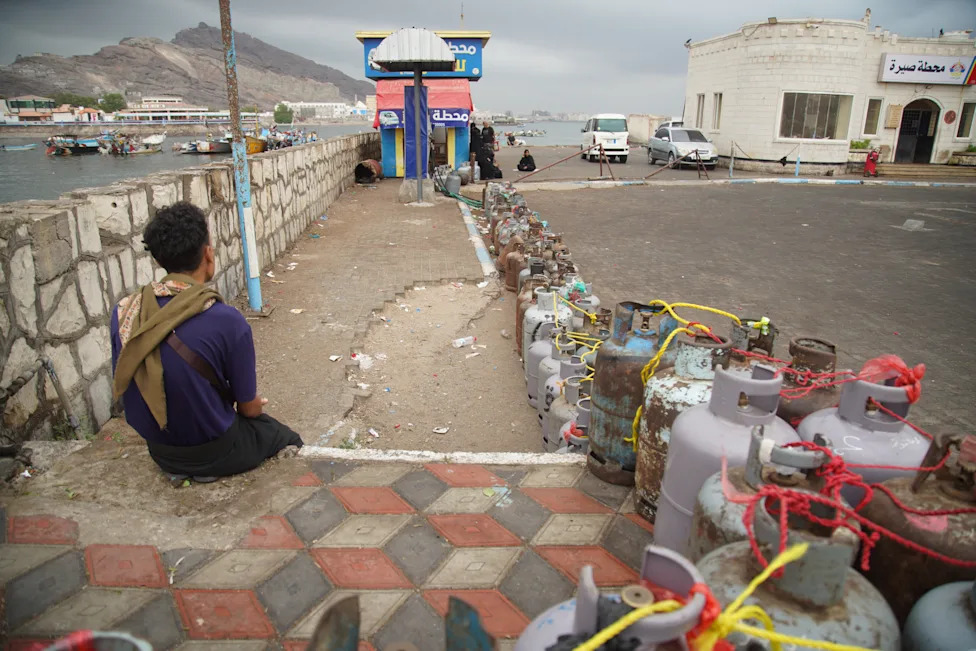
People fill their gas cans at a station in Aden, Yemen, Tuesday, Sept. 15, 2026. (AP Photo/Abdulnasser Alseddik)(AP Photo/Abdulnasser Alseddik)
Riyadh faces a difficult choice: escalate militarily and risk wider damage to oil infrastructure and deeper involvement in Yemen’s civil war, or press for a diplomatic coalition and other measures to reopen and secure maritime routes. Analysts such as H.A. Hellyer emphasize that regional political backing—rather than a new ground offensive—may be the immediate outcome of the Cairo talks.
Outlook
The situation remains fluid. Sirens and missile alerts in parts of Saudi Arabia underscore the continued threat of drone and missile strikes. Any sustained closure or severe disruption of Bab el-Mandeb could force rerouting of tanker traffic, drive up insurance and shipping costs, and add volatility to global oil prices while worsening Yemen’s already dire humanitarian crisis.
Help us improve.