Preclinical research published in Science found that two oral doses of psilocybin given before chemotherapy prevented peripheral neuropathy in mice across six treatment cycles and an eight-month follow-up. The compound did not affect tumor growth or immune response, and both hallucinogenic and non-hallucinogenic forms showed similar protection. Human trials beginning this month will test a four-dose regimen in patients with breast, colorectal and head and neck cancers and will track quality-of-life measures.
Psilocybin May Prevent Chemotherapy-Induced Nerve Damage in Mice — Human Trials Start Soon
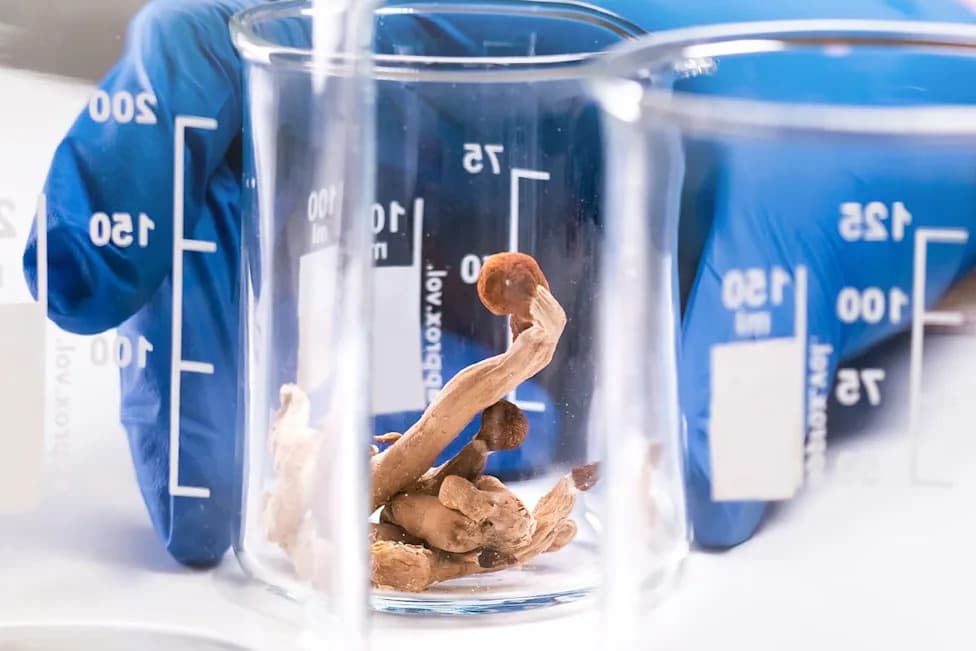
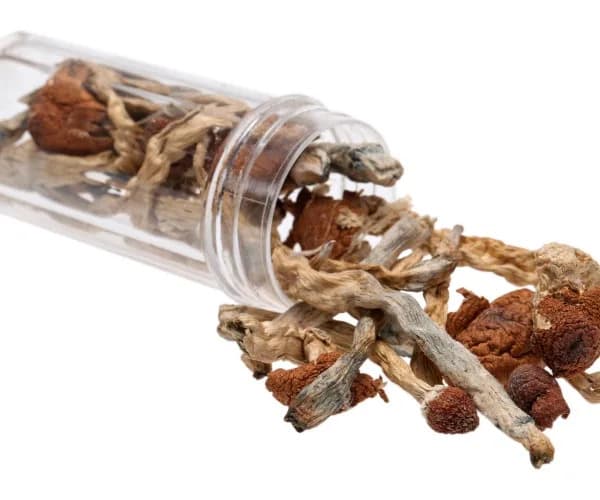
Psilocybin in a glass beaker (stock image).Credit: Getty
Early-stage research suggests that psilocybin, the active compound found in so-called "magic mushrooms," may protect against chemotherapy-induced peripheral neuropathy. A study published in Science on Sept. 3 reports that prophylactic oral doses of psilocybin prevented nerve pain in mice undergoing neurotoxic chemotherapy, and human trials are planned to begin this month.
What the Study Found
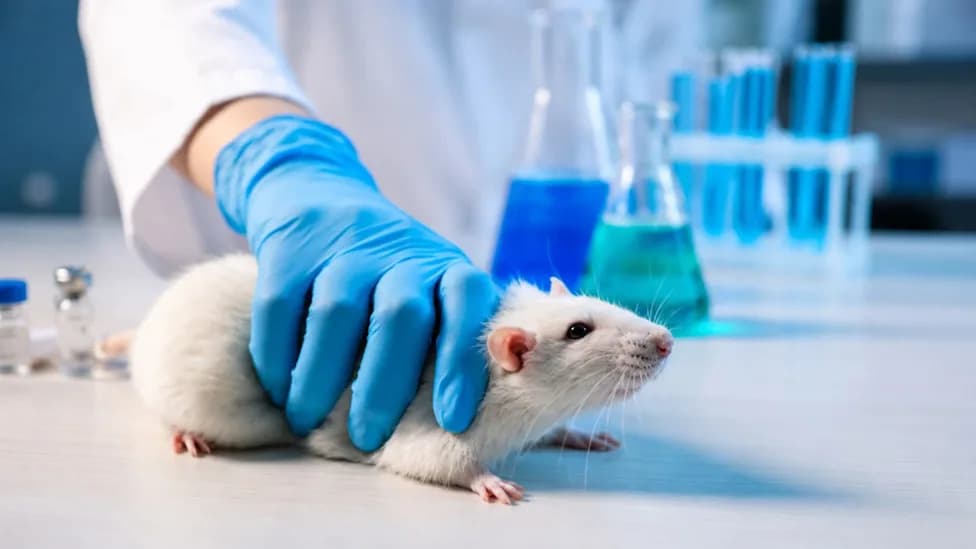
In the experiments, mice were given two oral doses of psilocybin before receiving chemotherapy. Those pre-treatment doses averted "pain hypersensitivity caused by neurotoxic chemotherapies," and the protective effect persisted through six consecutive chemotherapy cycles and across the eight-month observation period.
Researchers also observed that psilocybin did not alter tumor growth or the animals' immune responses — an important safety signal that suggests the compound might be compatible with cancer treatment without undermining its effectiveness. Importantly, both hallucinogenic and non-hallucinogenic variants of the compound produced comparable protective effects, indicating the benefit may be separable from its psychedelic action.
What This Means For Patients
Peripheral neuropathy — nerve damage outside the brain and spinal cord — can cause numbness, loss of reflexes, impaired movement and chronic pain, and is a common, often disabling complication of some chemotherapy regimens (Cleveland Clinic). The mouse results raise the possibility that a short, prophylactic psilocybin regimen could reduce that risk for patients, potentially improving quality of life during and after cancer treatment.
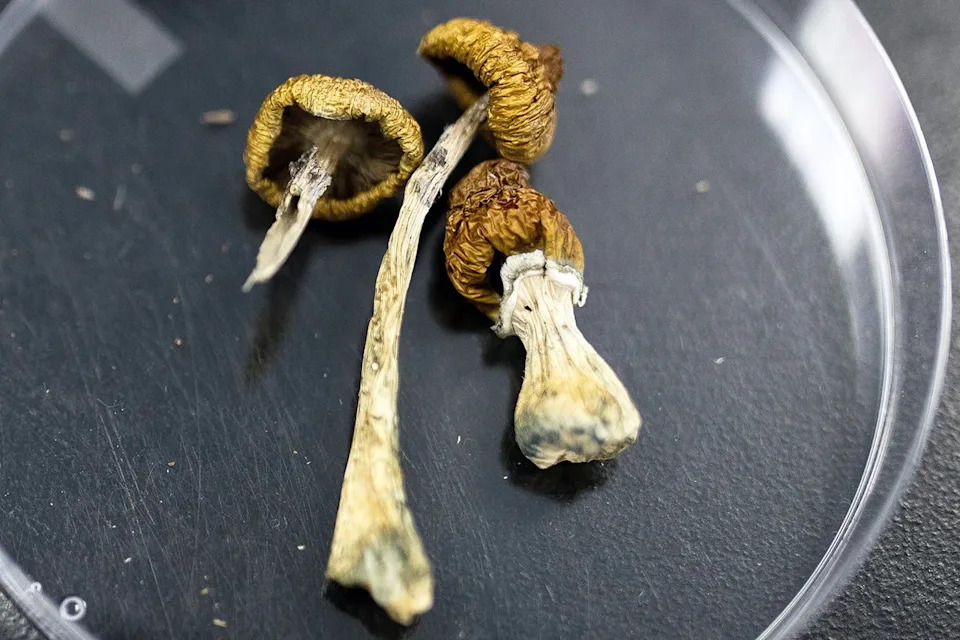
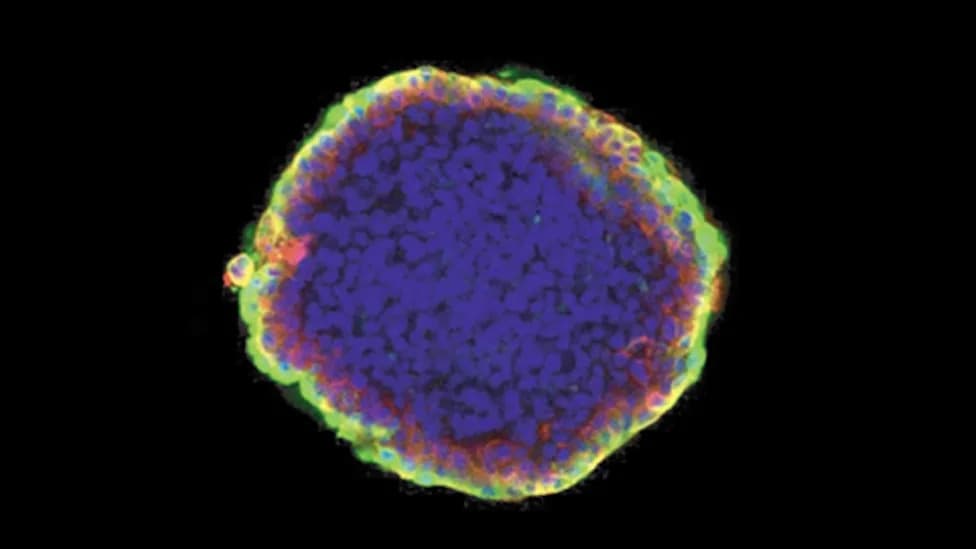
Psilocybin in a petri dish (stock image).Credit: James MacDonald/Bloomberg via Getty
Human Trials And Next Steps
According to the National Library of Medicine's clinical trials registry, the first human studies will test whether psilocybin prevents neuropathy in people with breast, colorectal and head and neck cancers. Unlike the mouse protocol, the planned clinical trial will administer four doses in total — two doses before chemotherapy begins and two during treatment — and will measure outcomes such as sleep, mental health, pain and physical functioning.
Important Caveats
These are preclinical results in rodents and do not guarantee the same effects in humans. It remains unknown whether psilocybin can treat or reverse existing neuropathy once it has developed. Researchers will need to confirm safety, optimal dosing, timing and mechanisms in clinical trials before any changes to standard care are recommended.
Legal And Research Context
Psilocybin has attracted attention recently for potential therapeutic uses in depression, anxiety and addiction (Johns Hopkins Medicine). In the United States, regulated medical use is currently limited to programs in Oregon and Colorado; psilocybin remains illegal under federal law (The Psychedelic Journal).
Bottom line: A robust mouse study found that brief, prophylactic dosing of psilocybin prevented chemotherapy-induced nerve pain without affecting tumor growth or immune function. Human trials starting this month will test whether a similar approach can safely reduce neuropathy risk in cancer patients.
Help us improve.