Patients and researchers are challenging standard FDA dosing for some cancer drugs, arguing that lower doses or shorter courses of immunotherapies may reduce toxic side effects and cut costs. Small studies (including Indian reports of ultra-low nivolumab dosing), VA pilots and emerging European and ASCO-led trials suggest potential benefits, but randomized comparisons with standard regimens are rare. Financial incentives, regulatory constraints and legal concerns slow post-approval dose-optimization; Project Optimus and several funded trials aim to fill the evidence gap.
Are Cancer Drug Doses Too High? Patients and Researchers Push for Smarter, Safer Dosing
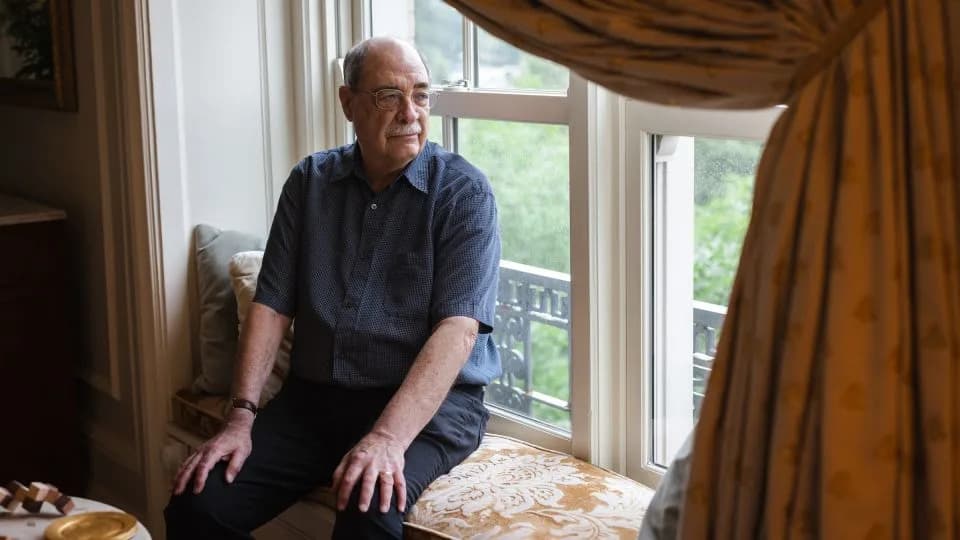
Chuck Manski, an economist at Northwestern University, at home in Chicago. His cancer doctor couldn't provide him with clear evidence that a year of immunotherapy was better than six months on the drug. "There is incredible uncertainty in drug dosing," he says. - Taylor Glascock for KFF Health News
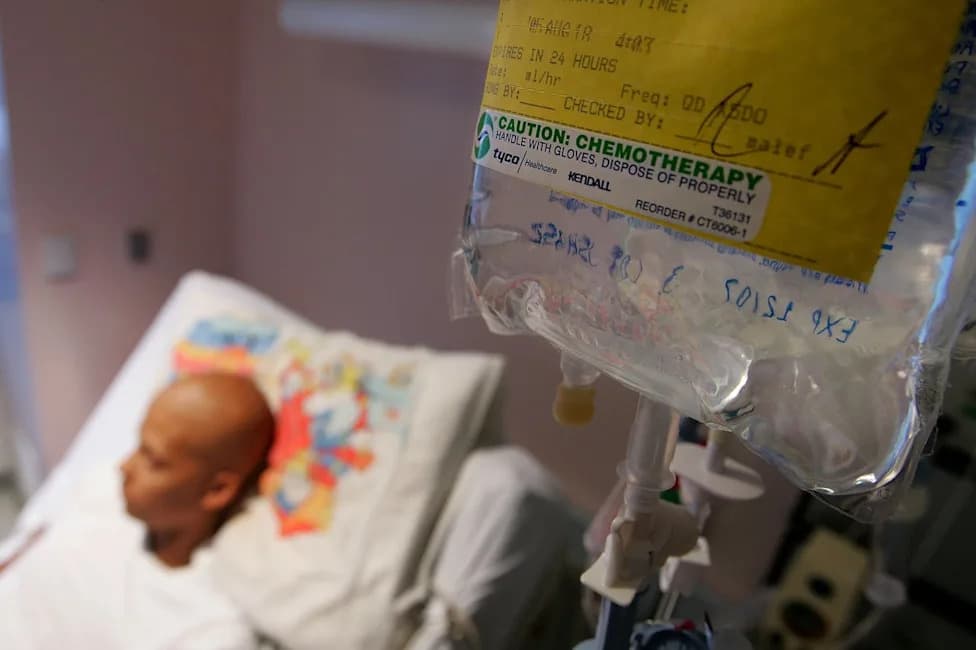
Patients, clinicians and researchers are increasingly questioning whether FDA-approved doses and durations for some cancer drugs — particularly immunotherapies — are higher than necessary. New data, small trials and real-world experience suggest that lower or shorter courses could reduce toxic side effects, improve quality of life and lower costs without sacrificing effectiveness. But financial incentives, regulatory limitations and legal concerns have slowed post-approval dose-optimization research.
Patient Experiences Drive the Debate
Northwestern economist Chuck Manski, who studies decision-making under uncertainty, faced that dilemma after nivolumab (Opdivo) left him with severe autoimmune side effects. The FDA label recommended a year of treatment; his oncologist said only, 'It’s FDA-approved, so that’s what we use.' With no detectable cancer and debilitating side effects, Manski stopped after six months based on his review of the literature.
'There is incredible uncertainty in drug dosing,' Manski said, explaining why he joined a loose network of patients and clinicians calling for more dose-ranging studies.
Evidence and Experiments Around the World
Some clinicians abroad have already adopted lower or less frequent dosing. In India, small studies reported meaningful responses to nivolumab at one-sixth to one-twelfth of labeled doses, compared with older chemotherapy — often with fewer side effects. European investigators have favored more conservative reductions: Utrecht University is testing nivolumab regimens up to 50% lower for lung cancer.
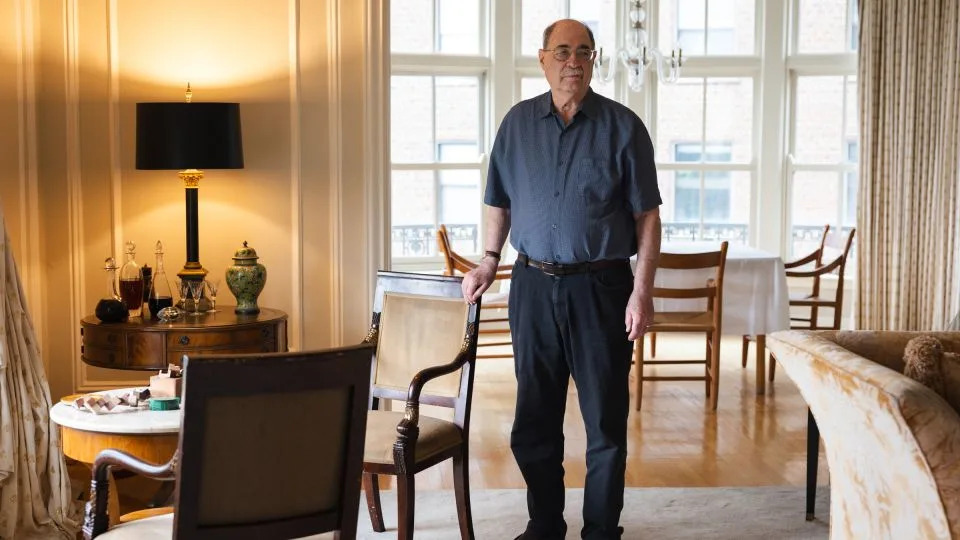
Chuck Manski's research, focused on how people deal with conditions of uncertainty, helped him decide whether to stay on a melanoma treatment after it caused severe side effects. - Taylor Glascock for KFF Health News
In the U.S., initiatives include ASCO-led trials testing multiple lower nivolumab dose levels and a Dana-Farber study evaluating whether some patients can stop pembrolizumab after 27 weeks instead of completing a full year. The Veterans Health Administration piloted spacing pembrolizumab doses less frequently across three hospitals and saved about $1.5 million, while freeing infusion capacity and reducing travel burdens for veterans.
Why Dose-Optimization Is Rare
After approval, few stakeholders benefit from proving lower doses work. Pharmaceutical companies set prices and profit from volume; hospitals and some clinics earn revenue tied to drug payments and discount programs. For example, Merck reported nearly $32 billion in pembrolizumab sales last year, and Bristol Myers Squibb earned roughly $10 billion from nivolumab — figures that illustrate why the status quo is entrenched.
Other systemic features create barriers: the 340B program lets qualifying hospitals buy drugs at discounts while charging insurers higher amounts; Medicare reimburses clinicians roughly 6% above average drug price per infusion; and insurers and rebate structures are often calibrated to labeled doses. Clinicians sometimes face insurer pushback or legal concerns when prescribing off-label lower doses.
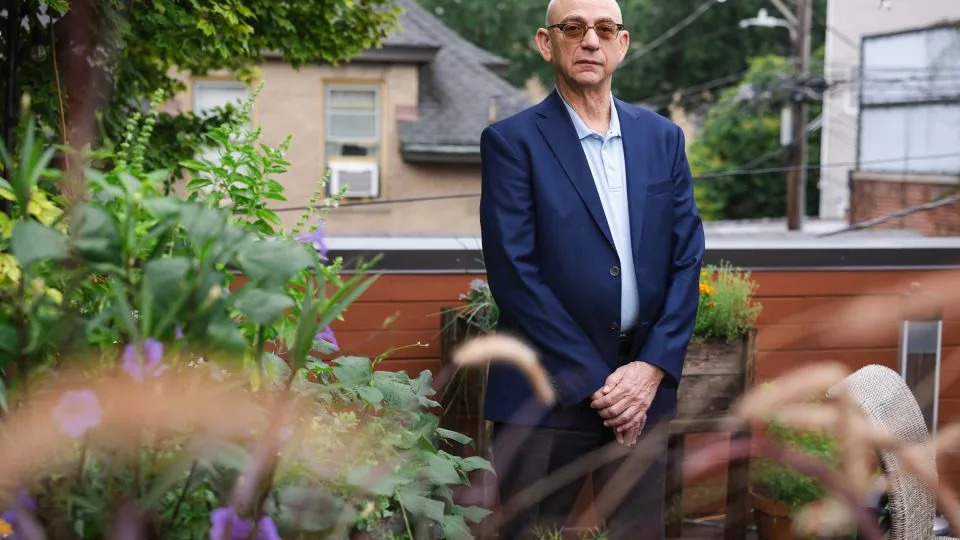
Mark Ratain, a University of Chicago oncologist and clinical pharmacologist, at his Chicago home. Ratain battles what he sees as unnecessarily high dosages of high-cost cancer drugs such as Keytruda and Opdivo. - Taylor Glascock for KFF Health News
Regulatory Moves And Ongoing Trials
Regulators and professional groups are responding. The FDA launched Project Optimus in 2021 to encourage better dose-finding before pivotal trials; in 2024 it issued nonbinding guidance promoting more rigorous dosing studies and has approved some lung cancer drugs after evaluating multiple regimens. ASCO and the Patient-Centered Outcomes Research Institute are funding trials to test lower starting doses and shorter durations for agents such as Kisqali, Ibrance and Verzenio.
Human Costs And The Case For More Research
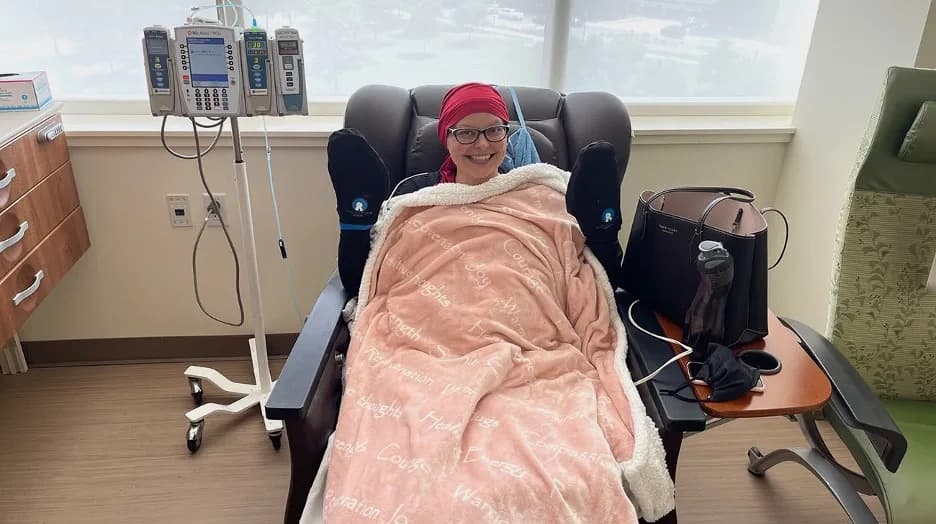
Patients describe devastating side effects and financial strain. Allegra Warfield faced severe toxicity and catastrophic bills after coverage stopped; Kelly Shanahan, a former OB-GYN, developed debilitating neuropathy on Ibrance and regained function after dose reduction. Advocates argue that dose-reduction data may already exist in trial datasets and post-market studies, and that governments or independent funders should step in if manufacturers will not.
Bottom line: There is growing, evidence-driven momentum to study whether many cancer drugs can be given at lower doses or for shorter periods without losing benefit. Doing so could improve patients' quality of life and reduce health-system costs, but robust randomized trials and transparent data sharing are needed to settle the question.
Help us improve.