Overview: Iranian authorities have publicised arrests of alleged pro-monarchy networks and reported clashes with small armed cells as part of a broader national security narrative during the war era. The largest non-state armed threats come from Kurdish fighters near the Iraq border and Baloch separatists in the southeast. Analysts warn that outside support for these groups, combined with deepening economic distress and inflammatory foreign rhetoric, could increase the risk of renewed domestic unrest.
Inside Iran: Arrests, Kurdish and Baloch Militias, and the Rising Risk of Domestic Unrest
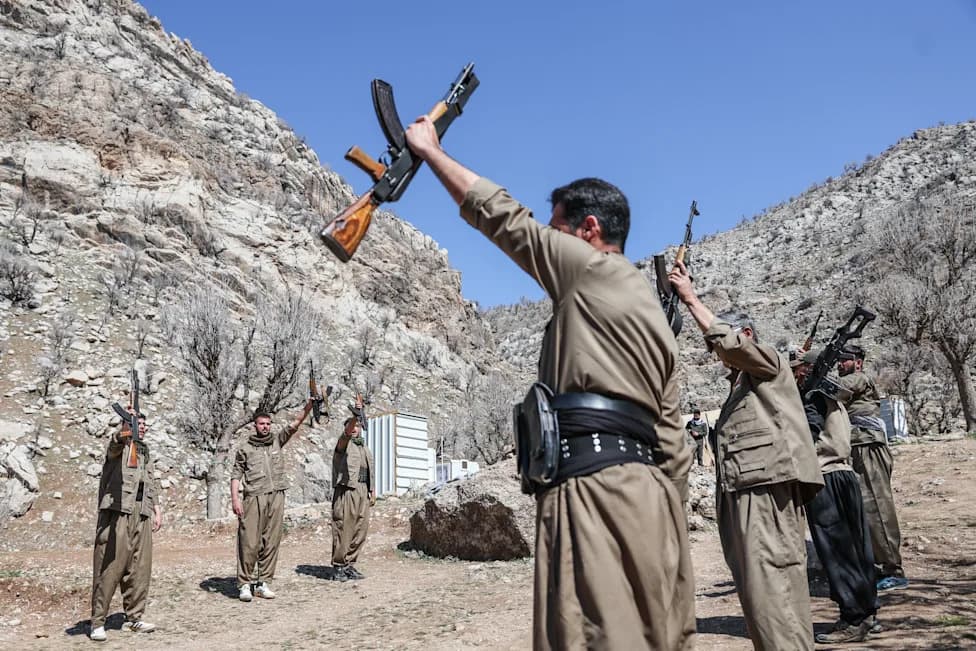
Members of Komala of the Toilers of Kurdistan, a Kurdish-Iranian dissident group, are seen at their military bases hidden among the mountains on March 12, 2026 in Khalifan, Erbil Province, Iraq [File: Sedat Suna/Getty Images]
Iranian authorities have publicly highlighted a series of arrests and clashes with small armed cells inside the country as well as skirmishes with militant groups along its land borders, framing these events as part of a larger national security challenge amid the ongoing war with Israel and heightened tensions involving the United States.
Pro-Monarchy Arrests and Domestic Crackdown
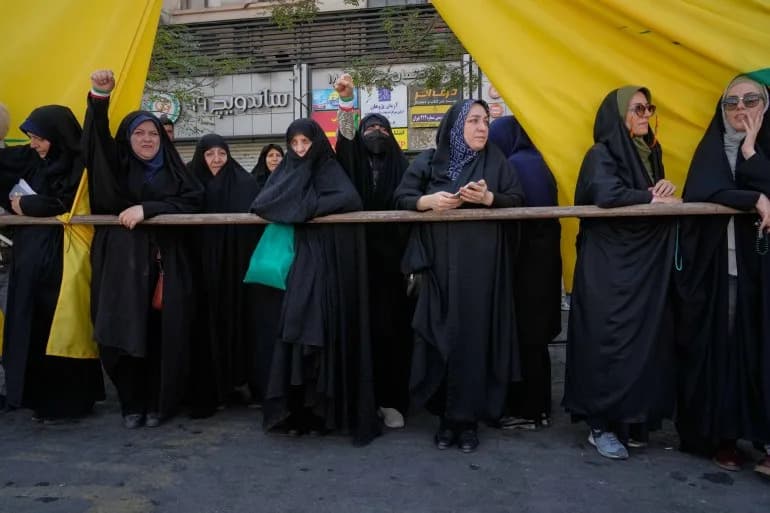
State media and security services recently announced the detention of an alleged eight-member network accused of links to "anti-revolutionary" and pro-monarchy circles. The Islamic Revolutionary Guard Corps (IRGC) in Fars province said suspects used Molotov cocktails and burned tyres during nationwide demonstrations in January. The Intelligence Ministry also reported detaining 111 so-called "monarchist cells" across 26 provinces on March 18.
Senior Iranian officials have warned of further protests as public discontent grows amid soaring inflation and economic hardship. During the January unrest — and across social media — some Iranians expressed support for restoring the monarchy that was toppled in the 1979 Islamic Revolution. Reza Pahlavi, the exiled son of the last Shah, urged nationwide strikes and protests in January; authorities say thousands are believed to have been killed during the unrest.
Kurdish and Baloch Armed Groups
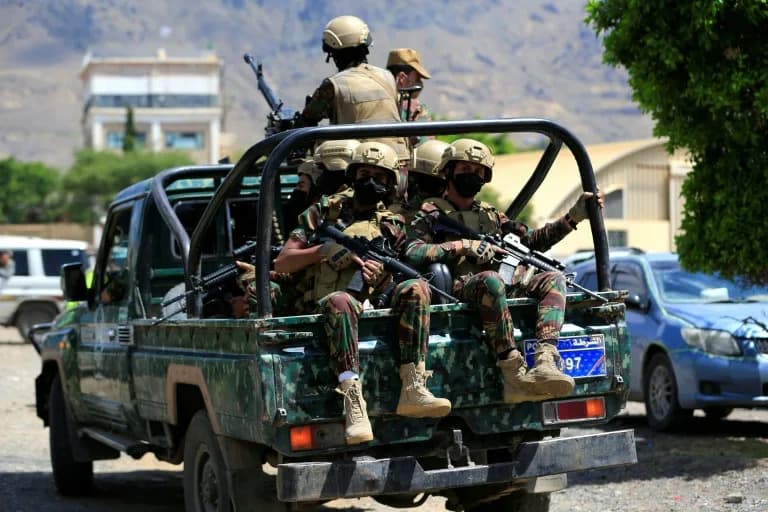
Outside the politically motivated arrests, Iran’s largest non-state armed threats are ethnic insurgent groups. Kurdish fighters based near the Iraqi border — including organisations identified by Tehran as the Kurdistan Free Life Party (PJAK), the Democratic Party of Iranian Kurdistan (PDKI), and the Kurdistan Freedom Party (PAK) — have long operated from the semi-autonomous Kurdistan Region of northern Iraq. Iranian forces have struck their bases in Iraq, and Tehran has pursued security arrangements with Baghdad to limit cross-border activity.
Reuters reported in early March that some Kurdish groups had roughly 5,000–8,000 fighters reportedly preparing for a potential cross-border operation and had held discussions with U.S. and Israeli representatives. The groups, however, said they lacked sufficient weaponry and had not received a clear green light from Washington; the planned operation was not launched. By April, the IRGC had reinforced troops in border provinces.
In Iran’s southeast, Baloch separatist groups such as Jaish al-Adl have continued sporadic attacks. In late August, security forces said they dismantled a Jaish al-Adl cell, killing one fighter, detaining six, and seizing weapons and explosives. Sporadic violence has at times targeted police and IRGC personnel.
External Support, Escalation Risks and International Rhetoric
Analysts warn that increased external support for Kurdish and Baloch militants could intensify Tehran’s security challenges. Alex Vatanka, senior fellow at the Middle East Institute, told Al Jazeera that Tehran would likely treat any substantial outside backing for ethnic militias as an existential threat in the current wartime context. Trita Parsi, co-founder of the Quincy Institute, argued that separatist militias are not presently an existential threat to the regime but could become highly problematic if the conflict escalates and outside actors accept greater military risks.
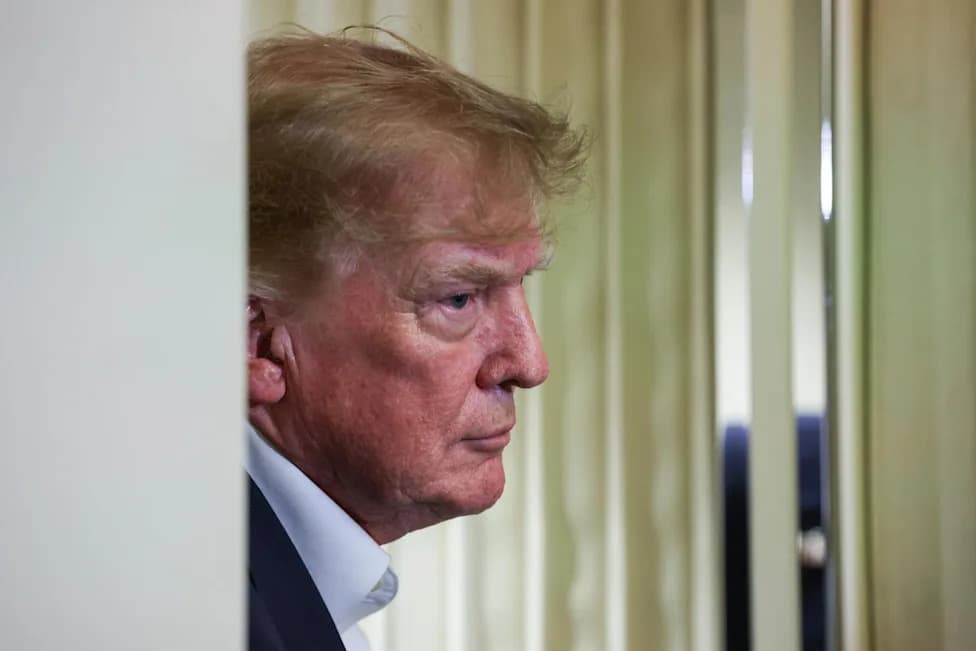
Public rhetoric from some U.S. and Israeli officials in the opening months of the war — including comments by former U.S. President Donald Trump and Israeli Prime Minister Benjamin Netanyahu about pressuring or overturning Iran’s ruling system — has added to tensions. U.S. officials and commentators have at times suggested that economic pressure, sanctions, and naval blockades might spark further unrest inside Iran. A U.S. official quoted in reporting warned that severe economic strain and political pressure could prompt renewed protests or even create divisions within Iran’s security apparatus.
Outlook
Tehran says it will continue to strengthen border controls and internal security measures to limit the influence of armed groups. However, analysts caution that a combination of sustained external pressure, increased backing for ethnic militants, and worsening domestic economic conditions could widen Iran’s security challenges and raise the risk of renewed mass protests.
Help us improve.