Annie Andrews, a Mount Pleasant pediatrician who lost a House race by 14 points, is running for the U.S. Senate in South Carolina after Lindsey Graham's unexpected death and the GOP’s bruising August runoff that produced nominee Darline Graham. Andrews’ campaign has reported $10.8 million raised this cycle and $1.2 million in the six days after the runoff, and she is betting on independents, suburban women and stronger Black turnout to overcome the state's Republican lean. National Democrats have been cautious, while Republicans are poised to coordinate significant support for their nominee. The race hinges on turnout dynamics, GOP divisions and whether Andrews can convert early momentum into durable advantage.
Annie Andrews Seeks Upset: Can She Flip South Carolina’s Red Senate Seat?
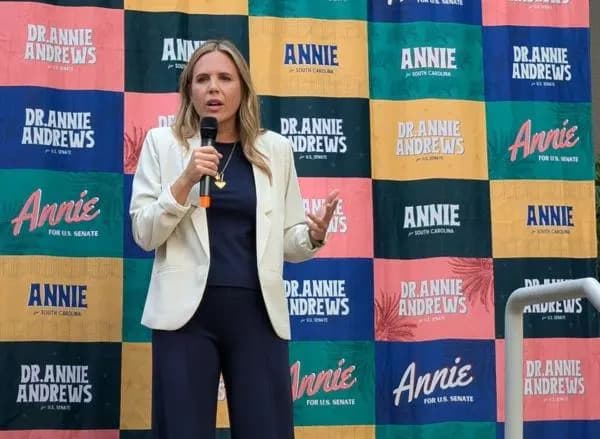
Annie Andrews speaks to supporters in Columbia on the first stop of her "Grits, Gas and Groceries" tour on Sept. 2, 2026. Andrews is running against Republican nominee Darline Graham in November's election for the U.S. Senate seat vacated by the late Sen. Lindsey Graham after his death on July 11. Nick Reynold/Staff
COLUMBIA — Annie Andrews never expected to be where she is today. More than 1,763 days after launching a challenge to Republican Nancy Mace for South Carolina’s 1st Congressional District — a campaign that ended a year later in a decisive 14-point loss — Andrews has reset her sights on a higher prize: the U.S. Senate.
From House Loss To Senate Bid
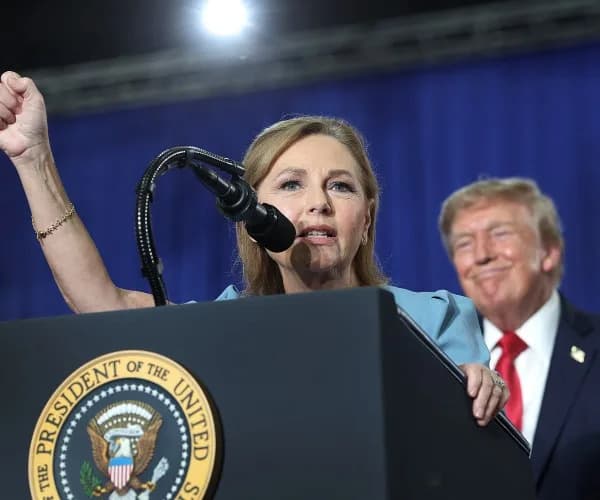
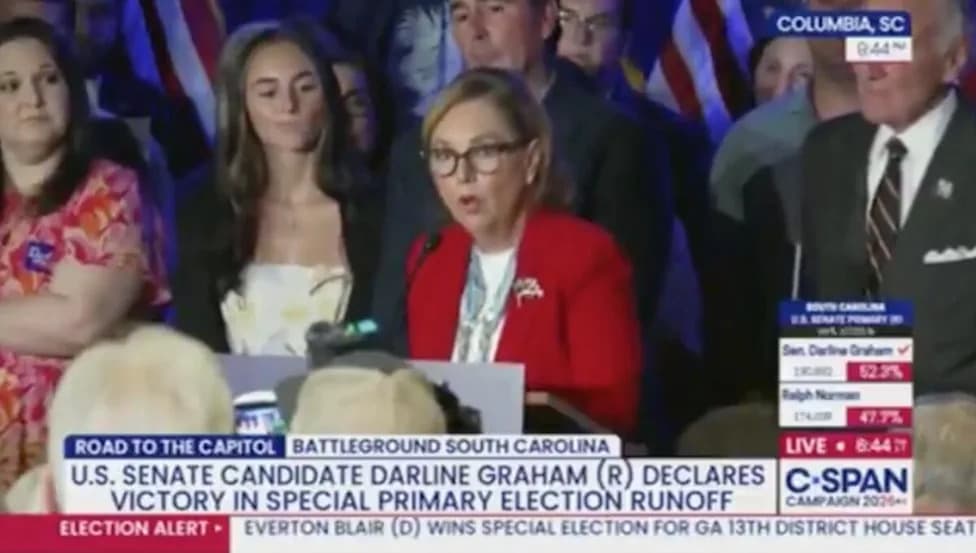
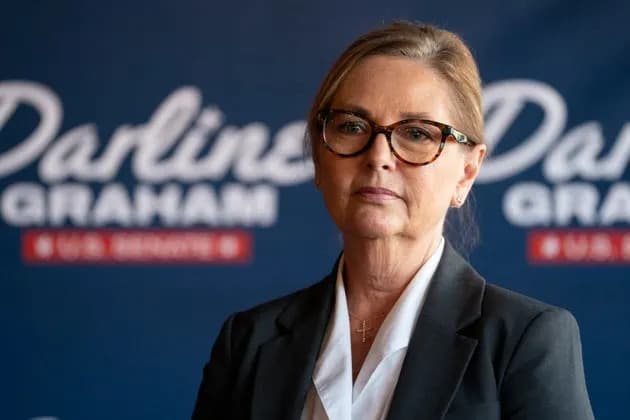
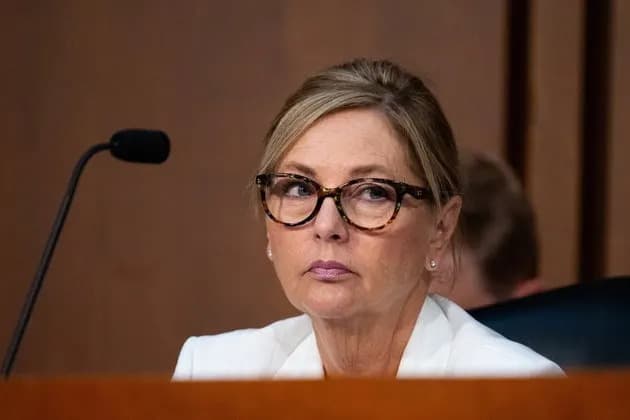
After the congressional defeat, Andrews stayed active in politics, forming a political action committee and maintaining a public profile. Early last year she announced a run for the Senate — a contest that, following the unexpected death of incumbent Lindsey Graham from a torn aorta in July, has taken on new dynamics. The Republican primary to replace Graham produced a bruising, expensive August flash primary that culminated in his sister, Darline Graham, winning an Aug. 25 runoff over U.S. Rep. Ralph Norman.
A Shifting Playing Field
The chaotic nomination fight and intense media attention opened a window for Andrews. Polls released after the runoff placed her within single digits — levels Democrats in South Carolina have not seen in more than a decade. Andrews reported raising $1.2 million in the six days immediately after the runoff, and her campaign has reported $10.8 million raised this cycle, with roughly $6.7 million spent by the start of summer.
“When I got in the race, I acknowledged there was an existent but very narrow path to victory,” Andrews told The Post and Courier. “I knew it was going to be a unique political moment.”
Money, Momentum And National Calculus
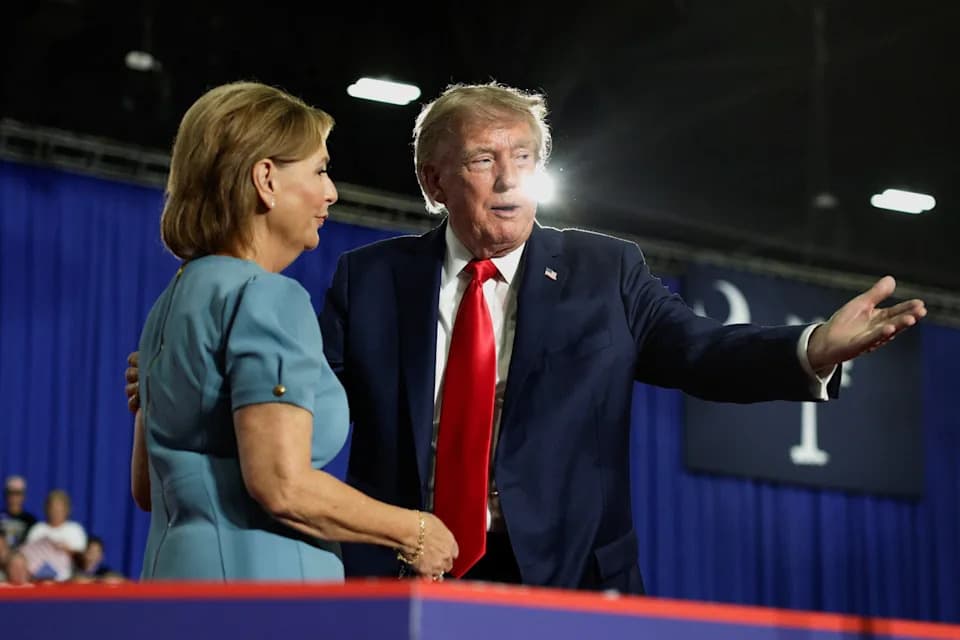
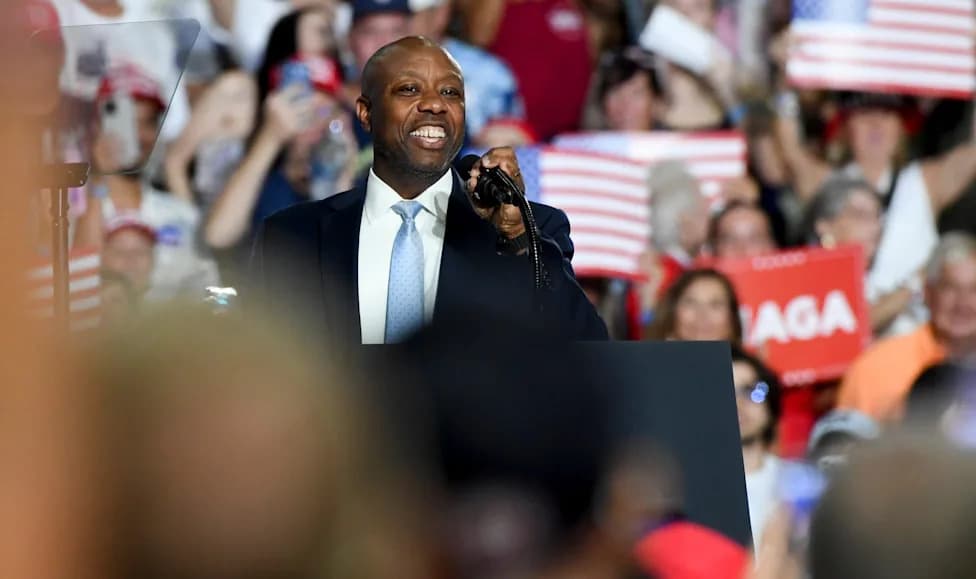
National players have been cautious. Major Democratic groups, including Schumer-aligned Senate Majority PAC, say they are watching the race closely but have not yet poured in major resources. Republicans, meanwhile, have powerful infrastructure ready to defend the seat: the National Republican Senatorial Committee — led by Sen. Tim Scott — formally endorsed Darline Graham and plans coordinated support, aided by a recent Supreme Court ruling that permits closer coordination between parties and campaigns. Outside conservative groups, including MAGA Inc., spent roughly $800,000 late in the runoff to back Darline Graham.
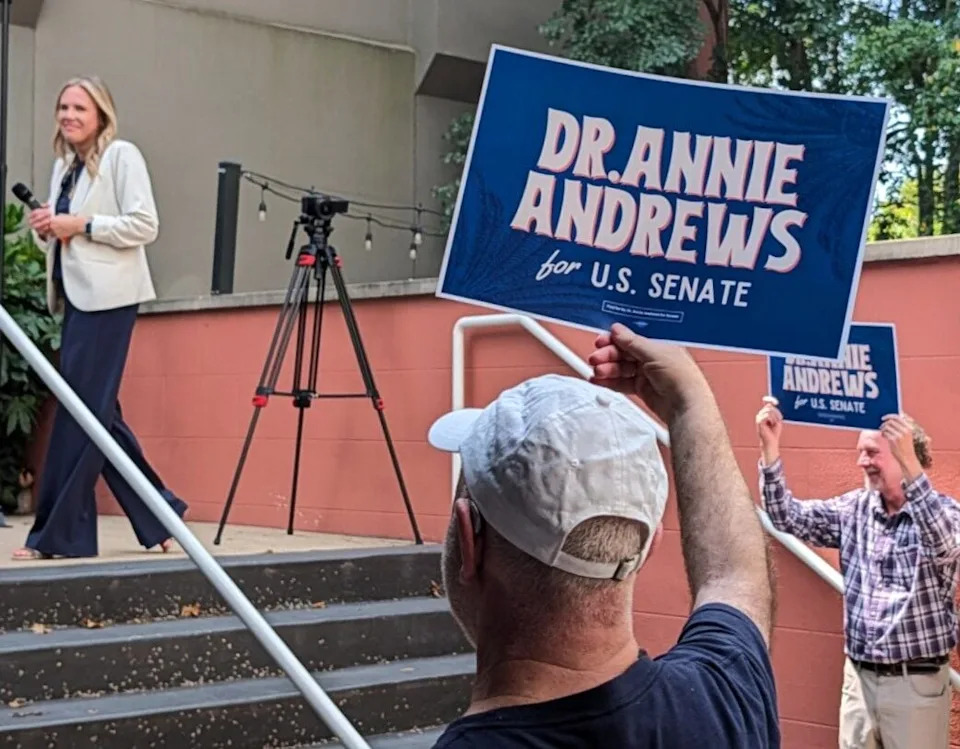
A supporter lofts a sign supporting Annie Andrews on the first stop of her "Grits, Gas and Groceries" tour on Sept. 2, 2026, in Columbia. Nick Reynolds/Staff
Andrews’ team argues the race is winnable based on shifting dynamics: stronger-than-usual early Democratic voting during the primaries, polling suggesting large independent support for Andrews in hypothetical matchups, and visible fractures inside the GOP following the runoff. A memo from 314 Action cited early ballots showing Democrats ahead of Republicans heading into primary day, 188,006 to 131,574 — a figure Democrats point to as evidence of energized turnout.
Campaign Themes And Voter Targets
Andrews has emphasized her background as a Mount Pleasant pediatrician and mother of three, running television ads focused on affordability and health-care access. Her campaign has framed culture-war attacks — such as pro-Graham ads labeling Andrews “radical” over her positions on transgender youth and abortion — as distractions from economic and health-care issues her campaign wants to foreground.
Andrews is targeting three voter blocs she believes will decide the race: independents, suburban women and Black voters. Democratic strategists say an effective coalition of disaffected Republicans, energized Black turnout, and suburban moderates could replicate the narrow coalition that briefly flipped the coastal 1st Congressional District in 2018.
Outlook
Despite the momentum, most national Democrats remain focused on what they view as more favorable pickup opportunities. Andrews has prepared to compete without large-scale national help, while acknowledging Republicans are likely to spend heavily to defend the seat. The race now hinges on whether the post-runoff dynamics — GOP divisions, independent sentiment, and turnout synergies with other statewide Democratic candidates — produce an uncommon opportunity in a state that has been reliably Republican for statewide contests for more than a decade.
Key numbers: $1.2 million raised in six days after the GOP runoff; $10.8 million raised this cycle with roughly $6.7 million spent entering summer; 314 Action memo early-ballot figures 188,006 (D) vs. 131,574 (R); outside conservative spending roughly $800,000 late in the runoff.
Help us improve.