During a 2024 walk in the Kutnohorsk Region, a woman found a broken ceramic vessel containing more than 2,150 medieval silver denarii, about 900 years old. Experts from an archaeological institute and the Czech Museum of Silver called the find one of the decade's most important. The coins were likely buried in the early 12th century amid Přemysl dynasty disputes; curators plan to register, conserve and possibly exhibit the hoard by summer 2025.
Woman's Walk Uncovers 900-Year-Old Hoard of 2,150+ Medieval Silver Coins in Czech Countryside
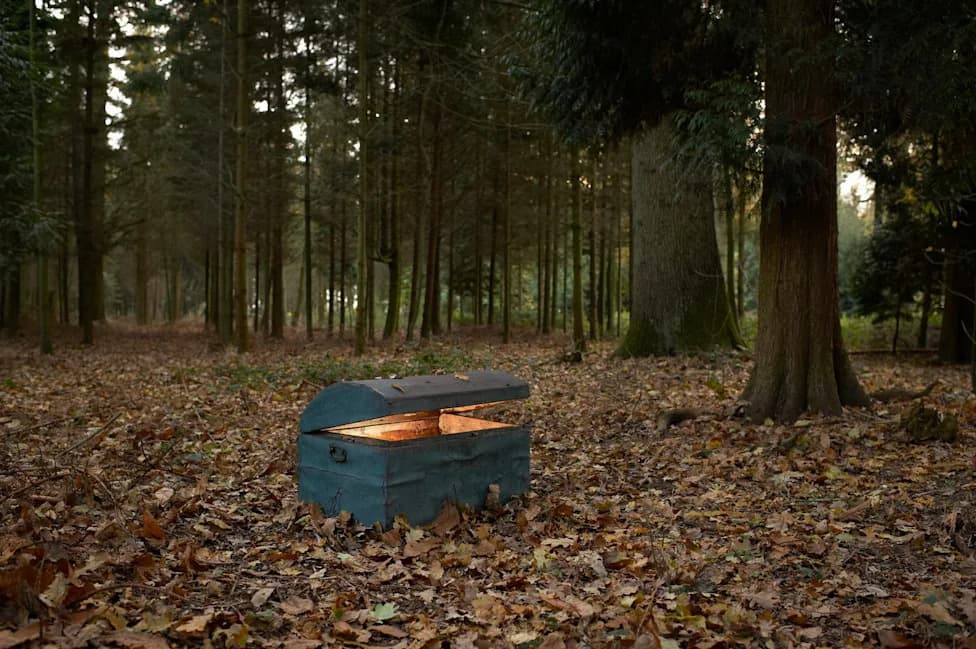
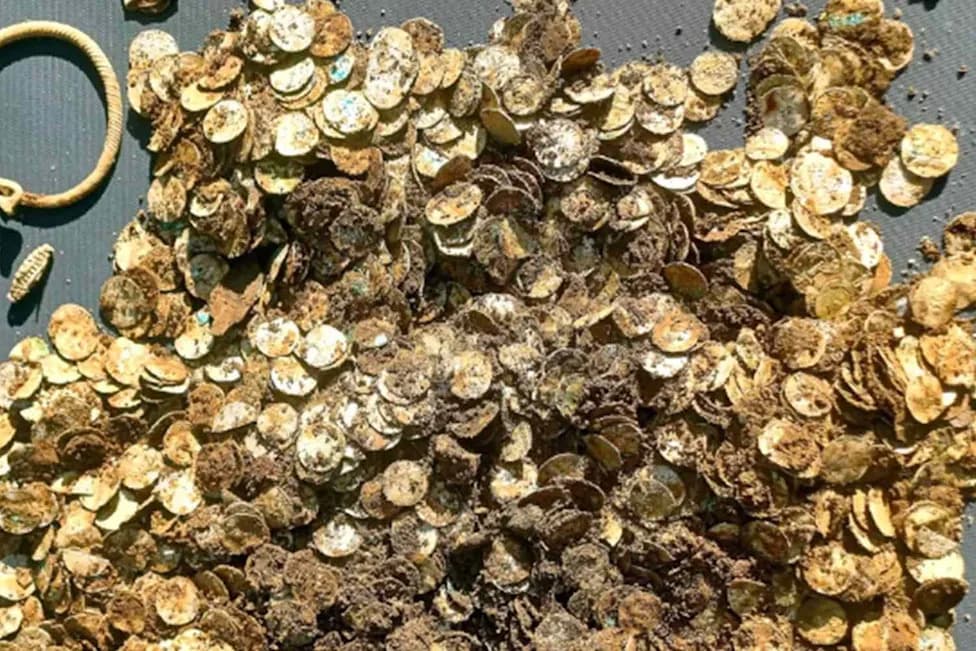
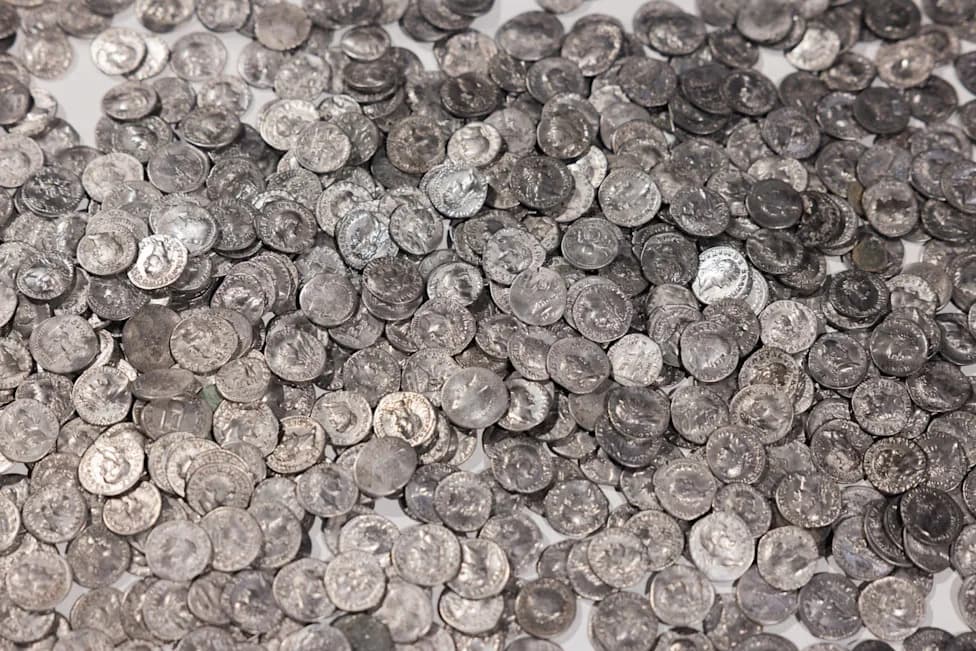
Medieval Denarii 'Jackpot' UnearthedDougal Waters - Getty Images
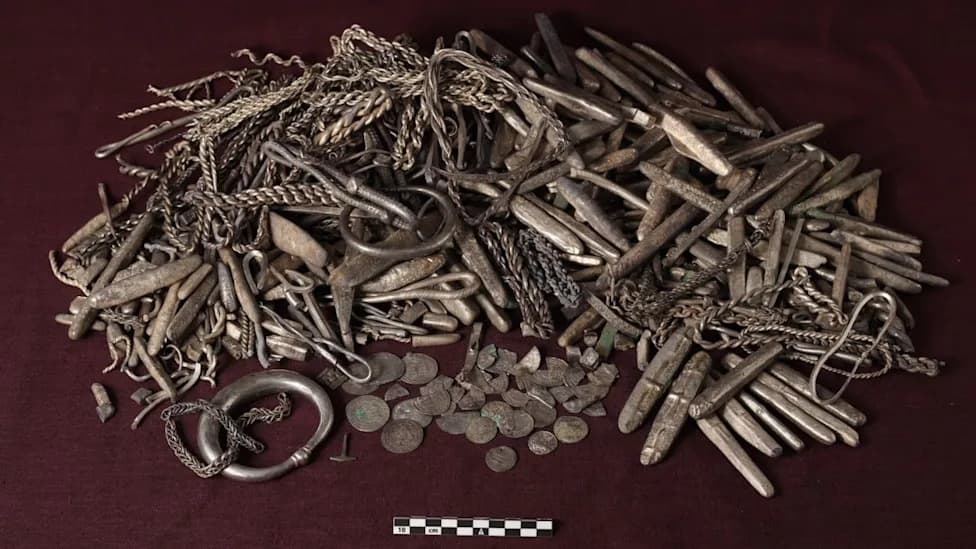
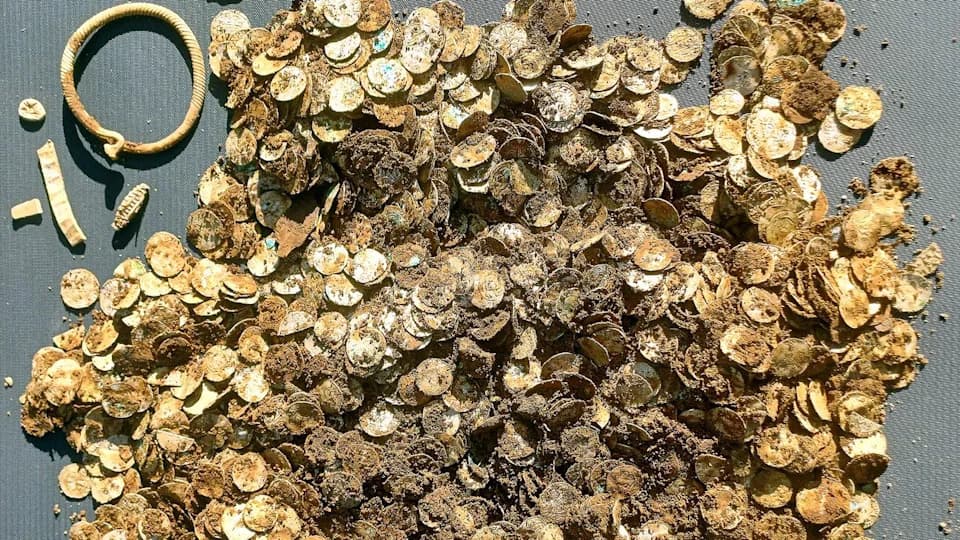
While taking a casual walk in 2024 through the Kutnohorsk Region of the Czech Republic, a woman made an extraordinary discovery: a largely broken ceramic vessel that once held a hoard of more than 2,150 medieval silver denarii, roughly 900 years old.
The pot itself was mostly demolished, but the coins survived clustered together. Specialists from an associated archaeological institute and the Czech Museum of Silver in Kutná Hora examined the find and called it one of the most significant archaeological discoveries of the past decade.
What the Experts Say
Archaeologist Filip Velímský compared the moment of discovery to "winning a prize in the lottery—even if someone else was the loser," underscoring both the rarity and historical value of the cache. Based on stylistic and typological evidence, experts estimate the hoard was buried in the first quarter of the 12th century, a period of political instability and struggles for the Prague princely throne among members of the Přemysl dynasty.
"It was probably placed in its place during the first quarter of the 12th century, at a time of internal political instability," Velímský said in a 2024 statement.
The Kutnohorsk Region saw frequent military movements during these dynastic disputes, so researchers consider plausible explanations such as a soldier's pay, wartime loot, or private savings hidden for safekeeping—though they emphasize these remain hypotheses.
Coins, Composition and Future Study
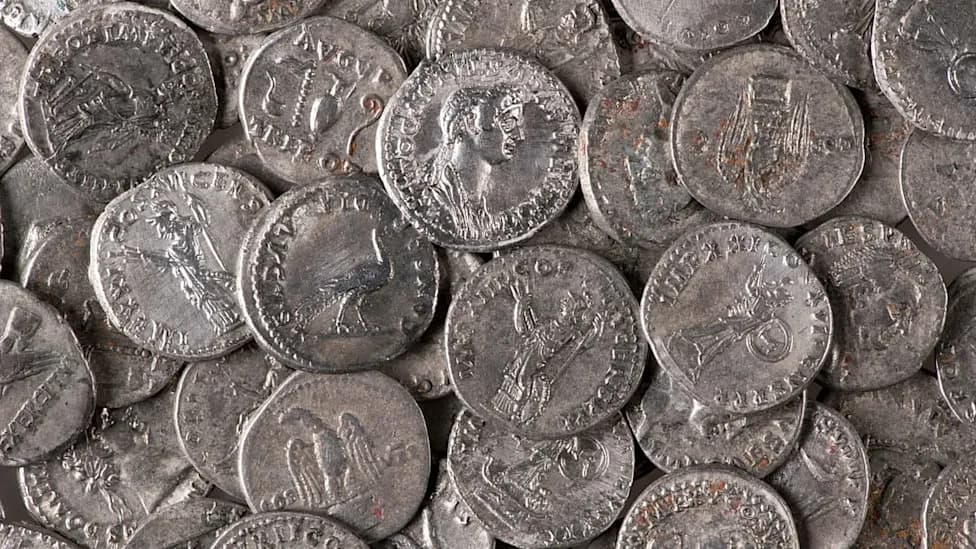
Initial analysis linked the denarii to rulers who reigned between about 1085 and 1107, including King Vratislav II and princes Břetislav II and Bořivoje II, but curators urge caution and note it is safest to conclude the coins were likely minted in Prague. The coins are made of a silver alloy containing copper, lead and trace metals.
Experts hoped to perform elemental and isotopic analyses to trace the silver's provenance and refine dating, but no public follow-up report has been released yet. As of 2024, museum director Lenka Mazačová said staff would register, clean and conserve each piece, and the hoard could be displayed as early as summer 2025, though a dedicated exhibition had not appeared in the museum's listings at that time.
Why It Matters
Beyond its monetary value, the hoard offers a rare, tangible glimpse into Central European economy, minting practices and political turmoil around the turn of the 12th century. Careful conservation and scientific study could reveal more about trade, metallurgy and regional connections in medieval Bohemia.
Help us improve.