Nigel Hewitt has volunteered with the RSPB for 60 years, beginning in 1966 while taking a break from A-levels. He played an important role in Operation Osprey and has helped manage habitat for cirl buntings at Labrador Bay and Ashill in south Devon. His long-term efforts have supported species recovery, strengthened volunteer culture, and earned praise from colleagues at the RSPB.
Six Decades of Service: Volunteer Nigel Hewitt’s Role in Saving Cirl Buntings and Other Birds
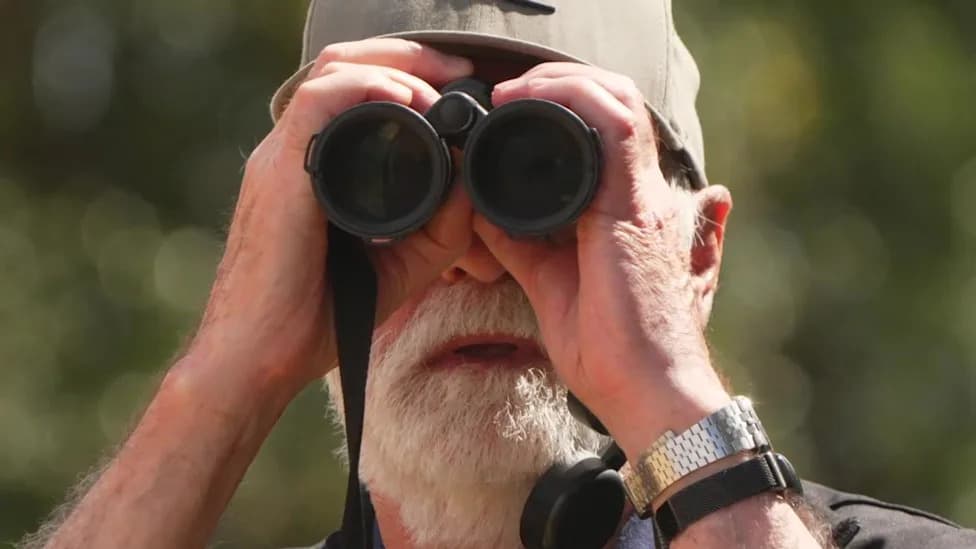
Nigel Hewitt has dedicated thousands of hours to volunteering for the RSPB [BBC]
Nigel Hewitt, the Royal Society for the Protection of Birds' (RSPB) longest-serving volunteer, has dedicated 60 years to bird conservation since he first signed up in 1966. Now 77, Hewitt has worked across Devon and beyond, helping restore habitats, protect vulnerable species and mentor generations of volunteers.
A Lifelong Commitment
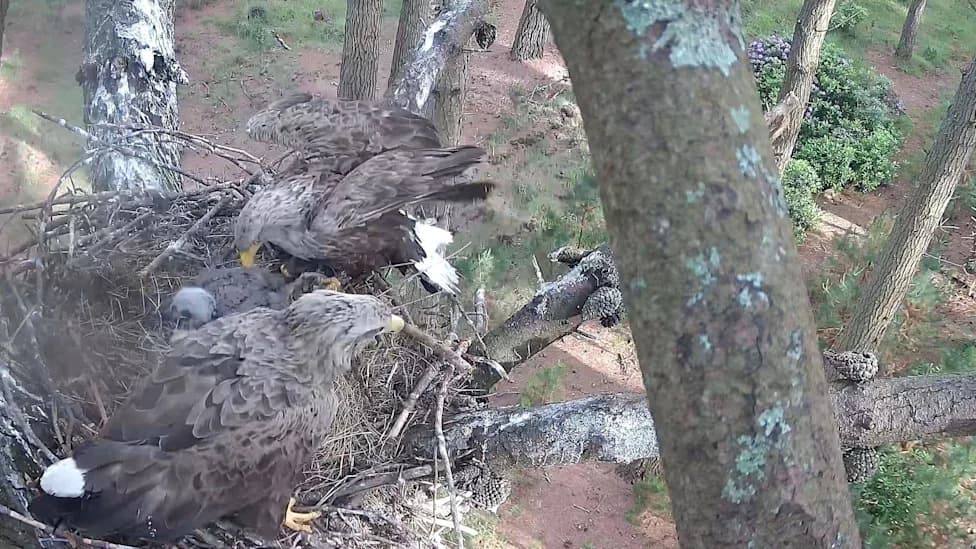
Hewitt began volunteering while taking a break from his A-level studies, initially joining Operation Osprey to protect the first pair of ospreys to breed in the UK for more than a century. The early work involved round‑the‑clock guarding shifts from hides, using telescopes and monitoring equipment to deter nest robbers and vandals.
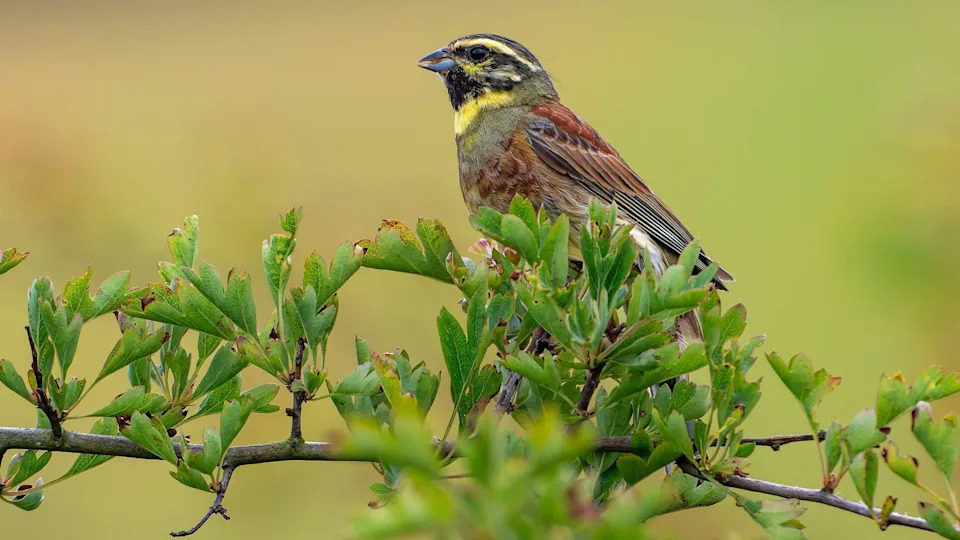
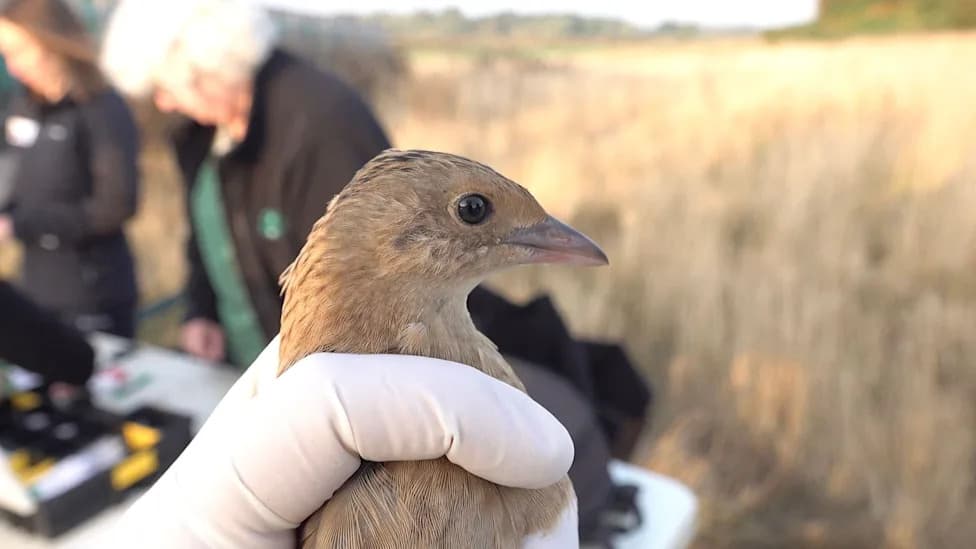
Nigel Hewitt has helped protect cirl buntings [Les Cater]
Focus On Cirl Buntings And Local Reserves
Hewitt has a particular passion for the cirl bunting, a small finch-like bird that nearly vanished from the UK. He has helped manage habitat for cirl buntings at Labrador Bay and Ashill nature reserves near Shaldon in south Devon, and contributed to the red-backed shrike project on Dartmoor.
“His knowledge is unbounded. He loves it. He'll talk for ever about birds,”
The RSPB reported that the 2016 national survey recorded more than 1,000 pairs of cirl buntings, with most concentrated in south Devon and a reintroduced population in Cornwall. Hewitt emphasizes that cirl buntings are discreet by nature: “They just want to quietly get on with producing young, feeding them in the nest and not being seen.”
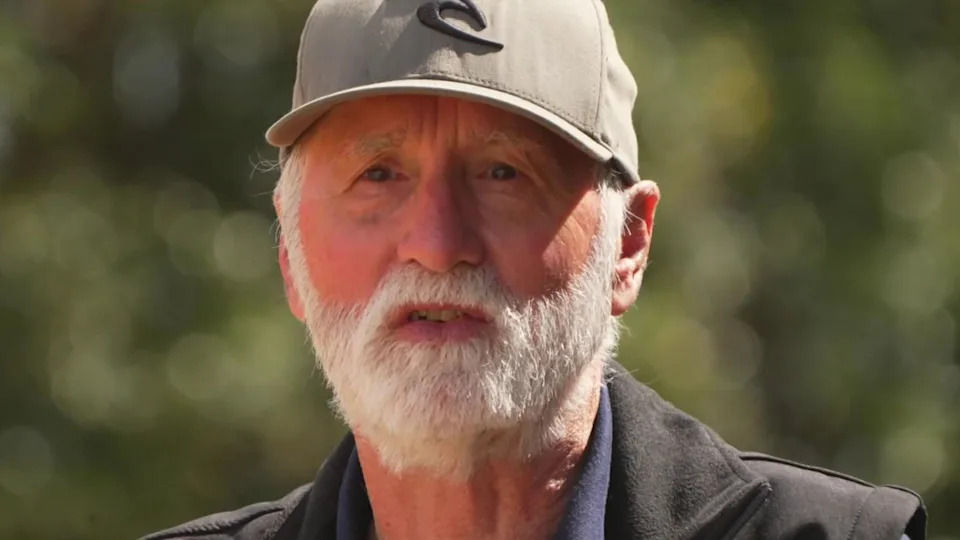
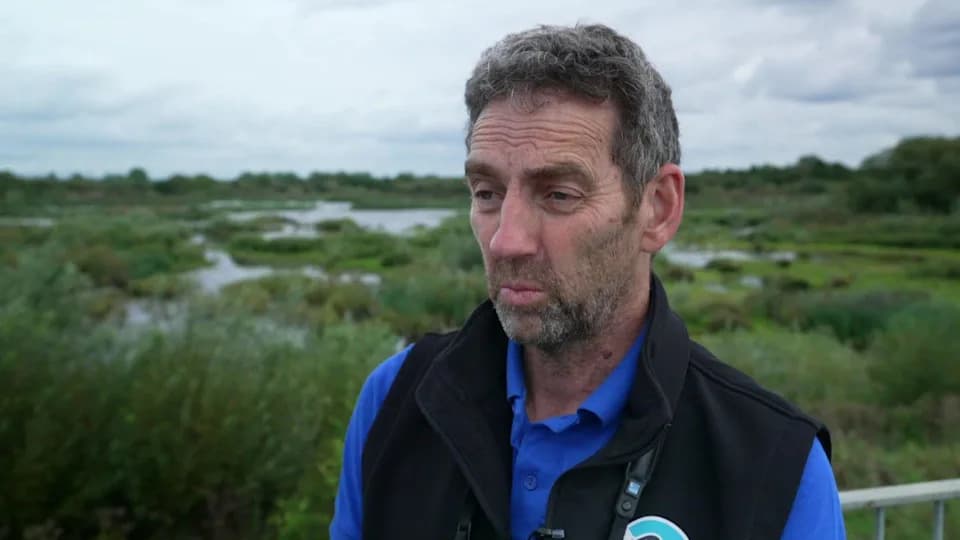
Nigel Hewitt has a fount of knowledge to pass on to visitors [BBC]
Impact And Recognition
Across school holidays and through a 30-year career at Barclays, Hewitt filled many roles within the RSPB, from on‑the‑ground habitat management to mentoring volunteers. Tim Hughes, RSPB volunteering development officer, praised Hewitt’s sustained commitment and far-reaching impact: “Few individuals can demonstrate such sustained commitment, breadth of impact and enduring legacy as Nigel.”
Hewitt describes the personal rewards of volunteering: “The pleasure of seeing a bird that you know you've done work to protect gives me so much satisfaction. You get the chance to just get out and do things. It's a wonderful chance to give something back to the world.” He joked that while he won’t volunteer another 60 years, he might still be pottering about well into later life — “David Attenborough is 100, so I could still be pottering around then.”
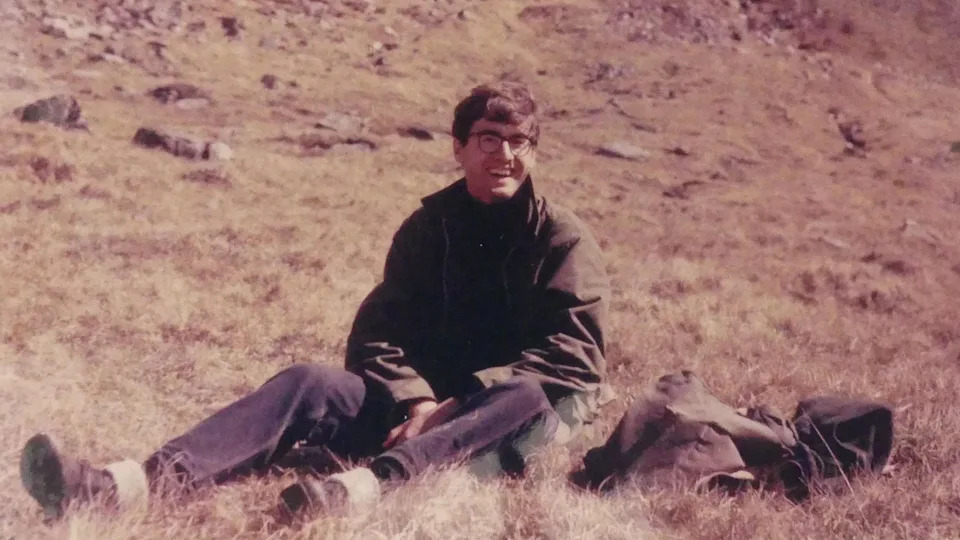
Hewitt enjoyed bird-watching on Carn Ban Moor in the Cairngorms, Scotland in 1970 [Nigel Hewitt]
Where He Worked: Labrador Bay and Ashill nature reserves (Devon); red-backed shrike project (Dartmoor); Operation Osprey (early conservation campaign protecting ospreys).
Conservation Outcomes: Helped create and manage habitat specific to cirl buntings and other farmland birds, supported species recovery efforts, and strengthened volunteer culture within the RSPB.
Help us improve.