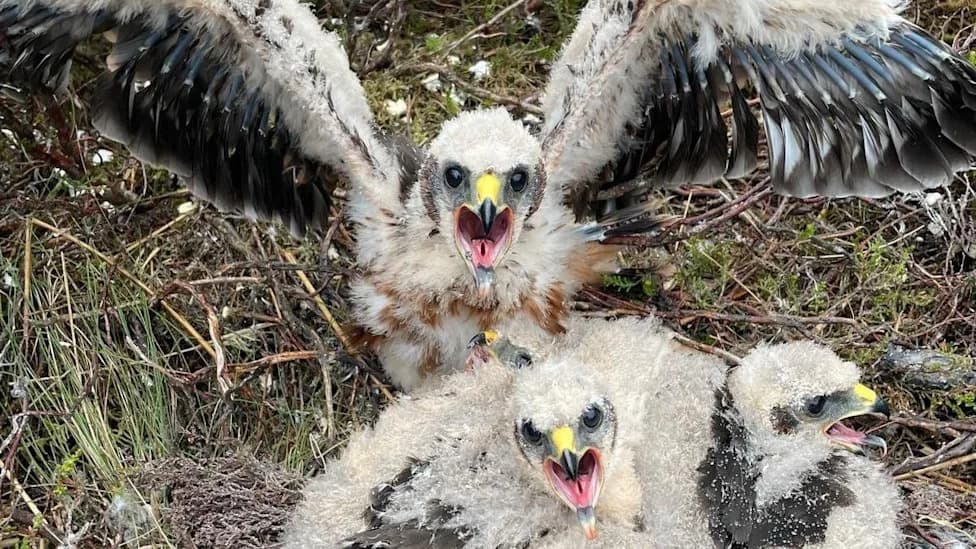
Cuan Wildlife Rescue in Much Wenlock, Shropshire, has seen an increase in birds of prey admitted after an unusually hot summer left many thin and grounded. Staff say the heat forces raptors to shelter more and hunt less; birds cannot sweat and struggle to regulate body temperature during prolonged warmth. The centre has taken in more animals than in the whole of 2025 and focuses on rebuilding weight and fitness through monitored care and supervised test flights before release.
Hot Summer Drives Surge In Birds Of Prey Into Care At Shropshire Rescue
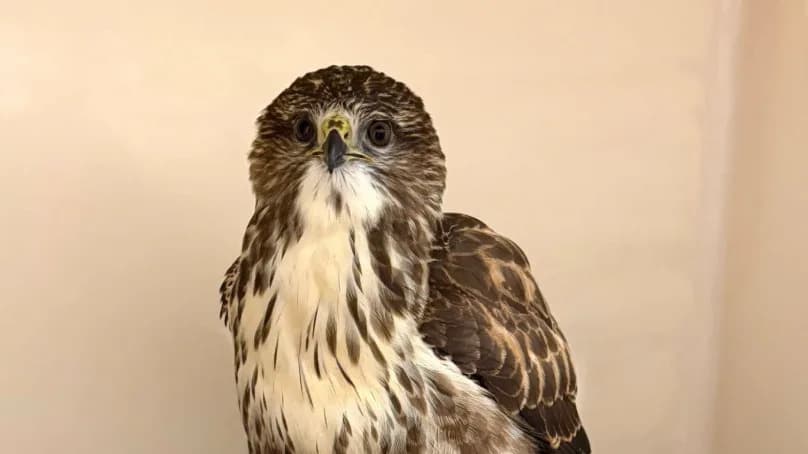
This common buzzard is one of the birds of prey taken in by Cuan Wildlife Rescue [Cuan Wildlife Rescue]
Cuan Wildlife Rescue in Much Wenlock, Shropshire, has reported a notable increase in the number of birds of prey being admitted this season. Staff say many raptors arrive thin and grounded, a trend they link to an unusually hot summer that has made hunting more difficult and disrupted natural behaviour.
Why The Heat Is Harming Raptors
Wildlife Care Assistant Sami Martin explains that the prolonged warm spells have forced birds to spend more time sheltering and less time hunting. "They've got to spend more time sheltering out of the heat and less time hunting and eating," she said. Birds do not sweat and must rely on behaviour and other physiological mechanisms to regulate temperature, so extended high temperatures can make it harder for them to maintain normal body condition.
Martin noted that species such as buzzards have thick insulating feathers that are well suited to typical cool, rainy British summers but can become a disadvantage when temperatures climb above 30°C. "They're adapted to British weather and it's not been very British this summer," she said, adding that the heat has left "their environment completely destabilised."
Rescue, Rehabilitation And Release
The centre cares for a wide range of sick and injured wildlife and has already admitted more animals this year than it did in the whole of 2025. When birds of prey arrive, the team's priority is to rebuild weight and stamina so the birds can fly and hunt independently again. Rehabilitation typically includes a controlled diet, rest, and monitored exercise.
Before any release, staff observe birds during supervised test flights to ensure they have regained full strength and natural behaviours. "We want to be 100% happy they are going back at their full strength and able to take on the world again," Martin said.
Looking Ahead
Staff warn that more extreme or prolonged weather could create additional challenges for wildlife that cannot adapt as quickly as humans. The rescue centre is preparing for continued demand and is urging local communities to remain vigilant and to contact wildlife professionals if they find grounded or distressed birds.
Sami Martin: "Who knows what's going to happen with the weather for the rest of the year and what effect it's going to have."
Help us improve.